





 English
  Francês
  Alemão
  Italiano
  Japonês
  Norueguês
  Portuguese
  Spanish
  4 min of reading


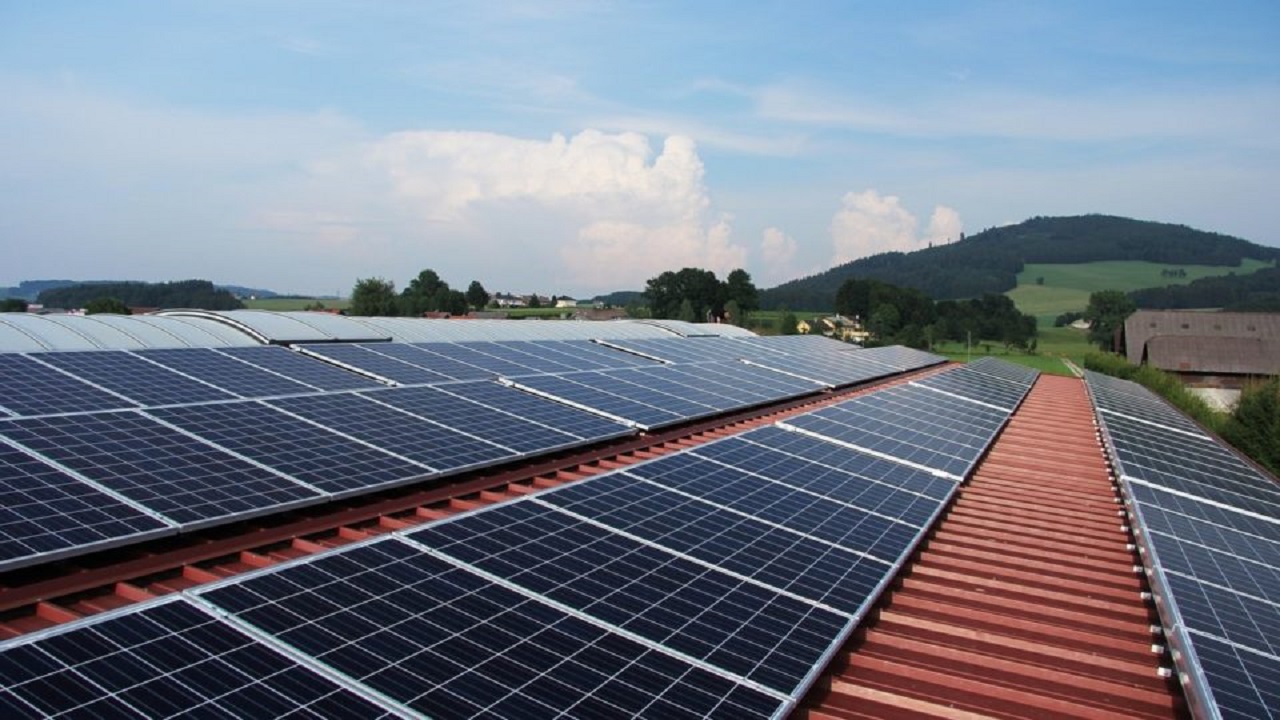
After Federal Government Sanctions Legal Framework for Distributed Generation, Absolar Forecasts That Investments in Solar Energy and Other Sources Will Reach R$ 150 Billion With the Reduction of Thermoelectric Plants, Positively Impacting the Light Bill of Final Consumers
The Federal Government sanctioned the bill that establishes the legal framework for self-generated energy, called distributed generation, which has the potential to lower the light bill for Brazilian consumers. The framework establishes rules for consumers who generate their own electricity through solar photovoltaic, wind, biomass hydroelectric, among others. Previously, the National Electric Energy Agency (Aneel) was responsible for creating resolutions and regulating the subject. With the approval of the framework, the forecast is that the use of thermoelectric plants will decrease significantly.
Read Other Related News
Investments in Renewable Energies Will Increase Due to the Reduction of Thermoelectric Plants, Says Absolar
With greater legal security, the Federal Government estimates an increase in investments in the production and sale of clean and green energy, mainly solar energy. The increase in supply may also bring benefits to the light bill with price reductions.
According to data from the Brazilian Solar Photovoltaic Energy Association (Absolar), by 2050, the benefits of solar energy distributed generation will amount to over R$ 150 billion just from the reduction of costs in using thermoelectric plants, one of the main reasons for the high cost of the light bill.
-
Renewable energy advances over protected areas in Brazil, and a survey by the Energy Transition Observatory reveals silent impacts that challenge environmental conservation and pressure sensitive traditional territories.

-
Rio Grande do Sul accelerates energy transition: State invests in renewable technologies and consolidates decarbonization strategies and pathways to attract billions in new industrial investments.

-
With 160,000 m² of collectors, an area larger than 20 football fields, Silkeborg, in Denmark, hosts a solar thermal plant that heats 19,500 homes and could become the largest solar heating plant in the world.

-
A study reveals the expansion of renewable energy procurement in Brazil and shows how companies are taking advantage of opportunities to reduce expenses, ensure energy efficiency, and strengthen strategic environmental commitments.


During this same period, in addition to the reduction of costs with thermoelectric plants, more than R$ 23 billion will be generated in savings from electrical losses in the generation, transmission, and distribution of electricity in large plants. The combination of these two aspects will create a reduction of R$ 173 billion in costs by 2050.
Payment of Tariffs for the Generation of Solar, Wind and Other Energy
Two segments of the legal framework were vetoed by the Federal Government; one extended tax benefits to distributed mini-generation projects. One segment that allowed for the installation of large projects on water surfaces to divide their units to fit formally as mini or micro-generators was also vetoed.
The new legal framework from the Federal Government established the payment of tariffs for GD, which will be gradually implemented starting in 2023. The project maintains this guarantee until 2045. In addition to current beneficiaries, anyone requesting the service within one year after the sanction of the law will also receive the subsidy.
Thus, those who pay the tariff for the subsidies granted to the GD system are the other energy consumers through the Tariff for the Use of the Distribution System. Therefore, the framework approved by the Federal Government defined a 6-year transition rule in the payments of costs related to electric energy.
Savings on the Light Bill With Energy Use Can Reach 80%
According to Carlos Sena, director of Sinerges, the entry of solar energy into the national market grew at rates greater than 200% annually since 2015. In 2021, expansion approached 100%, and the estimate is that, throughout this year, this growth will be maintained, with a decrease starting in 2023 as consumer benefits are reduced. According to Carlos, the reduction in electricity costs provided by the solar energy system averages between 50% and 80%.
Believing That Solar Energy Is the Best Friend of the Environment in Brazil, Elétron Energy Will Invest R$ 900 Million in Renewable Energies While Consolidating Existing Projects in Photovoltaic, Wind and Hydroelectric Sources
The Brazilian Solar Photovoltaic Energy Association (Absolar) recently announced that solar energy is one of the most strategic renewable energy sources to accelerate the sustainable development in Brazil, as well as being an ally of the environment.
In our country, the potential for generating solar electricity is significant even in places with lower sunlight incidence throughout the year. Elétron Energy will invest R$ 900 million in renewable energy projects by 2024, in addition to consolidating other projects in photovoltaic, wind, and hydroelectric sources.
Renewable energy sources bring several advantages in their use, as they are considered environmentally friendly energy sources, minimally harming the planet compared to conventional energy sources. Although they represent only 2% of the national energy matrix so far, this clean energy source has already prevented the emission of 13.6 million tons of CO2 in electricity generation.









Seja o primeiro a reagir!