





 Portuguese
  English
  Spanish
  3 min of reading
  1 comment





Law 818/2023, Approved in São Paulo, Requires Animal Abusers to Fully Cover All Veterinary Costs for Recovery.
The Legislative Assembly of São Paulo has approved a law that directly alters the accountability for animal abuse. Sponsored by State Deputy Maurici (PT), the text establishes that abusers are required to fully cover all treatment and recovery costs for animals that are victims of violence, going beyond the criminal penalties already provided for in Brazilian legislation.
The measure arises in a context of increasing reports of abuse, including abandonment, physical aggression, extreme negligence, and poisoning. Until now, even when the abuser was identified, medical costs often fell on the state, NGOs, or independent protectors.
With the new law, this logic is reversed.
-
With the arrival of Law 11.788, internships are now recognized as professional experience.

-
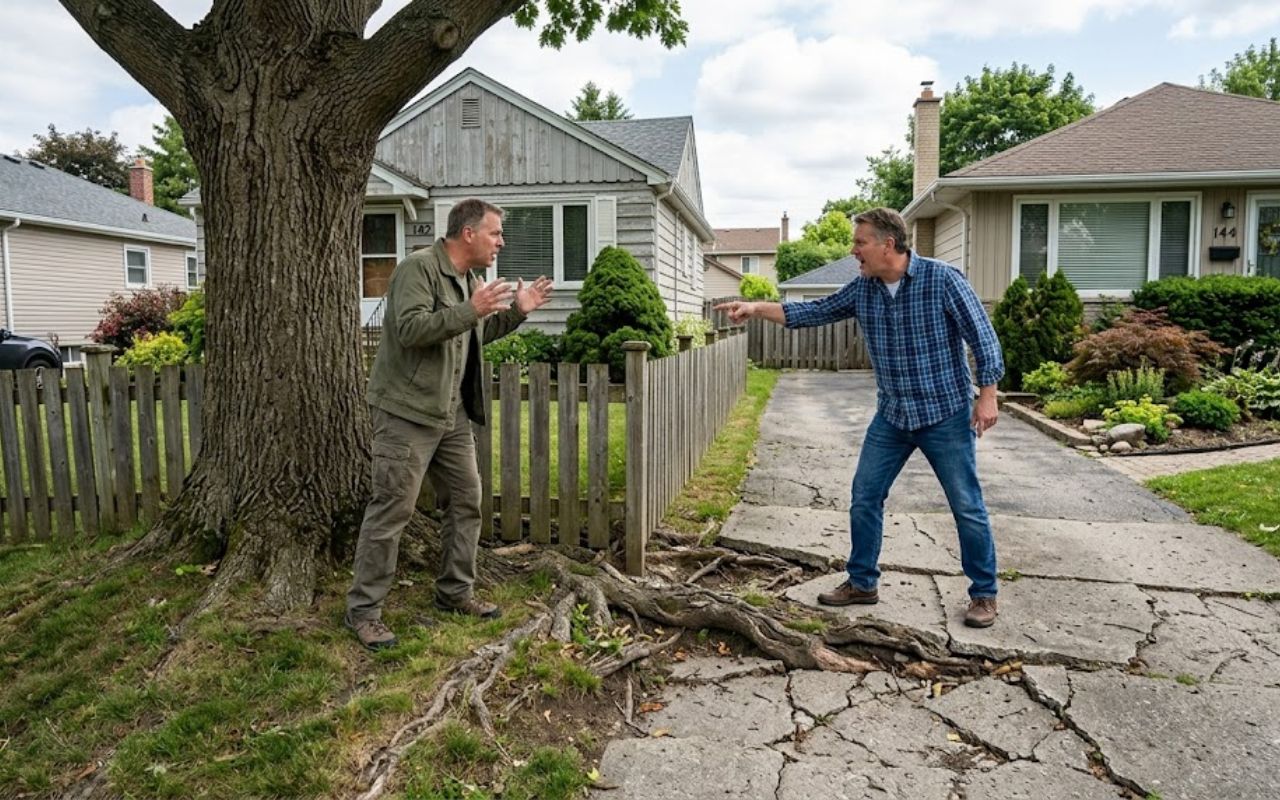
The Brazilian Civil Code states that a property owner has the right to cut the roots of a neighbor’s tree that invade their land, as long as it does not harm the tree itself. The owner must notify the neighbor before taking such action.
-
Engineer is sentenced to repay R$ 148 thousand after holding public positions in three municipalities in Rondônia with incompatible schedules, and the decision is upheld by the Court of Justice.

-
Chamber approves project that creates mandatory Life Insurance for police officers, firefighters, guards, and traffic agents.

What Law 818/2023 Requires in Practice
The legislation approved by Alesp requires that anyone responsible for animal abuse must bear 100% of the veterinary expenses necessary for the recovery of the animal.
This includes emergency care, exams, surgeries, hospitalizations, medications, rehabilitation, and clinical follow-up until full discharge.
If the animal is treated by public clinics or clinics contracted by the government, the abuser must fully reimburse state funds for the amounts spent. The law prevents the cost of the crime from being transferred to society.
Financial Accountability Beyond Criminal Penalty
The new law does not replace the penalties already provided for in the Penal Code and the Environmental Crimes Law. The abuser remains subject to detention, fines, and other criminal sanctions, but also faces an automatic civil consequence.
In practice, the crime generates not only abstract punishment but also direct financial harm, proportional to the severity of the violence committed against the animal.
This model brings abuse closer to the logic already applied in traffic accidents and environmental crimes, where those causing the damage are required to repair it.
Why the Law Represents a Structural Change in Animal Protection
Until the approval of the law, even with harsher penalties for abuse, the financial impact rarely fell on the abuser. NGOs accumulated debts, protectors went into debt, and clinics treated severe cases without any guarantee of payment.
By requiring the abuser to pay, the law creates a real deterrent effect. Depending on the severity of the injuries, veterinary costs can exceed tens of thousands of reais, which turns the crime into a concrete risk also financially.
Impacts for NGOs, Protectors, and the Government
The measure represents significant financial relief for those on the front lines of animal rescue. Independent protectors and philanthropic organizations often take on expensive treatments without any guarantee of reimbursement.
With the new law, the state gains legal support to collect expenditures through judicial means, allowing these resources to be redirected to public policies for animal welfare.
Moreover, veterinary clinics gain greater legal security to handle severe cases of violence.
Challenges in Implementing the New Rule
Experts point out that the effectiveness of the law will depend on the identification of the abuser, formal accountability, and the state’s ability to enforce the collection of due amounts.
In cases where the responsible party lacks financial resources, the treatment of the animal may continue to be funded by the government or NGOs, but the debt remains recorded against the abuser.
Still, legal experts believe that the rule establishes a new level of accountability, with the potential to serve as a reference for other states.
A New Signal from the São Paulo Justice System Regarding Animal Abuse
The approval of the law sponsored by Deputy Maurici (PT) indicates a clear change in the stance of the State of São Paulo: crimes against animals are no longer treated as minor infractions and begin to generate concrete criminal, civil, and financial consequences.
By transferring the cost of cruelty to those who commit it, the legislation sends a direct message: those who harm an animal will pay — including for the recovery of the victim.









Vc chama polícia ninguém vem