





 Portuguese
  English
  Spanish
  4 min of reading
  0 comments



FGV Study Shows That Rouanet Law Strengthens Cultural Incentives, Generates Jobs, and Has a Strong Economic Impact in Brazil.
The Rouanet Law once again demonstrated its relevance to the country by registering that for every R$ 1 invested in cultural projects, R$ 7.59 returns to the Brazilian economy.
This data is part of a study presented this Tuesday (13) by the Getulio Vargas Foundation, commissioned by the Ministry of Culture, in Brasília.
The research analyzed how cultural incentives directly impact economic development, job creation, and income distribution, in addition to assessing costs, suppliers, and contracts involved in supported projects.
-
6 sources of free fertilizer that you are throwing away every day and can transform your garden without spending anything.

-
With a water crisis on the radar, Sabesp invests in reclaimed water for data centers and transforms sewage treatment into a solution that saves millions of liters and protects public supply.

-
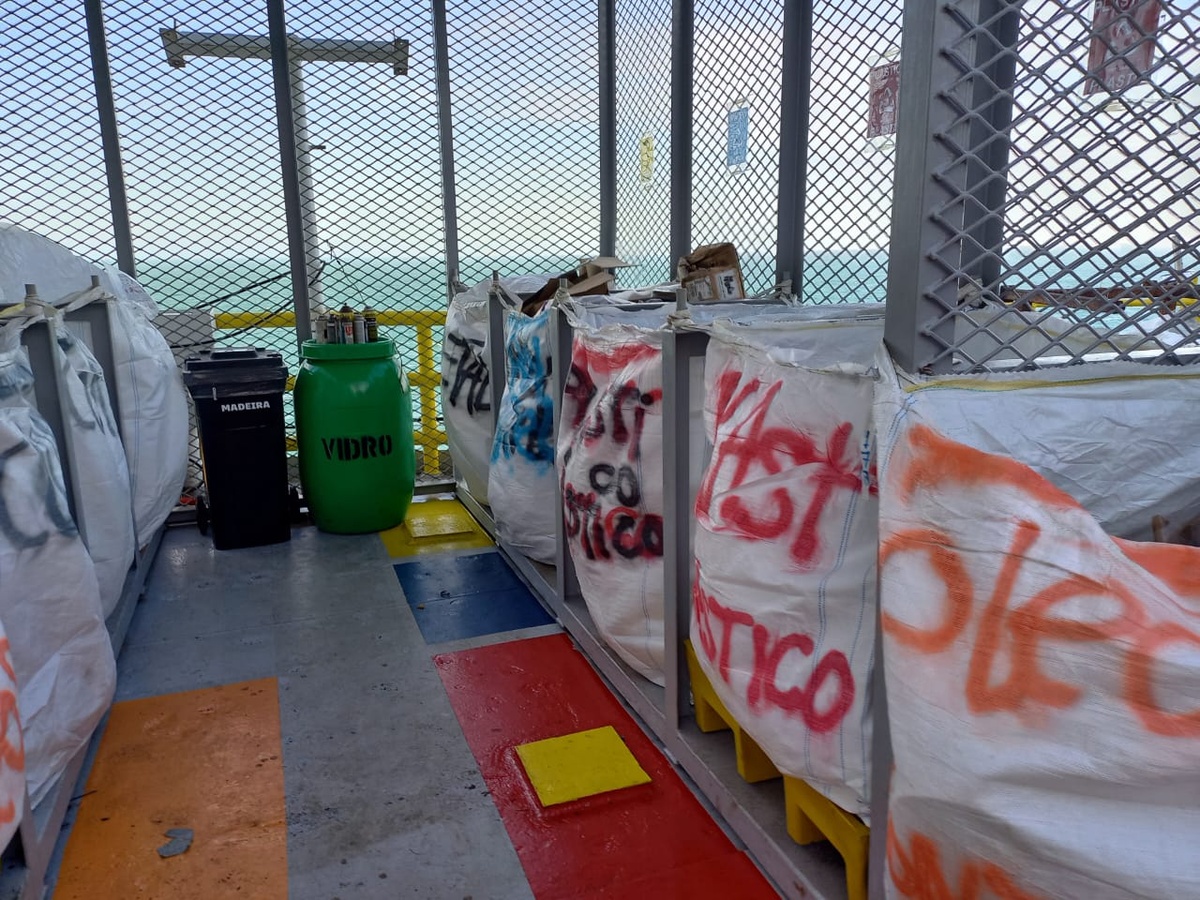
Foresea achieves 100% offshore waste reuse in 2025, eliminates landfill disposal, and consolidates sustainable strategy with 1,500 tons recycled.
-
With earth, bamboo, straw, and lime mortar, a specialist builds a house for just over $460 and draws attention for its cost being much lower than traditional construction.

Right at the beginning of the survey, researchers clarify the economic impact of cultural investment.
Between 2022 and 2024, the number of projects supported by the Rouanet Law jumped from about 2,600 to over 14,000 per year, demonstrating a significant expansion of the public policy’s reach.
This growth reflects not only greater adherence to the mechanism but also increased confidence from companies and cultural producers in the incentive model.
Rouanet Law Boosts Job Creation on a Large Scale
One of the main highlights of the study is the job creation.
In 2024 alone, approximately 230,000 job vacancies were opened with the support of the Rouanet Law.
The average cost was R$ 12,300 per job, a figure considered efficient compared to other economic stimulus programs.
Moreover, the survey evaluated the rental of equipment, hiring professionals, and payment for materials and services, showing that cultural investment stimulates an extensive production chain.
According to the Minister of Culture, Margareth Menezes, the study responds to recurring criticisms made of the mechanism.
“We needed complete, consistent, and reliable data about the Rouanet Law, which in recent years has faced unjustifiable criticisms and an attempt at demonization.
[…] Its results provide clear evidence of the positive impact of cultural investment,” she stated.
Over R$ 60 Billion Invested Since 1993
Since its creation in 1993, the Rouanet Law has accumulated over R$ 60 billion in investments, considering nominal values.
Only in 2024, 4,939 projects executed resources from cultural incentives, with most presented by companies, which accounted for 86.7% of the proponents.
This data reinforces the role of the private sector in strengthening cultural investment in the country.
The analyzed projects generated approximately 567,000 payments to suppliers and service providers, distributed across about 1,800 different types of economic activities.
Furthermore, most projects raised up to R$ 1 million, which highlights the dispersion of resources and the distributive effect of the policy.
Distributive Effect and Strengthening of the Local Economy
According to researchers, 96.9% of the payments made via the Rouanet Law were less than R$ 25,000.
This data indicates that cultural incentives are not concentrated solely in large productions but reach small suppliers, technicians, artists, and service providers, promoting income circulation in different regions.
Of the total R$ 25.7 billion moved by cultural incentive mechanisms in 2024, the largest share remained in the Southeast, with R$ 18 billion.
Still, other regions showed significant growth, especially the Northeast and North, which recorded an increase of over 400% in the number of projects between 2018 and 2024.
Regional Growth and New Strategies
The Northeast went from 337 projects in 2018 to 1,778 in 2024. The North rose from 125 to 635 projects in the same period.
The Central-West and South also grew, though at a slower pace. According to the Secretary of Cultural Promotion of the Ministry of Culture, Henilton Menezes, the current focus is to strengthen medium-sized companies in their own territories, expanding the reach of cultural incentives.
Additionally, the average time to analyze projects has dropped from over 100 days in 2022 to about 35 days in 2025, making the process faster and more attractive for new proponents.
Direct and Indirect Impacts of Cultural Investment
For Luiz Gustavo Barbosa, executive manager at FGV, it is essential to understand the different types of impact generated by the Rouanet Law.
“We had to understand both the direct impacts and the indirect effects, which involve the entire economic chain related, as well as the impact of the jobs generated.
Resources must be considered in waves of spending,” he explained.
Finally, the Ministry of Culture stated that it intends to conduct a new study focusing on the Aldir Blanc Law, expanding the analysis of the role of cultural policies in the country’s development.
Although no date has been set yet, there is hope that the results will once again reinforce the importance of cultural investment for the Brazilian economy.










-

3 pessoas reagiram a isso.