





 Portuguese
  English
  Spanish
  5 min of reading
  4 comments


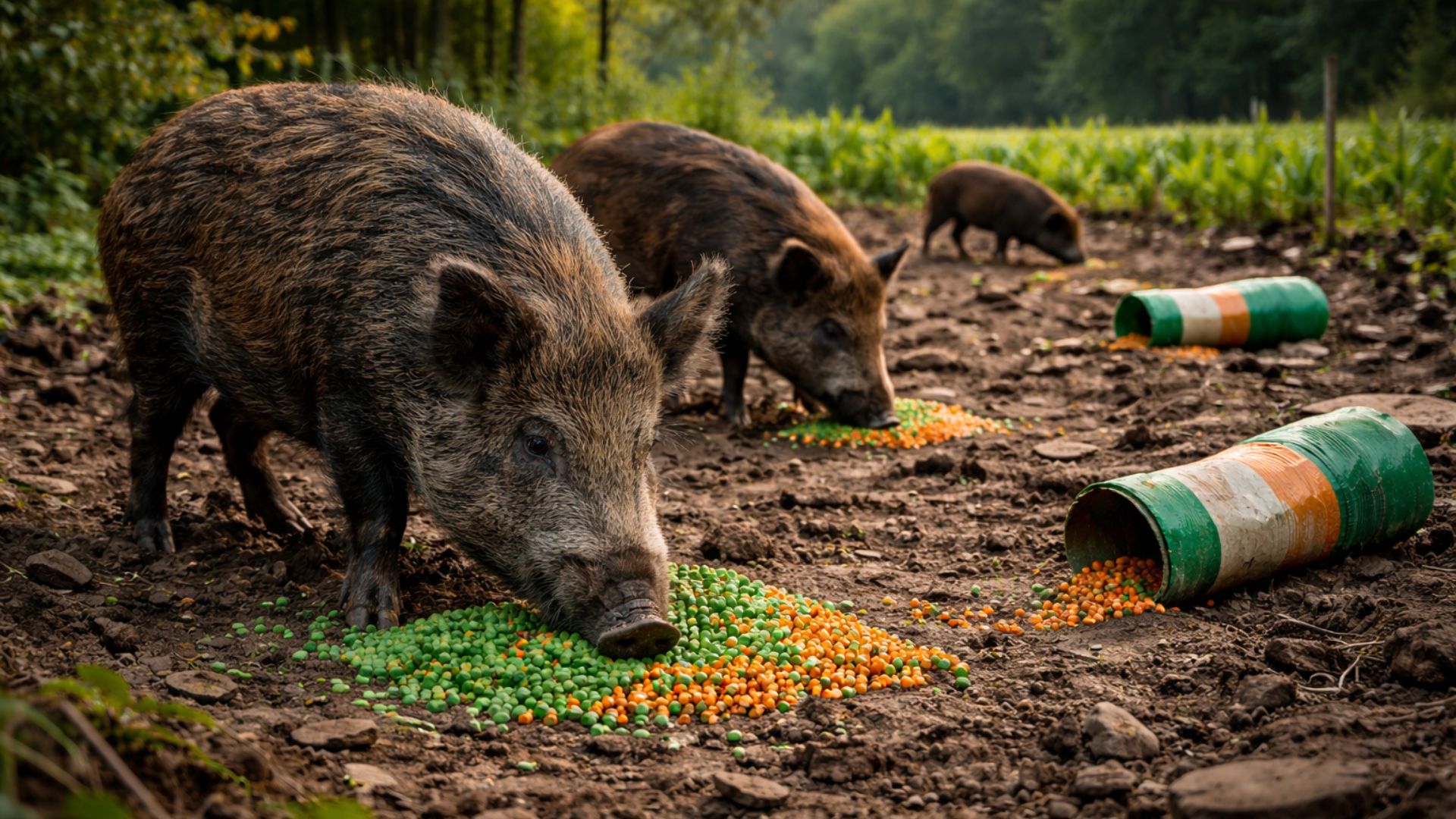


State Authorization In Texas Reignites Debate On Wild Boar Control, Restricted Use Of Warfarin, Economic Impacts On Agriculture, And Regulatory Rules To Reduce Agricultural And Environmental Losses Associated With Invasive Species In The United States.
The state of Texas has allowed, under restricted rules, the use of a bait containing warfarin to control wild boars, an invasive species associated with recurring losses in crops and rural properties.
The authorization was recorded by the Texas Department of Agriculture in early February 2024 and classified the product Kaput Feral Hog Bait as a limited-use pesticide, which restricts its purchase and application to licensed professionals and specific regulatory conditions.
Warfarin is an anticoagulant known in human medicine and also appears, under regulation, in products for controlling vertebrates.
-
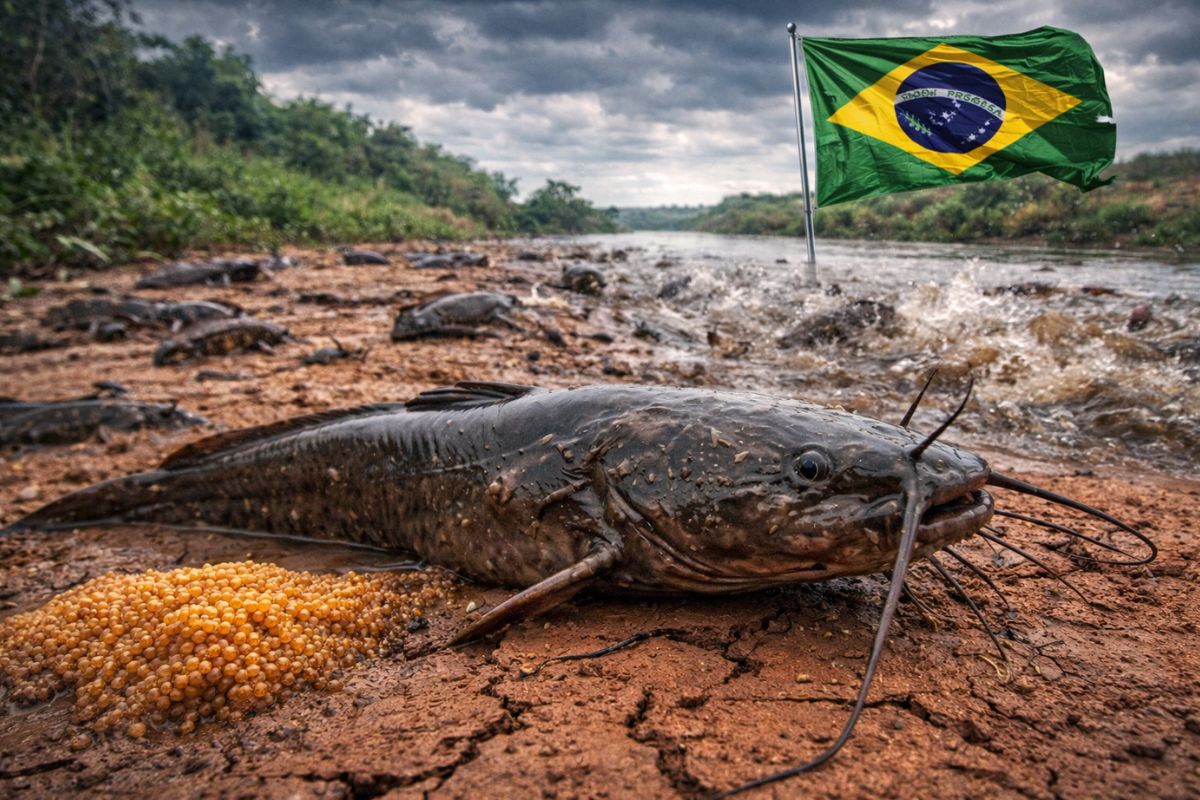
A fish that survives out of water, crawls on land until it finds another river, and whose female lays 80,000 eggs at once is infesting rivers and lakes in Brazil, and no one can stop this invasion.
-
WEG took its technology to Spain to create a solar irrigation system that operates independently without needing an electrical grid, and now farmers control everything remotely via their mobile phones.

-
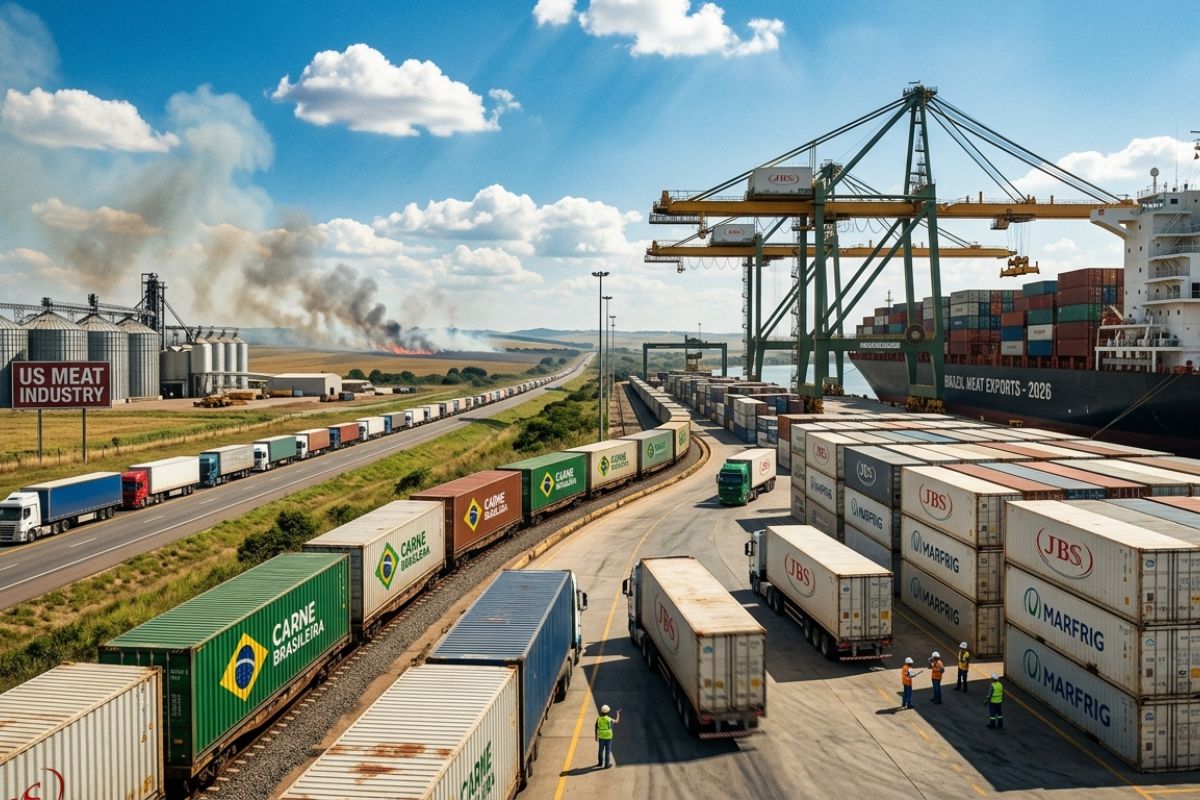
The US faces a meat crisis with fires, pests, and strikes, consumption rises and supply falls to the lowest level since 1952, creating a billion-dollar opportunity for Brazilian exports to grow in 2026.
-
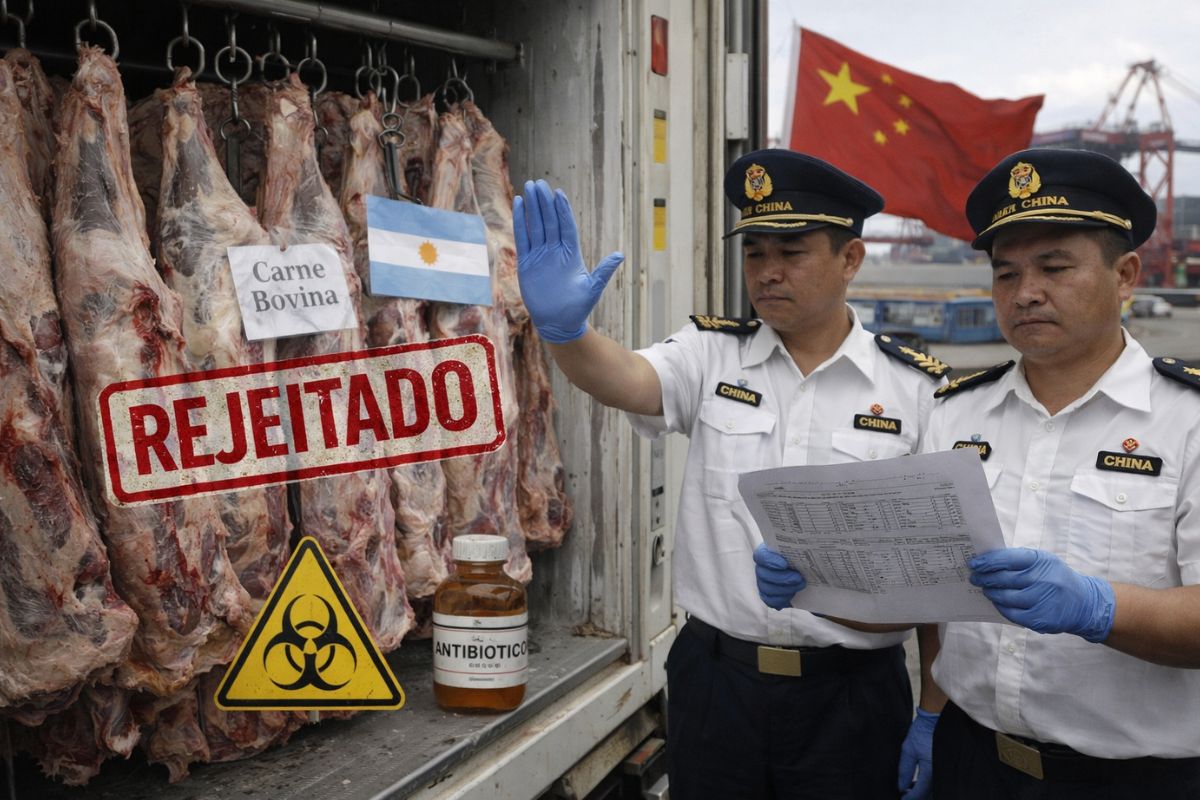
China rejected an entire shipment of beef from Argentina after detecting an antibiotic so dangerous that it has been banned for human consumption for over 30 years, and now the export sector is facing a crisis of international trust.

In the Texas case, the focus of the regulation is the use of the active ingredient as a toxicant directed at wild boars, with additional licensing, registration, and traceability requirements associated with the “limited use” status in the state.
State Regulation Redefines The Use Of Warfarin In Wild Boar Control
On an official page dedicated to the topic, the Texas Department of Agriculture informs that the classification of warfarin has been updated within state pesticide rules.
The inclusion of a new provision went into effect on January 31, 2024.
The change has treated warfarin as a limited-use pesticide when specifically employed as a toxicant for wild boars.
In practice, the alteration expanded controls over who can acquire and apply the product.
The product returned to the center of local debate after the state registration and public statements from agricultural authorities.
In a statement published on February 8, 2024, Texas Agriculture Commissioner Sid Miller stated that Kaput had been registered for limited state use by licensed applicators.

In the text, the commissioner cited the goal of mitigating the problem of wild boars and the associated economic impacts.
Blue Fat Functions As A Marker Of Bait Ingestion
In addition to the active ingredient, the formulation mentioned in public materials and institutional reports includes a liposoluble dye.
This dye turns the animal’s fat blue after ingesting the bait.
The effect is presented as a visual indicator to identify wild boars that have consumed the product.
The characteristic appears in both state government communications and technical materials related to regulation.
Despite the visual highlight, the classification as limited use shows that the authorization does not equate to unrestricted release.
The logic adopted by Texas links the use to authorized professionals, sales records, and administrative rules.
These mechanisms allow tracking of the pesticide’s circulation and reduce the risk of use outside the regulated scope.
Agricultural Loss Drives Debate On Control In Texas
Texas has treated wild boars for years as one of the most persistent pressures on agricultural areas and private properties.
In an institutional report published on August 31, 2023, Texas A&M AgriLife reported that the state would have more than 3 million wild boars.
According to the institution, annual losses associated with the damages exceed US$ 500 million, considering agriculture and private property.
These figures tend to be associated with national estimates.
In an updated page from USDA/APHIS, the federal agency states that the costs of damage and control of wild boars reach US$ 2.5 billion per year in the United States.
The estimate considers direct losses in the agricultural sector and spending on control actions.

The same material highlights that the most successful programs tend to combine tactics adapted to local conditions and the rules of each state.
Studies Indicate Effectiveness Conditioned On Correct Use
Universities and extension agencies have been monitoring assessments of different wild boar management tools for years.
In the case of Kaput, Texas A&M AgriLife described a two-year study conducted in 23 areas across 10 counties in the state.
The work involved distinct regions of Texas.
According to the institutional report, there was a reduction in numbers and damage when the product was used according to the project guidelines.
The text also states that when the devices functioned correctly, there was no access to the toxicant by non-target species.
Similar results appear in peer-reviewed scientific literature.
A study published in the journal PLoS ONE described field assessments with baits containing warfarin at different concentrations in north Texas.
The article discusses reductions observed in treated areas and highlights limitations related to the study design and specific application conditions.
Federal Registration Exists, But State Rules Define Use
Although the recent debate is centered on Texas’s decision, technical documents indicate that the product has federal registration in the United States since 2017.
Manufacturer materials state that the formulation contains 0.005% warfarin, with a registration number with the Environmental Protection Agency.

The difference between federal registration and state authorization helps explain why the topic reappears periodically.
Even with federal permissions, states retain the autonomy to impose their own rules on classification, sale, and use.
In Texas, warfarin, when employed as a toxicant for wild boars, has been categorized as limited use.
This links the product to specific licensing and commercial control requirements.
Regulatory Compliance And Traceability Enter The Center Of Public Policy
The emphasis on licenses and registrations reflects recurring concerns in managing invasive species.
The declared objective is to reduce economic losses without increasing risks to domestic animals, native wildlife, and people.
By treating warfarin as a limited-use pesticide in this context, the state shifts the debate to application and regulatory rules.
Texas A&M AgriLife itself emphasizes that the effectiveness observed in studies depended on correct and consistent use.
According to the institution, there were differences in results when owners did not follow the project guidelines.
With estimated losses of US$ 500 million per year in Texas and national costs cited at around US$ 2.5 billion, the authorization of the bait reignites discussions about strategy.
What combination of measures should be prioritized to reduce damage caused by wild boars without increasing environmental and operational risks?








****,selva,fome,destruição,vidas humanas,dilema,comestíveis,futuro,Bacon,animais silvestres,greenpeace,raciocínio lógico,vidas humanas importam.
Uma “vara” de java-porcos destrói uma grande plantação em uma noite. Tem que exterminar mesmo essa praga.
Por que ? Não fala veneno ao invés de isca. Voces pretende exterminar os javaporco e demais animais q se alimentar da ração. Porque não castra?¿?? Vocês sao um lixo