





 Portuguese
  English
  Spanish
  4 min of reading
  1 comment


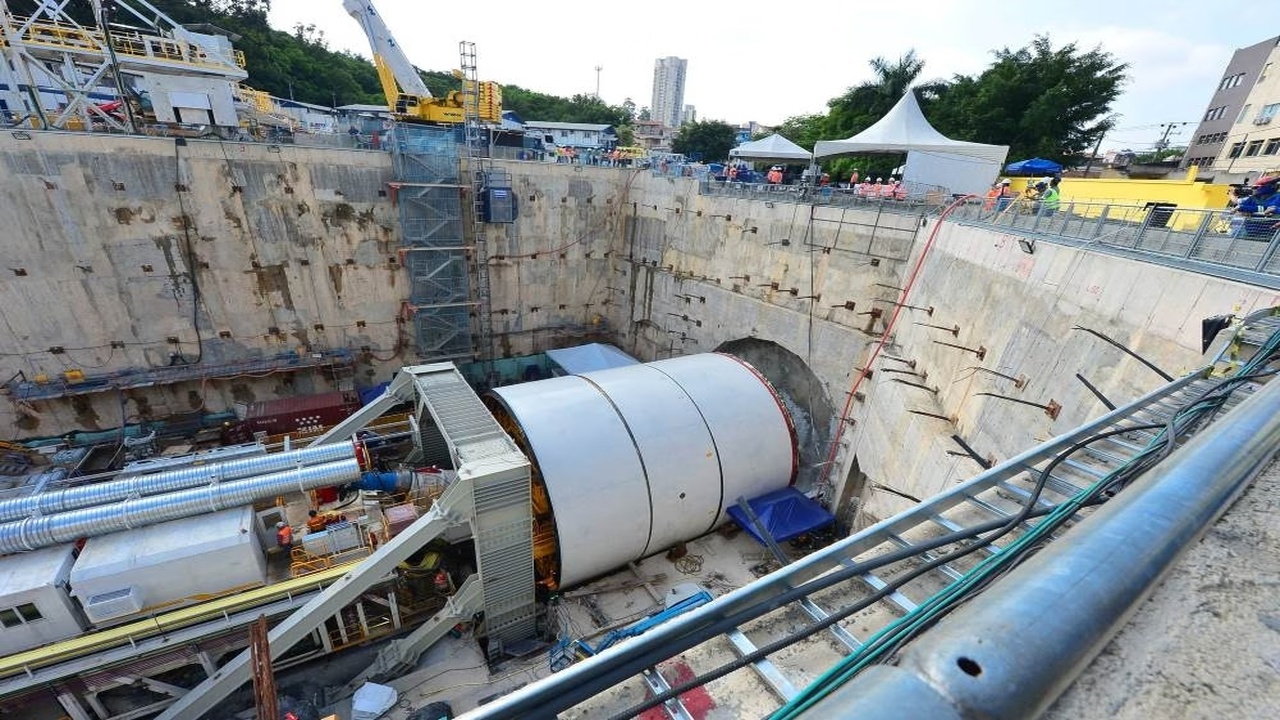


Works Stopped by Recommendation from the Public Prosecutor’s Office of São Paulo
On September 20, 2025, the Public Prosecutor’s Office of São Paulo (MP-SP) recommended the immediate suspension of the expansion works of Line 2-Green of the Metro, in the Vila Formosa region. The measure was taken after reports of cracks in houses and structural damage to buildings near the excavations.
According to the São Paulo Metro, there is constant monitoring of the impacts and regular technical inspections. However, for the MP, the mitigation measures were not sufficient to eliminate the potential risk of accidents. The decision was preventive, aimed at avoiding tragedies similar to the one that occurred in 2007 during the construction of Line 4-Yellow when a collapse opened a crater in the west zone of the capital.
The suspension generates immediate consequences: delays in the schedule, increased costs, and frustration for thousands of residents who were expecting improvements in mobility.
-
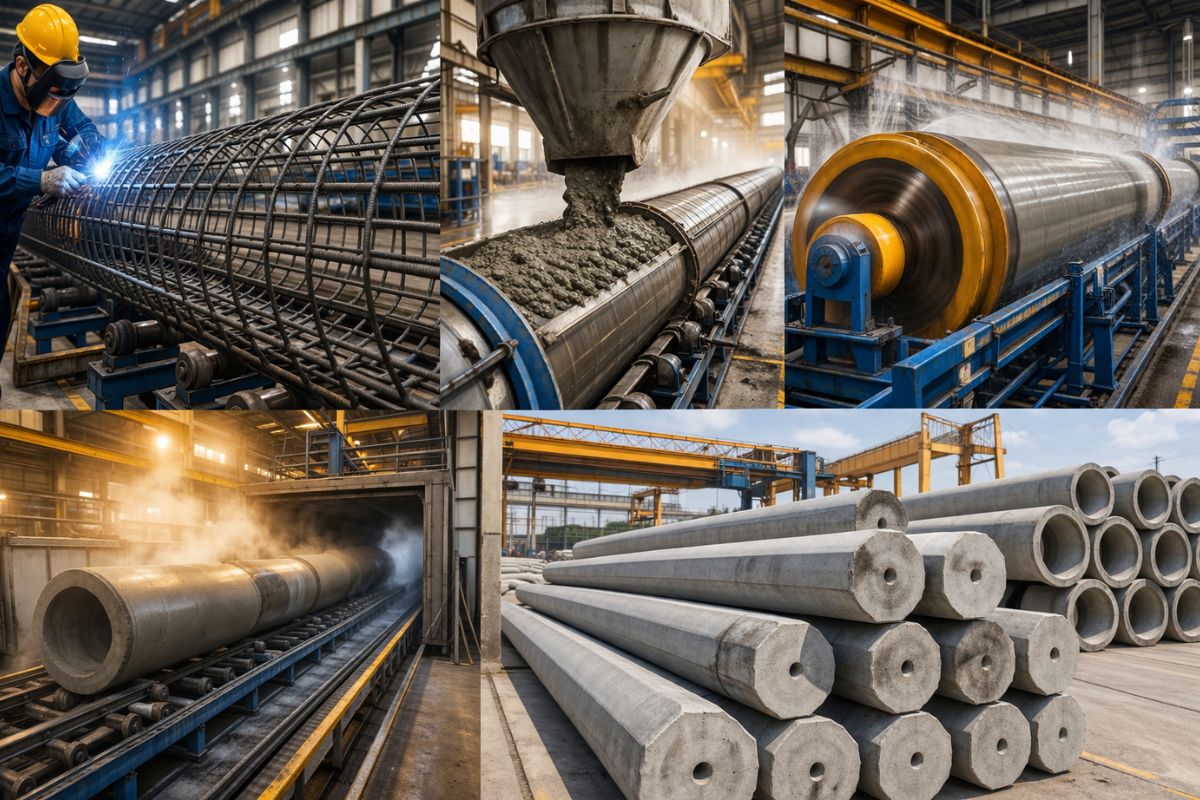
The factory shows how PHC piles and precast tubes are made; steel turns into a welded cage, high-strength concrete enters the mold, spins in centrifugation, cures in steam, and is ready in hours.
-
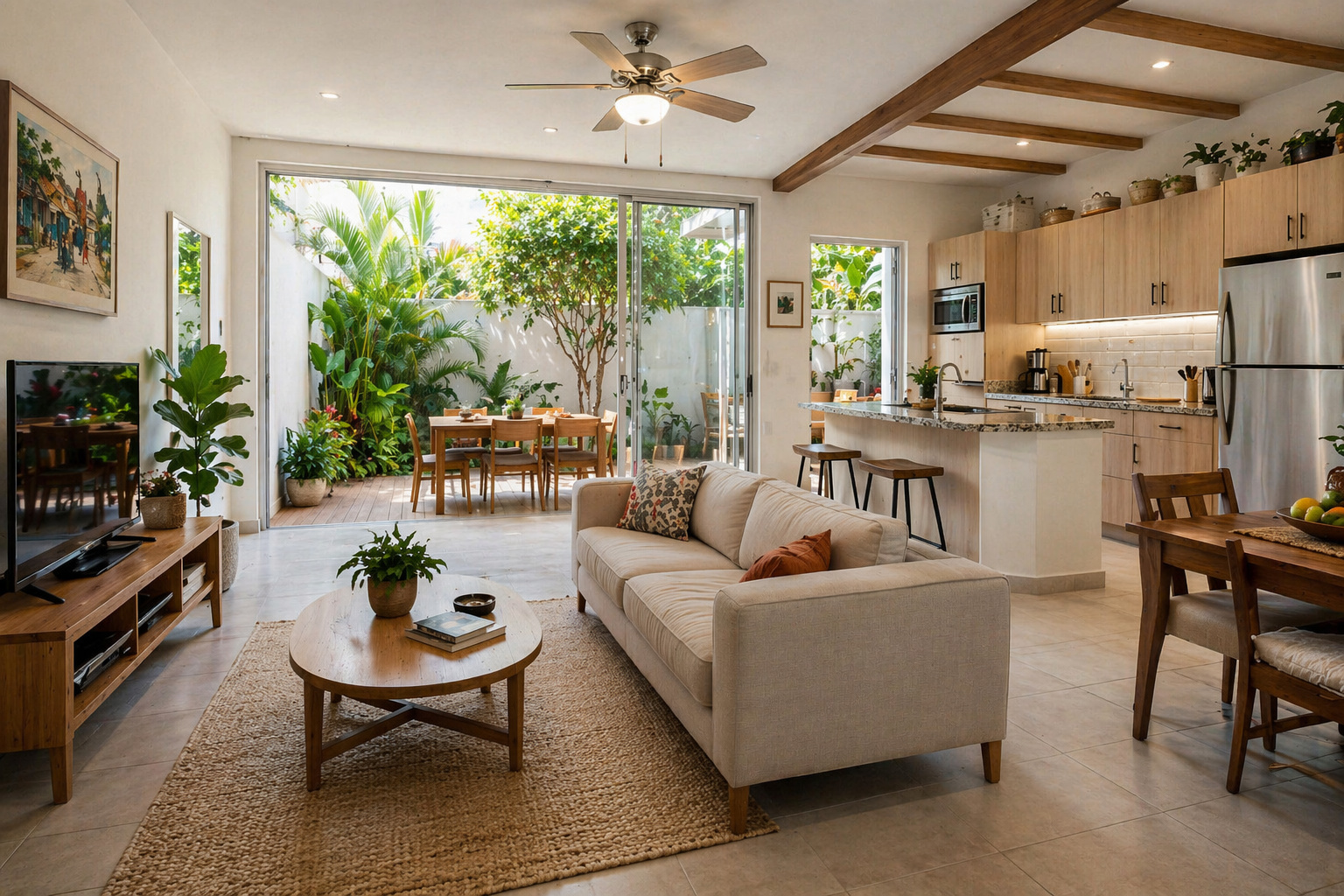
Small house with natural light becomes a trend in sustainable architecture and reveals how smart designs reduce energy consumption and enhance comfort in compact spaces.
-
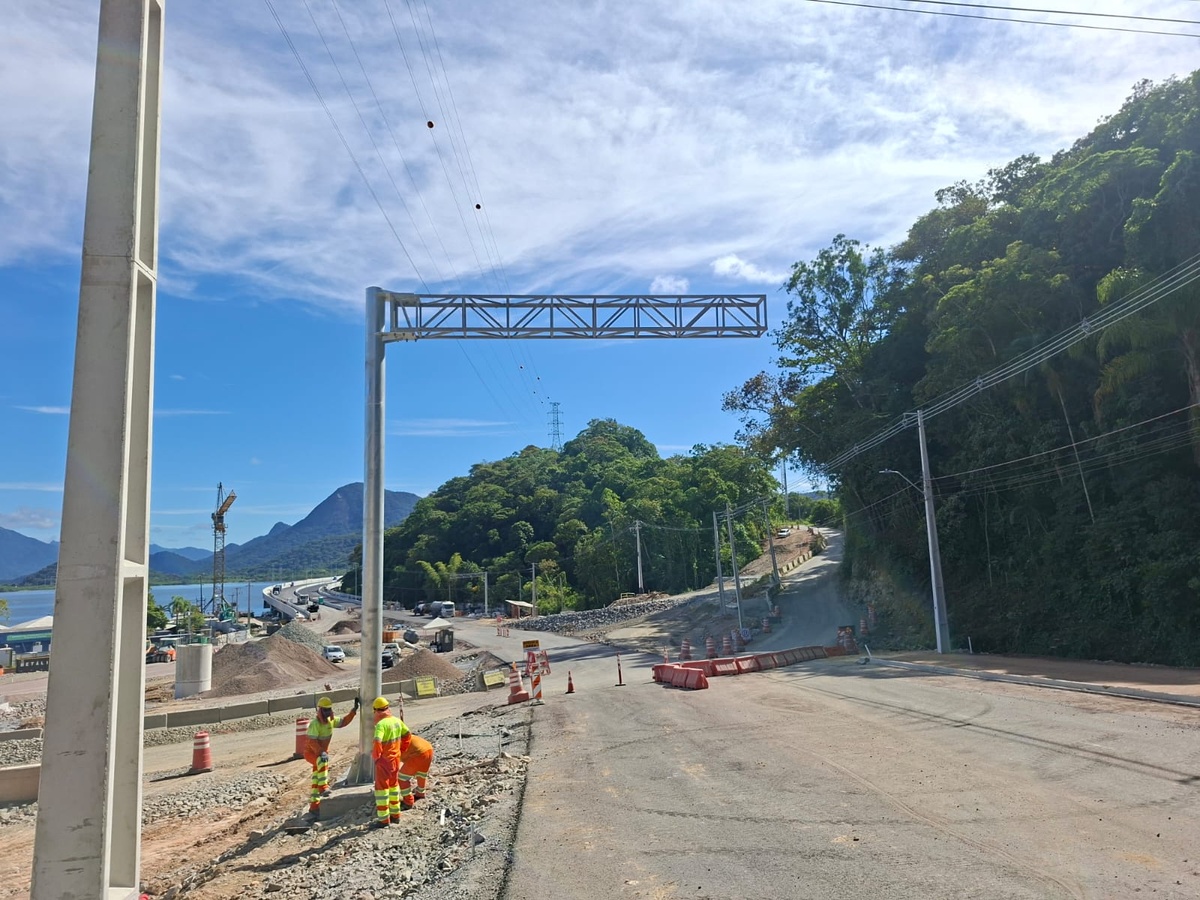
Guaratuba Bridge enters the final phase with high-standard road signage implemented by IASIN and inauguration scheduled for April 2026.
-
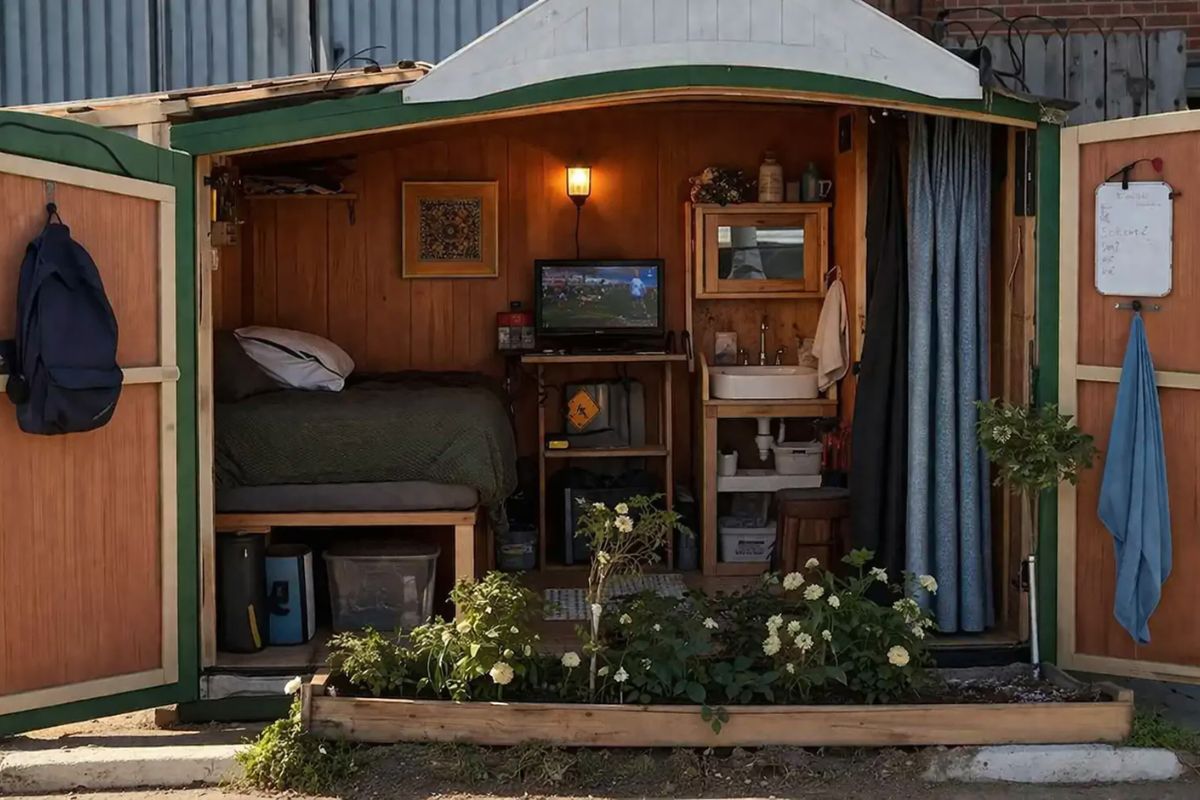
A homeless person in Los Angeles built their own wooden house with a garden at the entrance, a bed, a television, and a bathing area, and is now selling identical mini houses for $150 to other homeless individuals who prefer anything over returning to plastic tents.
Expansion of Line 2-Green Envisions 8 New Stations and 8.3 km of Tracks
Line 2-Green is currently an essential part of the subway network, connecting Vila Madalena to Vila Prudente. With the expansion, the line will advance towards the eastern zone, reaching Penha and eventually extending to the Dutra Highway, connecting to Line 12 of CPTM.
The project adds 8.3 km of new underground tracks and 8 additional stations: Orfanato, Água Rasa, Anália Franco, Vila Formosa, among others. When completed, the extension has the potential to serve around 1.2 million passengers per day, according to estimates from the Metro itself.
This expansion is considered strategic because it is expected to relieve the congestion on Lines 1-Blue and 3-Red, which are currently among the most saturated in the capital. Additionally, the new connection could reduce travel time, offer more routing options, and even contribute to property valuation and the strengthening of local commerce in serviced neighborhoods.
Construction Method and Risks: Why the Work Requires Technical Review
The expansion of Line 2-Green adopts the NATM (New Austrian Tunnelling Method), widely used in urban underground works. It involves excavation in stages, with continuous reinforcements on the walls and ceiling to maintain soil stability.
Although safe, this method relies heavily on accurate reading of the ground and quick responses from the technical team to any signs of instability. This is precisely where questions arise: the fissures reported by residents of Vila Formosa raised doubts about the effectiveness of monitoring and the adequacy of the measures taken so far.
The work also includes ventilation shafts, emergency exits, and auxiliary structures, which are fundamental elements to ensure the safety and functioning of the system.
According to a mid-2024 report, the works were making significant progress: active construction sites, ongoing excavations, and the construction of the tunnel linking the existing stretch to the future expansion after the Vila Prudente station. Therefore, the suspension interrupted a process that was already gaining momentum.
Comparison with Other Works and Next Steps for Resumption
The case of Line 2-Green reignited the discussion about the difference between projects that advance without major incidents and others that face delays and structural problems.
Line 6-Orange, for example, also in urban excavation, uses a mixed approach: tunnel boring machines (TBM) combined with real-time monitoring of soil movement. This combination allows for the identification of minimal displacements and taking preventive actions.
Outside Brazil, the Lisbon Metro has also shown positive results by using geotechnical sensors distributed along the route, reducing the risk of damage to nearby constructions.
In contrast, the 2007 accident on Line 4-Yellow demonstrated the consequences of containment failures and communication issues between different work fronts. Since then, underground works have required specific insurance, evacuation plans, and stricter oversight.
For Line 2-Green, the current suspension may represent an opportunity for technical review. Among the next steps are: strengthening dialogue with residents, expanding the monitoring network, reviewing construction methods, and ensuring clear repair plans for affected properties.
Direct Impact on the Population and What to Expect from Resumption
With the works halted, the expected gains from the expansion are on hold. The expectation was to reduce overcrowding on the main lines, decrease transfers, and shorten routes for those living in the eastern zone.
Neighborhoods such as Vila Formosa, Anália Franco, and Aricanduva would be directly benefited, both in terms of mobility and economic impacts, such as real estate appreciation and increased dynamism in local commerce.
From an environmental perspective, the expansion also brings positive prospects: the replacement of routes currently made by buses or cars could reduce emissions of pollutants, even though there is no public report with detailed numbers on this estimate.
The resumption, therefore, depends on technical adjustments and negotiations, but remains essential for the future of mobility in São Paulo.
And you? As a citizen, what do you consider most urgent for the safe resumption of Line 2-Green: more technological monitoring, immediate repair of affected properties, or complete transparency of technical reports?
Leave your opinion in the comments.




Tem sido lastimável o que o atual governador Tarcísio tem posto em risco a vida dos passageiros do metrô. Material de péssimas condições nas construções.