





 Portuguese
  English
  Spanish
  3 min of reading
  0 comments


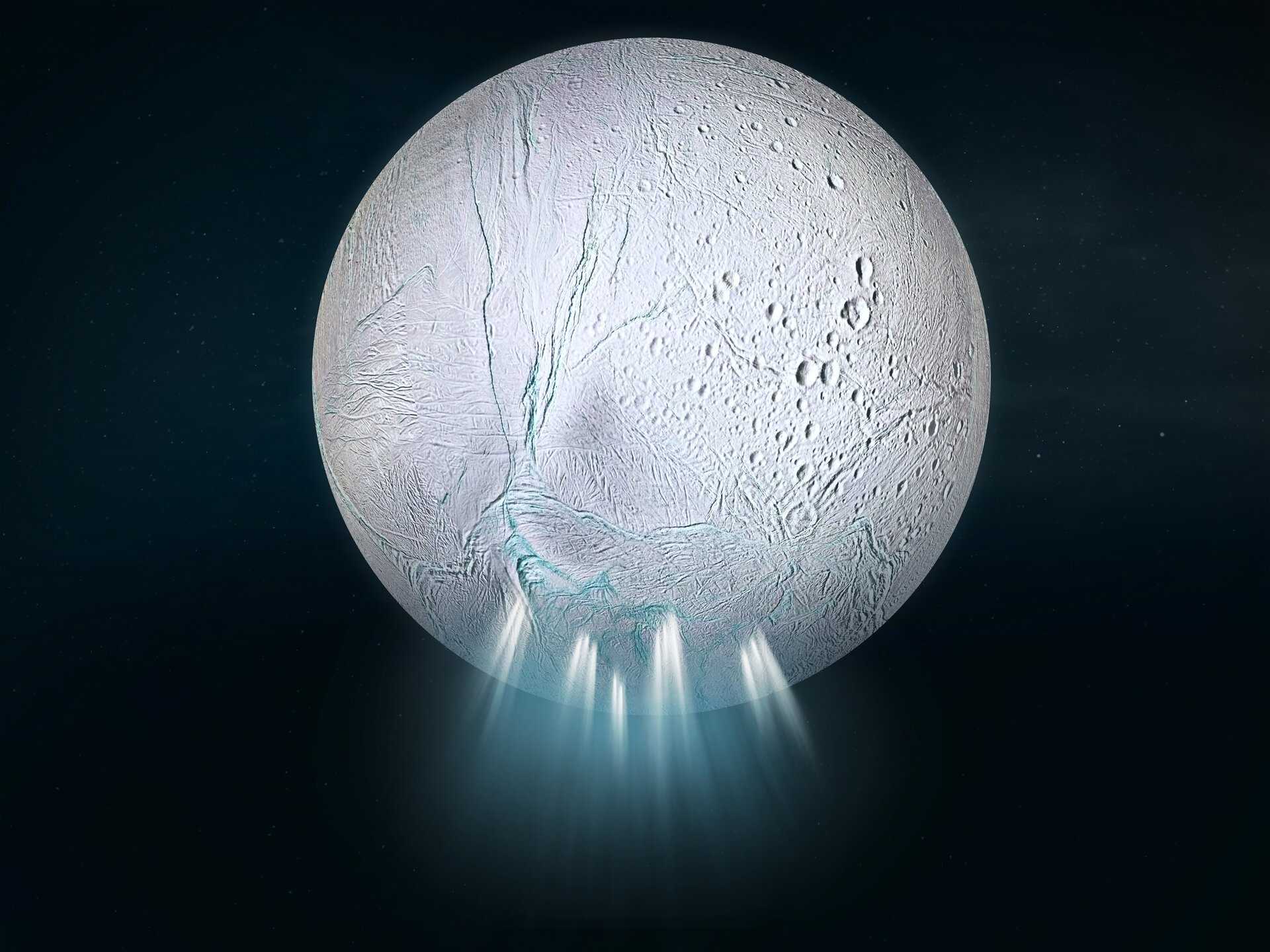
Discovery Strengthens Hypothesis of Subsurface Ocean on Enceladus, with Chemical Compounds Essential to Life and ESA Plans for Mission in 2040.
For almost two decades, Enceladus, one of Saturn’s icy moons, has intrigued scientists around the world. The initial discovery made by the Cassini probe in 2005 showed plumes of ice erupting from the moon’s south pole and spreading into space.
Since then, the mystery of what lies beneath the frozen crust has grown, along with the evidence that the location may, in fact, offer conditions for life.
Plumes Reveal Subsurface Ocean
The images captured by Cassini during its first pass by Enceladus revealed geysers spewing ice thousands of kilometers from the surface.
-
They seemed like common bones, but scientists were surprised to find a relic over 12,000 years old that dates back to before the Bronze Age.

-
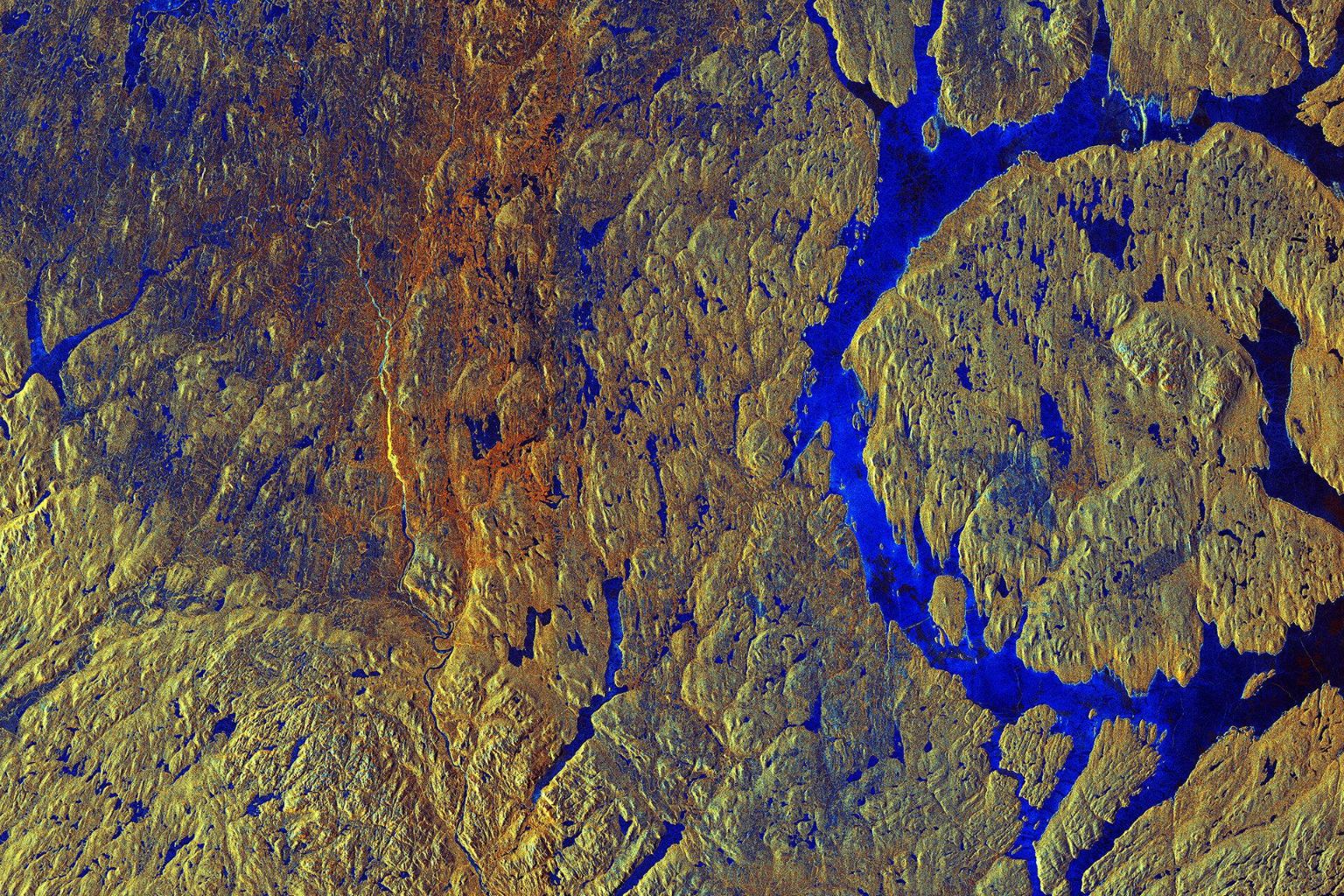
With an almost perfect ring of 70 km visible from space, known as the “Eye of Quebec” and over 100 km in length, the Manicouagan Crater in Canada reveals the colossal mark left by a giant asteroid and has become one of the most impressive formations ever identified on the Earth’s surface.
-
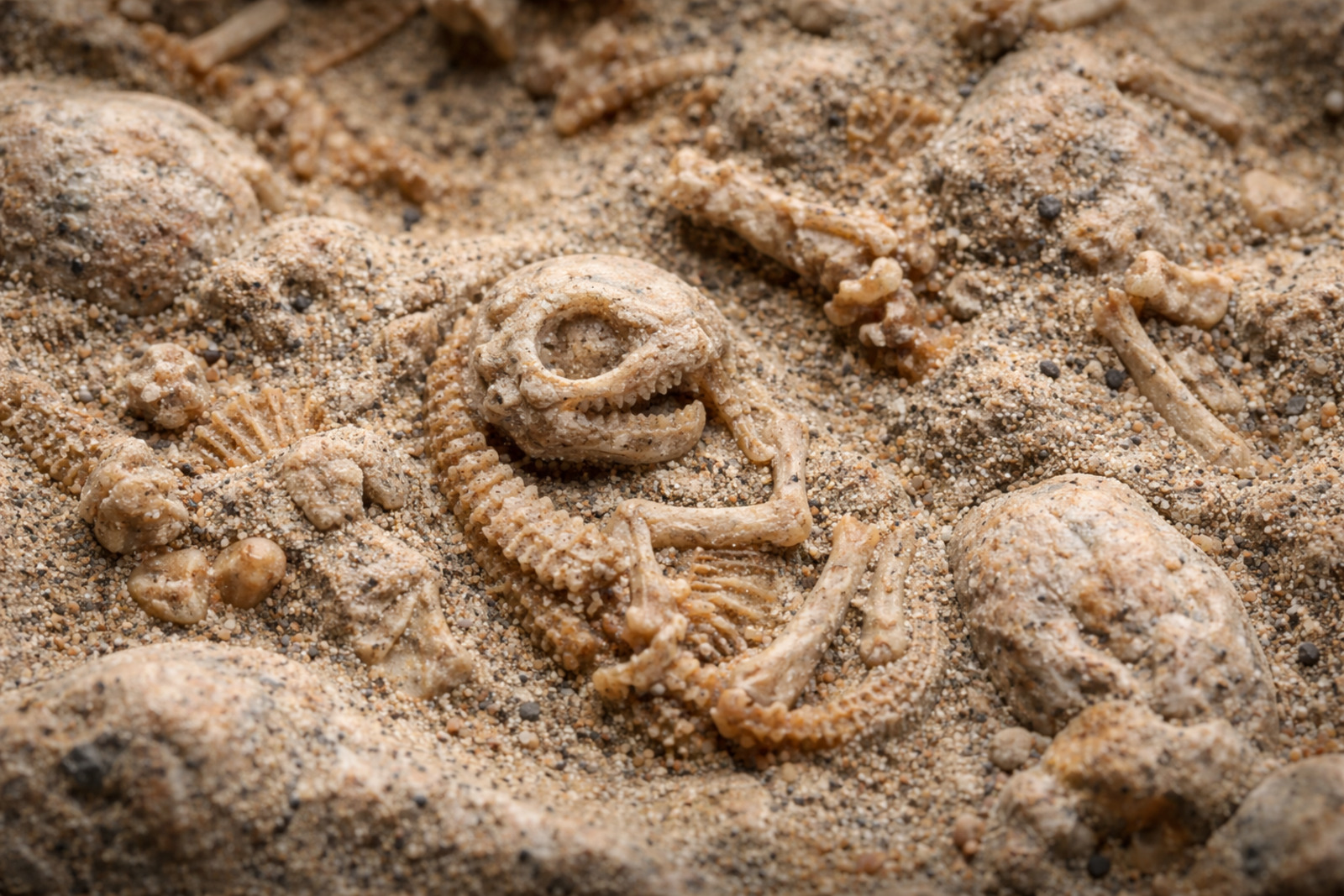
Scientists have found in China dinosaur embryos dating back 190 million years in various stages of development, and the discovery still preserves traces of extremely rare proteins in the bones, something that could change what is known about life before hatching.
-
The CEO of Honor in Spain says that smartphones will change with AI, foldables, and even robot phones; the component crisis is making cheap models more expensive in 2026 and shifting the focus to premium.

This activity suggested the existence of a vast ocean of salty water hidden beneath the frozen layer. From there, scientists began to analyze in more detail the chemical composition of this material.
In 2021, an international team stated that the amount of methane present in the plumes made the potential for life on the moon “very likely.” Now, a new analysis further deepens this hypothesis by finding complex organic molecules among the ice grains.
Ice Grains Analyzed by Cassini
The recent data were obtained from ice grains captured by Cassini’s Cosmic Dust Analyzer (CDA) in 2008. These fragments, recently erupted by the geysers of Enceladus’s south pole, were the freshest ever collected by the mission.
Unlike previous analyses, which were based on particles that had been circulating for months or even years in Saturn’s E ring, this collection ensured greater fidelity regarding the chemical composition of the material.
While the older grains may have been altered by radiation, the newer ones preserved characteristics that clearly indicate the presence of organic molecules. The comparison of the two types of data strengthened the conclusions about the chemical richness of Enceladus.
Organic Molecules Detected
The study, published in the journal Nature Astronomy, details the discovery of substances such as esters, aliphatic alkenes, (hetero)cyclic compounds, ethers, as well as molecules containing nitrogen and oxygen. For scientists, these chemical structures are essential because they participate in reactions that form even more complex molecules, fundamental to organic life.
The evidence does not confirm the existence of life on Enceladus, but it shows that part of the “raw material” needed is already present. This reinforces scientific interest and plans for future missions to the natural satellite.
Mission of the European Space Agency
The European Space Agency (ESA) recently announced plans to send a mission to Enceladus in the 2040s.
The project envisions launching an orbiter to study the plumes in detail, as well as a lander module to observe the surface up close. The initiative seeks to answer one of science’s greatest questions: whether life exists beyond Earth.
In the meantime, researchers continue revisiting the vast database collected by Cassini.
According to Nozair Khawaja, lead author of the study, there is still much more to explore. He emphasized that the molecules found may be linked to biologically relevant compounds, which increases the likelihood of Enceladus being habitable.
Expectations for New Discoveries
The interest in Enceladus has grown because the satellite combines conditions reminiscent of terrestrial environments conducive to life.
The subsurface ocean, the detected organic compounds, and the active geological activity are factors that make the moon one of the most promising targets for future exploration.
Although the confirmation of life is still far off, each discovery brings science closer to an answer. Scientists emphasize that, even without living organisms, the conditions on Enceladus already represent a natural laboratory for understanding how life might arise on other worlds.
Thus, Saturn’s small icy moon continues to fuel great expectations for the future of space exploration and the search for life beyond Earth.







Seja o primeiro a reagir!