





 Portuguese
  English
  Spanish
  3 min of reading
  0 comments


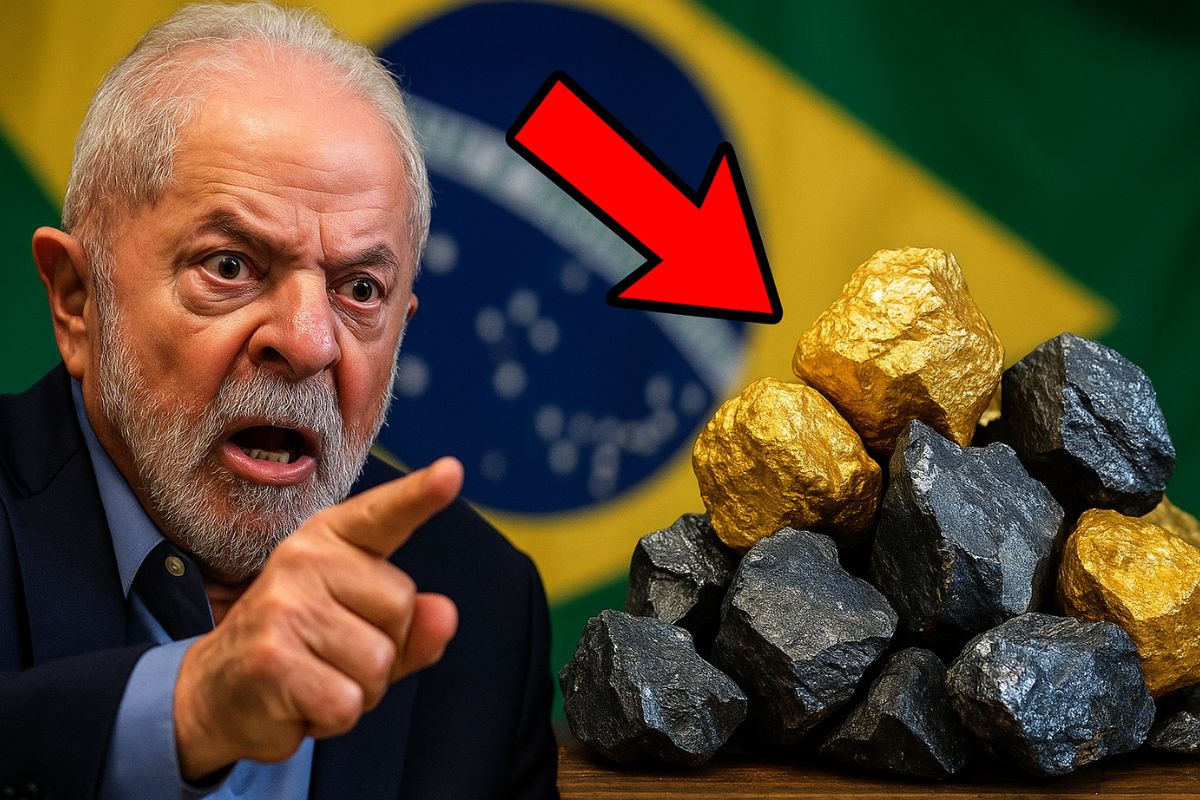
President Defends Sovereignty Over Strategic Resources and Says Brazil Knows Only 30% of Its Mineral Wealth
During a speech at the Porto do Açu (RJ), President Luiz Inácio Lula da Silva announced the creation of a commission to map critical minerals in Brazilian territory. The measure aims to identify and control strategic resources such as lithium, rare earths, cobalt, and nickel, essential for sectors like energy, technology, and defense.
According to the president, Brazil is still unaware of about 70% of the mineral potential present in its subsurface. The commission to map critical minerals will operate under the coordination of the federal government and is expected to increase state control over the exploration and commercialization of these raw materials deemed fundamental to the new global economy.
Government Aims to Prevent Mineral Wealth from Falling Into Foreign Hands
Lula’s remarks occurred this Monday (28) during the inauguration of the GNA II Thermal Power Plant. The president criticized the interest of the United States in Brazil’s strategic minerals and asserted that any mineral discovery must be subject to state authorization and regulation.
-
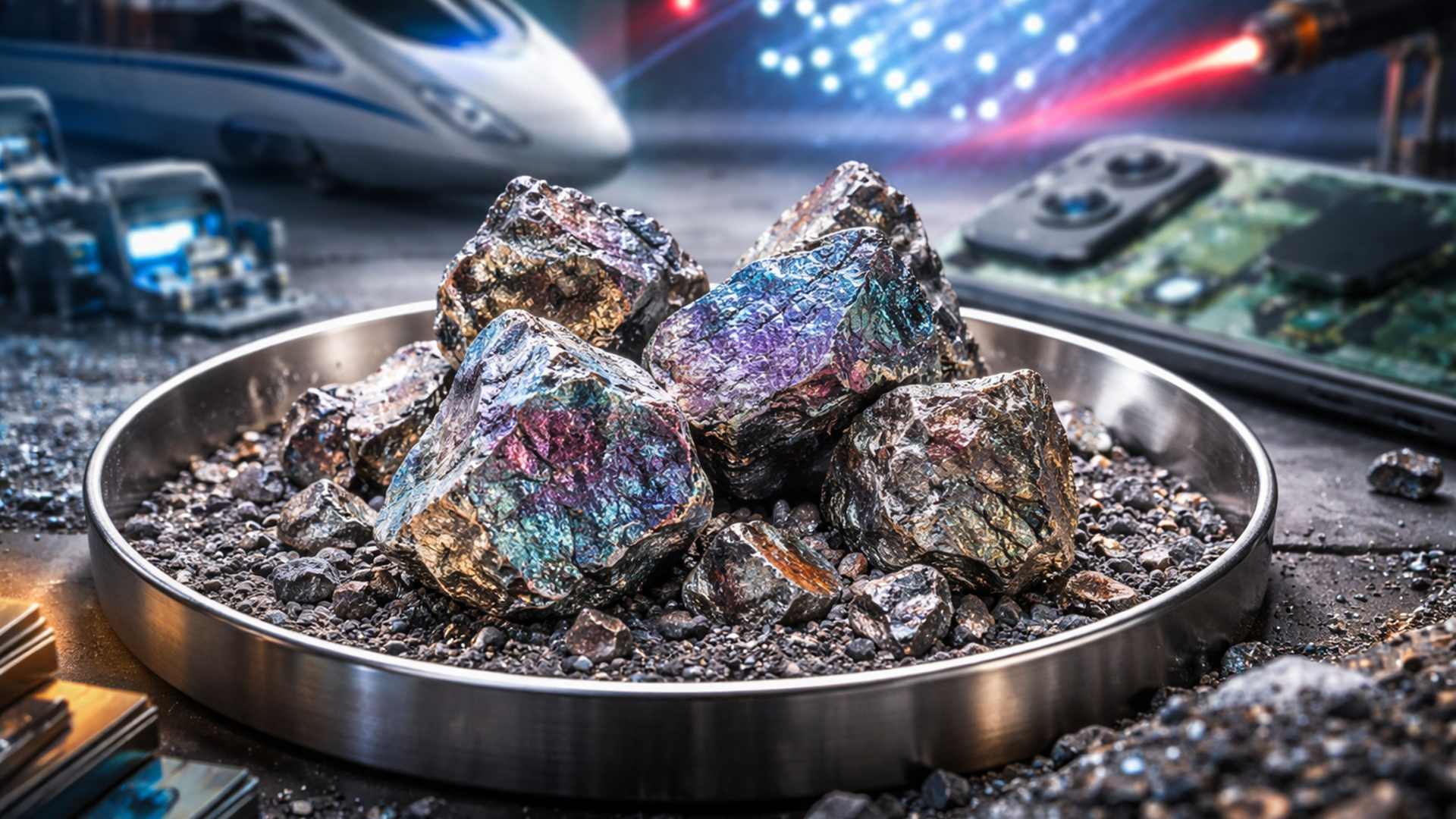
Rare earths are in everything, from cell phones to bullet trains, and what almost no one realizes is why they have become the target of such a delicate global war.
-
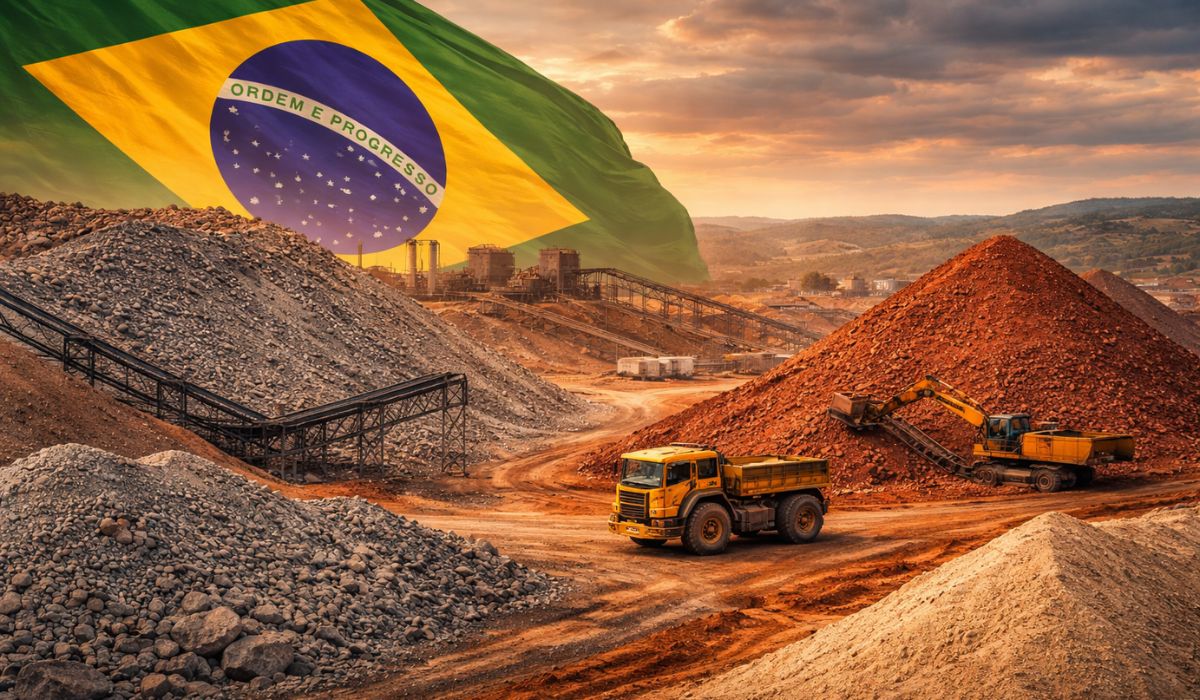
Brazil extracts 26.3 million tons of ore from what was previously treated as waste, transforming residues into wealth, producing over 3 million tons of sand, and demonstrating how national mining is relearning to generate value.
-
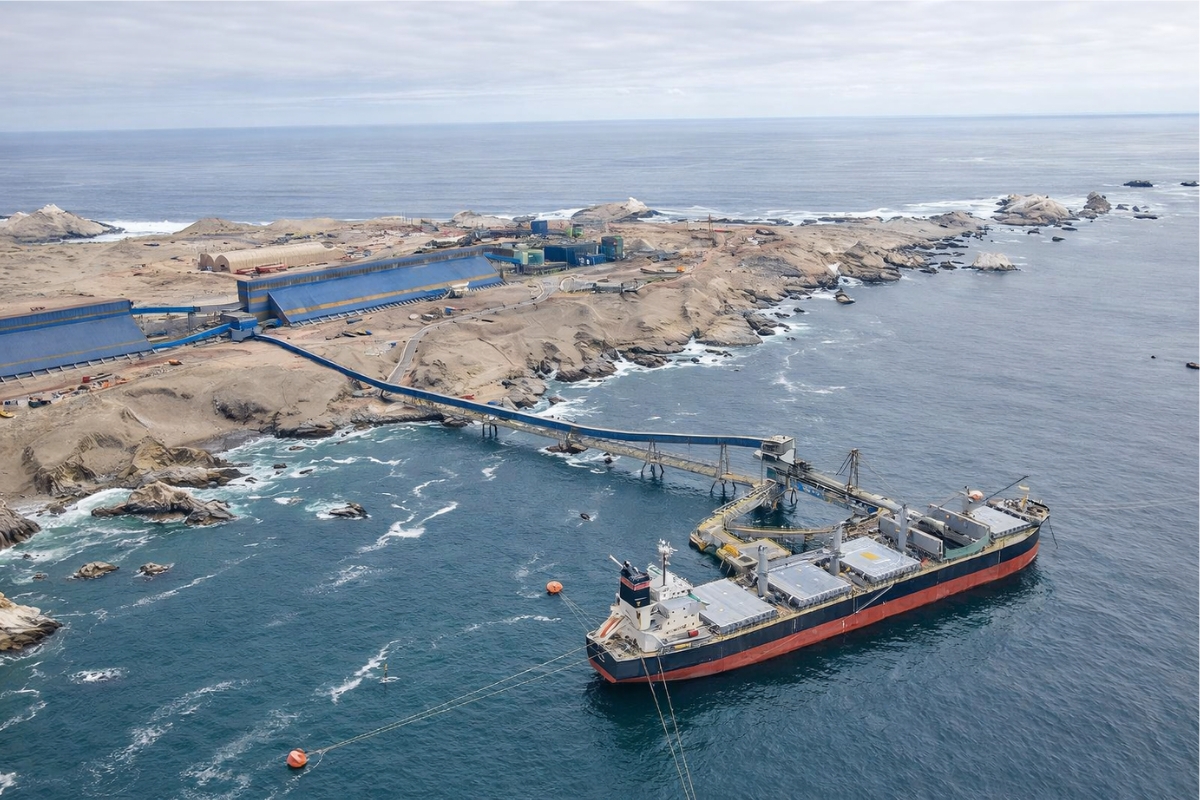
A $3.5 billion megaproject in Latin America pumps desalinated seawater at 1,050 liters per second over 194 km to keep a copper supermine in the Andes operational for another 20 years.
-
A hidden mine in the Andes valued at nearly R$ 1 trillion is starting to attract global attention, containing copper, gold, and silver, and raises an intriguing question: why do Argentina and Chile need to act together to exploit this gigantic wealth?
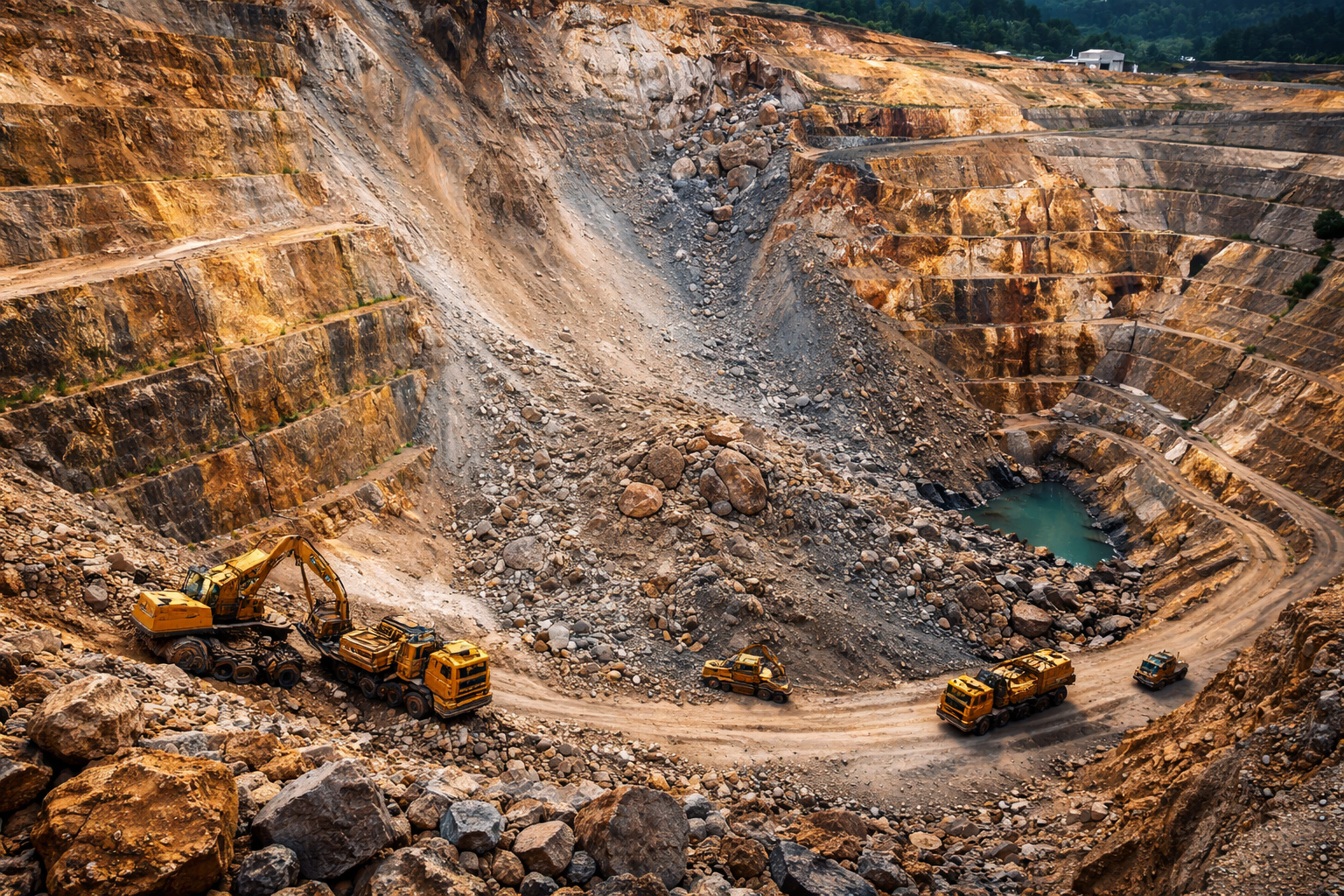

“If I don’t even know this mineral and it’s already critical, I’ll take it for myself. That is ours,” he declared. The focus of the commission will be to ensure that private companies do not have unrestricted freedom to negotiate areas with mineral potential, without official validation first. “The company can research, but it cannot sell without discussing it with the government,” Lula added.
The survey will have national coverage and involve agencies such as the National Mining Agency (ANM), the Ministry of Mines and Energy (MME), and the Energy Research Company (EPE). The goal is to build an updated database on the presence and viability of strategic minerals in the country.
Critical Mining Involves Geopolitical Dispute and National Sovereignty
The discussion about critical minerals has gained momentum in international forums since the pandemic and the energy transition. These materials are essential inputs for batteries, turbines, and semiconductors, and the global dependence on China, the largest producer of rare earths, has driven powers like the U.S. and the European Union to seek supplier diversification.
Lula cited U.S. interest in Ukraine’s natural resources as an example and warned that Brazil needs to protect its own assets to avoid losing industrial and technological autonomy. “We only want to ensure that what is ours generates wealth for the Brazilian people,” he stated.
Currently, Brazil is already among the world’s largest producers of niobium, graphite, manganese, and lithium, but a large part of this wealth is extracted with low added value and exported in bulk. The new commission aims to reverse this scenario and promote a policy of industrialization based on strategic resources.
Commission to Map Critical Minerals Could Change National Strategy
Industry experts view the creation of a technical group focused on critical minerals positively, but warn of the need for planning, transparency, and integration with the private sector. According to data from the ANM, Brazil has more than 22,000 active mineral research applications underway, but there is a lack of structure to supervise and monitor many of these processes.
Additionally, the international appreciation of critical minerals is expected to accelerate the global race for contracts and concessions. Controlling this exploitation requires geological intelligence, investment in technology, and national content policies, similar to those applied in countries like Australia and Canada.
The presidential proposal that “what is underground belongs to the Brazilian people” reinforces the tone of sovereignty but also demands a robust institutional structure to ensure that this directive is translated into state policy — and not just rhetoric.
Do you agree with the creation of a commission to map critical minerals? Is Brazil prepared to protect its wealth? Comment below.





-

-

4 pessoas reagiram a isso.