





 Portuguese
  English
  Spanish
  3 min of reading
  0 comments



Change Signed by Lula Prevents Future Administrations from Altering the Rural Credit Program by Decree, Transferring the Decision to Congress.
President Luiz Inácio Lula da Silva (PT) signed, this Tuesday (30), the law that transforms the Pronaf (National Program for Strengthening Family Agriculture) into a permanent state policy. As reported by CNN, the measure elevates the program’s status, which, along with the Family Agriculture Harvest Plan, now has the force of law, ceasing to be regulated solely by presidential decrees.
In practice, this change represents an institutional shield for the credit program. Until now, the Pronaf was vulnerable to drastic changes or even extinction by a simple decision from the President of the Republic. With the new legislation, any future modification to the program’s rules, guidelines, or budget will require broad debate and approval from Congress, ensuring greater stability and predictability for millions of rural producers.
The End of Vulnerability by Presidential Decree
The main justification for the change, argued by the project’s author, Senator Beto Faro (PT-PA), was the need to prevent “setbacks” and ensure the continuity of the Pronaf as a pillar of agricultural development. According to CNN, the senator emphasized in his proposal that the law seeks to provide “specific legal backing for the Pronaf, its purposes and guidelines, ensuring reference and relative institutional stability for the functioning of the program,” protecting it from the political fluctuations of each government.
-
With the arrival of Law 11.788, internships are now recognized as professional experience.

-
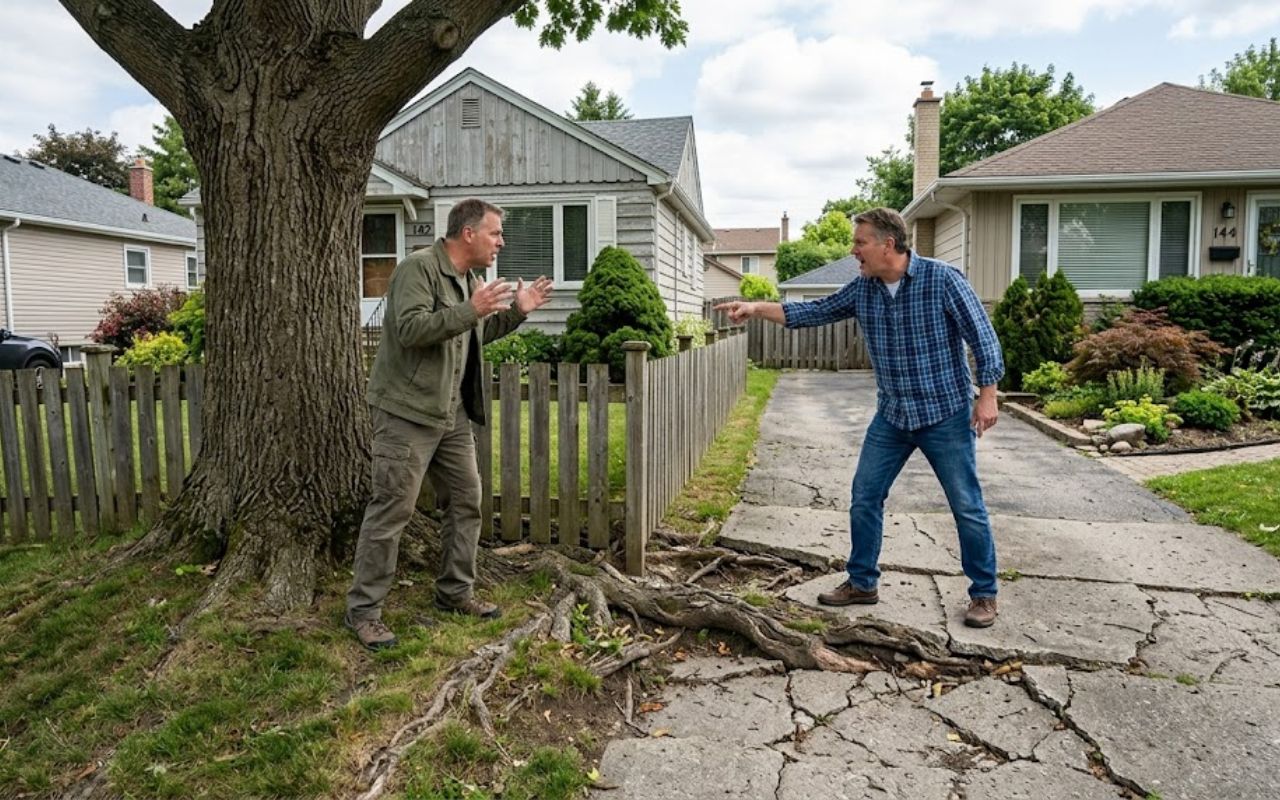
The Brazilian Civil Code states that a property owner has the right to cut the roots of a neighbor’s tree that invade their land, as long as it does not harm the tree itself. The owner must notify the neighbor before taking such action.
-
Engineer is sentenced to repay R$ 148 thousand after holding public positions in three municipalities in Rondônia with incompatible schedules, and the decision is upheld by the Court of Justice.

-
Chamber approves project that creates mandatory Life Insurance for police officers, firefighters, guards, and traffic agents.

Direct Impact on Family Agriculture: More Security and Planning
For the family farmer, the law’s approval means, above all, legal security and the ability to plan for the long term. With the certainty that credit lines and support policies will not be suddenly changed, producers can invest with more confidence in machinery, technology, soil correction, and production expansion. This stability is essential for a sector that operates with long cycles and relies on predictability to thrive.
In addition to the individual impact, the consolidation of the Pronaf as a state policy strengthens the entire food production chain in Brazil. Family agriculture is responsible for a significant share of the food that reaches the population’s table, and ensuring its strengthening is strategic for the country’s food security. The new law solidifies the foundations for the program to continue financing harvests, promoting the transition to more sustainable practices, and generating income in the countryside.
The Political Articulation Behind the New Law
The signing ceremony, which was attended by Lula and the Acting President of the Chamber of Deputies, Hugo Motta (Republicanos-PB), symbolizes the political support that the agenda has garnered. The approval in Congress and the presidential sanction indicate a consensus on the strategic importance of the Pronaf, treating the program not as a policy of a specific government, but as an asset of the state.
At the same event, as disclosed by CNN, the president also signed another relevant project: the creation of the National Policy to Combat Food Loss and Waste. The initiative, which establishes a seal for food donors, reinforces the government’s agenda focused on food security, indirectly connecting to the objectives of sustainable production encouraged by the Pronaf.
The transformation of the Pronaf into law represents, therefore, a milestone in Brazilian agricultural policy. The change transfers the decision-making power regarding the future of the program from the Executive to the Legislative, promising more stability and protecting family farmers from abrupt changes. It is a structural change aimed at consolidating decades of investments in the sector.
Do you agree with this change? Do you think it impacts the market and brings more security for the producer? Leave your opinion in the comments, we want to hear from those who live this firsthand.









Seja o primeiro a reagir!