Portuguese
  Spanish


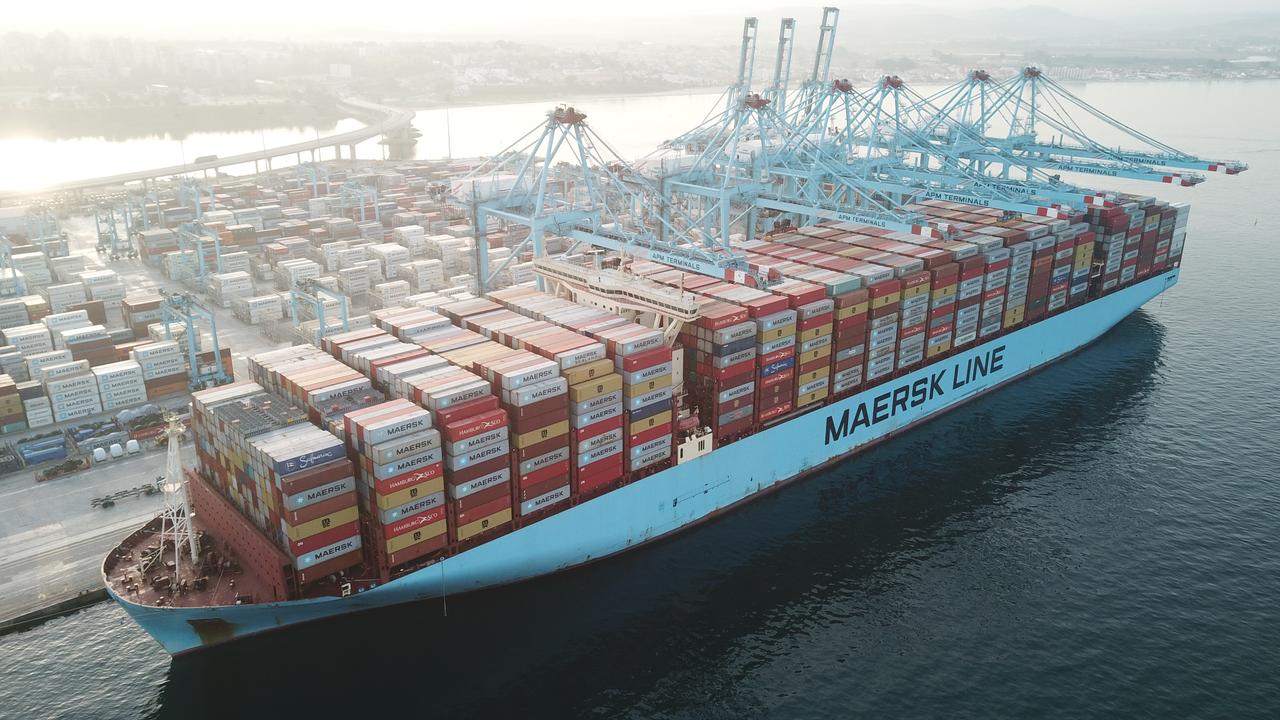

The Perspectives of the Global Logistics Chain Were Addressed by the CEO of Maersk on the East Coast of South America, Julian Thomas, in a Virtual Meeting with Journalists on the Morning of Wednesday (08). On this occasion, the executive Spoke About the Giant’s Initiatives in International Logistics and the Current Scenario of the Sector.
But before talking about the perspectives of the global logistics chain, it is necessary to discuss the so-called container crisis that has recently made headlines and sparked debates. For Julian Thomas, an executive at Maersk, the container crisis is a symptom of something much larger and related to the Covid-19 pandemic. This article is based on a press conference that Portal CPG – Click Petroleum and Gas attended on December 08, 2021.
In China, for example, there was the closure of ports and factories as early as the beginning of 2020, with an abrupt 30% drop in demand worldwide. With the lockdowns, there was less need for maritime transport services.
However, subsequently, the recovery came faster than expected. There was a backlog of demand that required logistical infrastructure.
-
They exchanged the idea of a large house for a 35 m² warehouse, spent US$ 12,000 on the structure, and created a tiny house in Colorado with space to live and work.

-
The Port of Itaqui closes the best first semester in history with over 17 million tons and takes off as the locomotive of the Northern Arc.

-
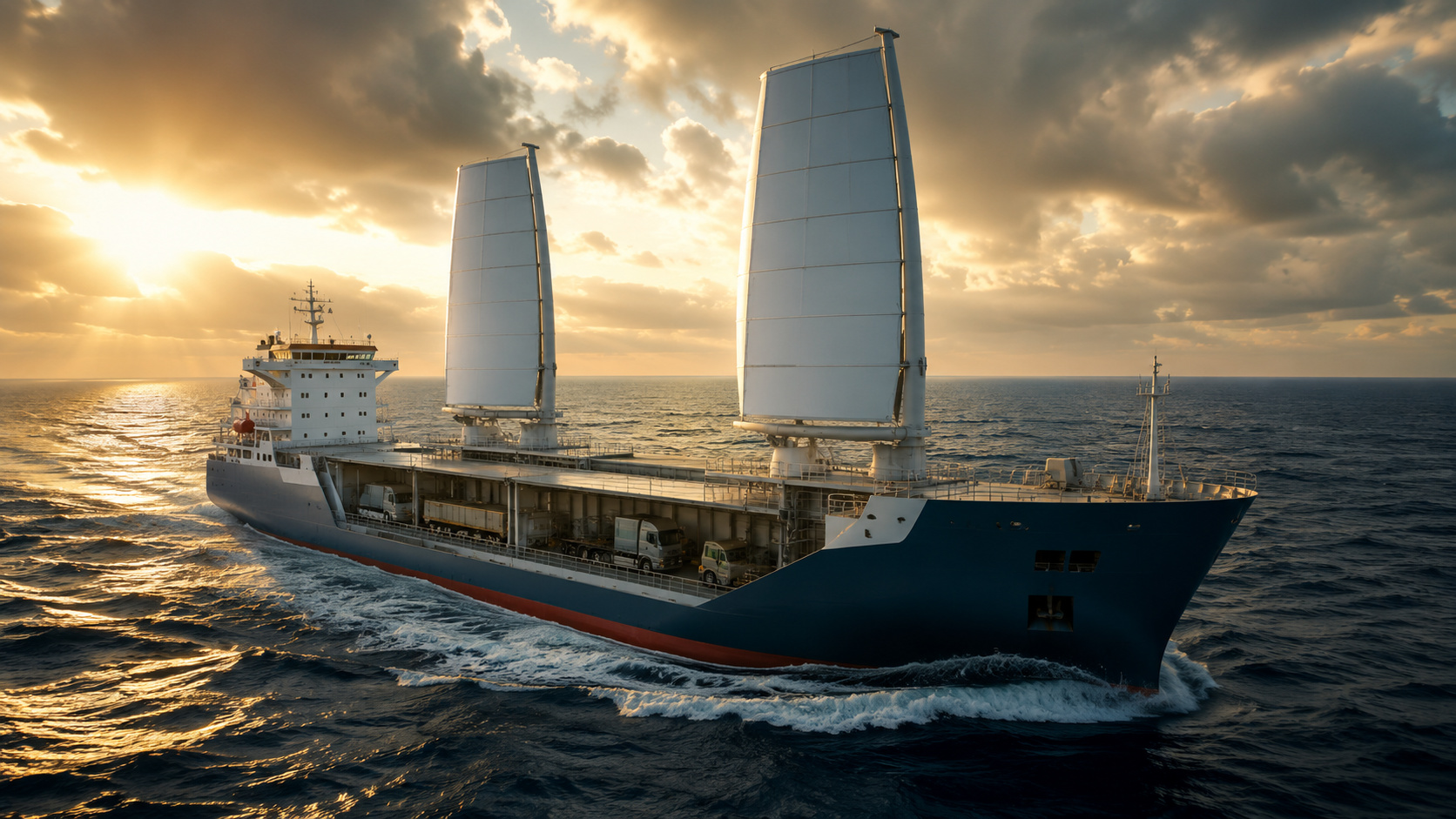
With two giant sails instead of relying solely on the engine, a modern cargo ship crosses the Atlantic carrying cars, forklifts, and goods to test using less diesel in maritime transport.
-
While modern cities rely on pumps and electricity, in Iran, ancient tunnels carried water through the desert using only slope and gravity.


There was an increase in eCommerce concerning consumer goods, encouraged by federal government assistance. In other words, the resumption of production combined with the accumulated demand resulted in the saturation of the available logistics infrastructure.
It Is Still Unknown Whether the Pandemic Will Continue to Bring Losses to the Global Logistics Chain
The pandemic is still far from over. Its impacts on various sectors of the economy are likely to last for years. The recovery is underway and generating positive results.
However, due to the emergence of the new Omicron variant, there are already threats of closures or non-reopenings of borders, in addition to reports of localized lockdowns, such as in China, which has been implementing them in certain regions due to its strict restriction policy.
For Julian Thomas, these restrictions could bring new impacts to the global logistics chain, as the system is fully interconnected. However, it is not yet possible to assess these logistics chain perspectives specifically.
“The new variant is yet another example of an event that can impact, but it is still early to evaluate how it will affect the logistics chain. Anything that happens in the chain, which is already stressed, can have a global impact”.
Julian Thomas Evaluates
You Might Also Be Interested
- Giant Maersk and TPAR Signed an Agreement on Monday (29/11) to Transform the Port of Angra dos Reis into One of Brazil’s Main Offshore Support Bases
- Maersk and The Ocean CleanUp Validate Technology Capable of Cleaning Rivers and Oceans to Achieve a 90% Reduction in Floating Ocean Plastic by 2040
Perspectives and Actions of the Logistics Chain for 2022
For the year 2022, Maersk believes in a more prepared market, with a 22% increase in ship capacity in the global market. The delivery of new ships is scheduled for the period from 2021 to 2025, with a higher volume in 2023.
Maersk is also purchasing new containers and bringing empty ones back into circulation. The goal is to reduce the time a container takes to leave and return from the port, gaining more agility in the process.
The volume of demand is expected to remain at current levels from the second half of 2021, with a forecasted increase of between 2% and 4% in 2022.
“There is a crisis, the effects continue to be strong, the export appetite of the Brazilian market is more than the capacity at the moment, but we are managing to partially meet the unexpected demand”
Julian Thomas States