





 Portuguese
  English
  Spanish
  4 min of reading
  0 comments


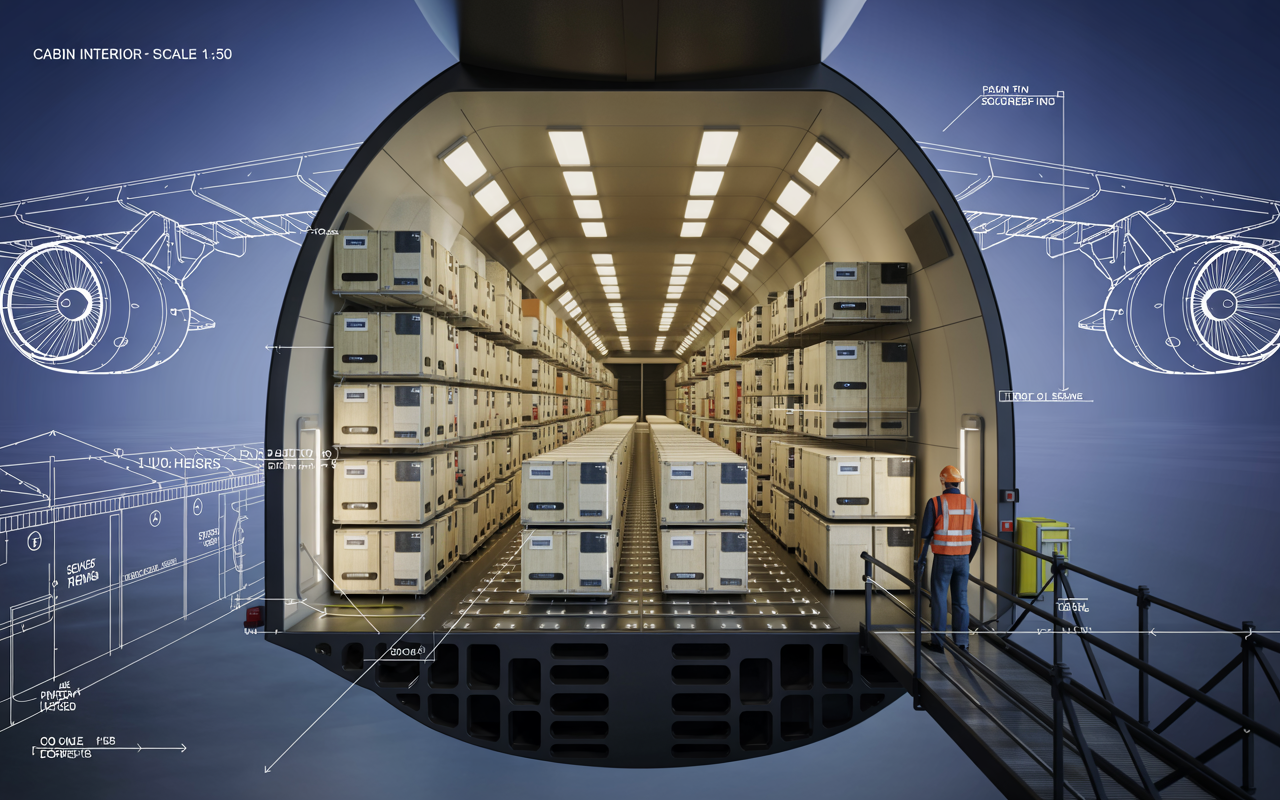
Akaer Was Chosen to Develop the Cabin of WindRunner, the Largest Cargo Aircraft in the World, with 108 Meters and Capacity for 80 Tons of Useful Load.
Brazilian engineering is leaving its mark on the largest airplane in the world. Akaer, a company headquartered in São José dos Campos (SP), was chosen to develop the pressurized cabin of WindRunner, a giant aircraft with an impressive length of 108 meters, capable of transporting up to 80 tons and operating on short, unpaved runways.
The announcement was made during the Paris Air Show, one of the largest events in global aviation, where Akaer and RADIA, the American company responsible for the WindRunner project, formalized a partnership that places Brazil at the center of one of the most ambitious projects in modern aviation.
According to RADIA, WindRunner is being developed for strategic missions in areas such as energy, defense, disaster response, and aerospace transport, with an innovative air mobility proposal that does not rely on large airports. And in this colossal project, the cabin will be 100% developed in Brazil.
-
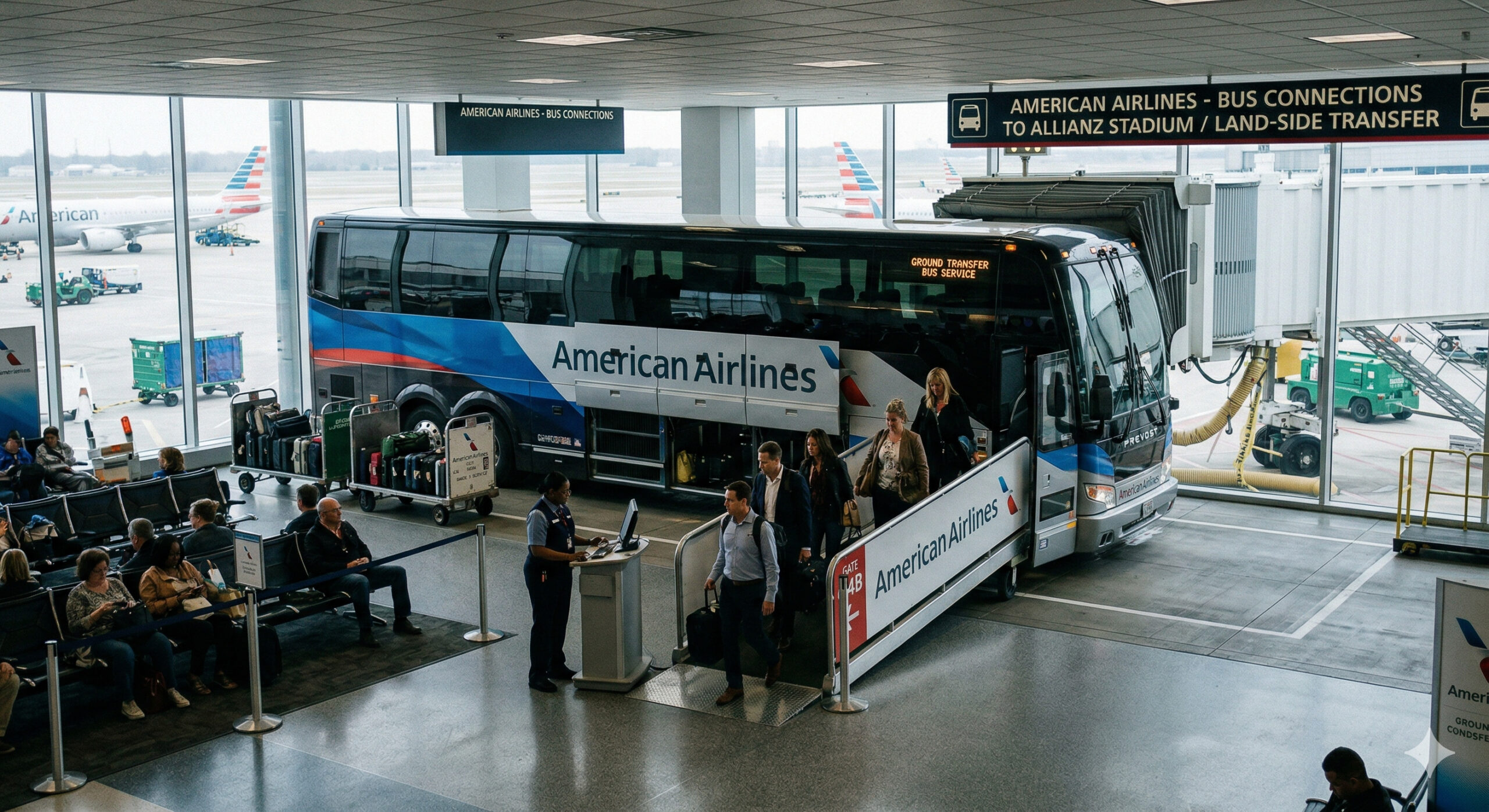
American Airlines starts selling trips as if they were flights, with check-in and baggage check at the airport, but on short routes, passengers board luxury buses connecting cities to major hubs in the U.S.
-
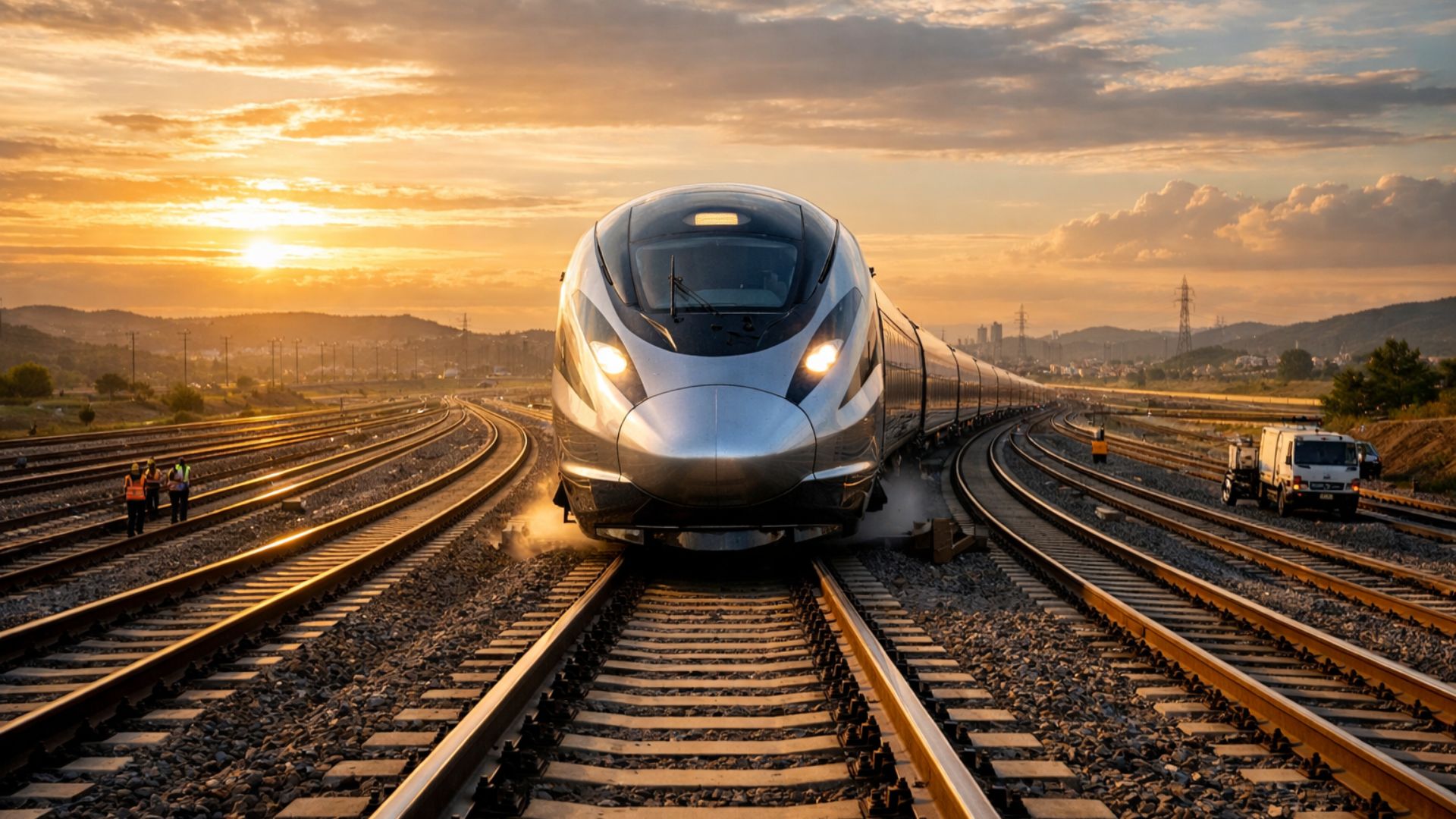
São Paulo surprises the world with a colossal railway network project that promises over 1,000 km of tracks, R$ 194 billion in investments, and 40 projects connecting the capital to the interior with fast and sustainable trains.
-
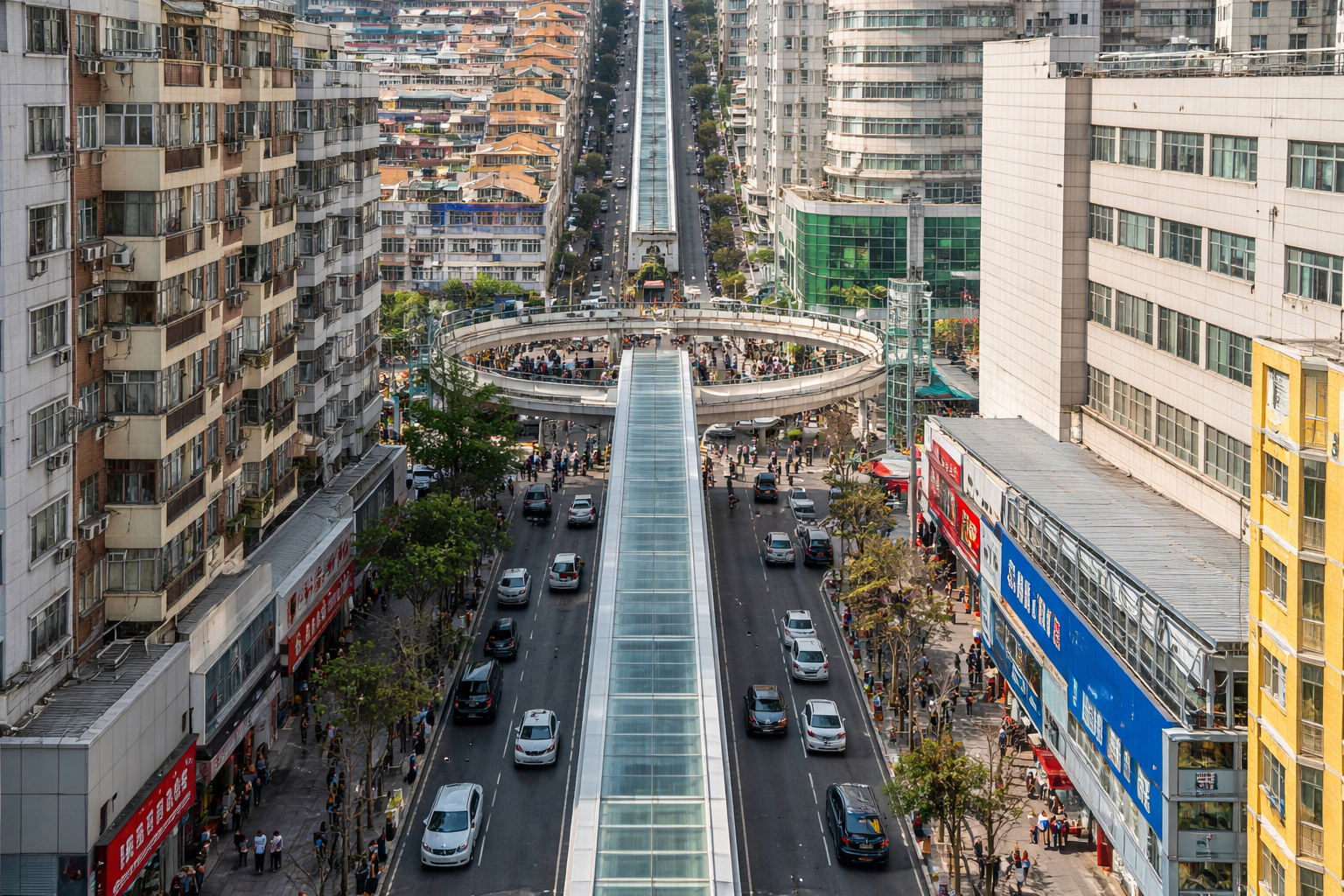
The world’s largest escalator, measuring 905 meters in China, reduces urban travel time from 1 hour to about 20 minutes and transforms mobility in mountainous regions with an engineering solution adapted to the terrain.
-
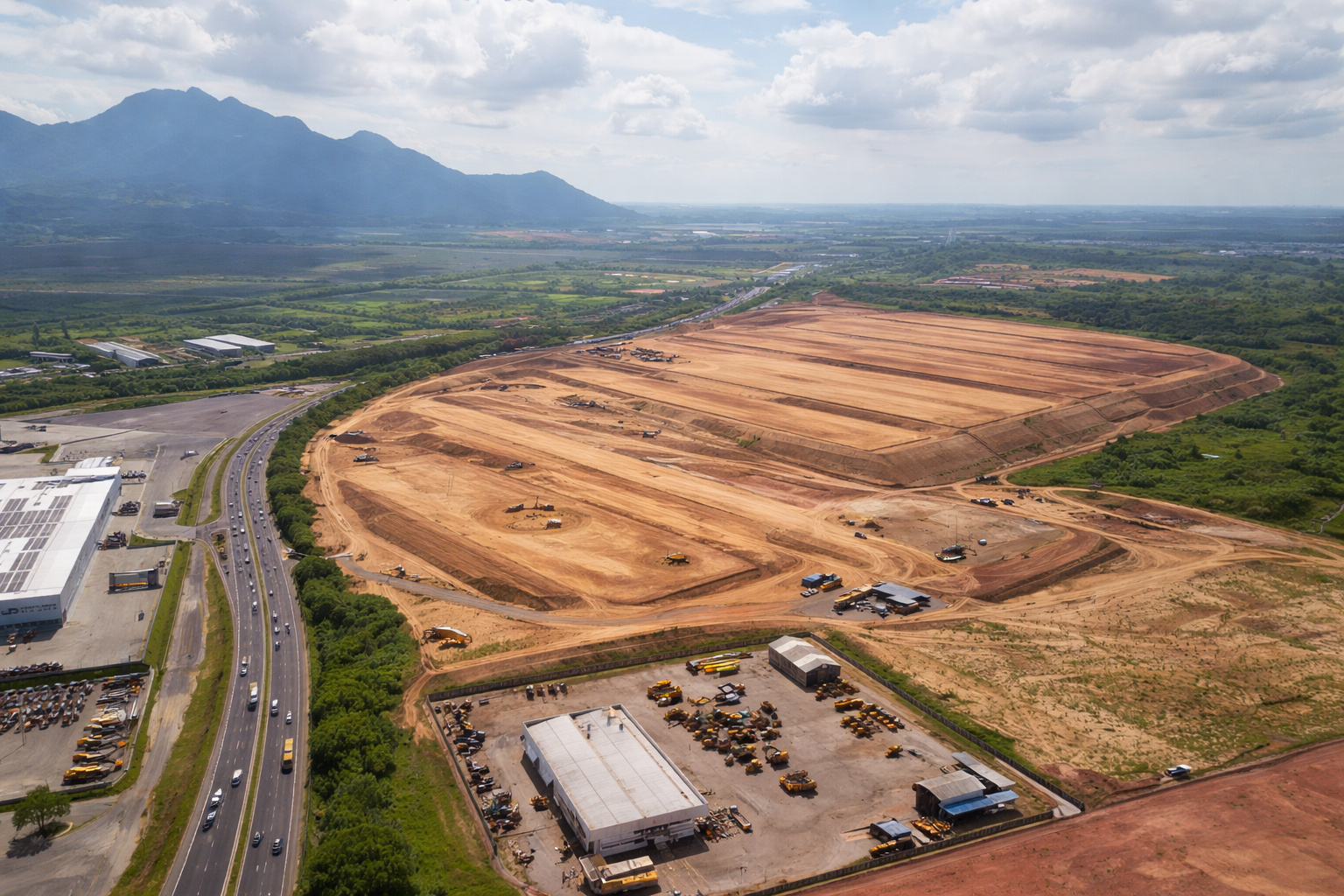
A R$ 300 million logistics giant is taking shape in Serra with over 100,000 m² and raises a question: how can this transform e-commerce and distribution in the state?

A Landmark for Aviation — and for Brazil
WindRunner has numbers that impress even the most experienced engineers. With 7,700 m³ of useful load volume, it will be able to transport equipment that currently requires maritime logistics, complex disassemblies, or special road transport. The aircraft can carry, for example, wind turbine blades over 100 meters, entire satellites, and armored vehicles.


What makes this project even more revolutionary is that it dispenses with conventional runways: WindRunner was designed to operate safely on runways of only 1,800 meters, often unpaved. This opens new possibilities for deliveries in remote areas, forests, deserts, or regions without airport infrastructure.
For this, the cockpit — called Cabin Pressure Vessel — needs to be a true technological fortress: pressurized, resistant, highly integrated, and safe to protect not only the crew but also the aircraft’s critical systems. This responsibility is now in the hands of Akaer.
National Technology in a Global Project
Founded 33 years ago, Akaer is recognized as one of the leading players in the aerospace industry in Brazil. The company has accrued over 10 million engineering hours and has participated in more than 50 international projects.
Among its most notable works are participation in the development of the C-390 Millennium cargo plane (from Embraer), the Gripen E fighter jet (in partnership with Saab), and the supersonic jet Hürjet (from Turkish Aerospace). In 2024, Akaer also became the first Brazilian company to achieve Global Tier 1 Supplier status by closing a contract with Deutsche Aircraft to produce part of the structure of the D328eco.
Now, with WindRunner, Akaer steps into a new level: developing a strategic component of an aircraft that promises to revolutionize heavy cargo aviation.
A Cargo Aircraft for the Future of Energy, Defense, and Rapid Response
WindRunner was not created just to impress with its numbers. Its purpose is strategic. The aircraft will be capable of performing point-to-point deliveries of large loads in locations where conventional transport is impractical.
Instead of assembling wind turbines at the production site and transporting them for weeks to remote areas, WindRunner can take the entire piece directly. The same applies to military equipment, antennas, satellites, and large-scale critical structures.
For defense agencies, energy companies, and governments, this represents drastic reductions in logistical costs, operational times, and geographical limitations. It is, literally, a new era of heavy air mobility.
And Brazil is a part of it.
The Pride of Bringing Brazil’s Name to the Largest Aircraft in the World
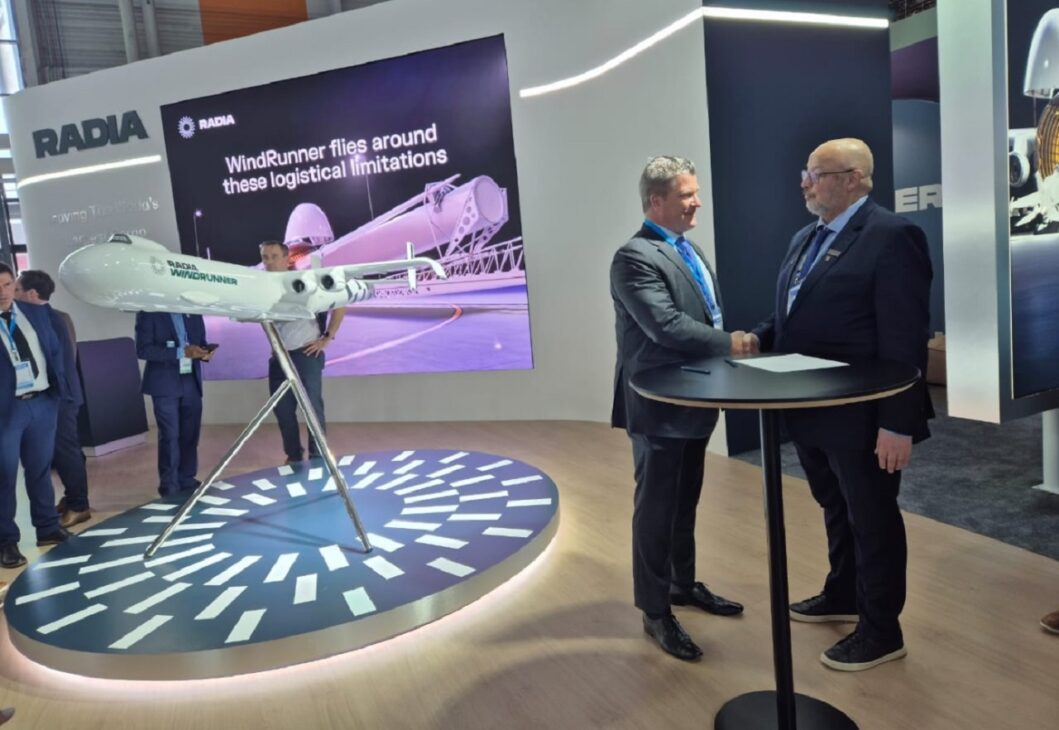
During the partnership announcement, Cesar Silva, CEO of Akaer, highlighted the pride of seeing Brazilian engineering gaining prominence:
“It is a source of pride to be part of this relevant project that will be a milestone for global aviation. The development of WindRunner is challenging and complex, and Akaer’s participation is a result of the recognition of the excellence and experience we have built over the years.”
The founder of RADIA, Mark Lundstrom, reinforced that the involvement of the Brazilian company is essential for the success of the mission:
“We are proud to have highly qualified partners like Akaer, who share our vision for the future and are actively helping us shape a new era of sustainable and integrated logistics.”
The largest airplane in the world is being built — and Brazil will be aboard. The WindRunner project brings together innovation, sustainability, and logistical efficiency at an unprecedented level. And with Akaer leading the development of the cabin, Brazilian engineering proves once again that it has the capacity to deliver excellence in global projects.
For those who follow the aerospace sector, this is more than just news — it is a symbol that Brazil not only participates in the international industry, but helps build it, piece by piece, for the upcoming challenges of the world.






Seja o primeiro a reagir!