





 Portuguese
  English
  Spanish
  5 min of reading


Structural Challenges and Market Modernization Discussed by ANEEL and Brazilian Electric Sector to Contain Water Crisis
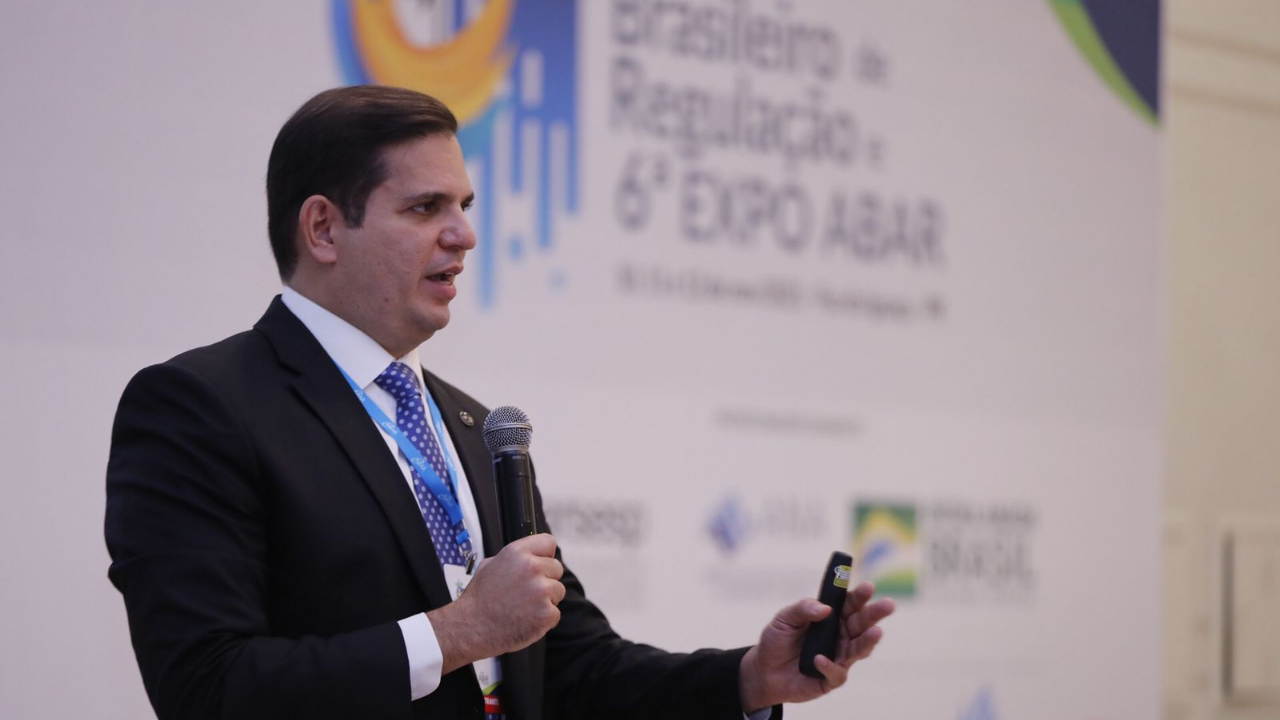
A panel held at the XII Brazilian Regulation Congress and 6a ABAR Expo, promoted by ABAR (Brazilian Association of Regulatory Agencies) from November 10 to 12 in Foz do Iguaçu (PR), discussed the most significant water crisis in the Brazilian electric sector in recent times. Andre Pepitone, General Director of ANEEL and Federal Vice-President of ABAR, discussed the modernization of the sector.
Also Read:
Opening Video of the Event


The last few years have brought immense structural challenges for the Brazilian electric sector that impacted the availability and cost of energy for consumers, especially due to the effects of the pandemic and the 2021 water crisis. However, emergency actions, a context of new laws, and opportunities have already shown results for the recovery of the electric sector, stated ANEEL’s General Director and Federal Vice-President of ABAR, André Pepitone, at the congress in Foz do Iguaçu.
According to Pepitone from ANEEL, to reduce the impacts of the water crisis on consumers, emergency measures were taken, including the suspension of power cuts to some consumers during the first months of the pandemic and the execution of a rescue operation for the electric sector amounting to R$ 15.3 billion, which allowed for the dilution of impacts that would be passed on to consumers over 12 months over five years.
-
Brazil Ignores Trump’s threats to BRICS, Buys 42 tons of gold and reduces the Dollar’s share by 6.45% in international reserves.

-
Havan buys historic football land in Blumenau for a million-dollar amount protected by a confidentiality clause and is already planning to change even the layout of streets to build a megastore in half-timbered style costing 80 million reais.

-
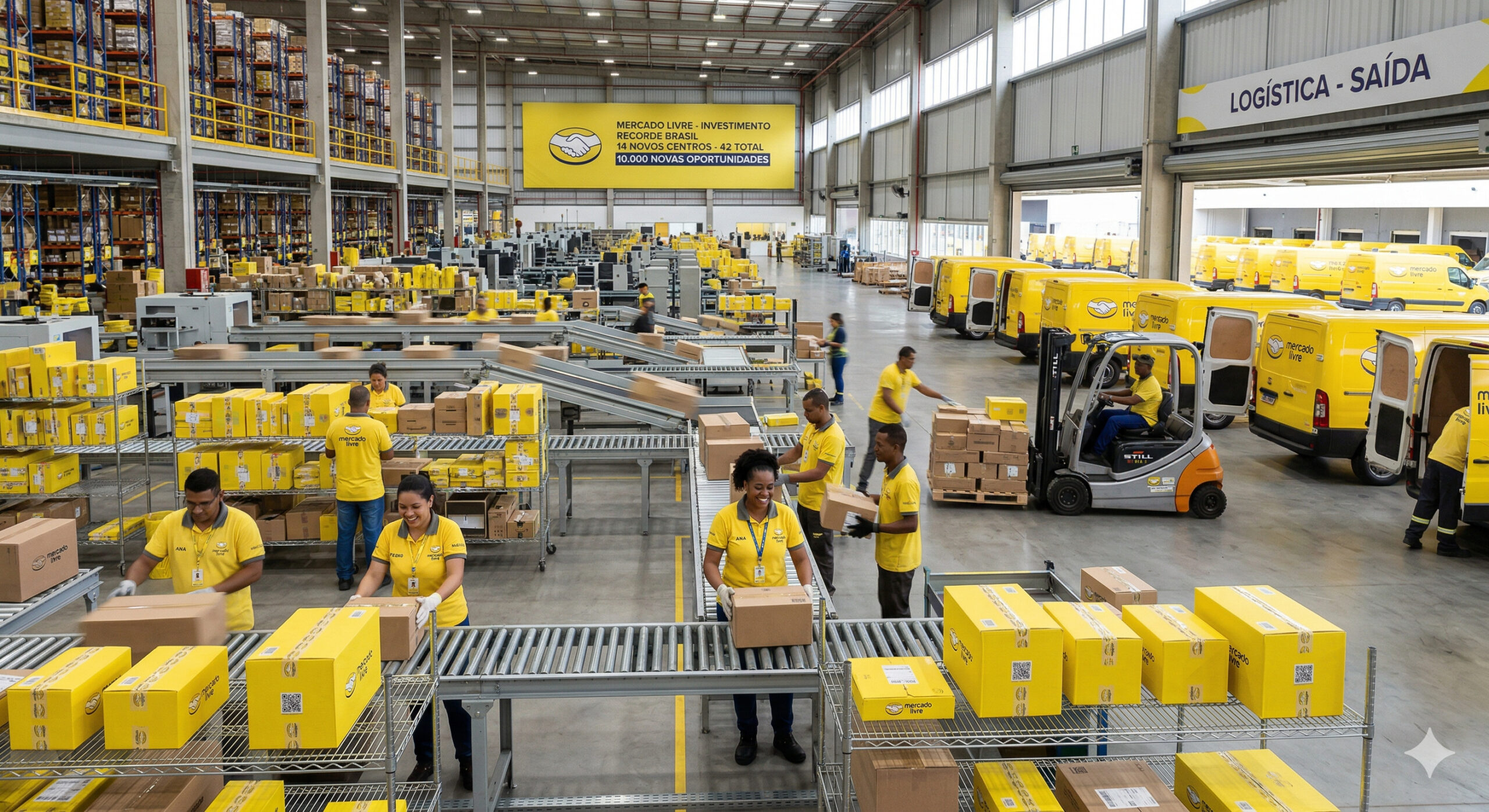
Mercado Livre “opens the vault” and announces a record investment of R$ 57 billion in Brazil in 2026, a value 50% higher than the previous year, with an expansion plan that includes 14 new logistics centers, totaling 42 units in the country and hiring an additional 10,000 employees.
-
How investment in technology can revolutionize the national economy and enhance industrial gains, according to a study that highlights the direct impact on productivity, innovation, and wealth retention within Brazil.


In 2021, reinforced by the pandemic scenario, Brazil experienced its most severe water crisis in the last 90 years. The Southeast region, responsible for 70% of the country’s supply, is currently operating at only 17% of its storage capacity.
Compared to the year of the blackout in 2001, the scenario of the water crisis could have been much worse. Thanks to the diversification of the Brazilian energy matrix in recent years, where hydropower currently accounts for 60% of the total generated in the country, it was possible to avoid worse consequences like those faced during the blackout, when the energy matrix was 85% dependent on hydropower. If that were the current scenario, the reservoirs in the Southeast would be at only 2% of their water volume.
As highlighted by the director of ANEEL at the event in Foz do Iguaçu, in the past 20 years, the advancements in the expansion and transmission of the energy sector have been greater than in the entire history of Brazil. He emphasized that this has been crucial to face the water crisis. Currently, alternative sources such as solar energy, wind energy, and biomass together represent over 20% of total production. “The issue of supply has been addressed; now the challenge is to look at costs, which have been high due to these problems, combined with the high dollar and the increase in IGP-M and IPCA,” emphasized Pepitone from ANEEL.
According to Rui Altieri, Chairman of the Board of Directors of the Electric Energy Trading Chamber (CCEE), an opportunity lies in the contracts of thermal power plants that are expiring between 2023 and 2024 and are not expected to be renewed with the current operators. In Altieri’s view, “The thermal matrix has modernized significantly in recent years. The new contracts will necessitate the use of new technologies and greater operational efficiency to reduce costs,” he comments.
“There is a consensus in the sector that the current framework is outdated in several aspects, which explains the modernization agenda, which is a look back to understand what we have and another looking to the future. Three key issues in this process are: the opening of the market is irreversible; it is necessary to think about transforming the matrix and using new technologies; in addition to adjusting costs, charges, and risks for the market,” defines Thiago Barral, President of the Energy Research Company (EPE), linked to the Ministry of Mines and Energy and responsible for developing national energy planning studies.
According to Pepitone from ANEEL, the future of the sector lies in the opening of the free market, the use of new technologies, renewable sources, and the legal security of the sector. Recent investments and successful privatization auctions have shown that even in crisis scenarios like the energy crisis, the Brazilian energy market has the confidence of investors. More will be needed to continue the modernization of the sector, approximately R$ 535 billion by 2030, estimates the director.
Water Crisis Commission Approves Work Plan in the Senate and Foresees Hearings and Technical Visits to ANA, ANEEL, and ONS

On Thursday, November 18, 2021, according to information released by the Senate, the Hydroelectric Crisis Commission began discussing the work plan responsible for investigating the causes and effects of the water crisis plaguing the country. The voting of the work plan will take place at the Commission’s next meeting scheduled for November 25.
National Institute of Meteorology (Inmet) Starts Releasing Weather Forecasts for the Next Six Months to Benefit Agricultural Harvests and Help the Energy Sector.
According to information from the Inmet, a federal government agency, the release of weather forecasts for the next six months will assist in planning agricultural harvests, providing greater predictability for rural producers when sowing crops and in energy generation strategies.
The service offered by Inmet will also help the electric sector. As disclosed by INMET, the weather forecast for the next six months will allow for more precise energy generation planning, observing the end of the rainy season. With a longer-term forecast in the face of a water crisis, for example, it will be possible to revert to the use of thermal energy until a feasible solution is found.






Seja o primeiro a reagir!