





 Portuguese
  English
  Spanish
  6 min of reading
  0 comments


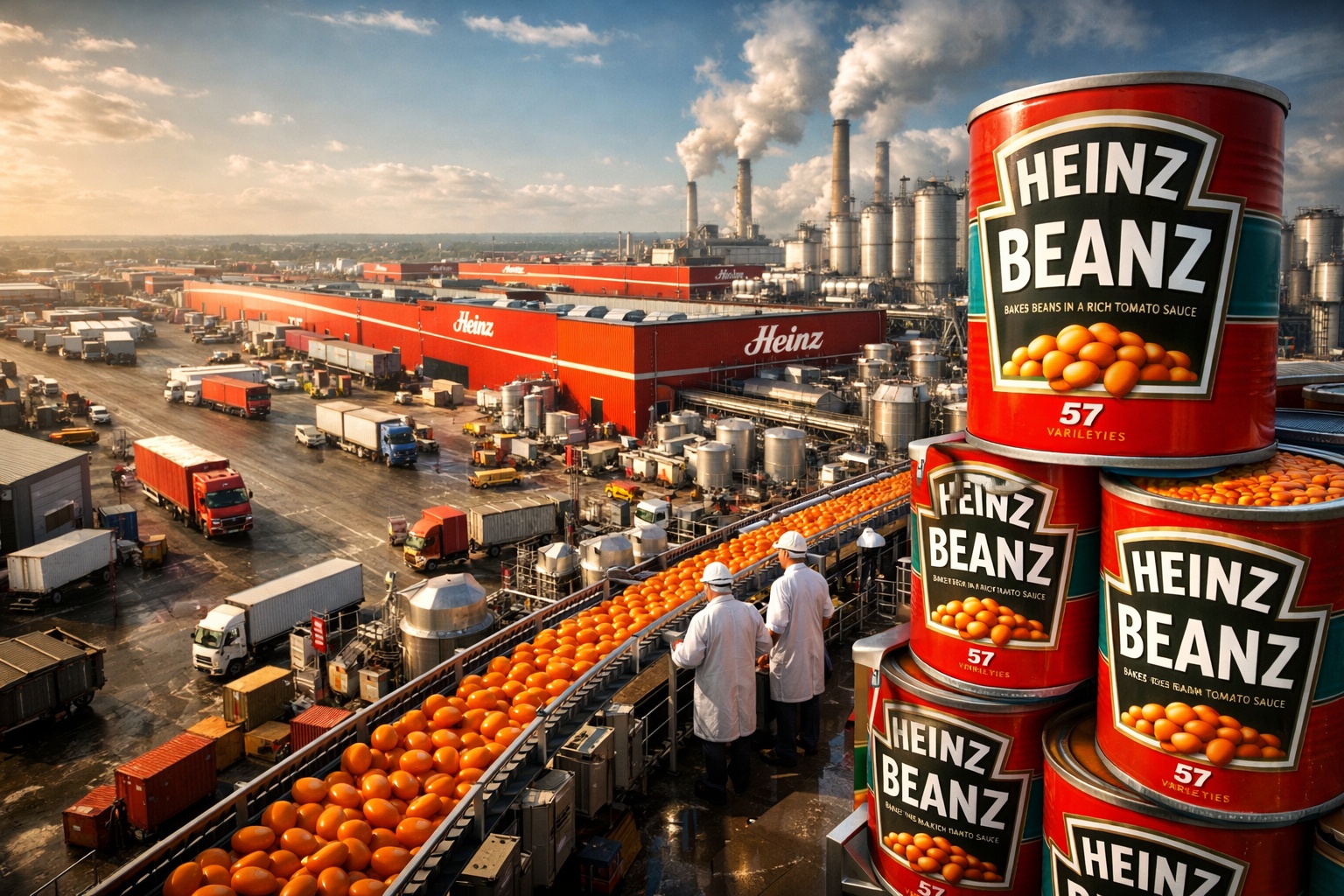
Heinz Kitt Green Processes 1 Billion Cans Per Year and 1.5 Million Heinz Beanz Per Day in a 55-Acre Complex that Employs 1,200 Workers Since 1959 in the United Kingdom.
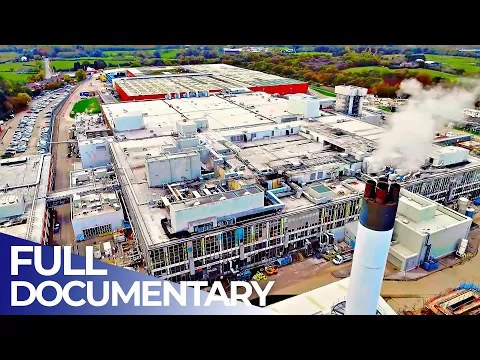
The Heinz Kitt Green factory, located in Wigan, in the Greater Manchester area, was officially inaugurated on May 21, 1959 by the British Lord Chancellor Viscount Kilmuir. The ceremony marked a turning point for the expansion of the American multinational Heinz in the United Kingdom and marked the beginning of operations at one of the largest canned food industrial complexes in Europe. The industrial complex occupies an area of 55 acres (approximately 22 hectares) in the Kitt Green district. Before the construction of the industrial plant, the area was predominantly suburban. The establishment of the factory completely transformed the local economy, turning the area into one of the UK’s main food production hubs.
The importance of the new plant became evident just weeks after its inauguration. On June 24, 1959, just five weeks after operations began, the Queen Mother Elizabeth visited the facilities to see the production lines that were already operating on a large scale. This royal visit inaugurated a tradition of institutional recognition that would be repeated decades later.
Heinz Beanz Daily Production: 1.5 Million Cans Processed Every 24 Hours
The Heinz Kitt Green factory operates on a 24-hour basis, producing approximately 1.5 million cans of Heinz Beanz daily. This volume represents over 540 million cans per year just of the traditional baked beans in tomato sauce, one of the most iconic products of the British food industry.
-
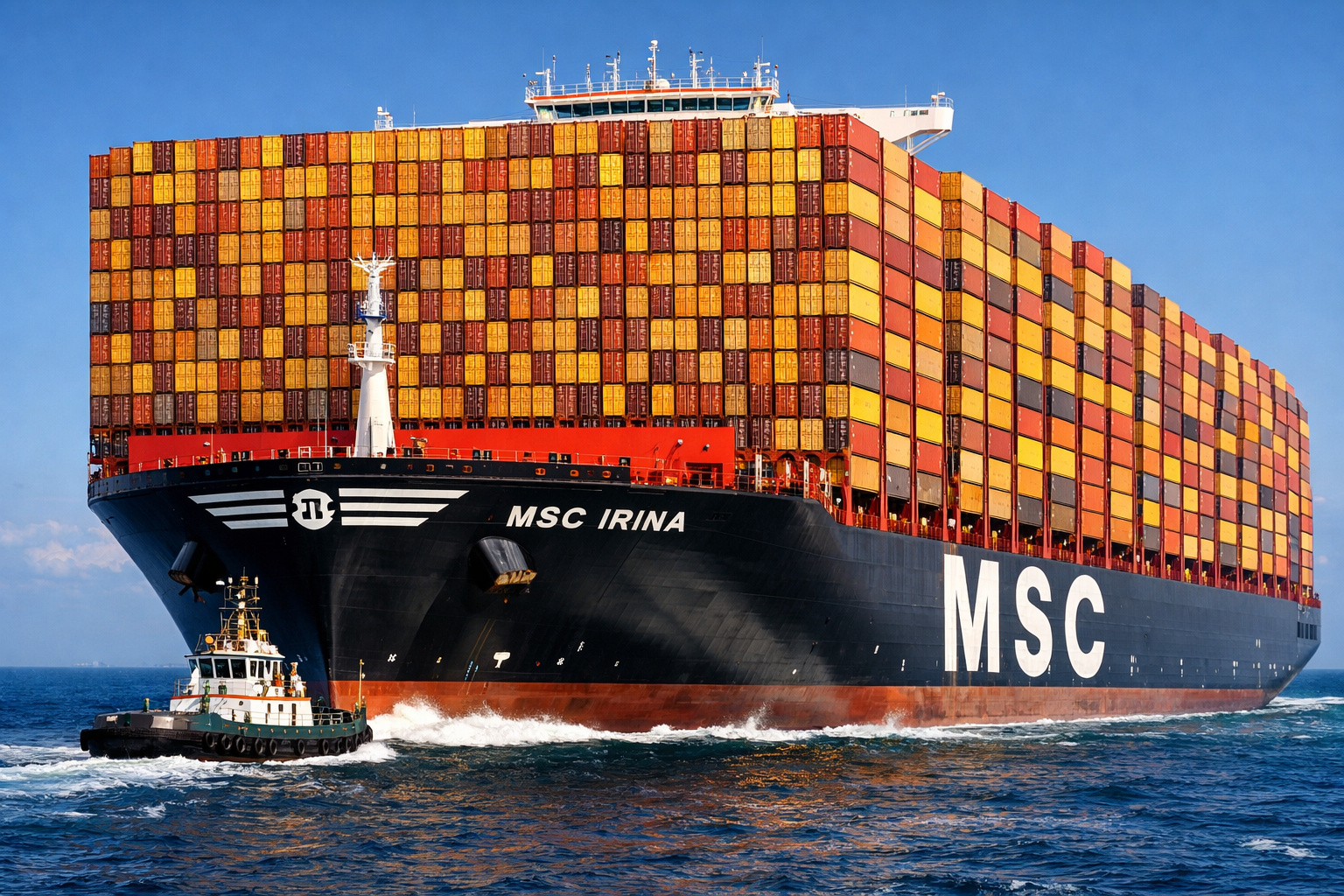
With a length of 399.9 meters and a capacity for over 24,346 containers, the MSC Irina becomes the largest ship in the world and revolutionizes global maritime transport.
-
With nearly 6,000 square meters and an investment of $100 million, the building that seems to move in Las Vegas has a reflective stainless steel façade, creates optical illusions, and has become a symbol of creativity worldwide.

-
From Florianópolis to Antarctica non-stop at 60 years old: 1st Brazilian woman to sail solo makes history by facing one of the most dangerous routes on the planet.

-
A Brazilian recounted how a sudden malaise triggered the entire hospital machinery in the United States, with emergency protocols, tests to rule out a heart attack, and a bill that could reach $40,000.


This giant scale means that about one in every two cans of baked beans sold in the UK is produced in Kitt Green.


The production process starts with the arrival of large volumes of dry navy beans imported from North America. Approximately 1,000 tons of beans arrive weekly in the UK via Liverpool port. In total, about 50,000 tons of beans are imported annually to supply the factory.
Despite the enormous volume, the plant operates with a highly efficient logistics system. Storage at the docks allows for about 60 days of inventory, while inside the factory there are only about 36 hours of raw materials available, operating in a model close to just-in-time industrial systems.
Production of More Than 1 Billion Cans of Food Per Year
Although Heinz Beanz is the most famous product, the production of the Kitt Green factory goes far beyond beans. The plant produces more than 1 billion cans of canned food per year, including a wide variety of Heinz brand products.
Among the main items produced are:
- Heinz Cream of Tomato Soup, one of the most popular soups in the UK
- canned pasta like Spaghetti Hoops
- ready meals and puddings
- different types of soups and processed foods
This diversification allows the factory to maintain continuous operation throughout the year. During the summer, for example, the demand for soups tends to fall, but the production of pasta and other canned foods keeps the manufacturing pace.
In total, the plant exceeds the mark of 1 billion cans produced annually, establishing itself as one of the largest food production units on the European continent.
55-Acre Industrial Complex is the Largest Canned Food Factory in Europe
The physical size of Heinz Kitt Green is impressive. The industrial complex occupies an area of 55 acres, bringing together various specialized structures. Among the main facilities are:
- automated canning lines
- industrial sterilizers
- logistics warehouses
- packaging and distribution areas
- an in-house metal can factory
This integrated structure transforms the location into one of the largest individual food processing plants in Europe.
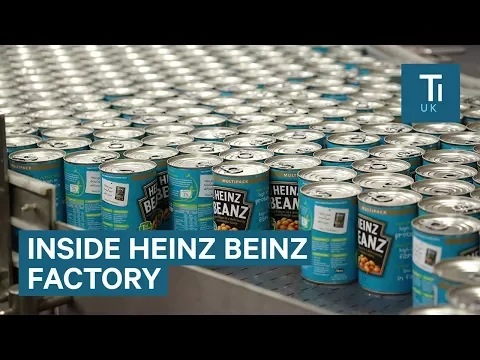
One of the factory’s differentiators is the presence of a can manufacturing unit within the complex itself. The cans are produced on-site from tinplate sheets, allowing the canning process to operate in sync with the production of the packaging.
High-speed machines stamp, shape, and coat millions of cans each week, ensuring that production does not depend on external suppliers.
Industrial Technology Cooks the Beans Inside the Can
The industrial process of producing Heinz Beanz involves several highly automated steps. After being selected and prepared, the beans are placed in the cans along with the traditional Heinz tomato sauce. The cans are then sealed and go through industrial sterilizers.
The beans are cooked inside the sealed can, using rotary and hydrostatic sterilizers that heat the product to carefully controlled temperatures.
This method ensures food safety, long shelf life, and eliminates the need for artificial preservatives.
Royal Warrant Confirms Heinz as the Official Supplier to the British Royal Family
Heinz received the prestigious Royal Warrant in 1954, a certification that identifies companies supplying the British royal household. This recognition means that Heinz products meet strict quality standards and are used by the royal family.
The Royal Warrant remains active to this day, being renewed periodically. In 2009, to celebrate the 50th anniversary of the Heinz Kitt Green factory, Queen Elizabeth II and the Duke of Edinburgh personally visited the industrial complex.
Queen Elizabeth II Inaugurated Robotic Packaging Line in 2009
During the visit on May 21, 2009, Queen Elizabeth II inaugurated a new automated packaging line at the factory.

The state-of-the-art robotic system handles units called dollies, wheeled platforms used to transport large volumes of products directly to distribution centers and supermarkets. The new automated line processes products such as:
- Heinz Beanz
- Cream of Tomato Soup
- Spaghetti Hoops
The investment represented a significant step in the logistical modernization of the factory.
Heinz Factory Employs About 1,200 Workers in the United Kingdom
The Heinz Kitt Green employs approximately 1,200 full-time workers, in addition to temporary staff during peak demand periods.
A large part of the workforce is represented by the Unite union, which engages in collective bargaining related to wages and working conditions.
Additionally, the factory maintains a traditional technical training program in engineering and industrial maintenance, which has been in operation since the plant was inaugurated in 1959.
This program allows young apprentices to be trained by experienced engineers, ensuring a continuity of technical knowledge within the industry.
One of the most curious aspects of the production of Heinz Beanz is the characteristic sauce. The blend of spices used in Heinz tomato sauce is considered a strictly guarded industrial secret.
The exact formula is known by only three people in the world. The spices arrive at the factory in numbered, unmarked bags, protecting the composition of the recipe developed over a century ago.
Heinz Beanz Was Considered Essential Food During World War II
During World War II, the British Ministry of Food classified Heinz Beanz as essential food during the rationing period. The product offered several important nutritional advantages:
- high protein content
- long shelf life
- ease of preparation
This classification guaranteed prioritized access to rationed raw materials, such as metal cans, sugar, and imported beans.
This historical role helped solidify Heinz Beanz as one of the most emblematic foods in British culture.
Slogan “Beanz Meanz Heinz” Became the Most Famous in British Advertising
Created in 1967, the slogan “Beanz Meanz Heinz” became one of the best-known examples of advertising in the UK. The phrase was voted by industry experts as the best advertising slogan in British history.
The phonetic simplicity and memorable rhyme transformed the expression into part of the country’s cultural vocabulary.
Between 2008 and 2010, Heinz implemented a comprehensive energy efficiency program in Kitt Green. As a result, the plant managed to reduce energy consumption by more than 13%, saving about £250,000 per year in utility costs.
The biggest savings came from the reuse of waste heat during the industrial sterilization and blanching processes. The improvements reduced emissions by approximately 9,000 tons of CO₂ per year.
65 Years of Food Production and Cultural Impact in the United Kingdom
Since its inauguration in 1959, the Heinz Kitt Green factory has become part of British industrial and cultural history. For more than six decades, the complex has fed generations of families in the UK.
The Heinz Beanz product has ceased to be just food to become a symbol of British food culture, present in the traditional full English breakfast, in quick meals, and in the daily diet of millions of people.
Despite the deindustrialization that occurred in the UK between the 1970s and 1980s, the Kitt Green factory remained competitive thanks to industrial automation, logistical efficiency, and strong brand recognition.
Today, the plant continues to be one of the largest canned food factories in the world and an example of industrial scale in modern food production.







-

-

2 pessoas reagiram a isso.