





 Portuguese
  English
  Spanish
  3 min of reading
  6 comments


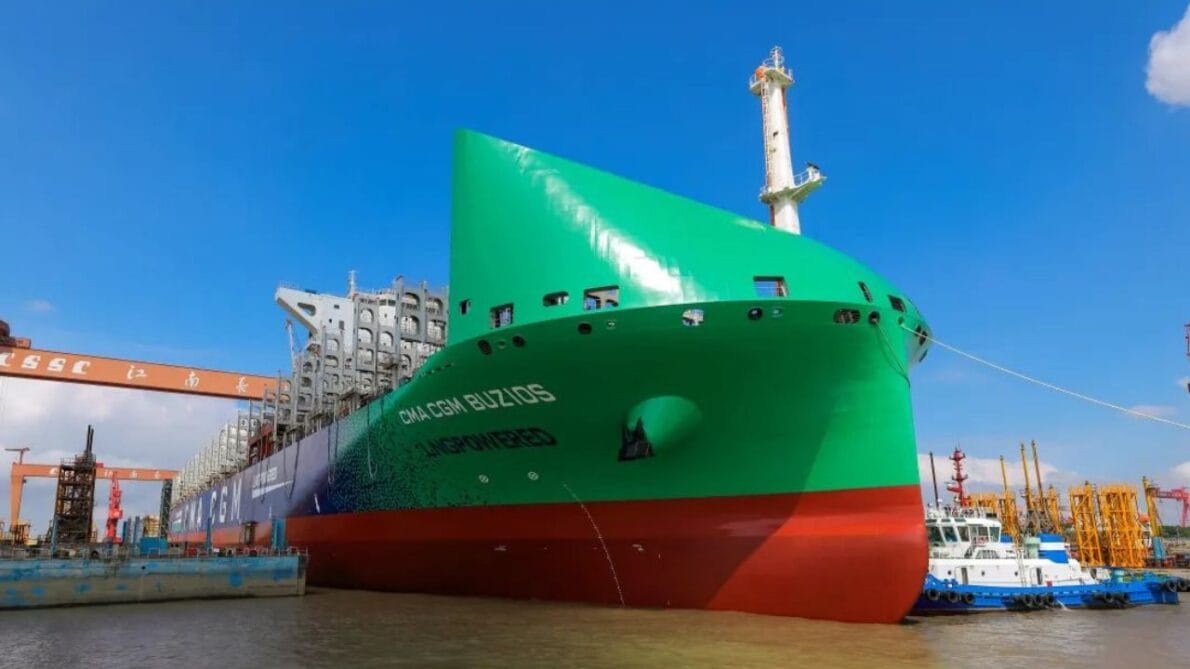

CMA CGM Buzios, The Largest Biofuel Container Ship In The World, Begins Operations In Brazil, Signaling A Significant Advance In The Naval Industry With Its Sustainable LNG Technology And Capacity For 13,200 Containers, Revolutionizing Energy Efficiency Standards And Environmental Impact At The Ports Of Itajai And Navegantes.
The giant of the seas, CMA CGM Buzios, regarded as the largest biofuel container ship in the world, has made its presence felt at the ports of Brazil. This vessel, a gem of naval engineering, performed a complex operation involving four tugboats to navigate the internal and external channels, demonstrating its grandeur and the precision required to maneuver a colossus measuring 336 meters long and 51 meters wide.
Beginning its journey in China, the CMA CGM Buzios arrived in Brazil with an impressive draft of over 11 meters. Its debut in Brazilian waters was not just a testament to its monumental size, but also to its technological innovation. Equipped with a biofuel energy system powered by LNG (Liquefied Natural Gas), this vessel sets new standards in maritime sustainability. With a cargo tank capacity of 14,000 cubic meters and an exhaust gas recirculation system, it reduces methane emissions by 50% and decreases greenhouse gases by over 28%.
Cargo Capacity Of CMA CGM Buzios


In addition to its design and energy efficiency, the CMA CGM Buzios stands out for its cargo capacity, carrying up to 13,200 twenty-foot containers. This capacity reflects not only the ship’s physical magnitude but also its relevance to global trade and logistics.
-
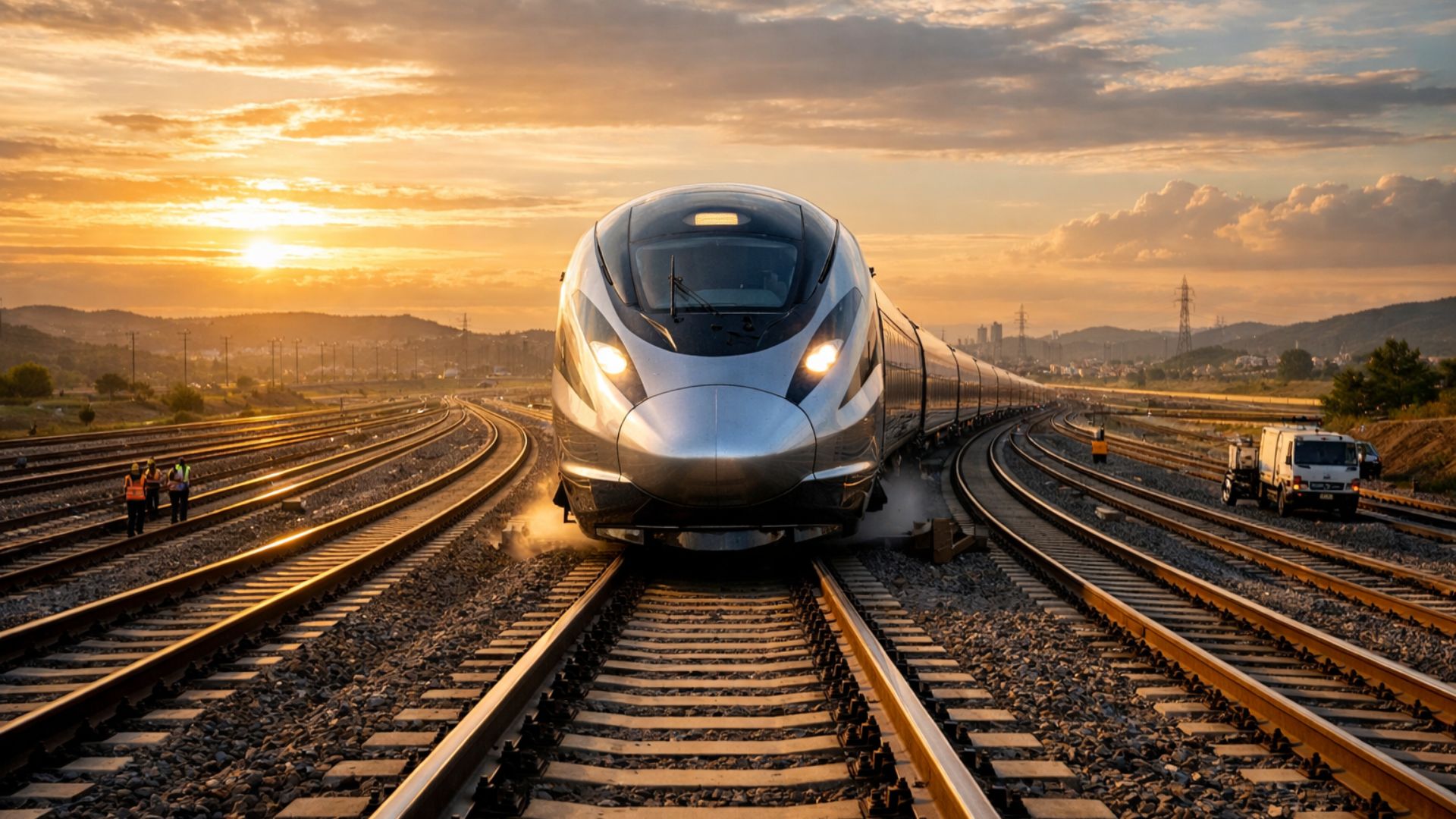
São Paulo surprises the world with a colossal railway network project that promises over 1,000 km of tracks, R$ 194 billion in investments, and 40 projects connecting the capital to the interior with fast and sustainable trains.
-
The world’s largest escalator, measuring 905 meters in China, reduces urban travel time from 1 hour to about 20 minutes and transforms mobility in mountainous regions with an engineering solution adapted to the terrain.

-
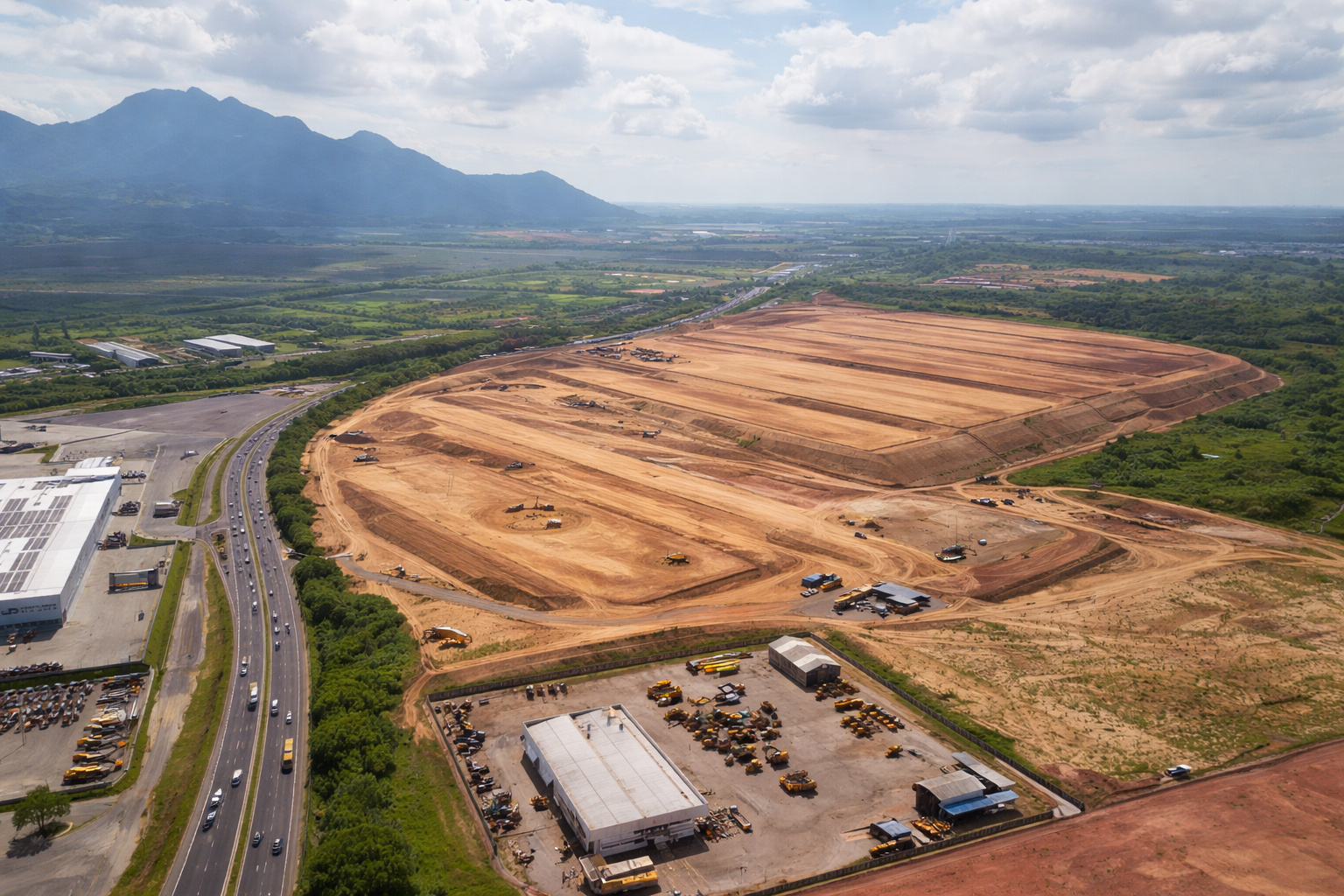
A R$ 300 million logistics giant is taking shape in Serra with over 100,000 m² and raises a question: how can this transform e-commerce and distribution in the state?
-
Could Uber Rides Lose Minimum Fare? Understand What’s Happening!


The arrival of the CMA CGM Buzios in Brazil is not only a milestone for the port of Itajai and Navegantes, but also a signal of how the naval industry is advancing towards more sustainable and efficient solutions. The introduction of biofuel container ships like the CMA CGM Buzios is a significant step in reducing the environmental footprint of the maritime sector, aligning itself with the growing demands for greener and more efficient practices worldwide.
Why Is It The Largest Biofuel Container Ship In The World?
The CMA CGM Buzios is considered the largest biofuel container ship in the world due to its impressive size and cargo capacity, alongside its sibling CMA CGM Bahia. At 336 meters long and 51 meters wide, it surpasses other ships in physical dimensions. The ‘great advantage’, its capacity to carry 13,200 twenty-foot containers, sets it apart in the global maritime transportation scene.
The designation “biofuel” refers to its ability to operate on both conventional marine fuel and Liquefied Natural Gas (LNG), a cleaner and more sustainable alternative. This feature not only boosts the vessel’s energy efficiency but also significantly reduces its environmental footprint, particularly in terms of greenhouse gas emissions and atmospheric pollutants. Therefore, the CMA CGM Buzios is not only large in terms of physical dimensions and cargo capacity but also stands out for its technological innovation and commitment to sustainability.
This event not only confirms the commitment of the maritime sector to innovation and sustainability, but also highlights the importance of Brazilian ports in the global navigation landscape. With growing attention to environmental regulations and energy efficiency, ships like the CMA CGM Buzios are at the center of discussions about the future of the naval industry, raising pertinent questions about regulations and penalties related to environmental impact and the need to adopt cleaner technologies on a global scale.








Matéria fraca, não diz onde foi fabricado,o que significa as siglas, matéria sem nexo.
Salvador
Queria que alguém me explicasse, gnl é biocombustível? Agora deixou de ser combustível fóssil?ok reduz emissão, parabéns, más, biocombustível?fala sério
É importante esclarecer a diferença entre “bicombustível” e “biocombustível”, pois esses termos frequentemente causam confusão:
Biocombustível: Refere-se a combustíveis que são derivados de biomassa, que pode incluir plantas, resíduos agrícolas, e até mesmo gases biogênicos. Exemplos comuns de biocombustíveis incluem etanol (feito a partir da fermentação de cana-de-açúcar ou milho) e biodiesel (produzido a partir de óleos vegetais ou gorduras animais).Bicombustível: Este termo é usado para descrever veículos ou sistemas que podem operar com dois tipos diferentes de combustíveis, mas não necessariamente biocombustíveis. Por exemplo, muitos carros bicombustíveis podem alternar entre gasolina e etanol, ou entre gasolina e GNV (gás natural veicular).