





 Portuguese
  English
  Spanish
  4 min of reading
  0 comments


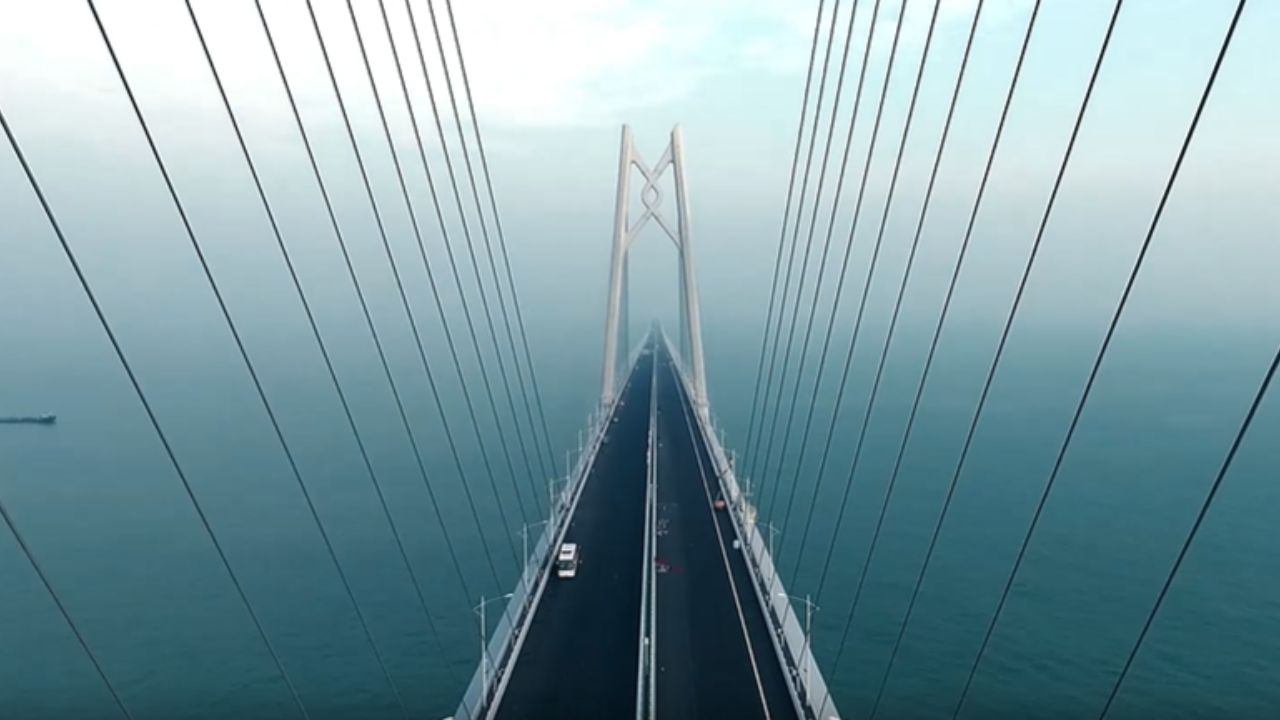
Discover the Structure of US$ 18.8 Billion That Composes the Largest Maritime Bridge in the World, Designed to Withstand Mega-Typhoons and Earthquakes of Magnitude 8, and Its Impact on the Chinese Economy.
The Hong Kong-Zhuhai-Macau Bridge (HZMB) has Redefined the Limits of Modern Engineering by Establishing Itself as the Largest Maritime Bridge in the World. With a Colossal Length of 55 Kilometers, this Mega-Structure of Over US$ 18.8 Billion Physically Links Three of Asia’s Most Vital Economic Centers, Hong Kong, Zhuhai, and Macau, Across the Pearl River Delta.
More than an Infrastructure Project, the Bridge is the Backbone of China’s “Greater Bay Area” (GBA) Strategy, an Ambitious Plan to Forge a Unified Economic Cluster. However, Its Construction, Detailed by Wikipedia, Was a Complex Process That Lasted Decades, Marked by Political Challenges, Budget Overruns, and Serious Environmental and Safety Controversies.
A Technical Feat Designed for 120 Years
The HZMB is Not a Unique Bridge, but a Sophisticated Hybrid System that Integrates Viaducts, Cable-Stayed Bridges, a 6.7 km Submerged Tunnel (One of the Longest of Its Kind in the World), and Artificial Islands to Allow the Passage of Ships. Its Technical Specifications are Impressive: Over 400,000 Tons of Steel Were Used, Equivalent to 60 Eiffel Towers. Technical Information from the Material Supplier Sika Confirms That the Structure Was Designed for a 120-Year Lifespan.
-
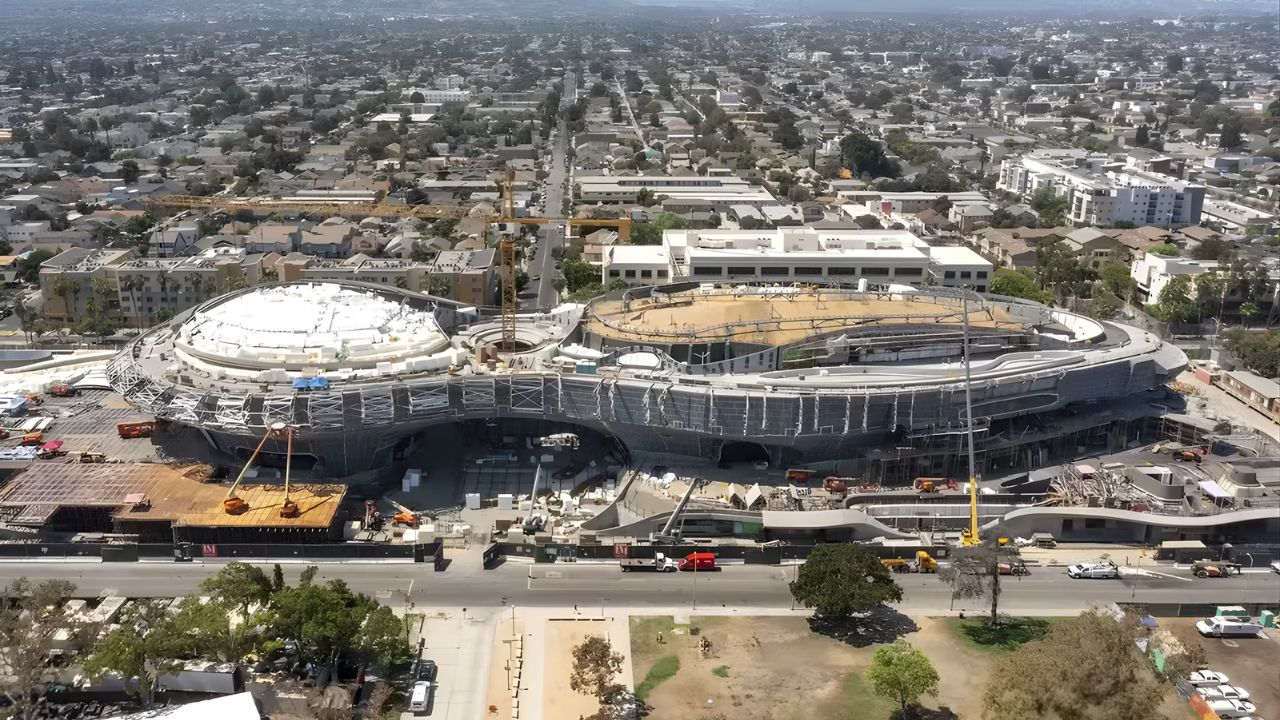
Created by George Lucas with over $1 billion, a futuristic museum in the shape of a spaceship with 1,500 curved panels is about to open in Los Angeles and will house one of the largest private collections of narrative art in the world.
-
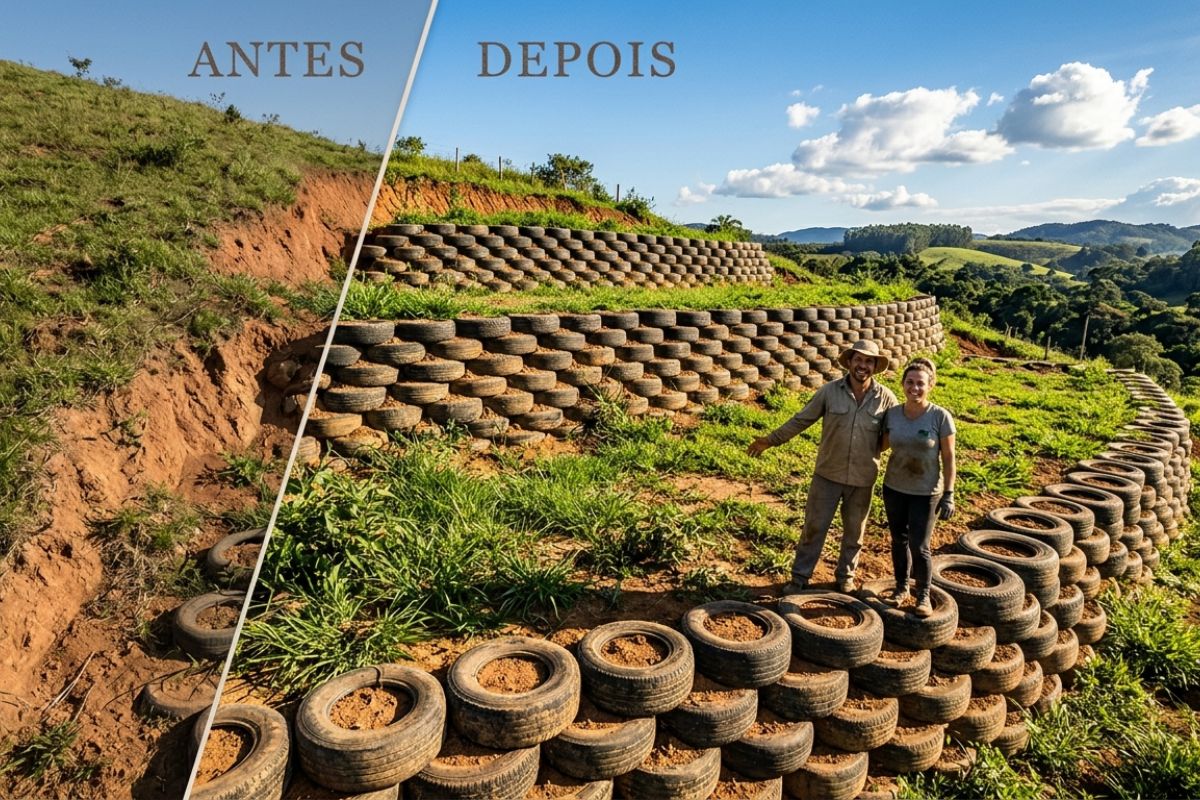
Couple shows how they built a retaining wall on their property using 400 old tires: sloped land turned into plateaus, tires are aligned, filled, and compacted with layers of soil, with grass helping in support and at almost zero cost.
-
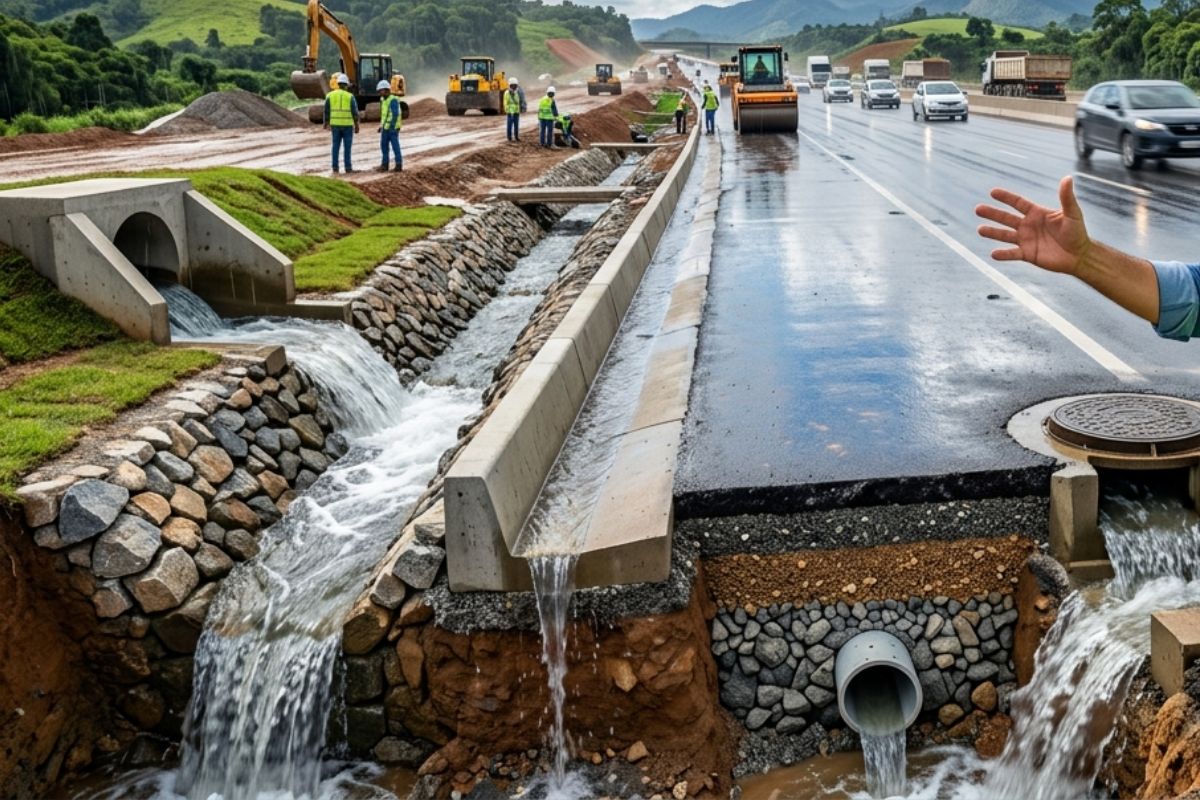
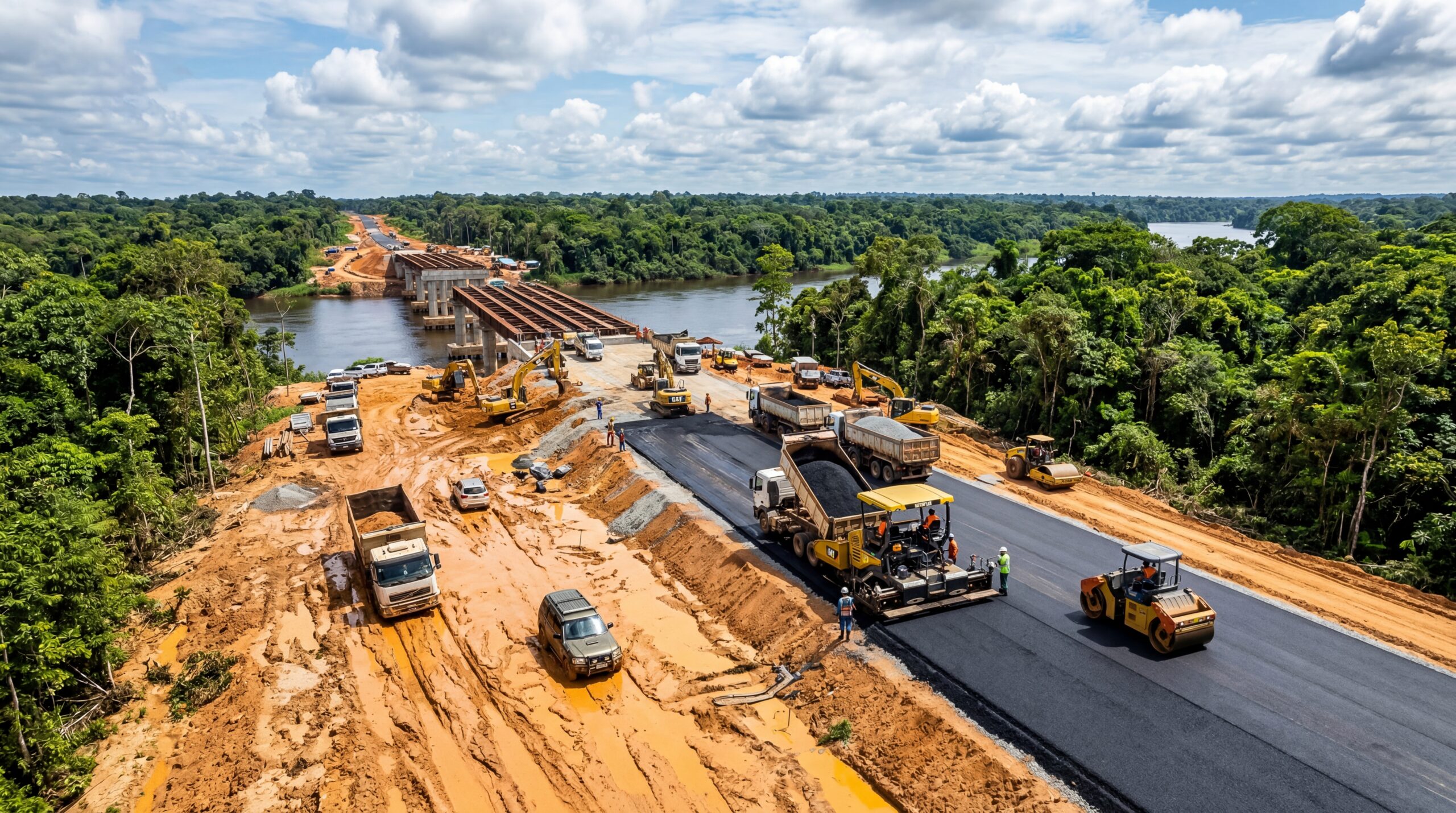
Engineer explains drainage during the rainy season: the difference between surface water and deep water, ditches, gutters, and water outlets on the road, as well as drains and drainage mattresses, to prevent erosion, aquaplaning, and flooding at the construction site today.
-
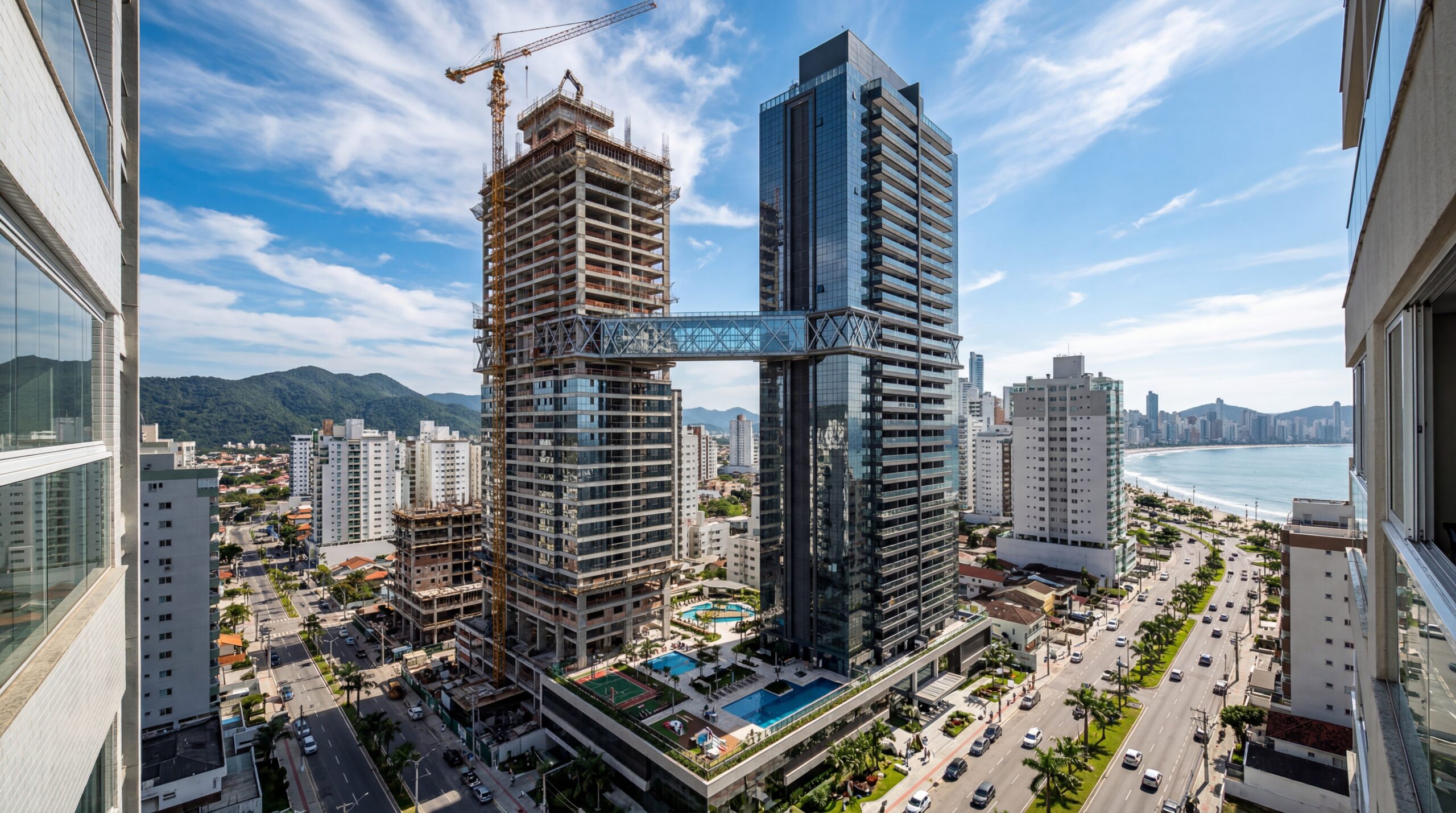
With 55 floors, 177 meters in height, a 15-meter walkway between the twin towers, ventilated facade, and 6,300 m² of leisure space, Ápice Towers already has one tower completed and another nearly at the top.
Located in an Area Prone to Extreme Weather Conditions and Seismic Activity, Resilience Was an Absolute Priority. Sika Details That the Bridge Was Designed to Withstand Super Typhoons of Level 16, with Wind Speeds That Can Exceed 340 km/h, and Earthquakes of Magnitude 8.0 on the Richter Scale. Furthermore, the Structure is Prepared to Withstand the Collision of a 300,000-Ton Vessel, Ensuring the Integrity of Both the Bridge and the Intense Maritime Traffic.
The Economic Engine of the Greater Bay Area
The Most Immediate Impact of the Bridge Was the Revolution in Regional Logistics. The Land Route Between Zhuhai and Hong Kong International Airport, Which Previously Took About Four Hours, Has Been Reduced to Approximately 45 Minutes. This New Accessibility, Available 24 Hours a Day, is Crucial for Accelerating the Formation of a “One-Hour Life Circle” Between the Three Cities.
The Economic Results are Significant. According to Data from the China Observatory, the Accumulated Value of Imports and Exports That Passed Through the Zhuhai Port of the Bridge Has Already Surpassed 1 Trillion Yuan (Approximately US$ 138.9 Billion). This Source Also Highlights That, Only in 2024, the Port Handled 232.9 Billion Yuan in Trade, an Increase of 11.3% Compared to the Previous Year, Connecting the Region to More Than 230 Countries.
The China Observatory Cites Practical Examples of This Success, Such as the Zhuhai Seafood Exporters. Thanks to the Bridge, Their Live Products Reach Hong Kong in About an Hour, Which Not Only Significantly Improved the Survival Rate of the Goods but Also Reduced Transportation Costs by Half, Demonstrating the Real Impact of the Infrastructure on Daily Trade.
The Turbulent Waters of Controversy


Despite the Technical Success, the Journey of the Largest Maritime Bridge in the World Has Been Fraught with Problems. Wikipedia Details That the Final Cost is Estimated at About ¥127 Billion (US$ 18.8 Billion), a Substantial Overrun Compared to the Initial Estimate. Additionally, the Construction Suffered a Two-Year Delay and Tragically Had a Human Cost, with At Least 19 Workers’ Deaths Documented During Construction.
The Main Environmental Controversy of the Project, as Recorded by Wikipedia, Centered on Its Impact on the Chinese White Dolphin, a Threatened Species That Inhabits the Pearl River Delta. Conservation Organizations Attributed a Sharp Decline in the Number of These Mammals to the Bridge’s Construction, with the Population Observed Near Lantau Island Suffering a Drastic Reduction of 60% Between 2015 and 2016.
Public Confidence in the Project Was Also Undermined by Integrity Challenges. Wikipedia Mentions a Scandal in Which Employees of a Subcontracted Laboratory Were Convicted of Falsifying Concrete Strength Test Results. Although the Hong Kong Government Conducted New Tests and Assured That the Materials met Standards, the Incident, Along with Concerns About the Stability of the Artificial Island Walls, Undermined Confidence in Project Oversight.
The Hong Kong-Zhuhai-Macau Bridge Is Undeniably a Monument of Modern Engineering and a Powerful Economic Catalyst for the Greater Bay Area. It Proves China’s Ability to Execute Mega-Projects While Serving as a Global Case Study on the Complex Political, Financial, and Environmental Challenges Inherent in Undertakings of This Magnitude.
The Economic Integration Driven by the Bridge is Clear, but Concerns About Regional Autonomy and Environmental Costs Persist. In Your Opinion, Do the Economic Benefits of a Project Like This Justify Its Social and Ecological Impacts? Do You Think This Model of Integration is the Future? Share Your Thoughts in the Comments.







-

Uma pessoa reagiu a isso.