





 Portuguese
  English
  Spanish
 5 min of reading
  0 comments


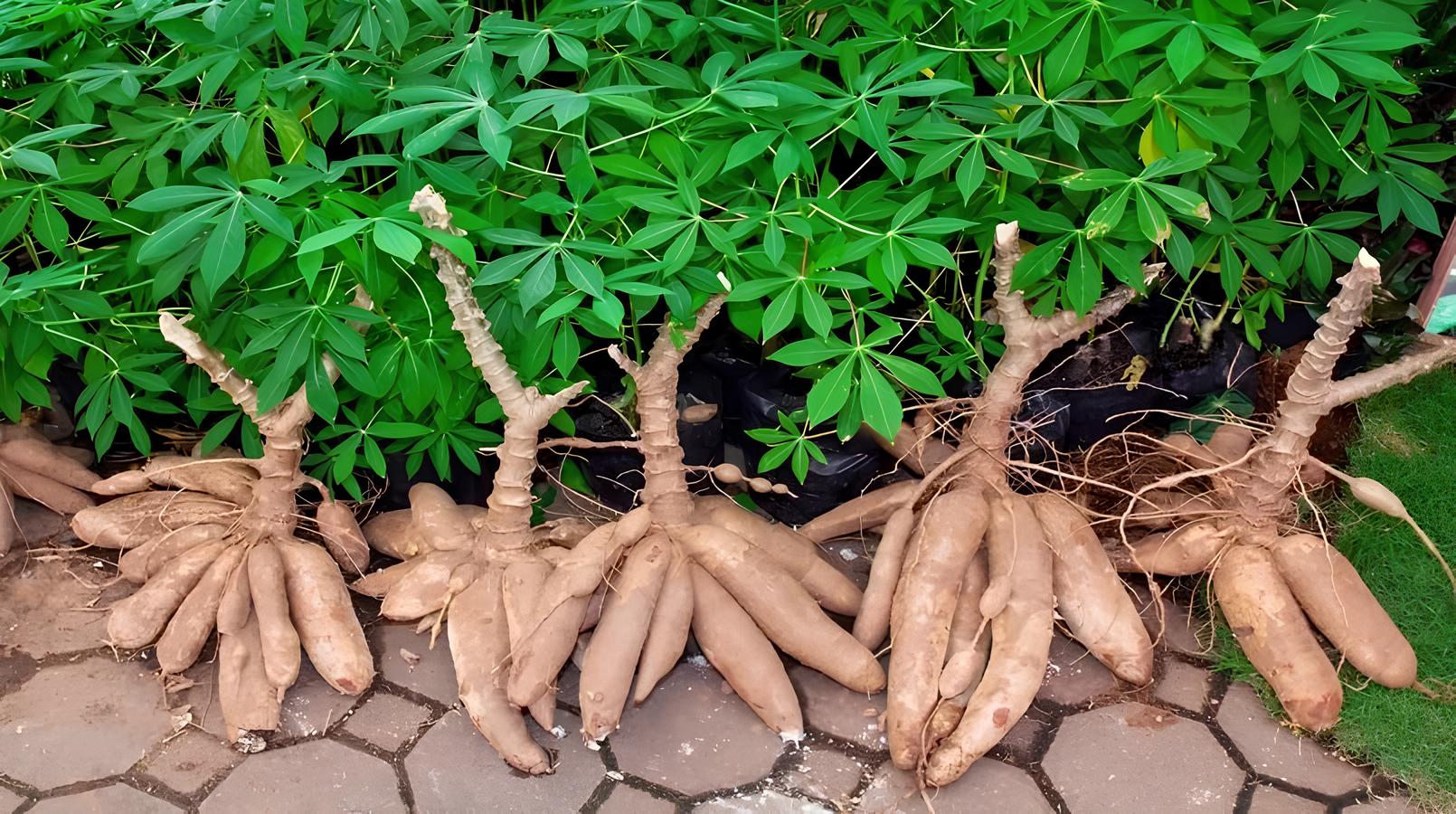
Pará Leads Cassava Production in Brazil, Harvesting Millions of Tons Every Year and Supporting Entire Cities with an Ancestral and Strategic Agricultural Chain.
In the heart of the Amazon, far from the large mechanized hubs of the national agribusiness, Pará has established a leadership that rarely makes it to economic headlines. The state accounts for the largest cassava production in Brazil, with millions of tons harvested every year, directly sustaining the economy of hundreds of municipalities. This is not an isolated case or a momentary harvest cycle: it is a continuous, resilient production chain that is deeply rooted in the territory.
Cassava in Pará is not a supporting player. In many areas of Baixo Amazonas, Northeast Pará, and Marajó, it serves as the main economic axis, capable of organizing work, income, and money circulation throughout the year.
A Culture Preceding Brazil Itself
-
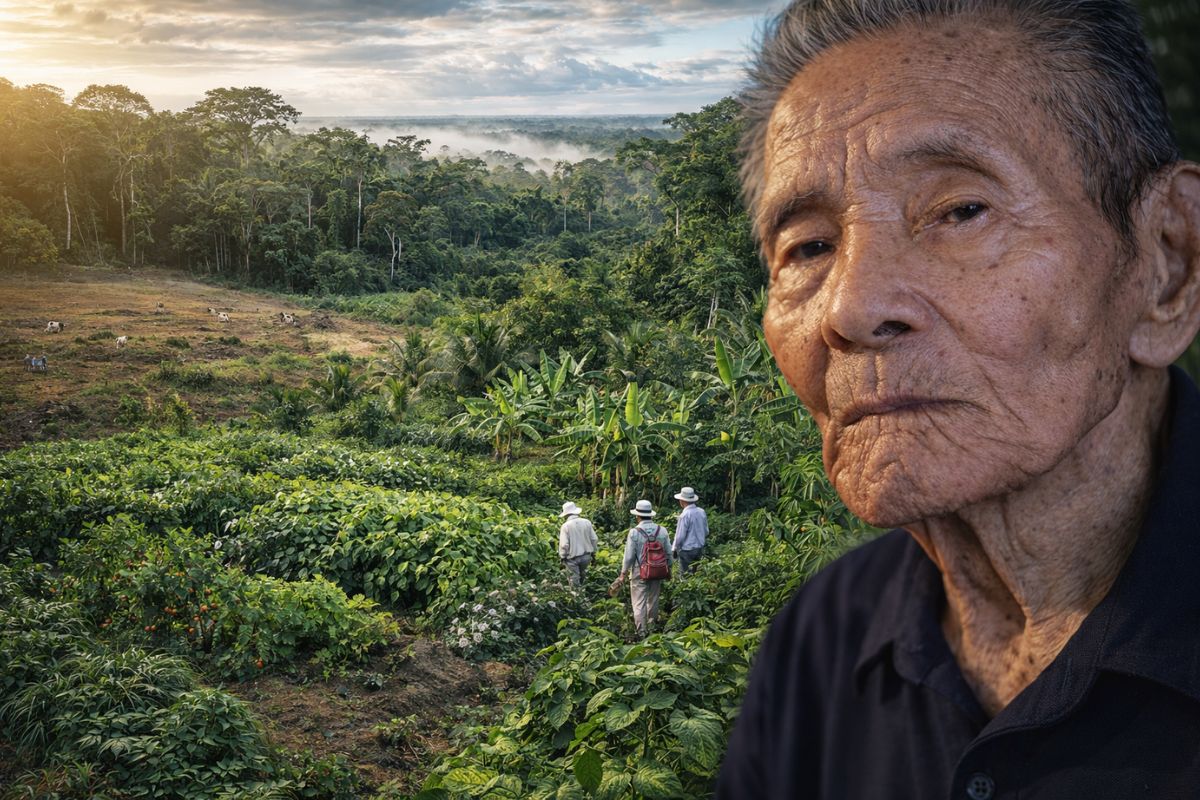
At 96 years old, the last survivor of a colony of Japanese immigrants who arrived in the Amazon in 1929 saw his community create an agricultural method that transforms destroyed pastures into forests that produce food year-round and attract researchers from around the world.
-
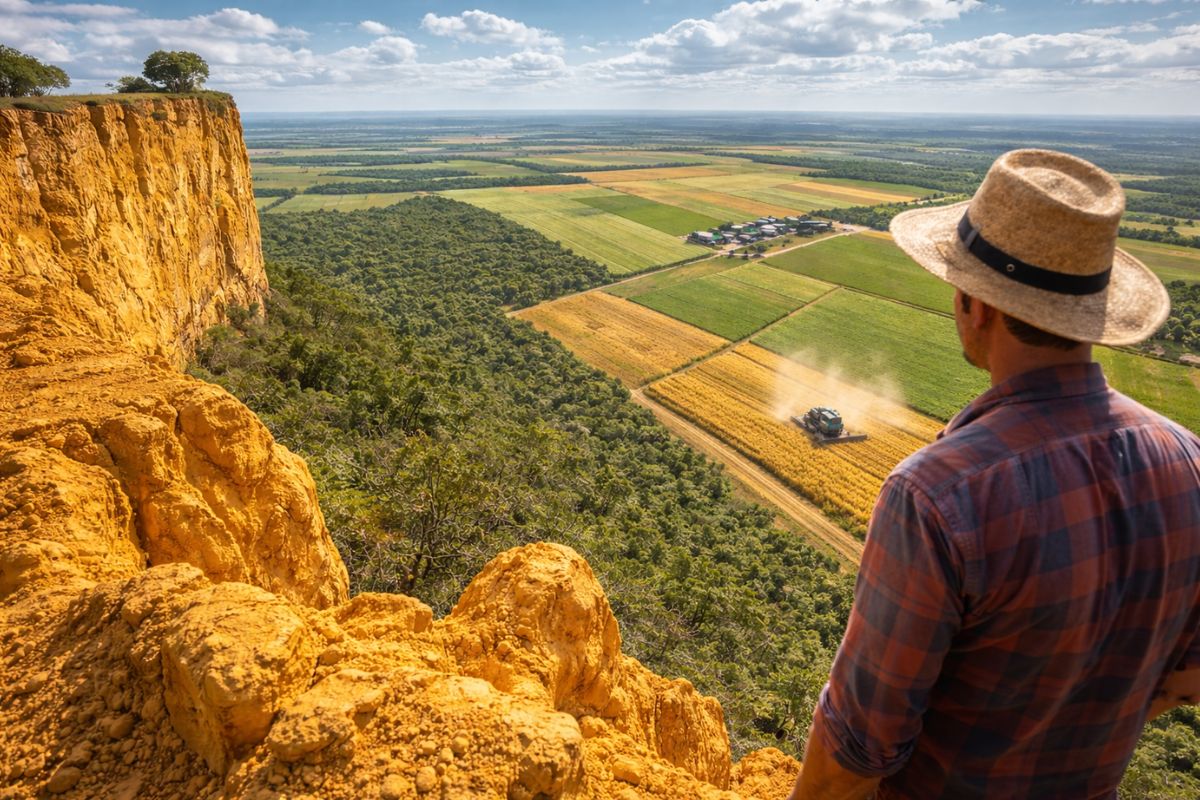
This rare yellow clay at the top of a plateau in northern Pará is transforming one of the poorest regions of Brazil into a new agricultural frontier, with producers already harvesting three crops a year from the same soil.
-
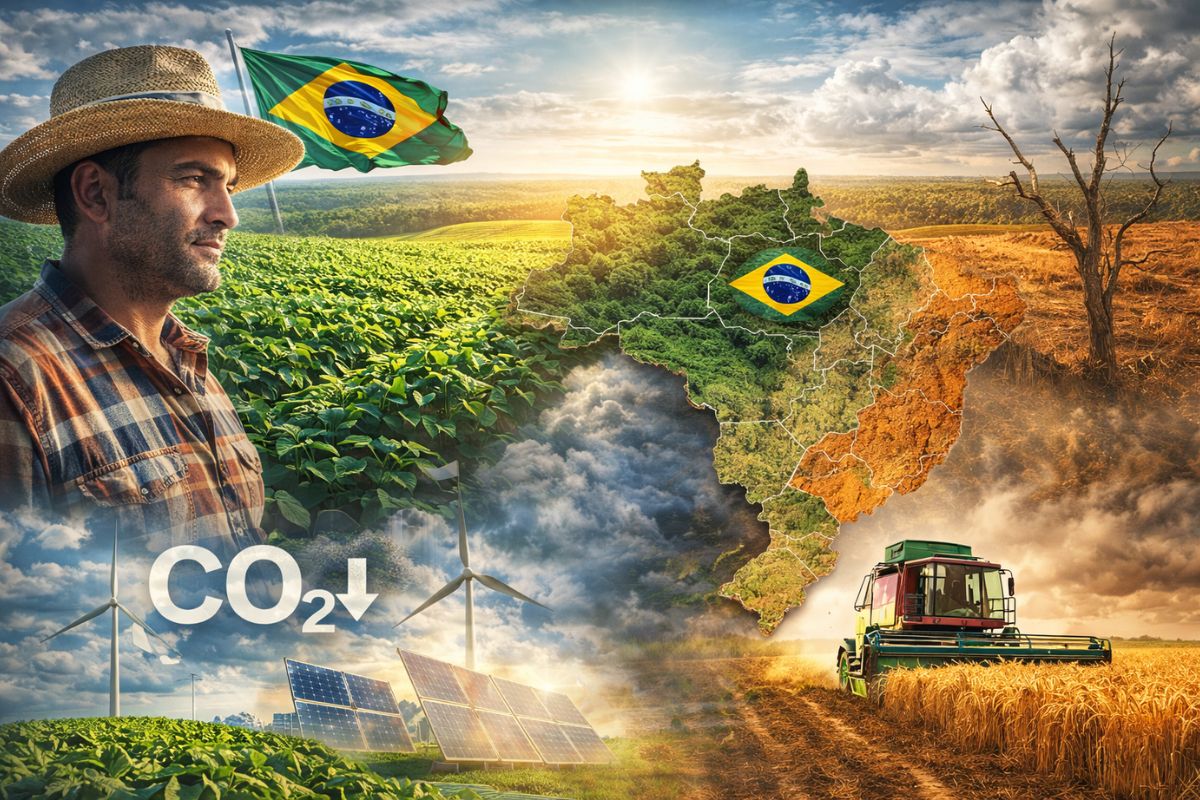
Brazil has avoided deforestation of 50 million hectares in the last three decades thanks to increased productivity in the field, and now low-carbon agriculture wants to prove that the country is part of the climate solution and not the problem.
-
Irrigation pond breaks on a farm in southern Piauí, leaving the reservoir empty and a trail of damage; nearly 1 billion liters flood a soybean field, causing losses, with no injuries reported, and the causes still officially unknown.

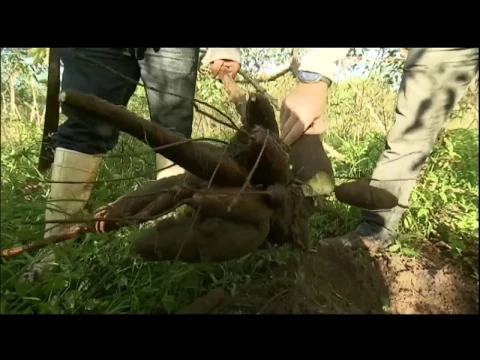

When colonization advanced, this ancestral technology was not replaced. On the contrary: it expanded, structured riverside and rural communities, and became the food base for the entire Northern region. What sustains Pará’s leadership today is not merely planted area but the historical continuity of a production system adapted to the Amazon.
Pará Cassava Does Not Depend on Large Properties
Unlike crops such as soy or corn, Pará cassava does not rely on large properties or high levels of mechanization. The strength of Pará lies in its productive capillarity. There are thousands of small and medium agricultural units scattered across continental areas, river islands, and riverbanks, producing in a decentralized and constant manner.
Even with this fragmented profile, the state outperforms highly mechanized regions of the country in volume. Cassava grows well in varied soils, tolerates periods of heavy rainfall, and adapts to the Amazonian conditions, which ensure supply stability even in difficult years for other crops.
Flour Houses as Economic Centers
In much of the interior of Pará, the economy revolves around flour houses. These spaces function simultaneously as production units, meeting points, and centers of income circulation. It is there that the root is transformed into a marketable product, adding value and ensuring sustenance for entire families.
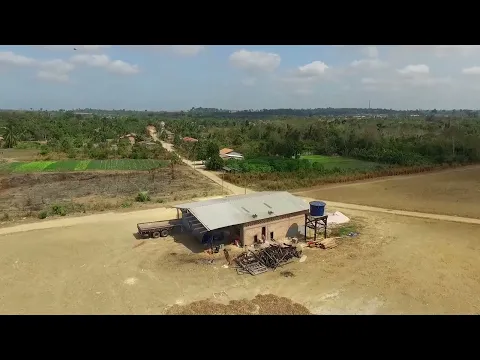
The cycle involves planting, harvesting, transporting, processing, and selling, creating a chain that directly employs producers, intermediaries, river transporters, and urban merchants. When production is good, the positive impact rapidly spreads through markets, fairs, and small businesses in the cities.
Pará Flour Is Not All the Same
Another factor sustaining the importance of cassava in Pará is the diversity of products. Pará flour has a clear regional identity, with variations that go far beyond appearance. There are differences in texture, roasting level, granulation, and flavor that cater to specific markets.
Water flour, dry flour, fine, coarse, white, or yellow not only carry technical characteristics but also cultural value. In many cases, consumers recognize origin solely by taste, reinforcing the connection between territory and product.
Entire Cities Depend on the Root
In several municipalities in Pará, cassava does not complement the urban economy: it sustains it. The income flow generated by flour ensures movement in fairs, supplies regional markets, and keeps commercial activity active throughout the year.
When harvests are affected by climatic or logistical factors, the impact is immediate. Reduced production reflects on prices, supply, and local income, highlighting how this chain is strategic for the economic stability of entire regions.
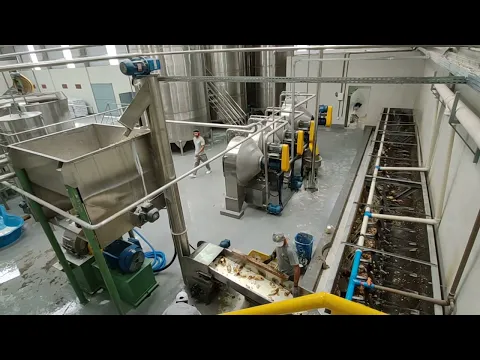
Although based on historical practices, cassava production in Pará has not remained stagnant in time. In recent years, there have been advancements in variety improvement, pest resistance, soil management, and productive organization through associations and cooperatives.
These advancements have allowed productivity gains and greater regularity in supply, without altering the Amazonian production model. In some regions, cassava has ceased to be merely a subsistence crop and has begun to integrate regional and interstate markets with higher added value.
Low External Dependency as a Strategic Advantage
One of the most unique aspects of Pará cassava is its low level of dependence on industrial inputs. The crop requires little heavy mechanization, reduced use of chemical fertilizers, and adapts well to the region’s natural conditions.
In a scenario of agricultural input price volatility, this model proves to be extremely resilient. Cassava continues to be produced even when other chains struggle with high costs, reinforcing its importance as a base for food and economic security.
Despite the national leadership in volume, Pará faces significant challenges in expanding cassava’s presence in the Brazilian market. Logistics is the main obstacle. Poor roads, long distances, and dependence on river transportation increase costs and reduce competitiveness.
Furthermore, informality remains high in part of the chain, hindering access to credit, certifications, and broader marketing channels. These factors help explain why such a large production remains largely invisible in the national economic debate.
An Invisible Granary of Brazil
Even with these hurdles, Pará’s strategic role is undeniable. In a country where cassava is present daily on the table, whether as flour, tapioca, cheese bread, or in regional dishes, the state functions as a silent granary, supporting dietary habits and local economies.
The largest cassava production in Brazil does not emerge from multinationals or mega-projects. It arises from the daily repetition of ancestral knowledge, passed down from generation to generation, which transformed a resilient root into one of the pillars of the country’s food security.
In the end, Pará cassava reveals an uncomfortable truth for modern agribusiness: not all leadership is built with giant machines or capital-intensive investments. Some are born from deep adaptation to the territory and the continuity of knowledge that spans centuries.
And it leaves us with the reflection: how many of the most basic foods on your table depend on regions that rarely appear in the national economic news?









-

-

-

-

-

-

42 pessoas reagiram a isso.