





 Portuguese
  English
  Spanish
 4 min of reading


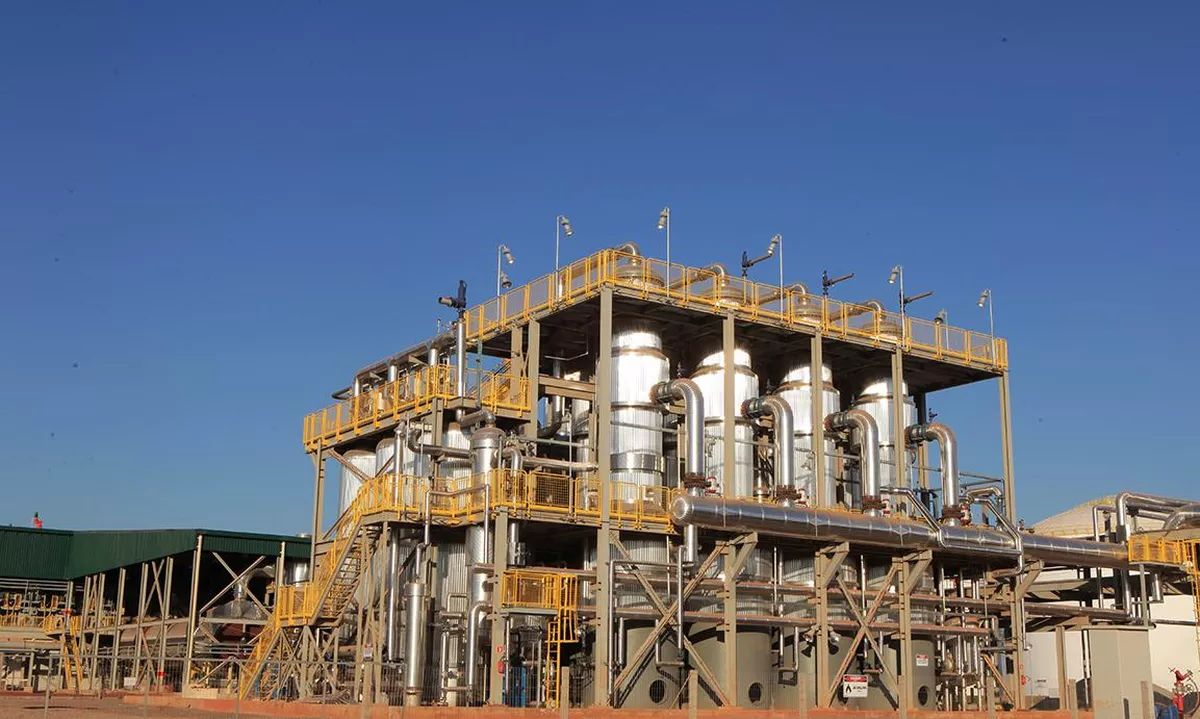
Marino José Franz, A Farmer From Lucas Do Rio Verde (MT), Is One Of The Most Influential Figures In The Agribusiness Sector And, In 2023, He Will Turn 60. In 2012, When He Launched His First Project Of US $115 Million To Build A Corn Ethanol Production Plant, Many Considered Him “Crazy.”
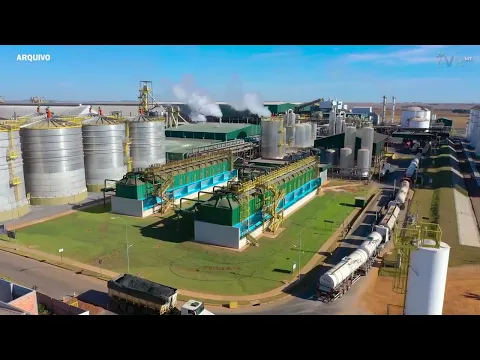
But His Vision Was Proven Over Time: Today, FS Produces 1.4 Billion Liters Per Year Of Corn Ethanol, And By 2026, The Fourth Unit Will Be Operational. Franz Explains That To Invest In Mato Grosso, You Need To Understand Brazil And The Demands That Exist In The Country.
The State Has A Large Area For A Relatively Small Population – 3.5 Million Inhabitants – And That’s Why It Is Traditionally An Exporter. To Illustrate This Reality, Franz Compares It To The Eastern Zone Of São Paulo, Which Has 4.6 Million Inhabitants. With His Motto “From Crazy To Visionary,” Marino José Franz Has Shown That It Is Possible To Succeed Even In The Face Of The Most Complex Challenges.
FS Agrisolutions, A Joint Venture Between American Millionaire Bruce Rastetter And Franz, Former Mayor Of Lucas (2005 To 2012), Has Stood Out In Recent Years For Its Efforts To Bring Technological Advancements To Corn Ethanol Production. Recently, With Revenue Of About R $6.6 Billion In Its Last Year-End Financial Statement, This Company Was Considered The Fourth Largest Ethanol Producer In The Country.
-
Brazil’s oil exports soar with record purchases from China, potentially generating a new cycle of economic growth, increasing external revenues, and consolidating the country as a global strategic supplier.

-
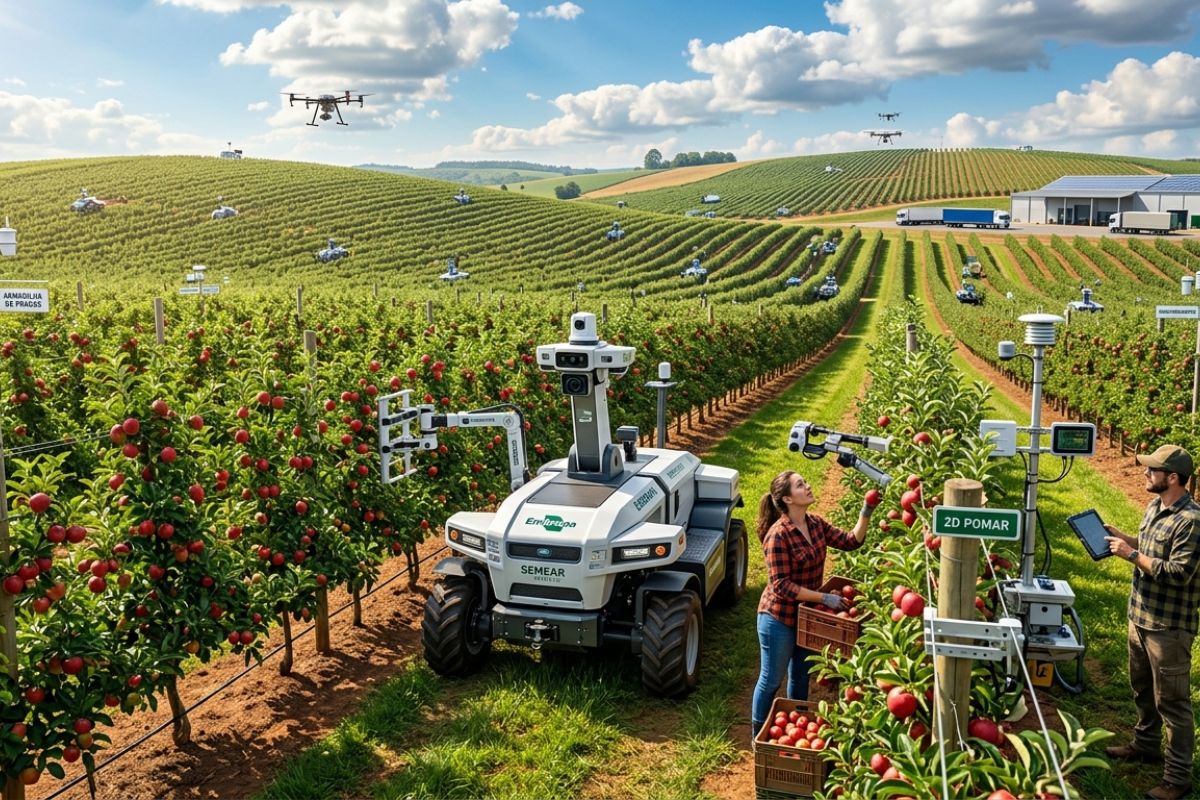
From manual harvesting to robotics: Vacaria, the apple capital, becomes an Embrapa laboratory in Semear Digital, with point-to-point mapping, pest traps, traceability, and 2D orchards to combat labor shortages.
-
São Paulo has connected its two airports by rail for the first time in history, and now you can travel by train from Congonhas to Guarulhos for just R$ 5.40. However, the journey requires four transfers, takes about two hours, and only operates during a narrow time window that almost no one can use.

-
In 2026, Brazilian soy becomes airplane fuel: Corsia mandates SAF, oil gains a premium of 40% to 80%, biorefineries alongside crushing plants and long-term contracts remove the producer from the commodity discount.

Currently, Brazilian Investments In The Corn Ethanol Sector Total R $30 Billion, And It Is Expected That By 2030 More Than R $15 Billion Will Be Invested. The National Union Of Corn Ethanol Estimates That By 2026, 75 Million Tons Of The Cereal With Added Value Will Be Produced. Last Year, 4.39 Billion Liters Of This Fuel Were Produced.
The FS Project Aims To Contribute To This Growing Production And Will Start Operations Next Year. In This Way, They Also Aim To Enable The Use Of Corn Kerosene In Brazil, Bringing A Major Advancement To The National Aviation Industry. Thus, FS Agrisolutions Is Truly Revolutionizing The Exploration Of Corn Ethanol In Brazil And Contributing To The Country’s Environmental Sustainability.
The Giant Corn, The Technology That Changed The Agricultural Market Of Lucas Do Rio Verde. Since 1992, When The Rio Verde Foundation Was Established, The Search For Services And Events Has Intensified.
The Foundation’s Task Is To Adapt Technologies To The Local Reality, Which Was Evident Last Year With A Profit Of R $11 Million. This Amount May Even Double By 2026 With Investments In Seed Laboratories.
The Revolution Is In Productivity. If Previously It Was 50 Bags Per Hectare, Today It Is Possible To Reach 200 Bags Per Hectare. This Directly Impacts The Producer’s Economy, Who Can Increase Their Revenue Simply Through The Adoption Of Technology. Agronomist Rodrigo Marcelo Pasqualli Highlights That Today More Than 45% Of The Efforts Of The Rio Verde Foundation Are Focused On Corn, As It Has Genetic Potential That Cannot Be Wasted.
Technology Was Fundamental In This Process, As It Allowed Farmers To Achieve Great Results And Become More Competitive In The Market. It Is Through This That Giant Corn Has Come To Permanently Change The Agricultural Landscape Of Lucas Do Rio Verde.
The Corn Cereal, Which Was Previously Simply Stored Outdoors, Now Has A More Profitable And Lucrative Destination: The Production Of Corn Ethanol.
According To Engineer Pasqualli, This Is Due To The Growth Of Local Demand For This Cereal In Human And Animal Feed. However, The Main Legacy Of This Crop Is The Arrival Of Ethanol Plants, As They Offer People A Chance To Generate Profit From This Grain.
In Addition To Corn Ethanol, The Plants Also Produce Other Co-Products, Such As Highly Protein-Rich Corn Fibers And The Yeasts Used In Fermentation, Which Are Sold As DDG (Dried Distillers Grains) And WDG (Wet Distillers Grains). These Co-Products Are Ideal For Animal Feed.
The FS Company Processed 3.3 Million Tons Of Corn Last Year, With 1.2 Million Destined For The Production Of Co-Products. This Represented 19.5% Of The Operational Revenue. According To Franz, Vice President Of The Foundation’s Board Of Trustees, “The Growth Curve Of Corn In The Coming Years Will Be Much Higher Than The Growth Curve Of Soy.”
With A Minimum Price Of About R $23 Per Bag And A Market Price Of Around R $60, The Federal Government Had To Issue A Check For R $2 Billion Last Year Just To Equalize The Minimum Price Of This Grain. The FS Company Collected R $540 Million In State Taxes And R $85 Million From FETHAB (State Transportation And Housing Fund), Resulting In Benefits For Those Working In This Area.
Therefore, It Is Undeniable That This Corn Ethanol Culture Has Come To Change The Lives Of Brazilian Farmers. The Benefits Of This Transformation Are Already Being Felt By Those Involved In This Process!
Mato Grosso Continues Leading The Production Of 100% Corn Ethanol










Seja o primeiro a reagir!