






 Portuguese
  Spanish
  3 min of reading



The Company Equinor Aims to Become Neutral in Emissions by 2050 and Plans to Rely on the National Biofuels Sector. The Project for the Production of Green Diesel Aviation Bio-Kerosene with CNPEM Will Contribute to the Goals.
The National Center for Research in Energy and Materials (CNPEM) is in partnership with Equinor Brazil for strong investments in the national biofuels sector. The organizations have come together to study the feasibility of producing aviation bio-kerosene and green diesel from agroforestry waste. The project will have a total investment of around R$ 8.5 million from Equinor over the coming years.
With an Investment of R$ 8.5 Million from Equinor, Project in Partnership with CNPEM for Biofuels Production Will Boost the Company’s Environmental Commitment
Equinor has been seeking to expand its environmental commitment and minimize emissions in its operations over the past few years.
Now, the company has joined forces with CNPEM for the development of a project to enable the production of aviation bio-kerosene and green diesel from agroforestry waste.
-
Brazilian scientists are simultaneously advancing two research projects on clean hydrogen and driving solutions that could transform the energy matrix, enhance industrial competitiveness, and accelerate large-scale emission reduction targets.

-
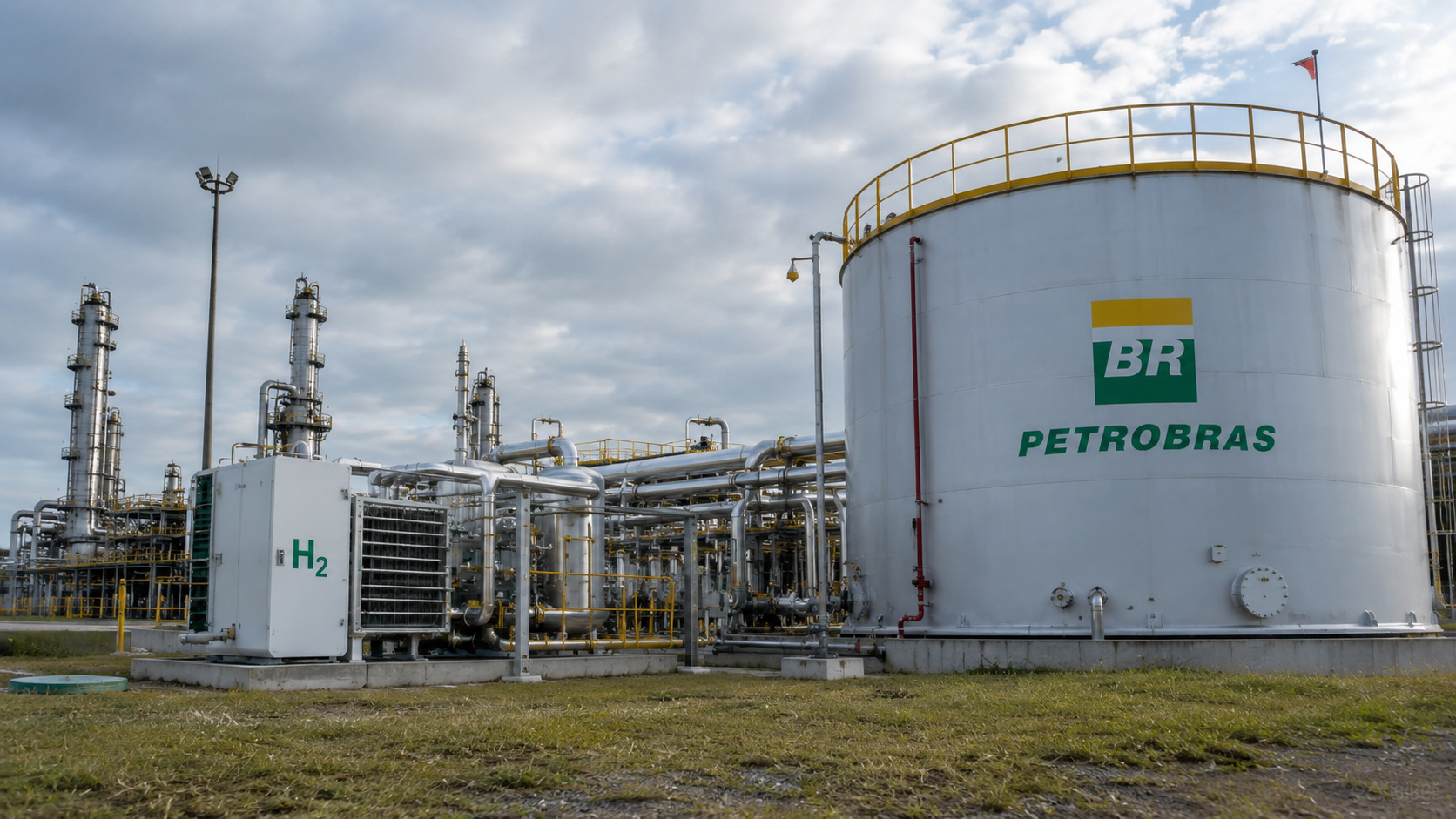
Advancement in renewable energy: A R$ 150 million project launched by Petrobras and Finep aims to create state-of-the-art electrolyzers for green hydrogen, strengthening national research and preparing Brazil to compete in a billion-dollar energy market.
-
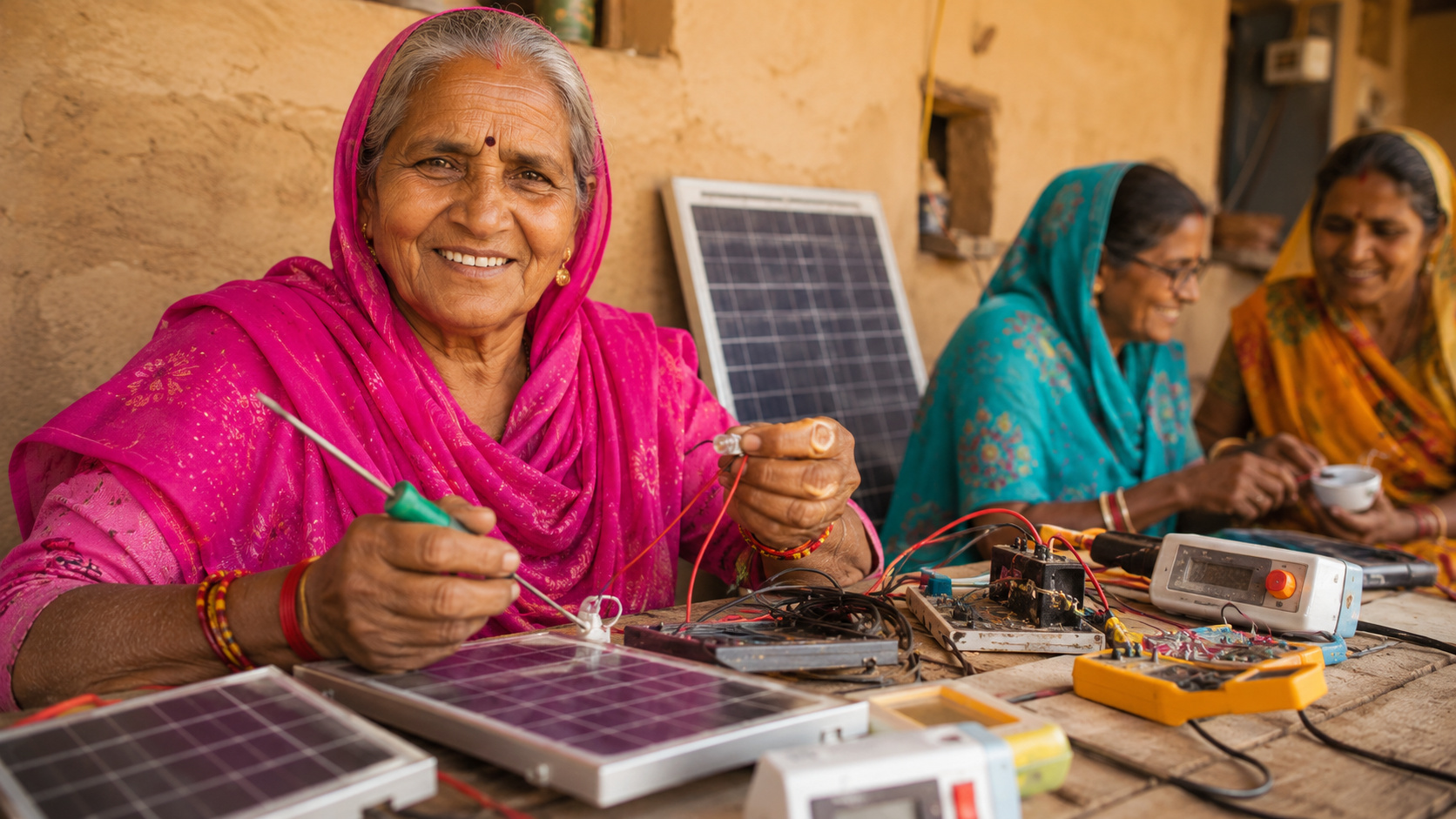
Illiterate or semi-literate grandmothers were trained to repair solar systems, open rural workshops, and light up homes that still depended on kerosene.
-
US$ 7 billion, green hydrogen, and steel with up to 95% less CO₂: the first green steel plant on the planet emerges in Sweden and targets Brazil as the next chapter



The goal is to contribute to the refining of a low-carbon emission hydrocarbon, in line with Equinor’s targets for reducing scope 1 emissions in the company’s operations.
The focus on the biofuels market is a trend that currently traverses various Brazilian companies, due to the high biomass potential that can be utilized in the country.
Thus, Equinor intends to invest R$ 8.5 million in the project’s development, in addition to R$ 4.7 million from the Brazilian Company for Research and Industrial Innovation (Embrapii) and economic counterpart from the Embrapii Biotechnology Unit of CNPEM.
The company sees aviation bio-kerosene and green diesel as an opportunity to boost the generation of sustainable transport fuels while reducing its own emissions.
By 2050, the company is preparing to become neutral in carbon emissions, thus investing in projects like the one with CNPEM to meet its targets.
By the end of 2030, the company plans to dedicate half of its investments to low-carbon and renewable solutions, advancing its neutralization plan.
Oil Company Celebrates First Project for the Production of Renewable and Advanced Biofuels in New Partnership with CNPEM
The project between Equinor and CNPEM for the production of aviation bio-kerosene and green diesel, both renewable and advanced biofuels, marks a new moment in the national market.
Andrea Achôa, Manager of R&D at Equinor Brazil, celebrated the announcement of the initiative: “Through the partnership with CNPEM, we are taking an important step to collaborate on emission reductions in our operations, one of the focuses of our global strategy. Research and development are fundamental for us to shape the future of energy, and academia is a key part in this sense.”
Through the R&D initiative, several activities will be carried out at the National Laboratory of Bio-renewables (LNBR) of CNPEM to understand the molecular mechanisms for the decarboxylation of fatty acids.
In the initial phase of the project, the focus will be on the production of renewable energy, which will be directed to the company’s energy operations.
In addition to CNPEM, the project will also involve international collaboration among researchers from Brazil and the Equinor Research Center in Norway.
Thus, Equinor invests in sustainability and environmental commitment for the coming years.







Be the first to react!