





 Portuguese
  English
  Spanish
  5 min of reading
  0 comments


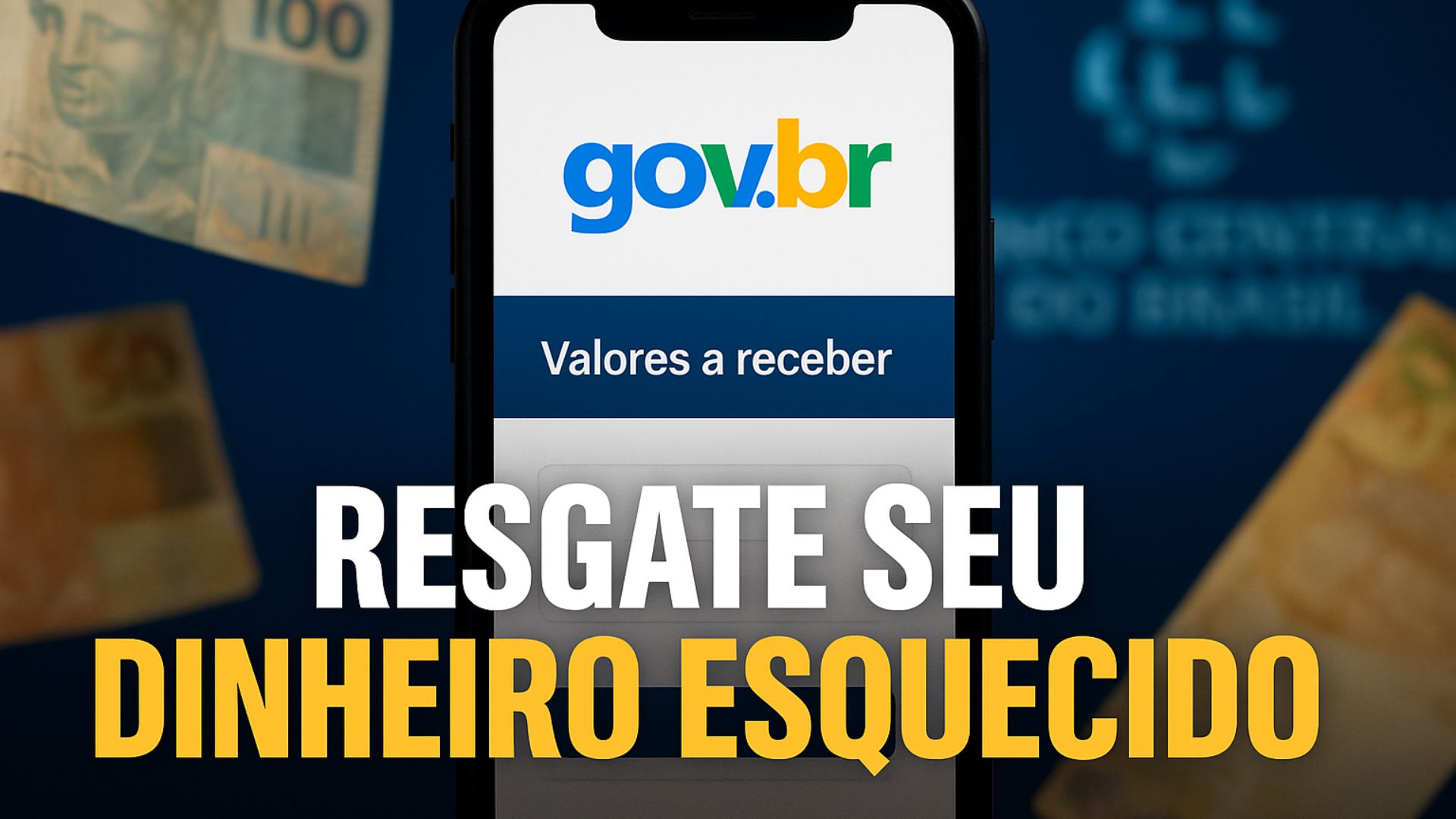
Millions of Brazilians Still Have Money Sitting in Banks and Financial Institutions, and the Central Bank Explains How to Recover These Forgotten Values Simply and Safely Using the Gov.br Account and Pix.
The Central Bank reported that BRL 10.46 billion remains available in the Values to be Received System (SVR) and can be claimed by 48.4 million individuals and 4.56 million businesses that have “forgotten” amounts in banks and other financial institutions.
Since the service was created in 2022, BRL 11.74 billion has been returned to the holders, but the majority of the eligible public has not yet requested the refund.
The recovery can be done online, and for individuals, there is an option to enable automatic requests, which uses the Pix key of type CPF for direct credit to the account.
-
Weak dollar or strong real? The American currency plummets for the third day, approaching R$ 5 and surprising the market with global inflation and tensions in the Middle East that continue to create global uncertainty.

-
China’s investments in Brazil in factories, energy, oil, electric cars, and new industrial projects double to $4.2 billion, making the country the 3rd largest global destination for Chinese capital.

-
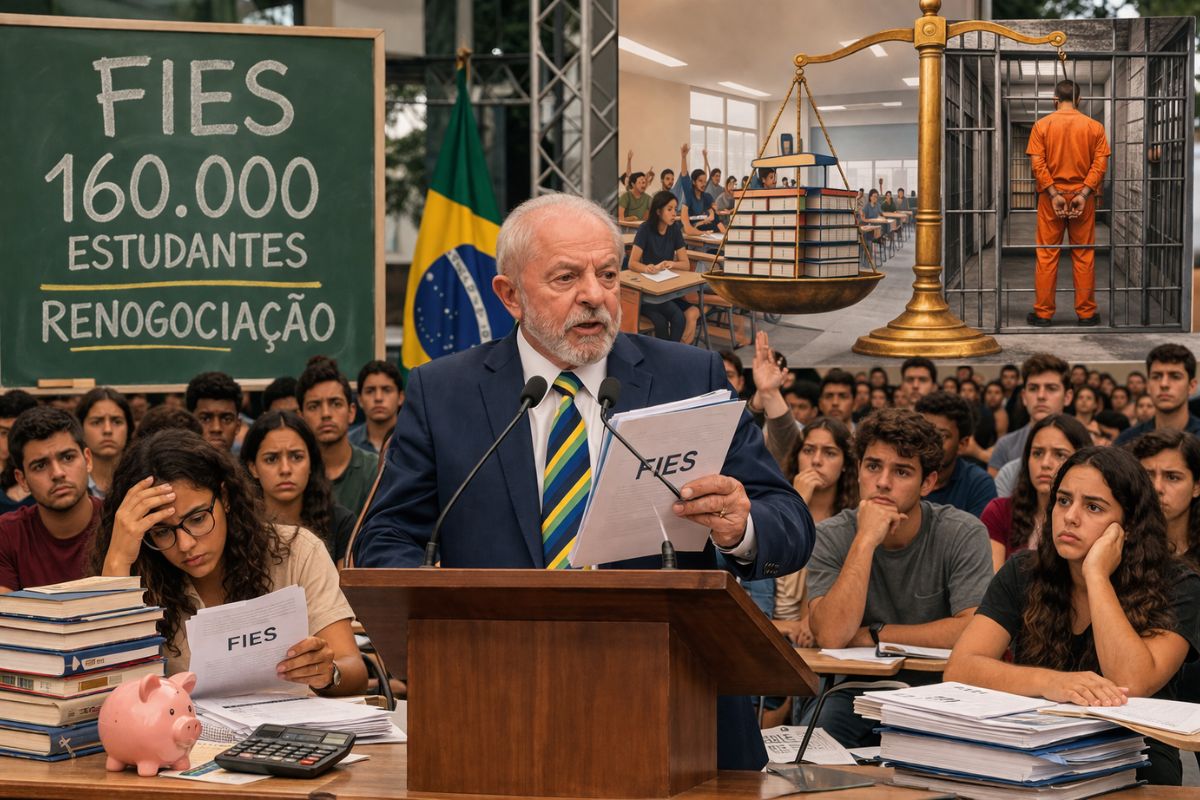
Lula announced that 160,000 students in debt with FIES will be included in the federal government’s renegotiation package and compared the cost of an inmate to that of a student by saying that Brazil invests in criminals when it does not invest in education.
-
Young people are leaving college in the United States and competing for jobs in construction with salaries of R$ 500,000 per year.

How Much Is Sitting and For Whom
According to the most recent statistics, BRL 8.08 billion belongs to individual account holders and BRL 2.37 billion is linked to CNPJs.
In terms of account holders, the universe entitled to withdrawal reaches 48.4 million citizens and 4.56 million businesses.
This money remains stored in the institutions until the holder requests its recovery and can be checked at any time on the official Central Bank platform.
Who Has Recovered and How Much Has Returned
The accumulated balance of the SVR shows that 30.3 million individuals have already recovered BRL 8.66 billion, while 3.2 million businesses received BRL 3.08 billion, totaling BRL 11.74 billion returned.
In recent months, the monthly return has remained high, with hundreds of millions of reais released to the holders.
How to Check and Request the Recovery
The first step is to check if there is a balance in the SVR.
The inquiry is made with a gov.br account and requires secure authentication.
If there are available amounts, the system itself guides the refund request, which occurs via Pix transfer to the account indicated by the holder.
The process is entirely digital, and there is no fee charged by the Central Bank or by the participating institutions.
Automatic Request: How It Works
Since May, individuals can activate the automatic request within the SVR.
The functionality allows that whenever a financial institution releases a new amount, the credit occurs automatically via Pix, using the Pix key of type CPF registered by the holder.
Participation is optional, free, and exclusive to individuals; businesses continue with the manual process.
To enable the service, it is necessary to access the SVR with a gov.br account of silver or gold level and two-step verification activated.
Then, the user must confirm the Pix key CPF that will receive future deposits.
Those who do not yet have this key can create it at their bank and then complete the activation in the BC system.
Security Requirements on Gov.br
The Central Bank emphasizes that the additional layer of security is mandatory.
The two-step verification (2FA) must be active on the gov.br account before accessing the SVR and enrolling in automatic recovery.
This protocol reduces the risk of unauthorized access and protects sensitive data, such as CPF and banking information.
Access to Values of Deceased Persons
Heirs, executors, legal representatives, or testamentary can consult and request amounts from deceased persons.
In this case, access occurs with the personal gov.br account of the responsible party, and the system will require acceptance of a responsibility term and, when necessary, the presentation of supporting documents in the channels indicated by the financial institution holding the resource.
A similar situation applies to closed businesses, whose legal representative also operates with their own gov.br account.
What to Do If the Institution Has Not Adhered to Automatic Pix
Although most of the financial system is integrated into the SVR, there may be cases where the institution does not participate in the automatic recovery.
In this case, the user will continue with the manual request within the platform, with specific instructions to complete the transfer.
The unavailability of the automatic option does not prevent the withdrawal; it only changes the operational flow.
Avoid Scams: Essential Care
The official guidance is to not click on links received via email, SMS, or messaging apps that promise fast inquiries or withdrawals.
The Central Bank does not contact to confirm personal data, passwords, or codes.
The verification of amounts and the request for refunds must be done exclusively through the official channels of the SVR and gov.br, with personal login and secure authentication.
Any approach outside of these environments should be treated as a fraud attempt.
Practical Steps, Without Leaving Home
In practice, the path involves few steps.
First, access your gov.br account with silver or gold level.
Next, activate the two-step verification and confirm the Pix key CPF at your bank.
Finally, enter the SVR, make the inquiry, and, if there are amounts, request the refund or enable the automatic recovery.
The credit goes directly into the account associated with the stated Pix key, without the need to go to agencies.
Who Has Not Yet Withdrawn
Despite the advances, a large number of holders who have not initiated the process remain withheld.
There are tens of millions of CPFs and CNPJs with residual balances—in many cases, small amounts resulting from overcharged fees, inactive accounts, terminated consortia, refunds, or leftovers from old transactions.
The Central Bank recommends periodically checking the SVR, as new institutions may include amounts over time.
Have you already checked if your CPF or CNPJ appears in the SVR and considered enabling automatic recovery to avoid leaving money sitting in the system?







Seja o primeiro a reagir!