





 Portuguese
  English
  Spanish
  4 min of reading
  4 comments


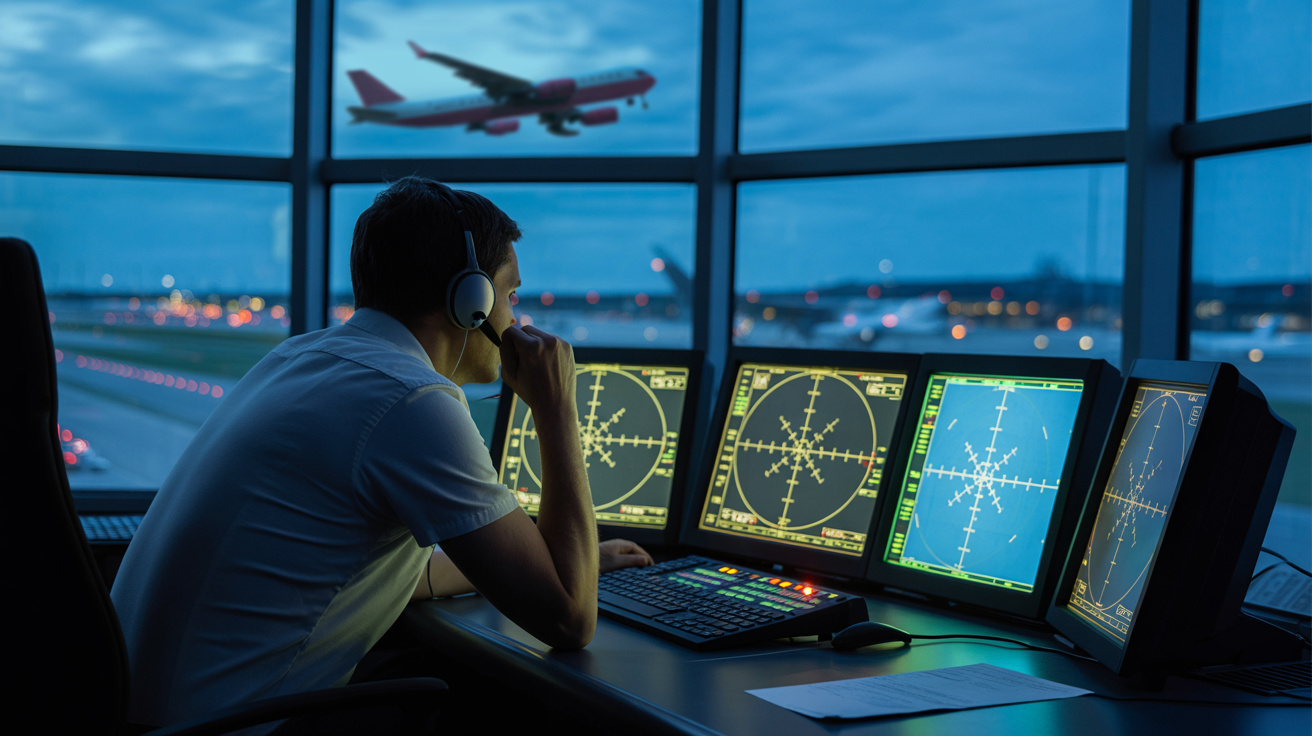


Air Traffic Controllers Earn Over US$ 130 Thousand Per Year in Countries Like the US, Germany, and the UK, But Face Decisions in Seconds That Impact Hundreds of Lives.
While millions of passengers traverse continents trusting that everything will go as planned, there is a group of professionals working under almost invisible pressure. They do not pilot airplanes, do not appear in the aircraft windows, and are rarely remembered when the landing occurs without incidents. But it is they who keep the system running. Air traffic controllers are among the highest-paid professionals in civil aviation in several developed countries.
In the United States, according to data from the Bureau of Labor Statistics, the average annual compensation exceeds US$ 130 thousand. In European countries like Germany and the UK, salaries are also among the highest in civil aviation.
But the compensation comes with an uncommon responsibility: decisions that need to be made in seconds that can affect hundreds of lives at once.
-
Goodbye iron: new technology from Xiaomi promises to revolutionize the way we iron clothes with 500 kPa steam, continuous flow of 120 g/min, heating in 65 seconds, and six smart modes for different fabrics.

-
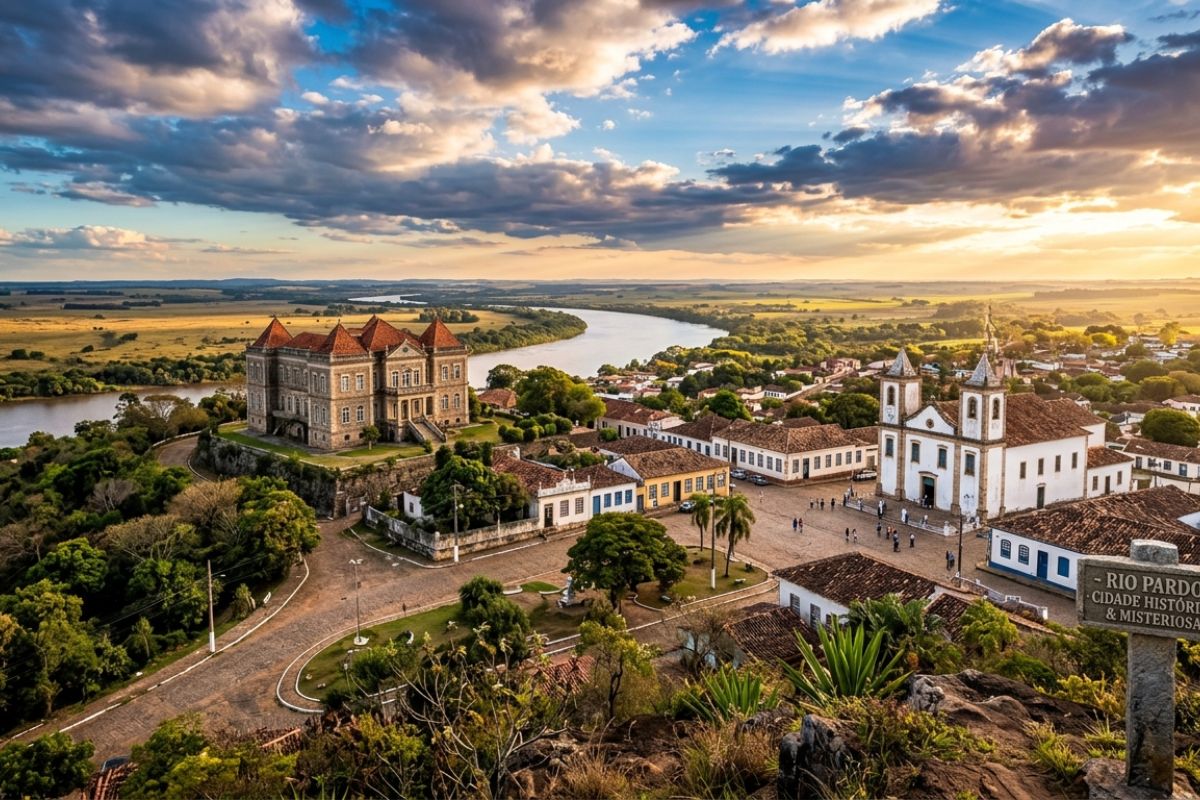
Rio Pardo, the most mysterious city in Rio Grande do Sul: untouched Pampas castle, the missing treasure of the Devil Boy, bride’s saint, invisible tunnels, and a 200-year curse today.
-
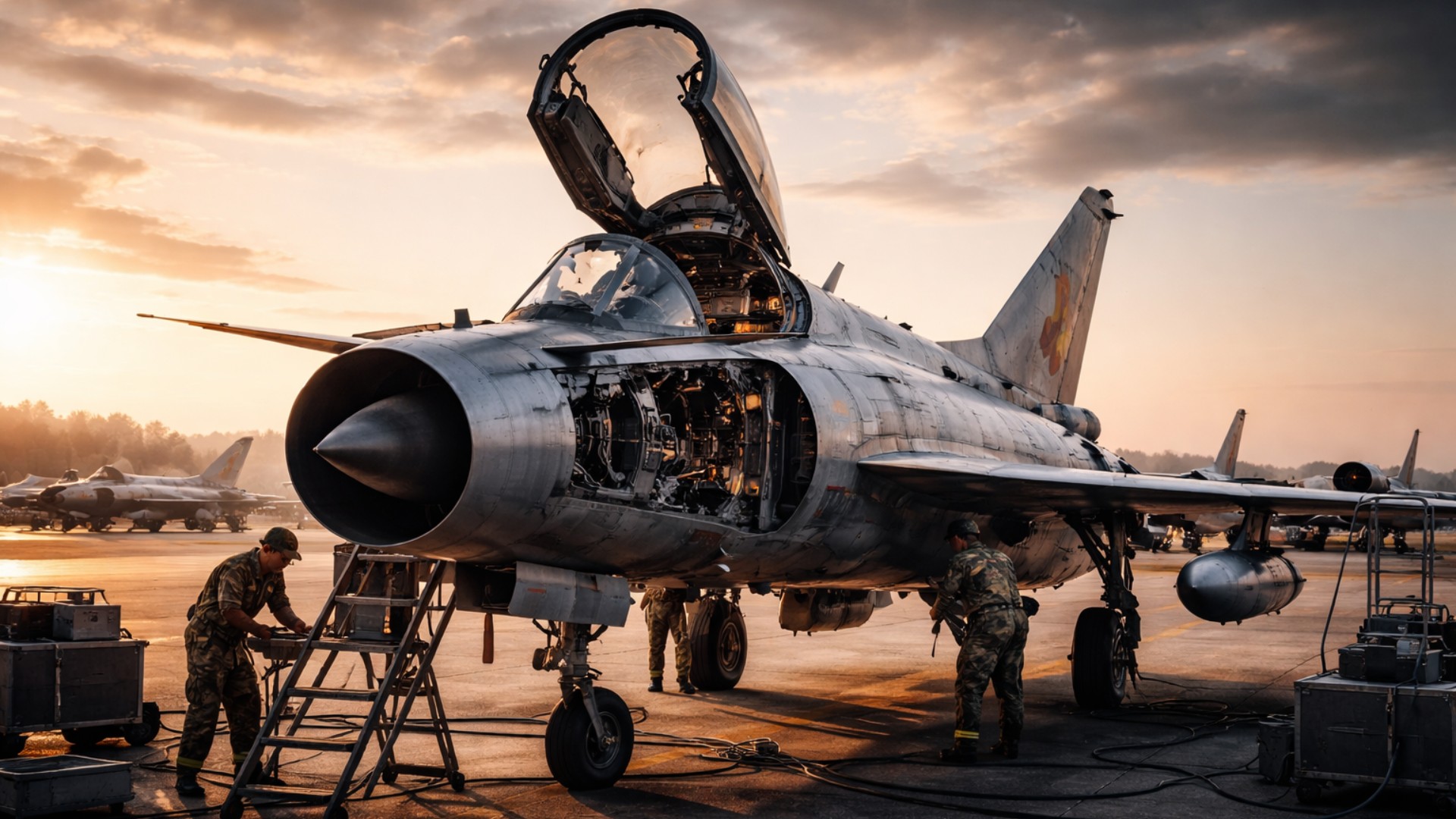
China retires the J-7 fighter after years of military protection and can now transform military items into drones, following more than 60 years of operation of the J-7, derived from the MiG-21, with thousands of units produced and strategic use in the PLAAF and PLANAF.
-
Volunteers are sought to live in the mountains for a month: a study pays people to stay at 2,500 meters, with 24-hour monitoring of sleep, metabolism, and blood pressure.

What Does an Air Traffic Controller Do
The main function is to coordinate landings, takeoffs, and flight routes to avoid collisions and ensure safe flow in airspace.
They work in control towers, regional control centers, or approach units. Each environment has specific functions:
- In the tower, they coordinate landings and takeoffs within the airport.
- In control centers, they monitor aircraft on long-distance routes.
- In approach units, they organize traffic arriving at airports.
Airspace is divided into sectors, and each controller is responsible for a defined area. In busy airports, dozens of aircraft can be under the responsibility of a single professional at the same time.
Decisions in Seconds and Minimum Margin of Error
Every minute, multiple variables need to be considered:
- Speed of Aircraft
- Altitude
- Weather Conditions
- Distance Between Planes
- Unexpected Route Changes
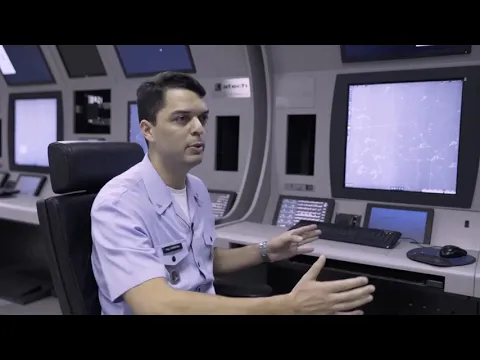

The minimum separation between aircraft is strictly controlled by international regulations. An error can pose a risk of collision or serious incidents. Thus, training is long and rigorous.
How Is Training and Certification
In the United States, candidates must undergo specific training approved by the FAA (Federal Aviation Administration). After that, they still face supervised practical training that can last for years.
In Brazil, military controllers undergo training in the Brazilian Air Force. In European countries, certifications follow EASA (European Union Aviation Safety Agency) standards.
The approval rate is usually low. The process includes psychological evaluations, logical reasoning tests, operational memory, and the ability to handle extreme stress. Technical knowledge is not enough. The role requires emotional control.
High Stress and Mental Fatigue
Several international studies indicate that air traffic controllers are among the professions with the highest levels of occupational stress.

The constant need for attention, combined with the responsibility for human lives, generates intense psychological stress.
Thus, many countries limit working hours. Shifts usually do not exceed 8 hours, with mandatory breaks throughout the work period.
In some locations, retirement occurs earlier than in other professions, precisely due to accumulated mental fatigue.
Why Are Salaries High
The compensation reflects three main factors:
- High Responsibility
- Complex and Selective Training
- Shortage of Qualified Professionals
Moreover, the impact of an error can be catastrophic. The global aviation system relies on layers of safety, and the controller is one of them.
In countries with heavy traffic, such as the United States, Germany, and the UK, the daily volume of flights requires highly trained and well-paid teams to maintain operational stability.
Invisible Routine That Supports the Global Air System
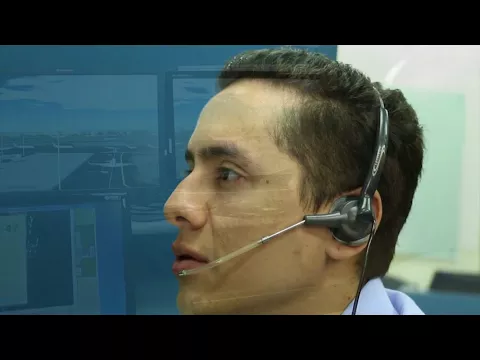
In busy international airports, such as Atlanta, Frankfurt, or Heathrow, thousands of flights are coordinated daily. Each authorized takeoff, each change of altitude, each approved landing undergoes human decision-making.
Although technologies like advanced radar, ADS-B systems, and automation assist, the human factor remains central.
Controllers do not simply follow systems. They anticipate conflicts, reorganize traffic in case of storms, manage medical emergencies in flight, and coordinate aircraft declaring emergencies. It is a continuous job of monitoring and decision-making under pressure.
The Paradox of the Profession
The more efficient the controller is, the less visible they become. When everything works perfectly, no one notices their presence. But any failure, even a small one, gets immediate attention.

This is the silent nature of the role. They work in closed rooms, with multiple screens in front, headsets on their ears, and constant communication with pilots.
While passengers watch movies or sleep during the flight, someone is calculating distances, reorganizing routes, and ensuring that each aircraft maintains safe space in the sky.
One of the Most Critical Professions in Modern Transportation
Commercial aviation is considered one of the safest means of transportation in the world. Part of this safety index is directly linked to the air traffic control system.
Every day, thousands of flights cross the planet simultaneously. And in each sector of the airspace, there is a professional making decisions lasting seconds.
High salaries help attract candidates. But they are not sufficient for everyone. The pressure, responsibility, and level of concentration required drive many away. In the end, the air traffic controller occupies a strategic and little-visible position.
They are well compensated. They work under intense pressure. And they silently support a mechanism that keeps millions of people moving every day.








Controlador de tráfego aéreo no Brasil, praticamente quase 100% são prestado s por militares da FAB( Aeronáutica), formados na EEaer em Guatinguetá SP..
Remuneração baixíssima no Brasil…Creio que não chega a 5500 reais mensais em início de carreira, independente de onde esteja trabalhando..Seja na Grande São Paulo, seja em outra localidade de menor porte ou movimento de aeronaves. Ou seja: Ganho muito baixo pra responsabilidade, e características que esse profissional precisa ter.
Observação: 5500 reais brutos..Líquidos uns 4700..
Desculpe-me, mas esta matéria é um equívoco. Ou vc fala da Europa e EUA com altos salários, ou cita o Brasil, onde a categoria sofre todos os anos por um reajuste salarial e ganha uma esmola.
Pesquisem antes, por favor!
Fale sobre o ATCO ou PTA no Brasil, cuja profissão nem sequer é reconhecida. As condições de trabalho sao péssimas, os salários baixos.