





 English
  Francês
  Alemão
  Italiano
  Japonês
  Norueguês
  Portuguese
  Spanish
 3 min of reading



At a time in the economy when every penny needs to be well spent, I would like to draw attention to a problem we have as suppliers to the Brazilian industry. Of course, no businessman invests in their manufacturing facility thinking about wasting money, but that is what happens when maintenance is not followed rigorously.
The main point achieved when doing the homework on maintenance is the increased lifespan of machines. Make an analogy with your personal vehicle: if you drive and ignore the right times for oil, filter, and part changes, when it breaks down, you will certainly end up with higher costs and be without the car for a longer time.
To avoid this in the industrial context, there are two general models to be followed. Preventive maintenance is planned to occur at specific intervals. Predictive maintenance, which can also be periodically planned, uses measurements by devices to check the condition of the equipment and any necessary replacements.
-
Abandoned house for 15 years disappears in the woods, shocks owner with unrecognizable scenery and is reborn in an intense transformation after almost 90 hours of work in just 10 days.

-
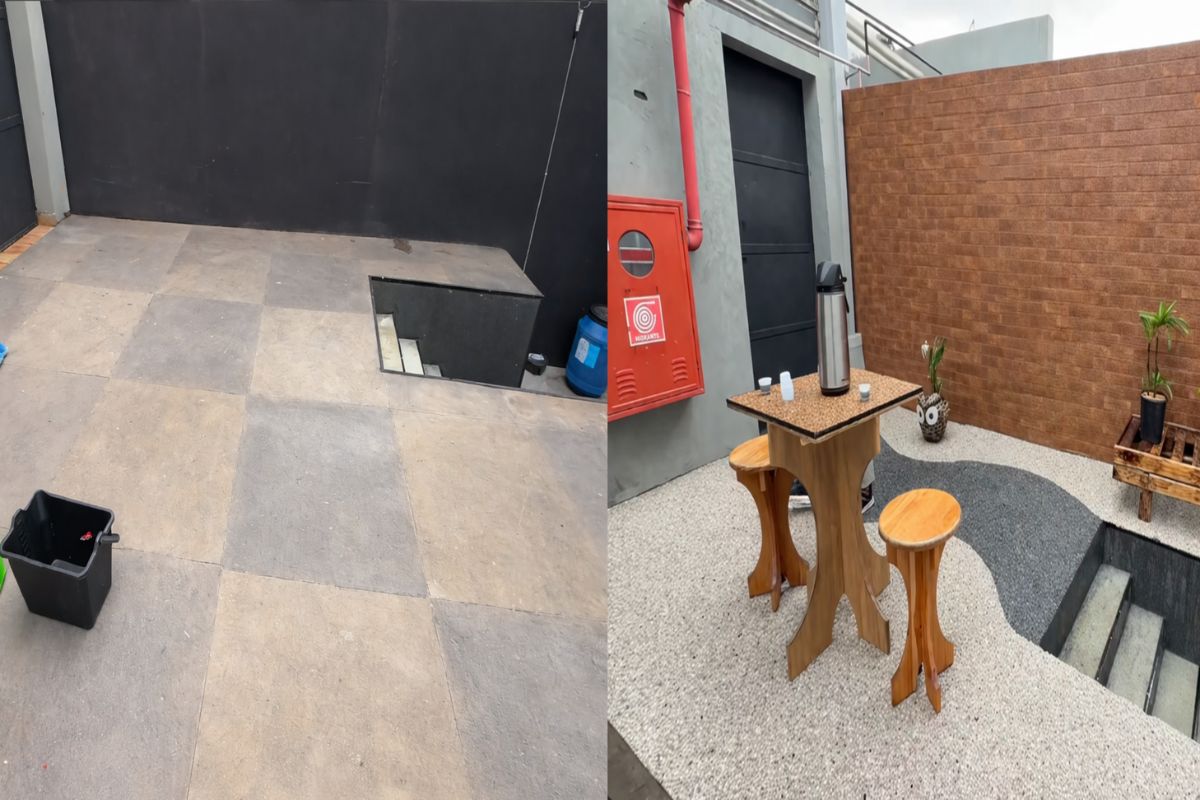
In just three hours, a natural stone floor transforms the entrance of the house with an organic effect, immediate drainage, and a sophisticated non-slip finish that doesn’t puddle water, dries quickly, and impresses with the final result.
-
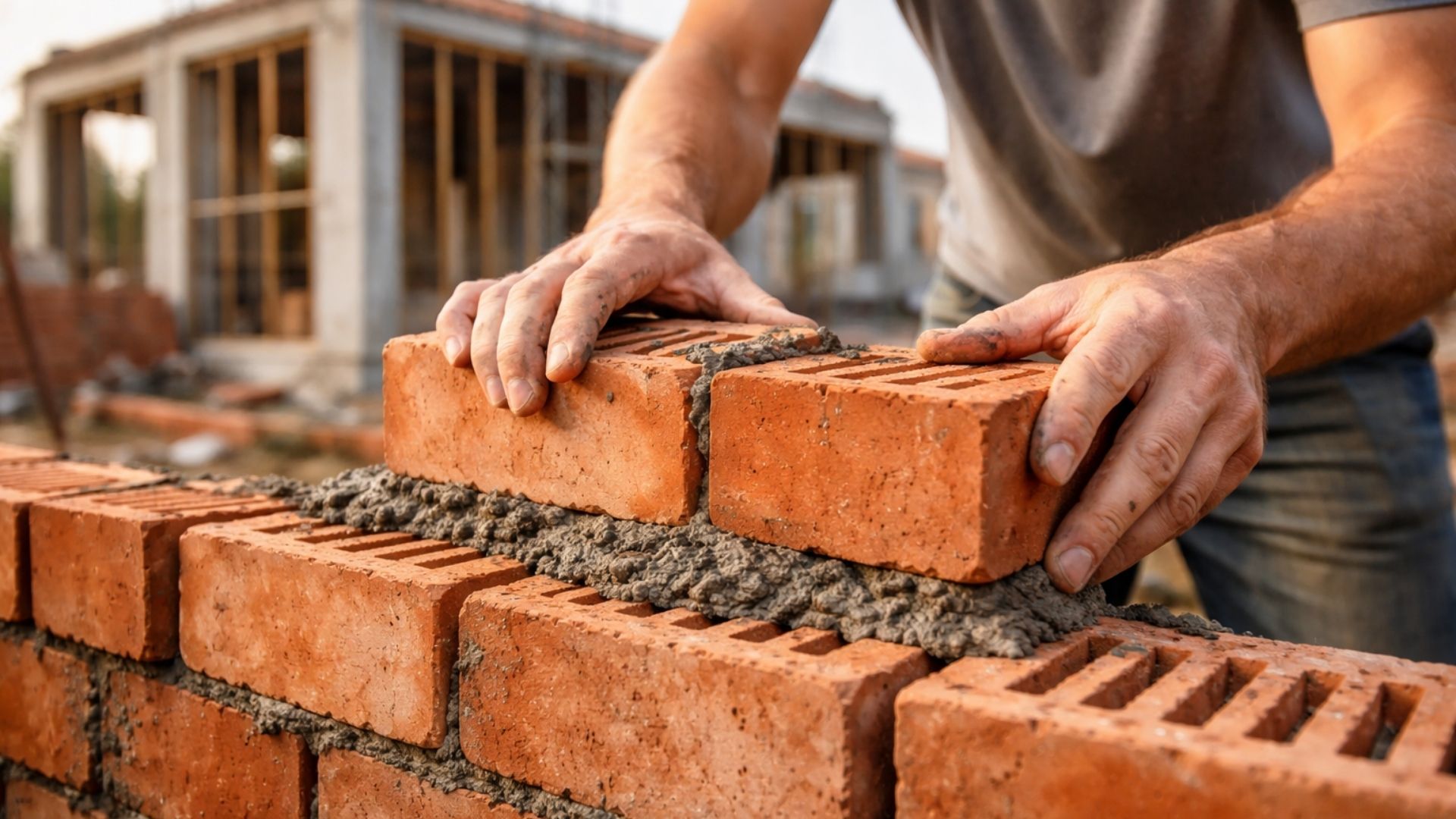
‘Interlocking brick’ made of earth arrives in the construction industry with cost reductions of up to 40% on the project.
-
Espírito Santo will receive the largest engineering project in its history with the duplication of BR 262, which will have 50 viaducts, 28 bridges, and 2-kilometer tunnels cutting through the most challenging mountainous region of the entire state.


Unfortunately, due to the condition of the equipment that arrives for restoration, it is evident that this care is not always taken. The result is an additional expense for the businessman. Trying to extend the lifespan of the equipment while ignoring maintenance is not a good idea.
It is important to remember that each industrial profile requires a type of planning for updates and replacements. In the case of the chemical industry, for example, each company must plan verifications according to the corrosive potential of the liquids they use.
- The Main Challenges in Civil Construction at the Moment
- Petroleum and Mechanical Engineering Students from POLI-UFRJ Win International Award for the 6th Time
- PetroRio Releases Operational Data for the Second Quarter of 2020
- On This Day 10, Perenco Opens Offshore Position for Instrumentation Supervisor in Rio de Janeiro
A good example of equipment that requires periodic replacements, but is often neglected, is the diaphragm of valve seals. It must be in perfect condition to prevent leaks. The replacement should occur at determined intervals, as a break can compromise other valve components or even the entire system.
For these cases, the German technology that arrived in Brazil this year called the Conexo System fits perfectly. It allows for the attachment of chips to various equipment in the manufacturing unit, which gather information on machine composition, maintenance dates, and even the name of the responsible professional. This resource aligns with the transformation of Industry 4.0 – using data provided by the equipment itself for decision-making.
Whichever maintenance model is chosen, the main recommendation is: follow the installation instructions, whether from the website, catalog, or another contact from the manufacturer. This will bring savings and peace of mind to your production process.
*Andreas Göhringer is the CEO of GEMÜ Valves, Measurement and Control Systems in Brazil.
About GEMÜ – The subsidiary of the German multinational founded by Fritz Müller in the 1960s provides the Brazilian market with extremely efficient and high-quality valves. The plant located in São José dos Pinhais (PR), which has 100 employees and celebrates 40 years in 2021, produces valves and accessories for the treatment of water and effluents in industries from all sectors, such as steel, fertilizers, and automotive, as well as for integrating energy generation systems. In the PFB (pharmaceutical, food, and biotechnology) sector, GEMÜ is a world leader and sells high-precision products throughout Latin America, with local service and consulting from professionals capable of guiding the choice of the best valve solution for each application.








Seja o primeiro a reagir!