Portuguese
  Spanish


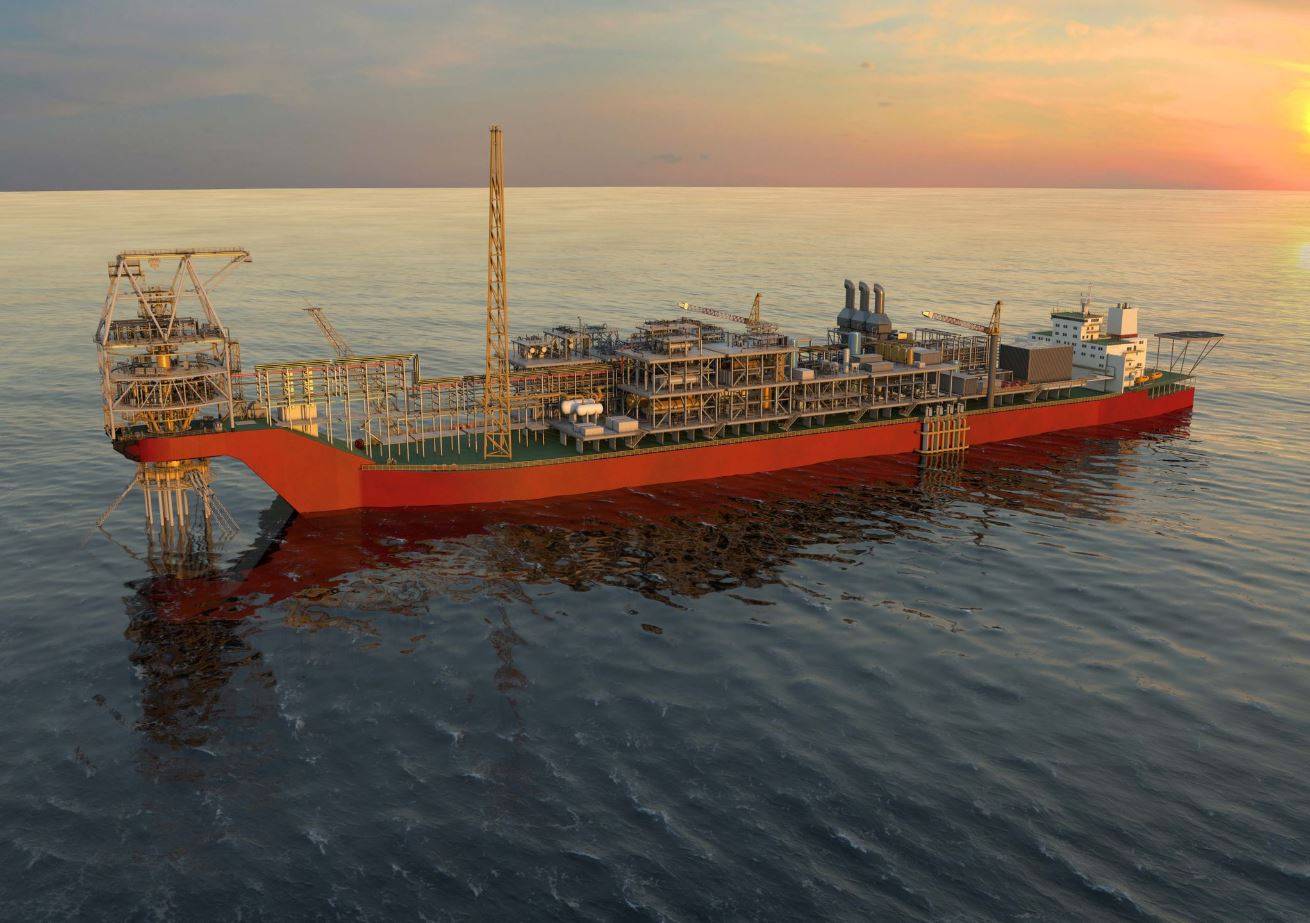

About 40% of the maintenance work performed by operators of Floating Production, Storage and Offloading (FPSO) units has been described as “unnecessary” by a report from Lloyd’s Register (LR) of the UK classification society
LR said on Wednesday that by reducing these unjustified hours, operators could save an average of nearly £600,000 (about US$ 750,000) per asset each year, equivalent to £15 million (US$ 18.8 million) over the life of an asset.
See Also:
- Petrobras Will Launch Proposal for the Largest FPSO in Brazil
- Despite Opposition from Congress, Government Defends Sale of Refineries by Petrobras
- Braskem Petrochemicals is Looking for an Intern
Using its asset performance maintenance software, AllAssets, LR found that, on average, FPSO operators could spend 500 hours per specific group of equipment on maintenance activities that do not reduce the risk of failure or preserve the facility’s uptime.
-
Brazil’s ANP Opens 86 New Oil Blocks in the Equatorial Margin, Expanding the Amazon River Mouth Frontier

-
OPEC+ Boosts Oil Supply by 188,000 Barrels per Day in July 2026, Leading to Price Drop from $112 to $89 per Barrel in Under Two Months

-
TotalEnergies Signs 20-Year Deal to Purchase 2 Million Tons of LNG from Alaska, Boosting Project Viability
-
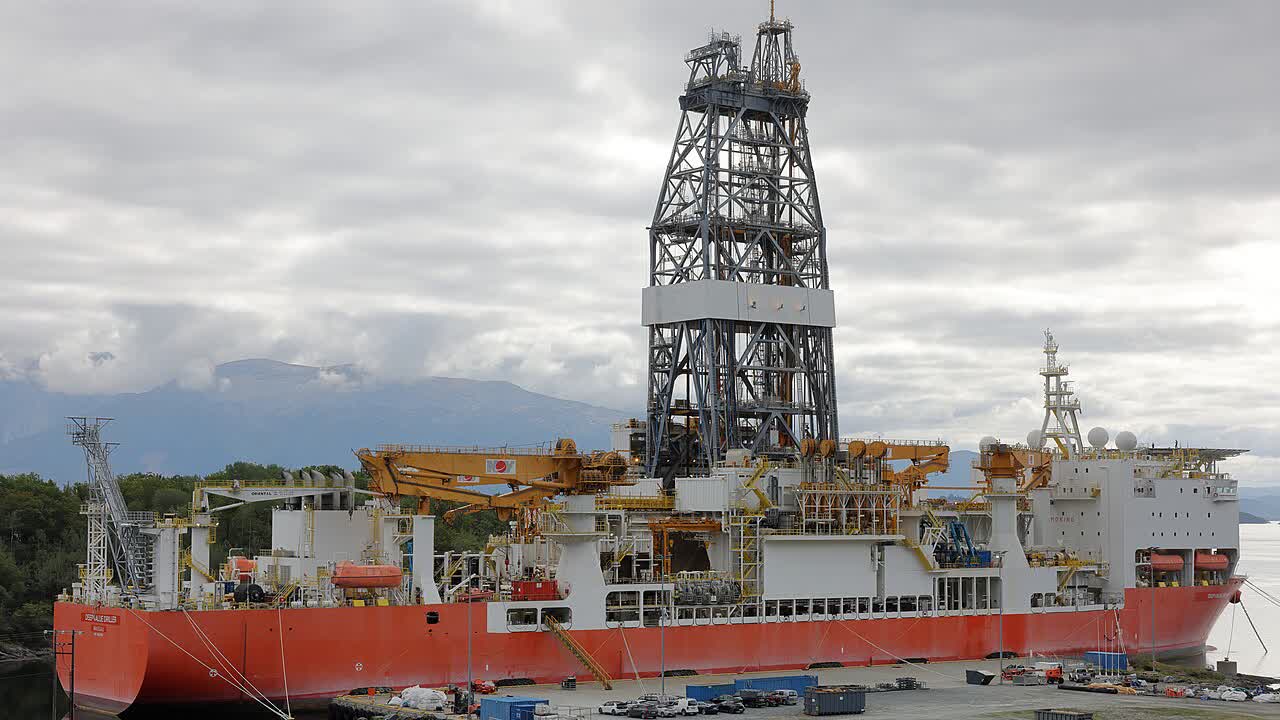
Turkey Deploys Çağrı Bey Drilling Ship to Explore New Oil Frontier Off Somalia’s Coast

LR’s findings identified room for improvement in the way maintenance is planned, highlighting the need for a consistent strategy across equipment groups, systems, and production units.
Relying solely on the original equipment manufacturer (OEM) guidelines meant that operators were unable to qualify whether maintenance activities were essential. LR argued that the OEM guidelines do not take into account the ever-changing nature of offshore operations.
As a result of this approach, there is an increased risk of failure as a maintenance backlog is generated, increasing spending and misdirecting resources.
Victor Borges, Lloyd’s Register voice expert in FPSO maintenance optimization, said: “In an environment that combines energy and maritime assets, FPSO operations are extremely complex. […] operators are under more pressure than ever to manage costs and prioritize maintenance activities that reduce risk. Therefore, operators can gain significant benefits from our findings, which highlight areas for improvement in the way maintenance activities are planned.
“There is a perception that implementing methodologies that can help optimize maintenance activities is time-consuming, complex, complicated, and costly. This attitude, however, only creates a vicious cycle of solving small problems rather than designing a systematic, informed, and optimized maintenance strategy. This approach would lead operators to save significant time and money in the long run.
“[…] operators need to adopt a risk-based maintenance approach, allowing them to cut unnecessary spending, free up resources, and reduce maintenance delays.”