






 Portuguese
  Spanish
  3 min of reading


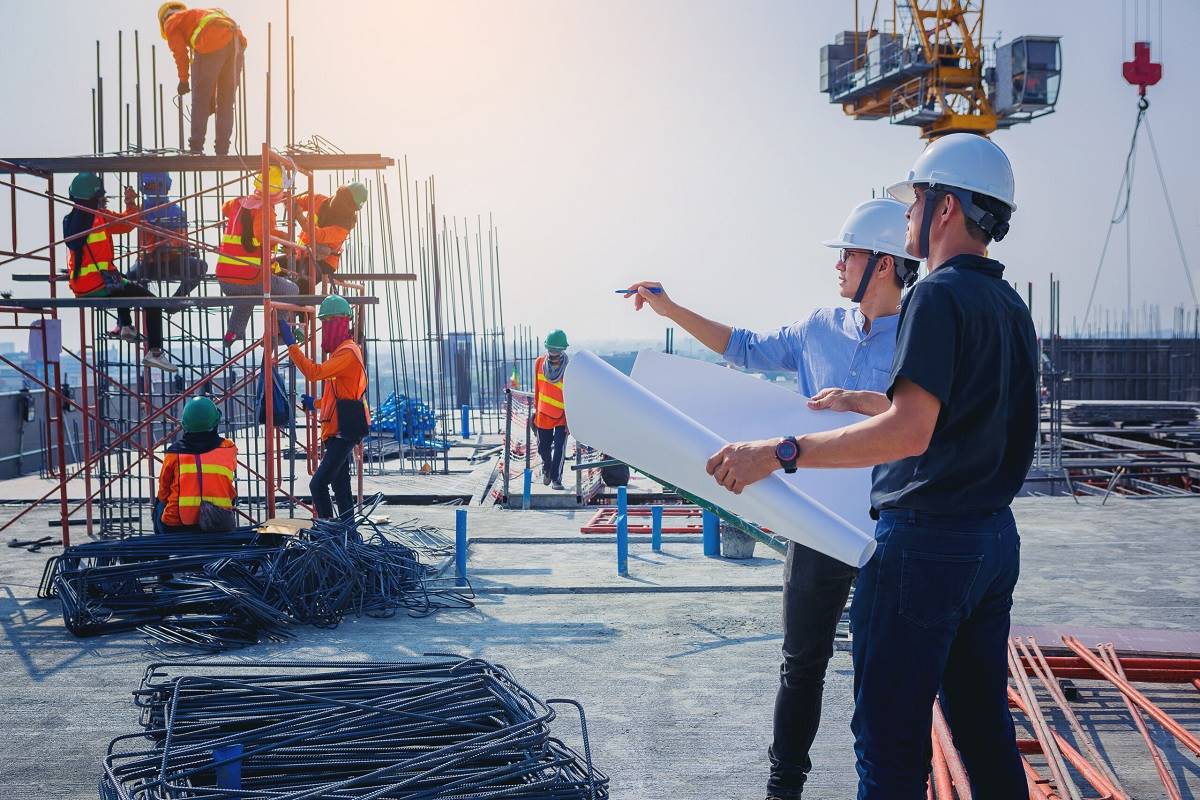
After the construction sector went through a long period of slowdown, it started to regain strength in the market beginning in 2019. According to IBGE, during this period, in the second quarter of 2019, the sector recorded a growth of 2% compared to the previous period.
However, despite being a very positive record for construction companies, the segment is facing consecutive new challenges.
The pandemic caused by the new coronavirus, also known as Covid-19, for example, caused the sector to abort the growth that was already taking shape.
-
They built an entire village in Wales with houses made of straw, clay, wood, and recycled materials, where families produce their own energy, collect rainwater, and live in one of the most famous sustainable housing projects in Europe.
-
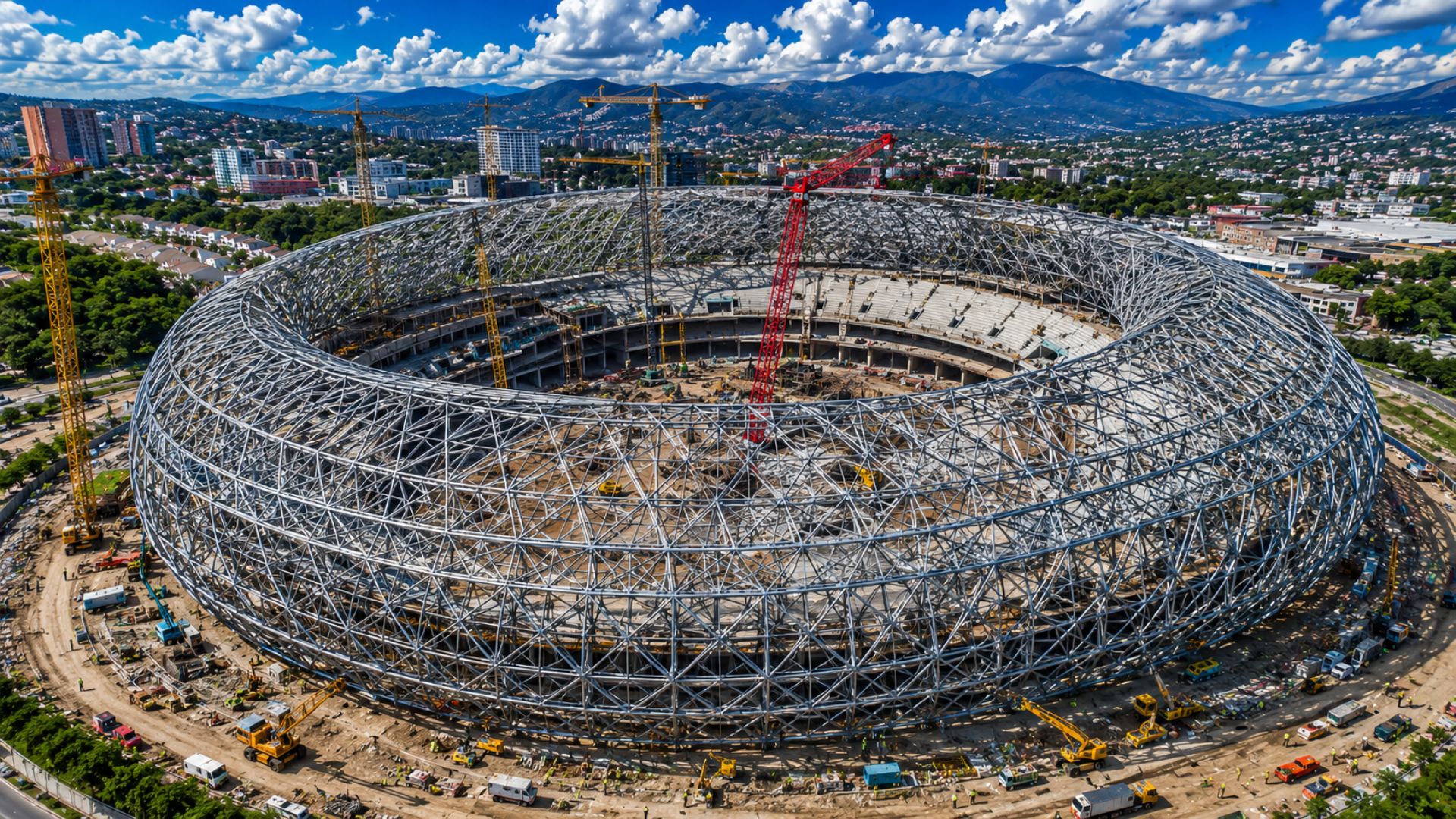
Mega stadium of R$ 2.5 billion financed by China completes perimeter metal structure at 40 meters above ground in El Salvador, with stands and internal systems advancing in parallel towards delivery in 2027

-
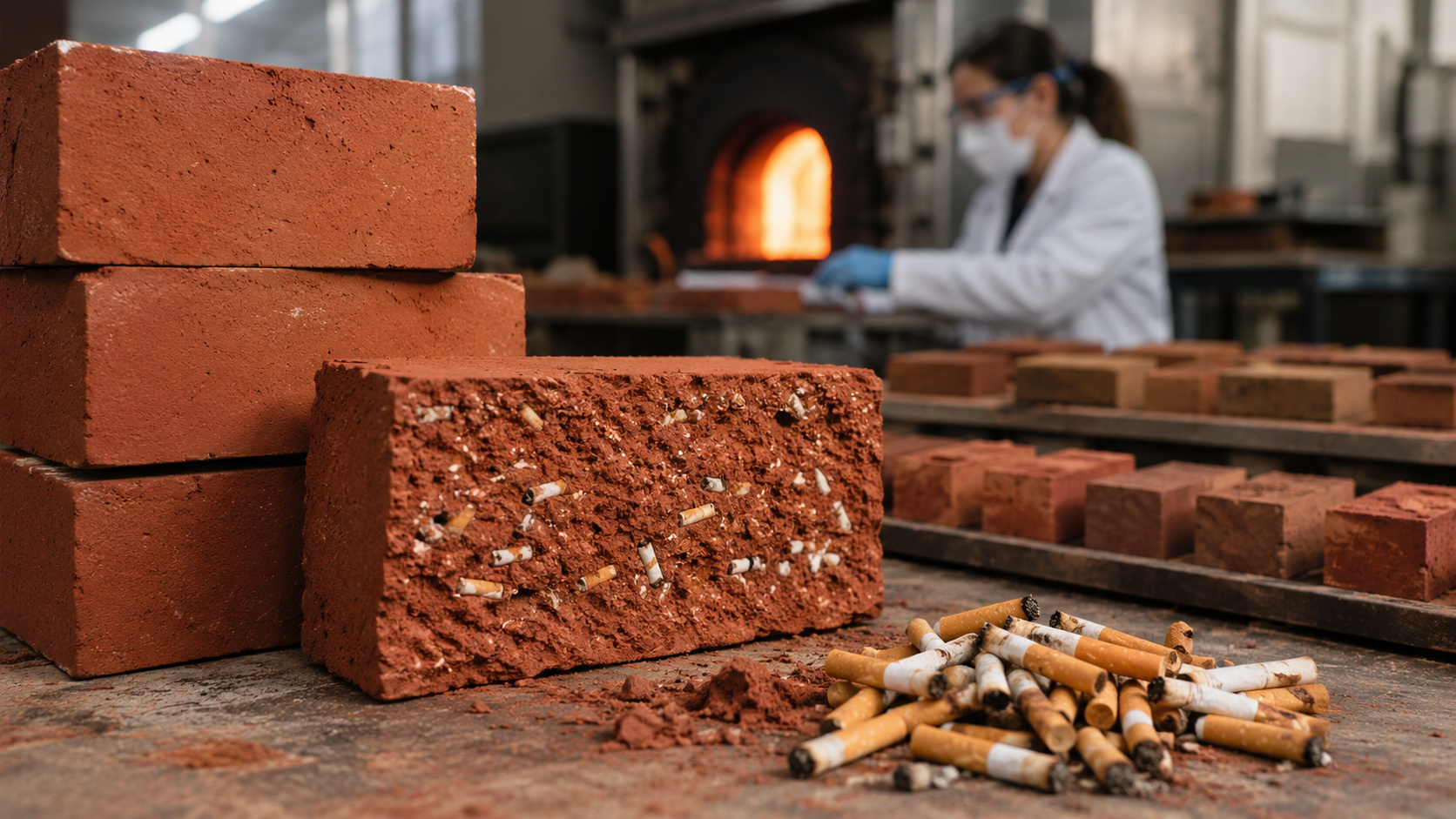
Bothered by millions of bricks discarded every year in Norway, a company cuts old pieces into thin slices, secures them with a metal system, and transforms demolition into a new 1,800 m² facade.

-
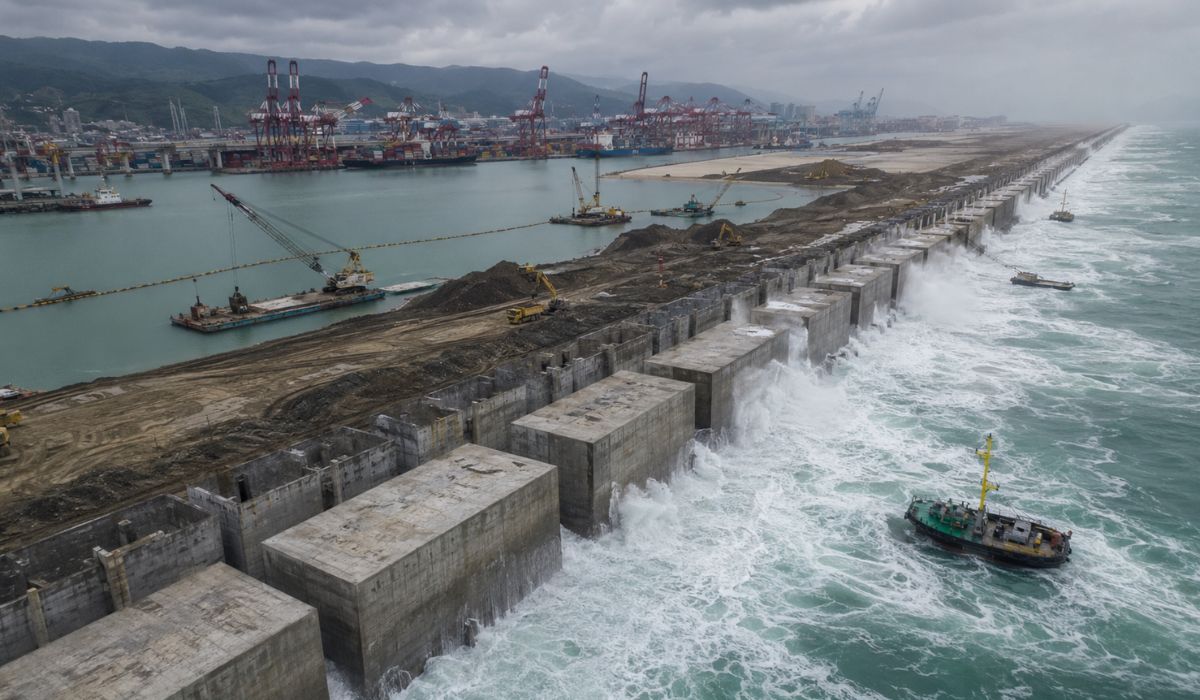
Taiwan erects a 4 km maritime wall in the Port of Taipei, installs concrete coffers against waves up to 7 meters, and transforms dredged sediments into new land to expand one of the island’s most strategic ports.


And not only construction companies but other organizations in the sector, such as shipyards, ports, bearing manufacturing companies, naval construction firms, among others, are also currently facing difficulties to operate in the market.
“However, Brazilians are very creative, and when the scenario becomes more predictable, there will be answers to overcome this difficulty,” says Fábio Vital, architect and head of Fator Vital Projects, Management, and Consulting, in an interview with AECweb’s podcast.
Taking this information into account, in this article we will discuss the main challenges faced by the construction sector at this time. Enjoy your reading!
Health at Stake
Even in the face of the Covid-19 pandemic, activities in the construction sector continue to operate and do not stop during the quarantine period.
As a result, the health of workers and the need for PPE and professionals such as safety technicians and nursing technicians, among others, at work sites have become essential.
According to civil engineer Antônio Galvão: “We do not work in confined spaces. It is totally ventilated. Those over 60 years old are put on leave. If any professional has health issues, they do not work. We ask others to avoid crowds, increase breaks, and divide teams.”
However, on the other hand, Wanderson Leite, CEO of Prospecta Obras, explains the dangers that professionals face: “We do not have exact numbers, but we know that many masons, masonry assistants, and construction foremen are over 50 years old. And they are not worried about this scenario or are not taking the necessary precautions. This could become a widespread problem.”
Problems with Material Delivery in the Construction Sector
Another challenge faced by construction companies is problems with material delivery. Some essential resources for carrying out construction projects, such as aluminum frames, among others, can delay the delivery time for properties and constructions.
After all, the industrial sector also needs to adapt to the reality of Covid-19. Many industries that supply various items to construction companies, such as in the case of membrane keyboards, or even naval industry materials can cause a general delay in activities in the sector during the pandemic.
Did you enjoy our content? Let us know! We want to hear your opinion. Don’t forget to follow us in the upcoming articles on the subject!
This article was written by Rafaela Ricardo, Content Creator at Soluções Industriais.




Be the first to react!