





 Portuguese
  English
  Spanish
  4 min of reading
  0 comments


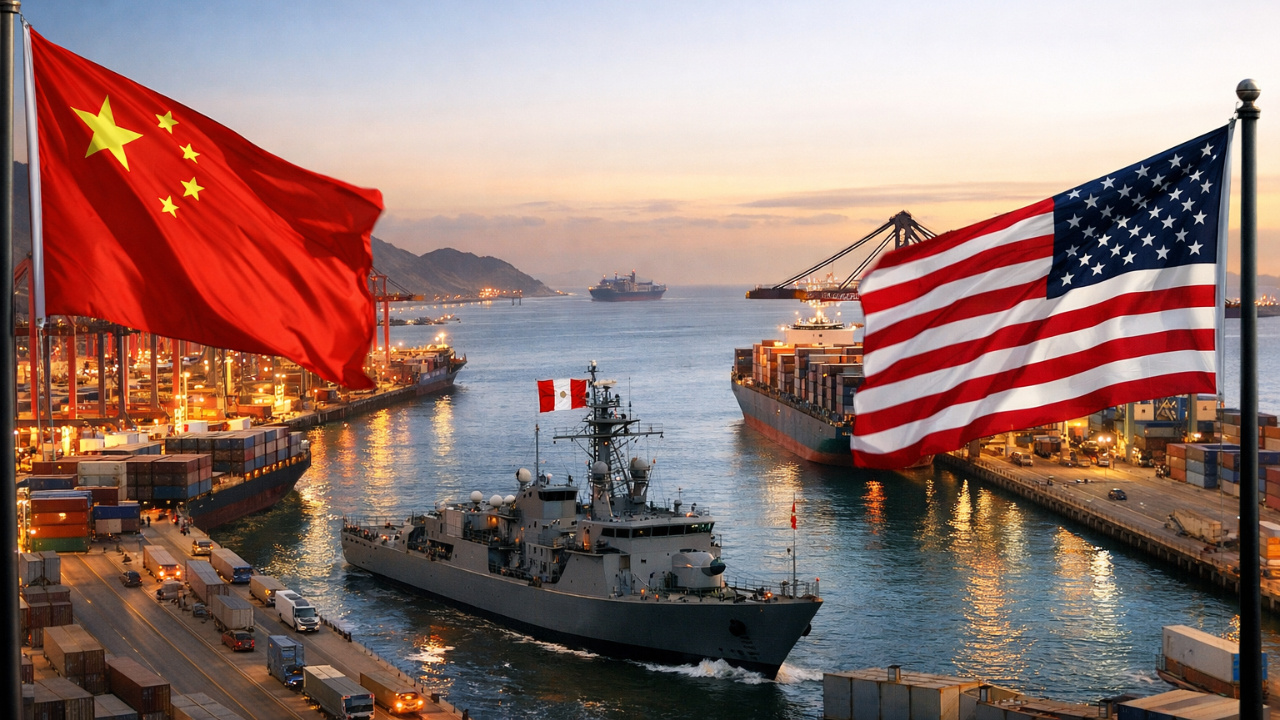
China and the USA dispute maritime geopolitics in Peru focusing on strategic ports and global influence in maritime trade.
The dispute for global influence gained a new chapter in recent weeks when the United States announced an investment of up to $1.5 billion to restructure the naval base in Callao, Peru, while China advances with the megaport of Chancay, less than 80 kilometers away.
The move involves two of the world’s largest powers, occurs on the Peruvian coast, in the Pacific Ocean, and aims to expand control over maritime trade routes.
The strategy combines investments in infrastructure, military cooperation, and logistical expansion, precisely because dominance in these areas ensures long-term economic and geopolitical advantage.
-
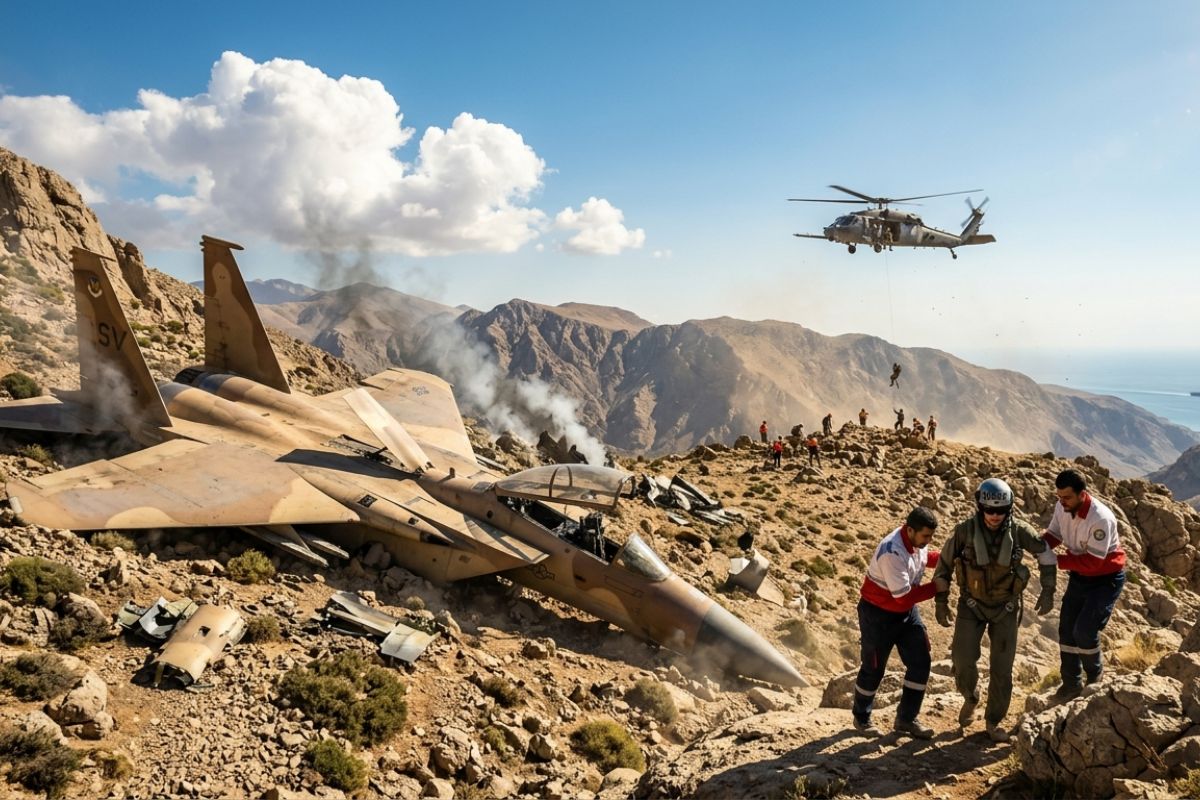
Iran shoots down two US aircraft: F-15 fighter crashes in mountainous area, one crew member is rescued and another is still missing; second crash in the Persian Gulf exposes still active air defense, says US intelligence.
-
USA and China compete for Brazil over resources that could be worth trillions — rare earths put the country at the center of a global dispute

-
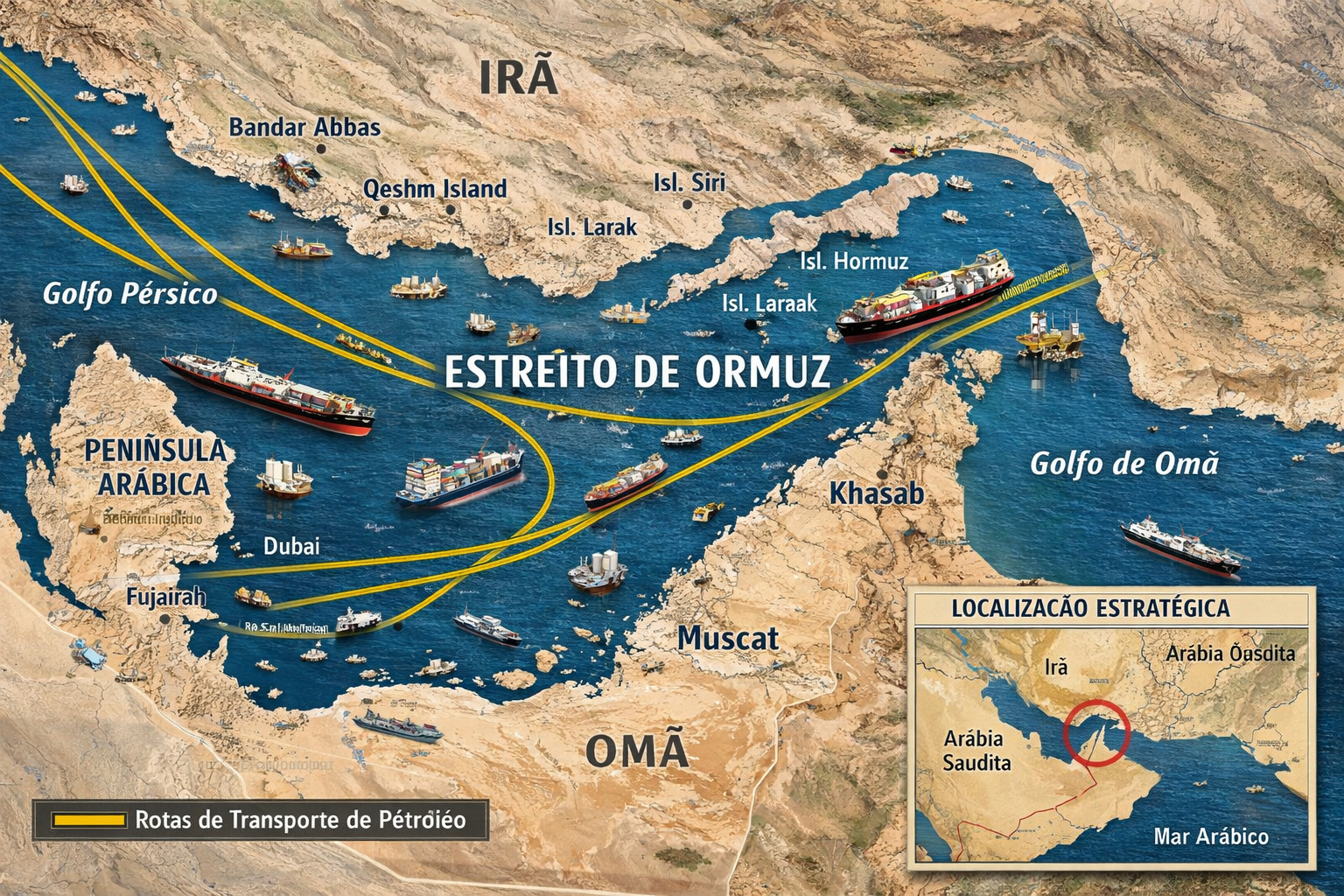
Global summit with over 40 countries pressures Iran for a blockade in the Strait of Hormuz and warns of direct impact on oil, food, and the global economy.
-
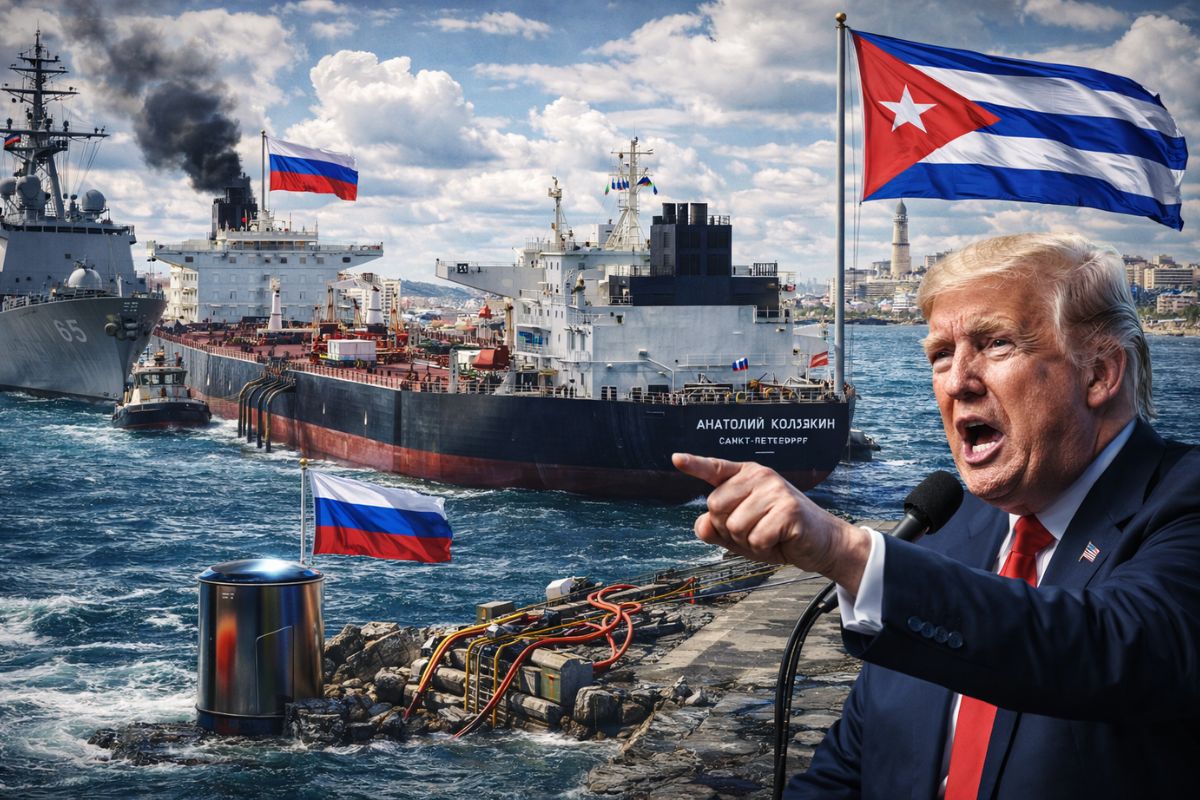
Russia has broken the U.S. maritime blockade to send oil to Cuba and is now loading a second ship while Trump says that “Cuba is next” in a possible military action against the island.

Moreover, the scenario reveals how maritime geopolitics has become central in the dispute between China and the USA, especially in regions considered strategic for the global flow of goods.
Maritime geopolitics gains strength with control of strategic ports
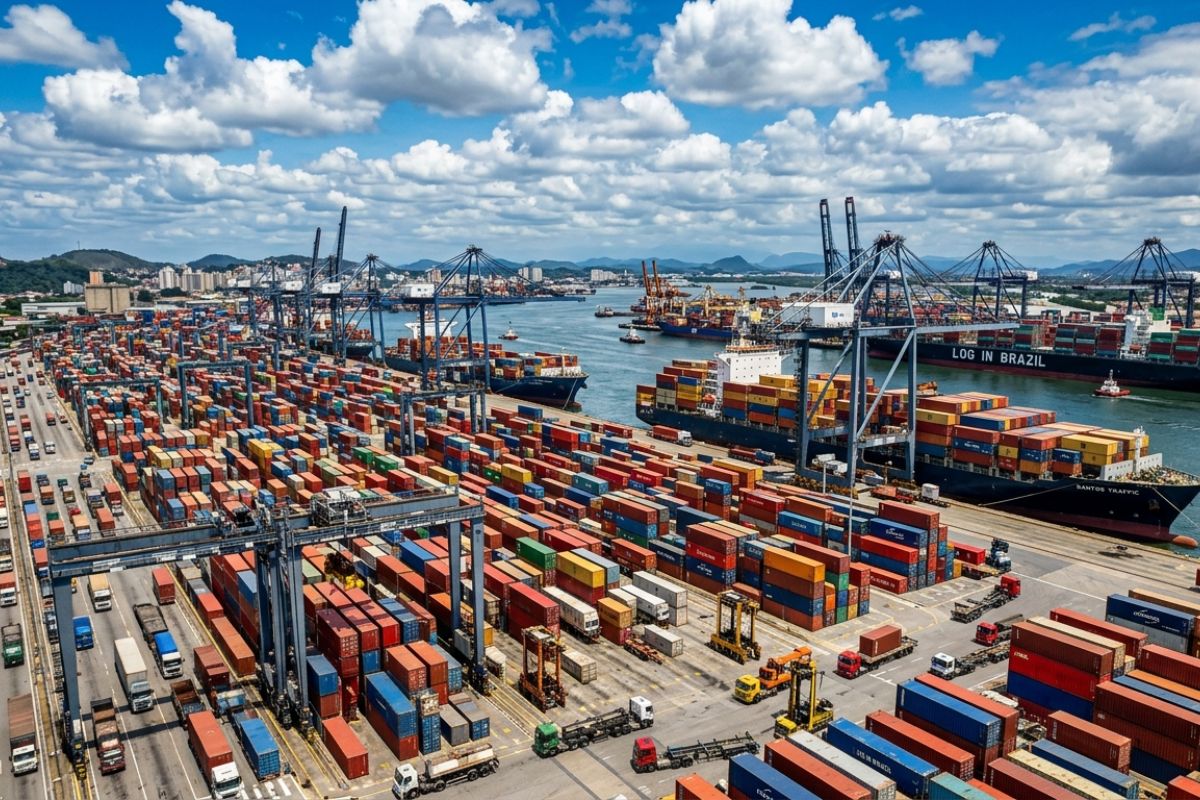
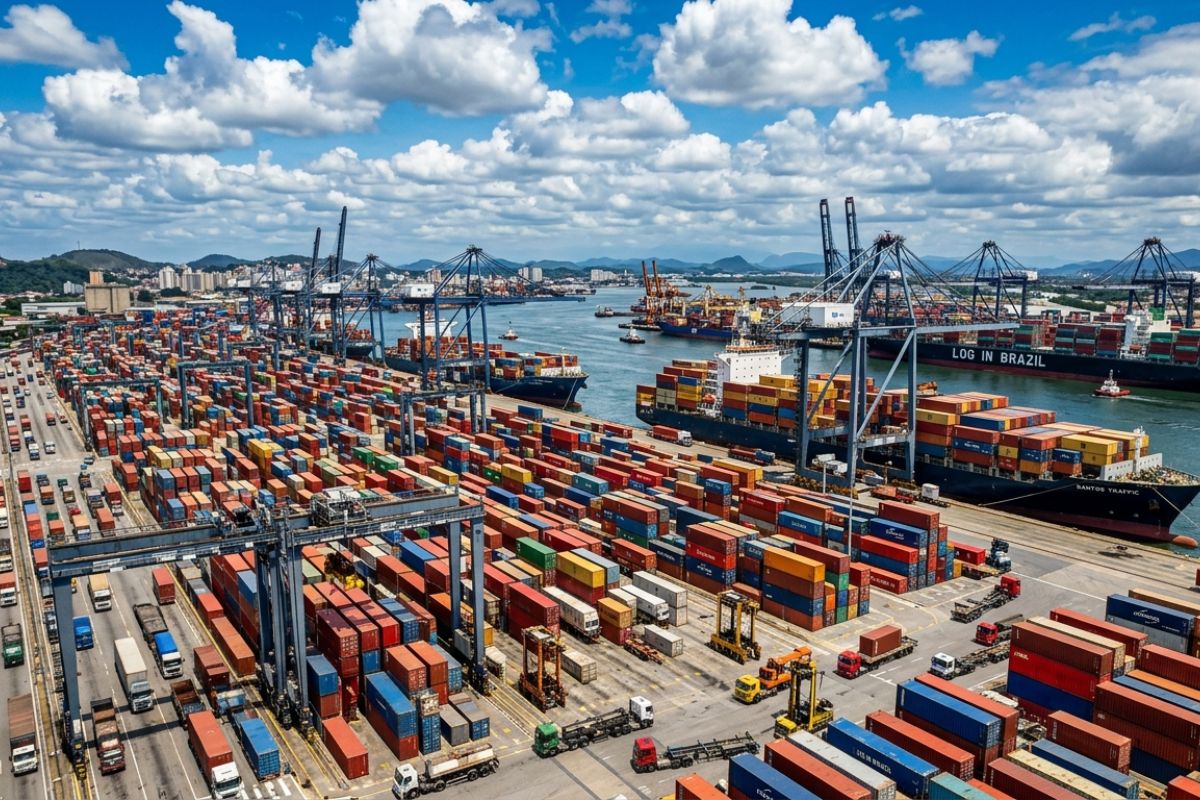
More than 80% of global maritime trade depends on ocean routes, with nearly 60% passing through the Pacific Ocean.
This data explains why strategic ports have ceased to be merely logistical points and have come to play a central role in global influence.
In this context, modern port structures are designed not only to move cargo but also to shape entire trade routes.
Therefore, investing in these locations means, in practice, gaining power over global supply chains.
US investment reinforces presence and global influence in Peru
The United States decided to act directly by approving a robust financial package to modernize the naval base in Callao.
The initiative is not limited to physical infrastructure, as it seeks to separate military operations from civilian traffic, increasing efficiency and security.
Additionally, the project strengthens the partnership with Peru within a broader regional security strategy.
Thus, the USA expands its presence without resorting to direct military actions, using investments as a tool for global influence.
This type of approach highlights a clear shift: the dispute between China and the USA is increasingly based on logistics and infrastructure, and less on direct confrontations.
China advances with megaport and expands dispute for strategic ports
On the other hand, China has been consolidating its presence in the region with the development of the Chancay port.
Operated by the state-owned COSCO, the project is part of the Belt and Road Initiative, a global project that seeks to expand Chinese influence through infrastructure.
Located less than 80 kilometers from Callao, the port has the potential to transform maritime trade between South America and Asia.
However, it also raises concerns in the United States due to its possible dual-use, both commercial and strategic.
This proximity between the two strategic ports makes the Peruvian coast a sensitive point within global maritime geopolitics.
Infrastructure becomes a silent weapon in the dispute between China and the USA
Unlike traditional conflicts, the current rivalry does not directly involve troops or armaments.
Instead, China and the USA compete for space through investments, engineering, and technical presence.
Thus, port infrastructure begins to function as a political tool.
By ensuring access to strategic ports, countries secure the capacity for influence over trade routes and future logistical operations.
In other words, this strategy allows for consolidating power without formally altering the military balance, but shaping the global scenario in the long term.
Peru consolidates as a protagonist in maritime geopolitics
In light of this scenario, Peru ceases to be just a peripheral country and takes on a relevant role in international dynamics.
The modernization of Callao is part of a broader process that includes investments in defense and industrial development.
Furthermore, the country strengthens its maritime sovereignty and expands its technological capacity.
With multiple international partners involved, Peru positions itself as a link between global interests and regional demands.
This movement reinforces its importance within maritime geopolitics and enhances its relevance in international maritime trade.
New phase of the global dispute goes beyond military bases
The Peruvian case makes it clear that the competition between China and the USA has changed in nature.
Today, the focus is not only on military bases but on the control of strategic ports, trade routes, and logistical chains.
In this sense, the dispute occurs indirectly, but with profound impacts. Investments that seem economic can have significant strategic implications.
Finally, Latin America occupies a more relevant space on the global chessboard. And, within this scenario, Peru emerges as one of the main points of dispute for global influence in the 21st century.
See more at: There are two global superpowers fighting for influence on the coast of Peru: the United States and China and There are two global superpowers fighting for influence on the coast of Peru: the United States and China





Seja o primeiro a reagir!