





 Portuguese
  English
  Spanish
  3 min of reading
  0 comments


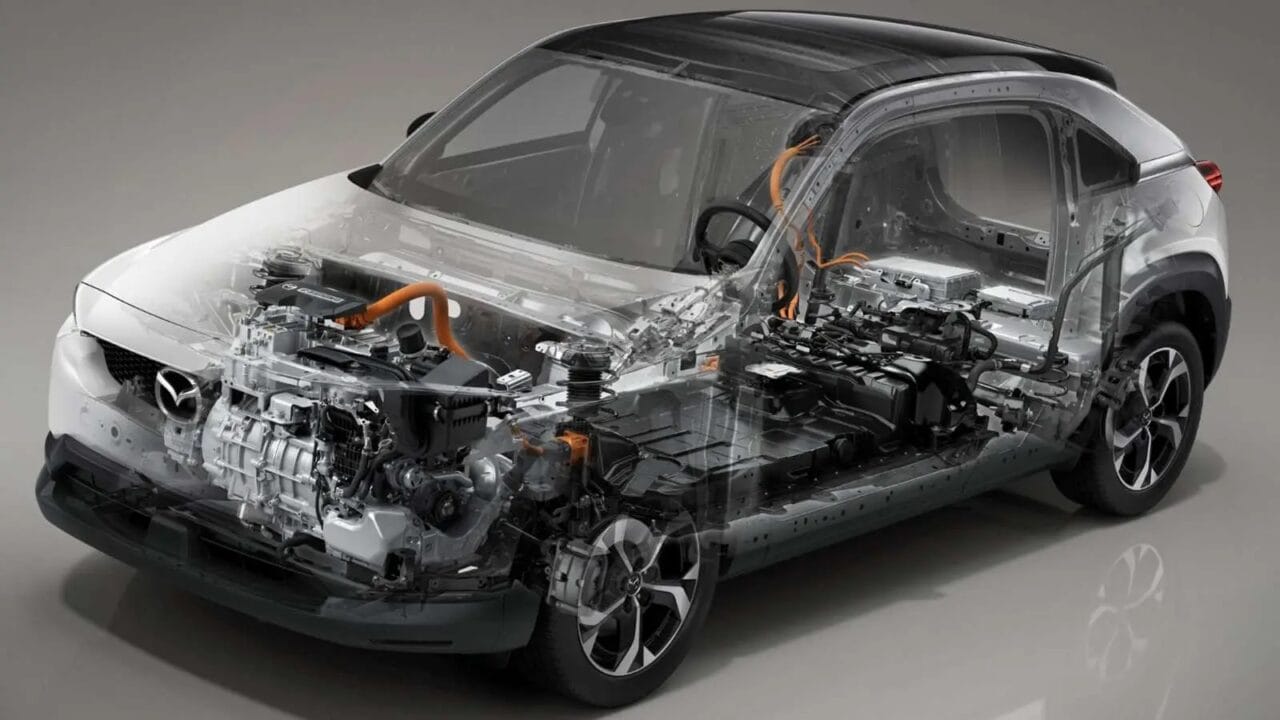
Mazda Innovates with Development of Ultramodern Rotary Engine, Overcoming Past Limitations and Strongly Positioning Itself in the Market Against Electric Vehicles.
Vehicle propulsion has come a long way since the various inventions of the 19th century. Today we have cars with internal combustion engines and the electric motor, which is the favorite among drivers, but there is also the rotary engine, which is a type of combustion engine with smoother and more efficient operation.
How Did the Idea of Mazda’s Rotary Engine Come About?


Mazda, a Japanese automaker, is a big fan of these engines and has launched a new rotary engine that promises to challenge the electric vehicle industry. The incredible story of this engine began with the dream of a young German named Felix Wankel. At just 17 years old, in 1919, Felix dreamed of creating a new type of gasoline engine, despite having no experience in internal combustion engine engineering.
His goal was to develop a simple engine that could perform all the stages of internal combustion: intake, compression, combustion, and exhaust, in a new way, different from the piston engines of the time. The young man developed a unique design that used a triangular rotating rotor in a peanut-shaped chamber.
-
Less than a Tera TSI, up to 710 km of range and charging in 9 minutes: the new BYD Song Ultra expands the Chinese brand’s bet on increasingly faster, more technological, and competitively priced electric SUVs.

-
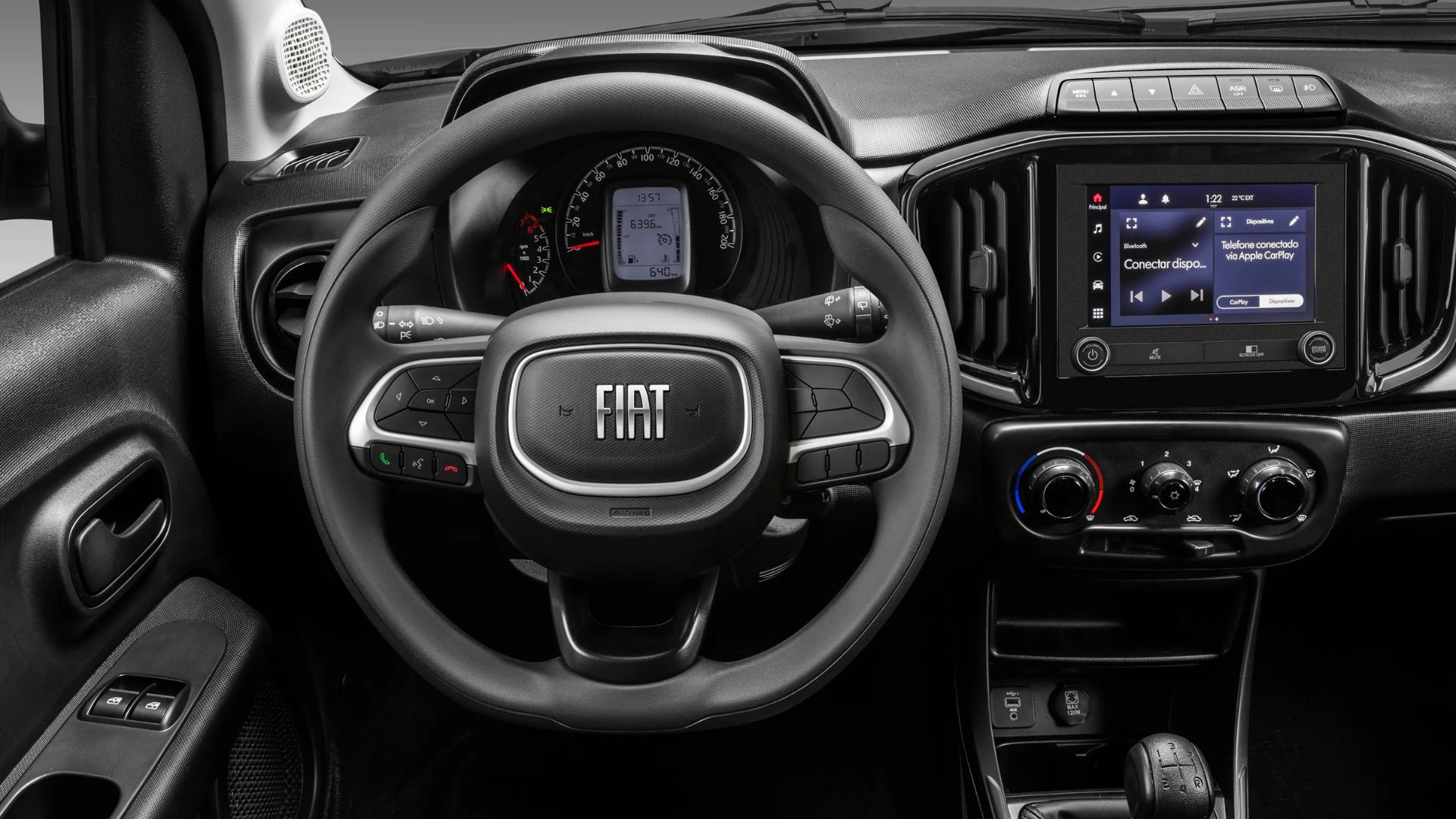
With a 1.0 engine producing 75 hp and costing less than R$ 70,000, Fiat’s car returns to the podium as the cheapest in the country; a temporary promotion for the 2026 Like version reduces the price of the Fiat Mobi.
-
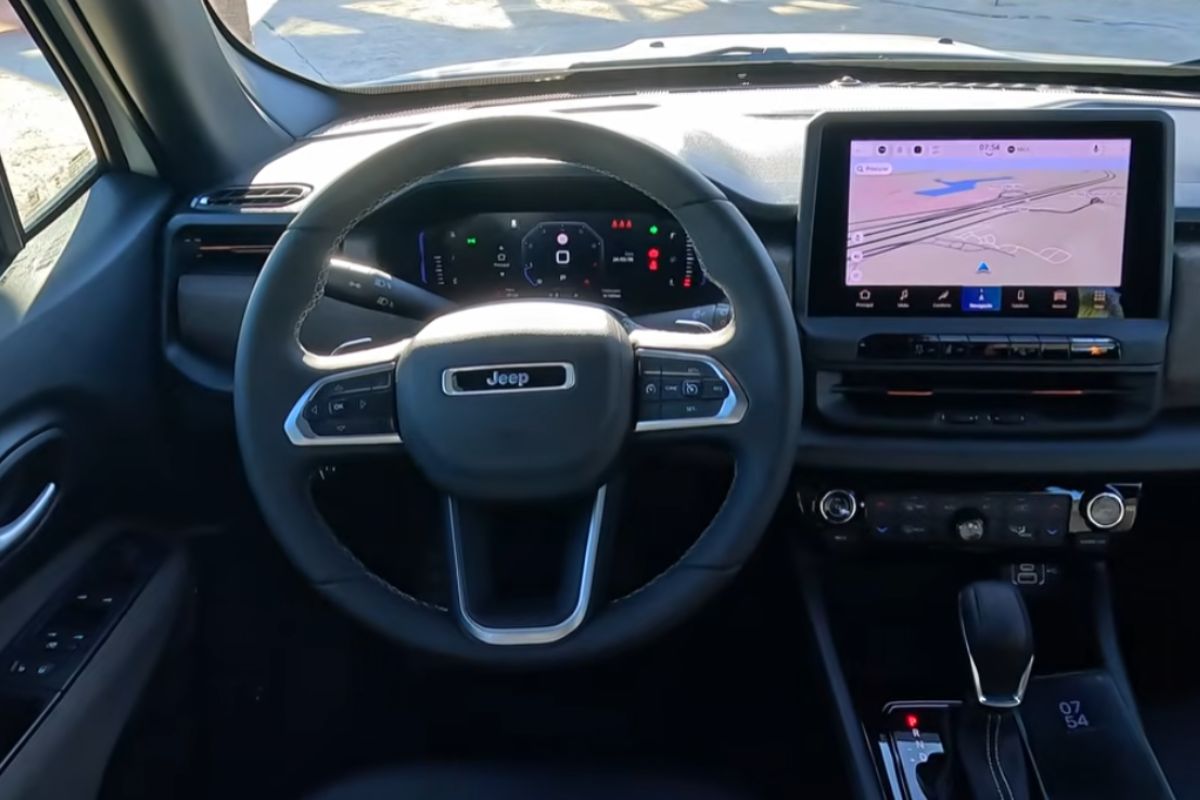
With a mild hybrid system of 48 V, 176 hp and a price of R$ 175,990 in the Sahara version, the new Jeep Renegade changes mostly on the inside, improves slightly in fuel consumption, and remains almost the same car.
-
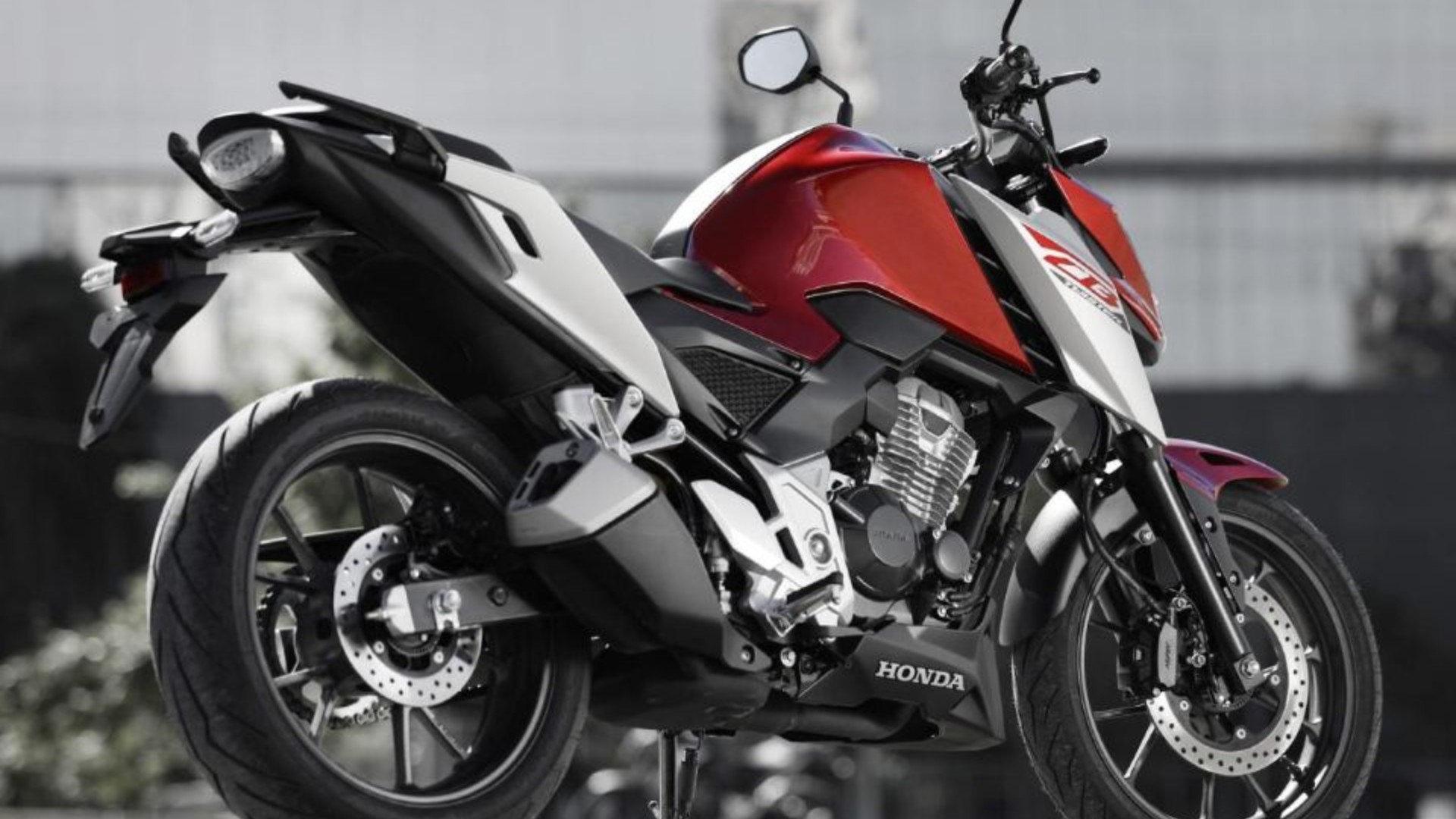
With a 293.5 cm³ engine and a range of up to 400 km with a 14.1-liter tank, the Honda CB 300F Twister 2026 has up to 24.7 hp, an initial price of R$ 25,150, and already exceeds R$ 29,000 in the Fipe Table.

After years of dedication, Wankel and his colleagues developed a functional prototype of a rotary engine in 1959, catching the attention of several automakers, including Mazda, which made a deal with the company where the inventor worked. As a result, the brand became well-known for its rotary engine-powered cars like the Mazda Cosmo, RX-7, and RX-8. These cars offered a unique experience with their high revs and smooth power delivery.
Mazda Returns to the Automotive Market with Rotary Engine Car and Promises to ‘Face Off’ Against Electric Vehicles
Now, Mazda is bringing this engine back, but in a somewhat different way. Although different from its predecessors, this new version of the rotary engine comes with several notable improvements that make it a promising power source for the modern era of electric vehicles.
The new Mazda MX-30 REV features a single-rotor rotary engine, marking a significant shift from the old two-rotor design, which was known for its performance in the RX-8 model, and promising to compete with electric vehicles.

This design change may come as a surprise since enthusiasts are used to the power and ready-to-rev nature of the two-rotor engines. However, Mazda’s approach to the new rotary engine, which promises to outdo electric vehicles, is driven by a focus on efficiency and sustainable mobility.
The implementation of direct fuel injection in the chamber is a notable improvement. This ensures better fuel and combustion optimization, leading to improved efficiency and reduced emissions.
New Rotary Engine Overcomes Previous Challenges
This advancement represents a significant leap forward for rotary engine technologies as it addresses one of the challenges faced by earlier engines regarding fuel consumption.
Another innovative addition to the new engine is the use of exhaust gas recirculation (EGR), a technology that helps improve efficiency, especially under low loads and revs, by recirculating some of the exhaust gases back into the engine. The system can reduce the amount of work required to maintain the engine’s temperature, resulting in better fuel economy.
This approach is perfectly aligned with Mazda’s vision for the future, as it seeks to balance driving pleasure with environmental responsibility. The automaker now uses an aluminum casing instead of iron, contributing to weight reduction, making the engine lighter and more efficient.








Seja o primeiro a reagir!