





 Portuguese
  English
  Spanish
  3 min of reading
  0 comments


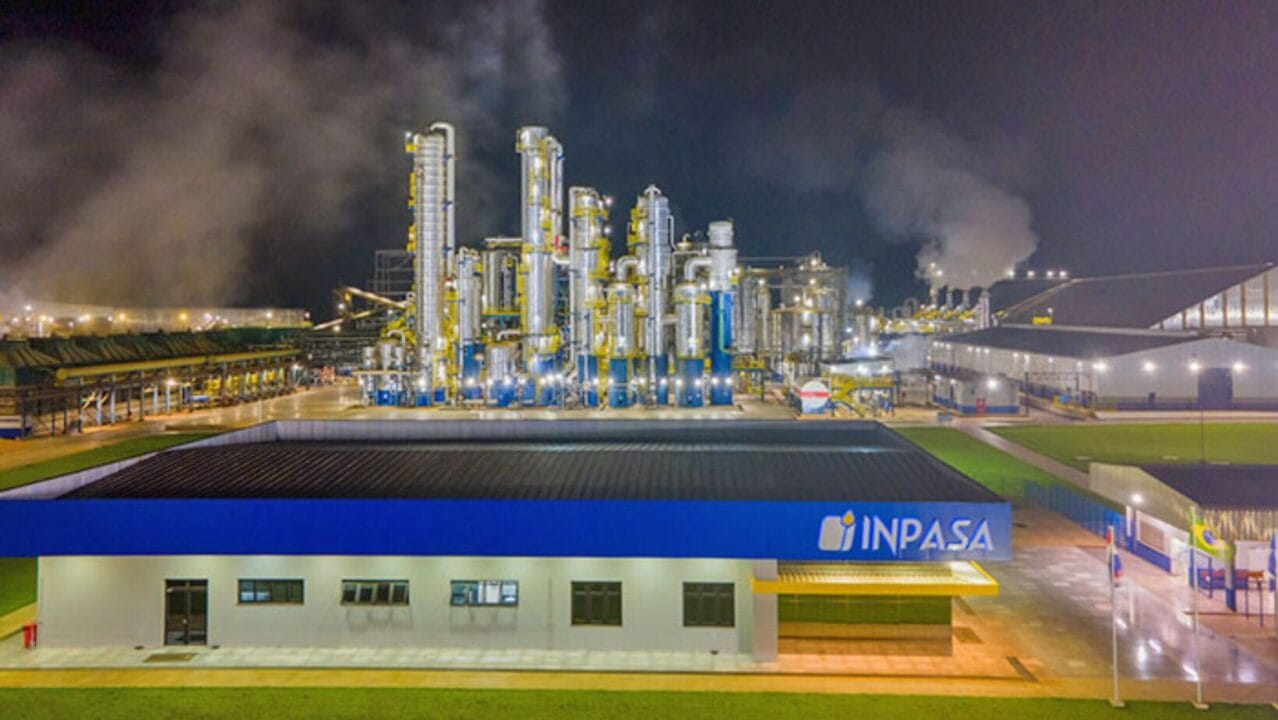
Sidrolândia Is About to Gain a New Corn Ethanol Factory from the Inpasa Group, Expected to Generate 2,000 Jobs and Produce Clean and Renewable Energy. The Factory Is the Group’s Second in the State and Will Have a Total Investment of R$ 2.2 Billion.
Sidrolândia, a city in Mato Grosso do Sul with around 47,000 inhabitants, will gain a new corn ethanol factory from the Inpasa group, the largest corn processor into ethanol in Latin America. The new unit, which is expected to open by October of this year, should generate 2,000 jobs in the region, in addition to producing clean and renewable fuel, electricity from biomass, and other corn-derived products.
See: Inpasa Group in Mato Grosso do Sul


Inpasa Group Invests R$ 2.2 Billion in a Corn Ethanol Factory in Sidrolândia and Benefits Thousands of Families
The factory in Sidrolândia will be the second for the Inpasa group in the state, which already has a unit in Dourados.
The company also has plants in Mato Grosso (Sinop and Nova Mutum) and in Paraguay (Nova Esperança and San Pedro).
-
The John Deere forestry truck carries 19 tons of wood per trip, uses traction power to overcome mud, slopes, and narrow trails, and becomes the hidden link between the felled tree and the pulp industry.

-
While old bridges still span railways around the world, in the United States a 2,300-ton structure was assembled off-site and transported by barge along the Hudson River to replace a century-old bridge.
-
Egypt builds a $5.5 billion monorail over Cairo with beams weighing 80 to 100 tons lifted by mobile cranes, while streets need to be blocked to erect nearly 100 km of suspended train.
-
While the city slept in Switzerland, a 255-ton bridge was lifted in the dark by a 1,000-ton crane in a nighttime operation with millimeter precision.




Inpasa is one of the first corn ethanol industries in Brazil and differentiates itself through sustainability and valuing local raw materials.
The project for the new factory received its installation license last Friday (09/02), at an event attended by Governor Eduardo Riedel (PSDB), Planning Minister Simone Tebet (MDB), Senator Tereza Cristina, and Inpasa directors.
On that occasion, the second stage of the work was also launched, which will have a total cost of R$ 2.2 billion.
The first stage, initiated in September of last year, has already consumed R$ 1.2 billion.
Sidrolândia Becomes a Corn Ethanol Hub with the New Inpasa Factory, the Largest in Latin America
The Sidrolândia factory will cover an area of 170,000 m² and has an annual production capacity of 800 million liters of ethanol, 450,000 tons of DDGS (a source of energy and protein for animal nutrition), 44,000 tons of corn oil (used in the production of feed and biodiesel), and 400 GWH of electricity.
The energy will be generated from the burning of corn biomass, ensuring a low environmental impact.
Governor Eduardo Riedel highlighted the importance of the investment for the development of the state and the region.
“Investment like this should be welcomed and embraced by the community, and this happened in Sidrolândia. To receive these large enterprises, the state must do its part, with the necessary structure and conditions for entrepreneurs to invest”, he said.
Second Corn Ethanol Factory in MS Promises to Revolutionize the Energy Sector and Generate Many Jobs
The Vice President of Inpasa, Rafael Ranzolin, stated that the project is ahead of schedule and that the company has a special affection for Mato Grosso do Sul.
“We did not expect to be launching the second phase of the project so soon. We have a special affection for MS”, he declared.
Minister Simone Tebet emphasized that the new factory should create new jobs, income, and dignity for the families of Sidrolândia, which currently has an economy based on agriculture and livestock.
“Jobs, income, and dignity for families, bringing growth to the city, today is a day to celebrate. Thanking the entrepreneurs for believing in this land”, she said.
The factory in Sidrolândia is another example of how Inpasa is contributing to the advancement of the corn ethanol sector in Brazil, which has proven to be a viable and sustainable alternative for energy production and other value-added products.
Source: Campo Grande News


Be the first to react!