Portuguese
  Spanish


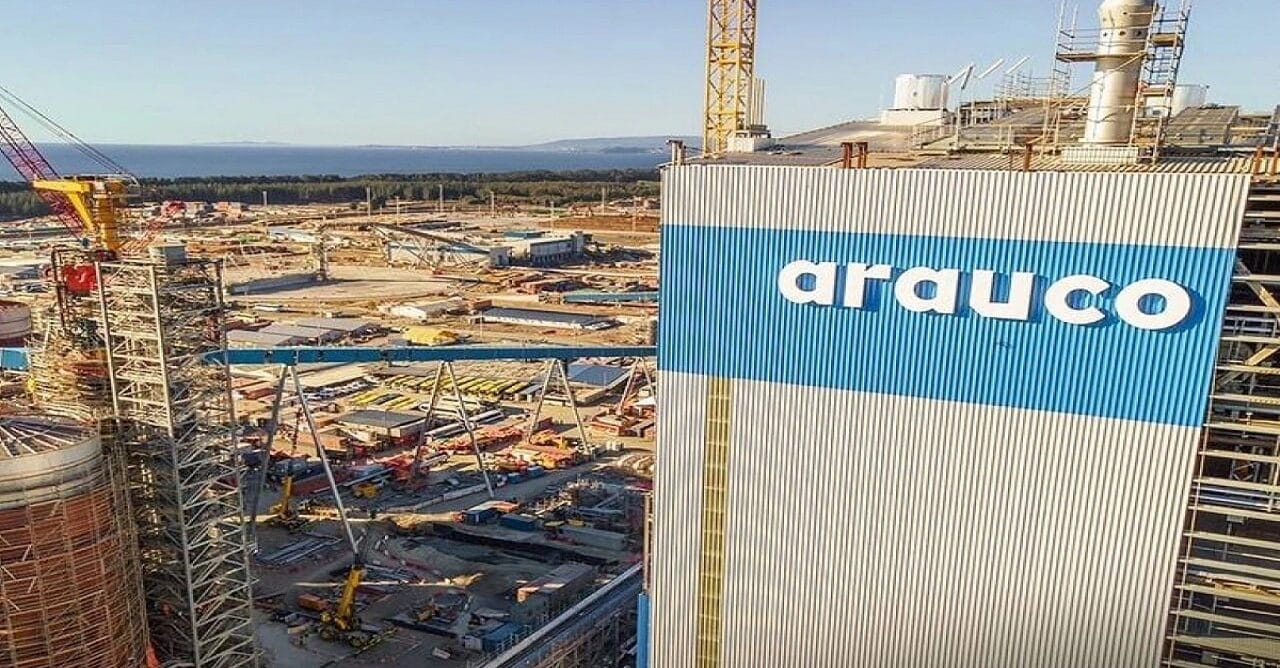

Arauco Obtained Preliminary License to Build a Pulp Mill and a Thermoelectric Plant in MS. The Project Will Have an Investment of R$ 28 Billion, Generating 12 Thousand Job Openings, in Addition to Supporting Local Infrastructure.
The Chilean group Arauco, one of the largest pulp and paper producers in the world, obtained the preliminary license last Thursday (01/25) to install a mega pulp mill and a thermoelectric plant in the municipality of Inocência, in Mato Grosso do Sul. The project, which plans an investment of R$ 28 billion and the generation of 12 thousand job openings during the construction phase, was unanimously approved by the State Environmental Control Council (CECA), after analyzing the environmental and social impact studies conducted by the company and the Institute of Environment of Mato Grosso do Sul (Imasul).
See: Chilean Arauco and Its Plans to Invest in Brazil


Arauco Invests R$ 28 Billion in Pulp Mill and Thermoelectric Plant in MS
The pulp mill will have two production lines, each with a capacity of 2.5 million tons annually, operating 24 hours a day, 7 days a week.
The first line is expected to start operating in 2028 and the second in 2032.
-
They exchanged the idea of a large house for a 35 m² warehouse, spent US$ 12,000 on the structure, and created a tiny house in Colorado with space to live and work.

-
While modern cities rely on pumps and electricity, in Iran, ancient tunnels carried water through the desert using only slope and gravity.
-
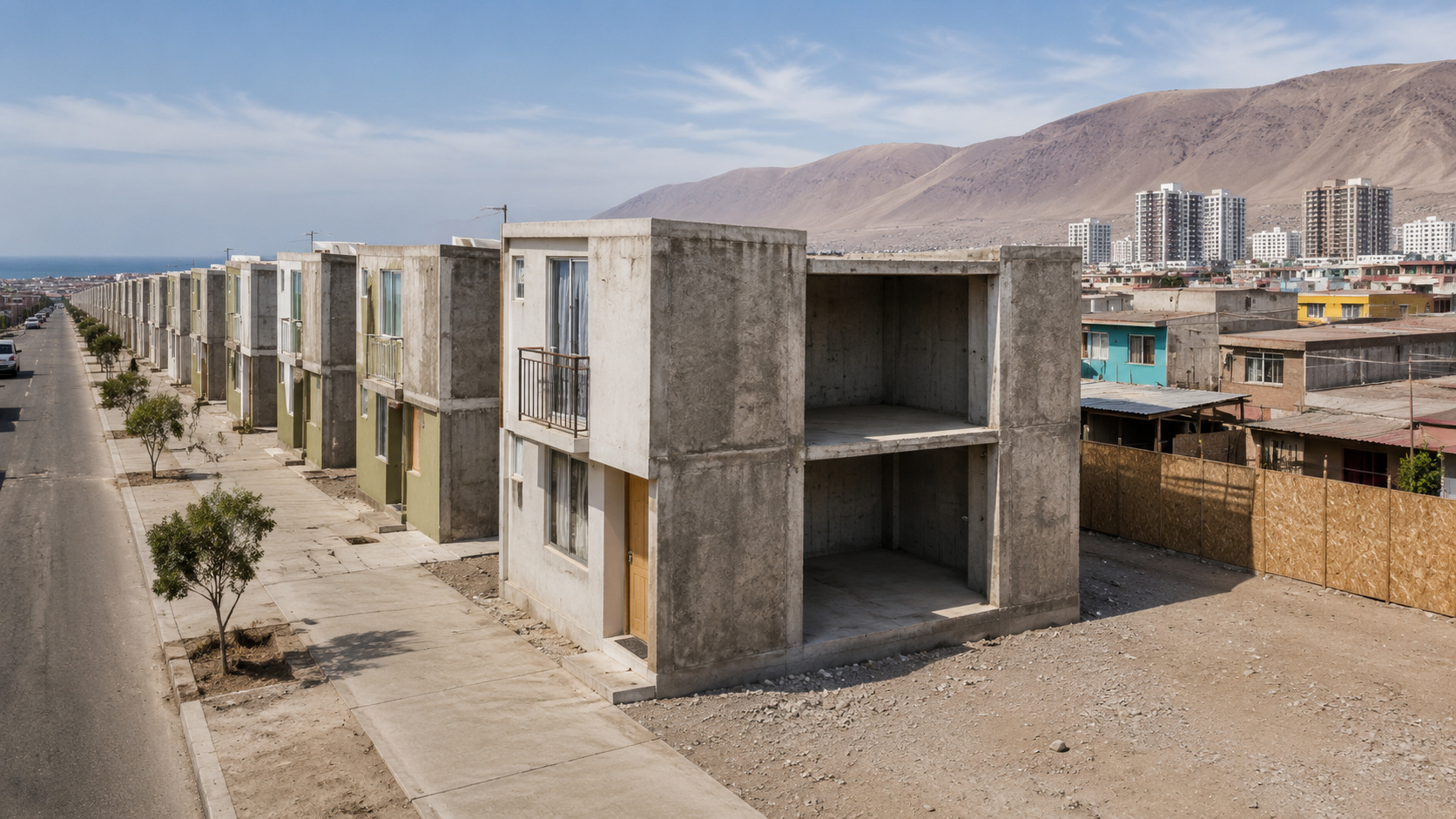
Instead of sending families far from the city, a project in Chile intentionally created incomplete houses on expensive urban land and left technical space for each to grow.
-
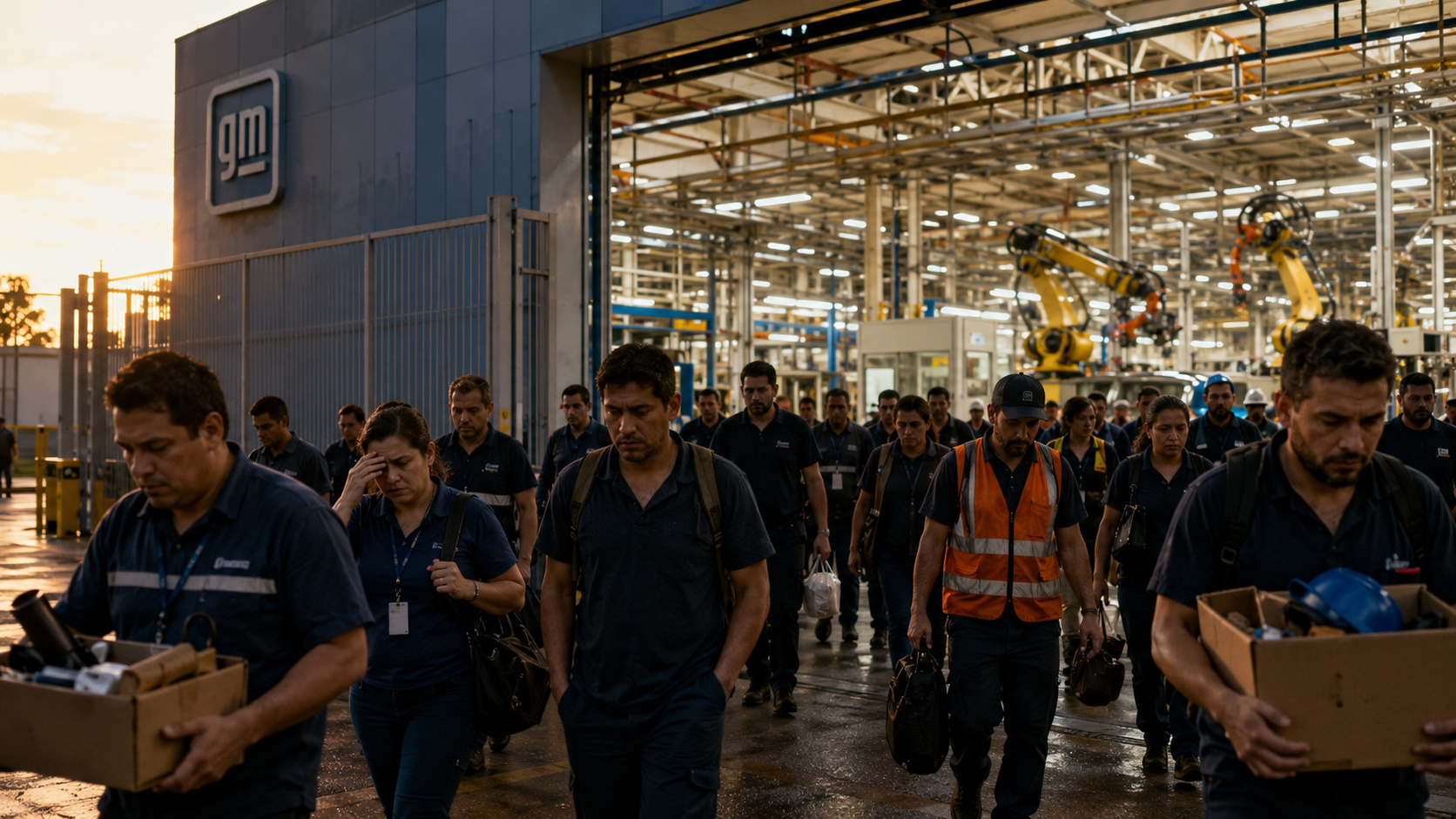
General Motors Replaces Over a Thousand Workers with 50 Cobots at Electric Vehicle Plant, UAW Union Criticizes Move Amid Industry’s Automation Push

The thermoelectric plant will have a capacity of 420 MW, with part of the energy generated being consumed by the mill itself and the remainder sold to the national electrical system.
The thermoelectric plant will use wood waste (roots, branches) from eucalyptus planting to fuel the mill.
Project Will Generate 12 Thousand Job Openings During the Construction Phase and 1,070 in the Operation Phase
The project will bring economic and social benefits to the state and to the municipality of Inocência, which will see a significant increase in Gross Domestic Product (GDP), tax collection, and income generation.
In addition to the 12 thousand job openings during the construction phase, the mill is expected to create 1,070 direct and indirect jobs when it starts operating.
Arauco has also committed to supporting the urban and rural infrastructure of Inocência, which is expected to experience a large influx of people and vehicles due to the project.
Among the planned actions are the construction of a third lane on the MS-377 highway, which connects Inocência to Água Clara, and the development and implementation of the Master Plan for the municipality, which will guide the sustainable development of the region.
Mill Will Have Two Production Lines and Use Wood Waste as Fuel
The Secretary of Environment, Development, Science, Technology, and Innovation (Semadesc), Jaime Verruck, praised the technical rigor of the environmental studies presented by Arauco and Imasul, which evaluated the possible impacts of the project on the physical, biotic, and socioeconomic environments.
He highlighted that the project is yet another example of attracting investments to the pulp sector in Mato Grosso do Sul, which already has the Suzano mill in Ribas do Rio Pardo.
“We have taken all precautions, both from an environmental standpoint and urban infrastructure to support this sudden growth that Inocência will experience,” he stated.
The president of Imasul, André Borges, emphasized that, for the first time, environmental technicians visited the project site during this licensing phase, where a term of reference was established with the company to define the adjustments that need to be made.
He explained that the preliminary license is the first step in realizing the project, which still needs to obtain the installation license, which authorizes the start of construction, and the operation license, which allows the mill and thermoelectric plant to operate.