





 Portuguese
  English
  Spanish
 5 min of reading
  0 comments



Intercity Train Between São Paulo and Santos Promises to Change Mobility with a Route of Up to 130 km in 90 Minutes, Billion-Dollar Investment, Thousands of Jobs, and Direct Impact on the Economy, Tourism, and the Lives of Almost Two Million People.
The São Paulo government has placed the railroad back on the mobility agenda by advancing the Intercity Train (TIC) South Axis, a direct link between the São Paulo Metropolitan Area and Santos.
The initiative aims for travel in up to 90 minutes, an estimated investment of R$ 15 billion, the generation of around 13,000 jobs, and an impact on 1.8 million people in the Baixada Santista.
The modeling is framed within the State Investment Partnerships Program (PPI-SP) and has milestones set between 2027 and 2028, including the announcement, bidding, and signing of the contract.
-
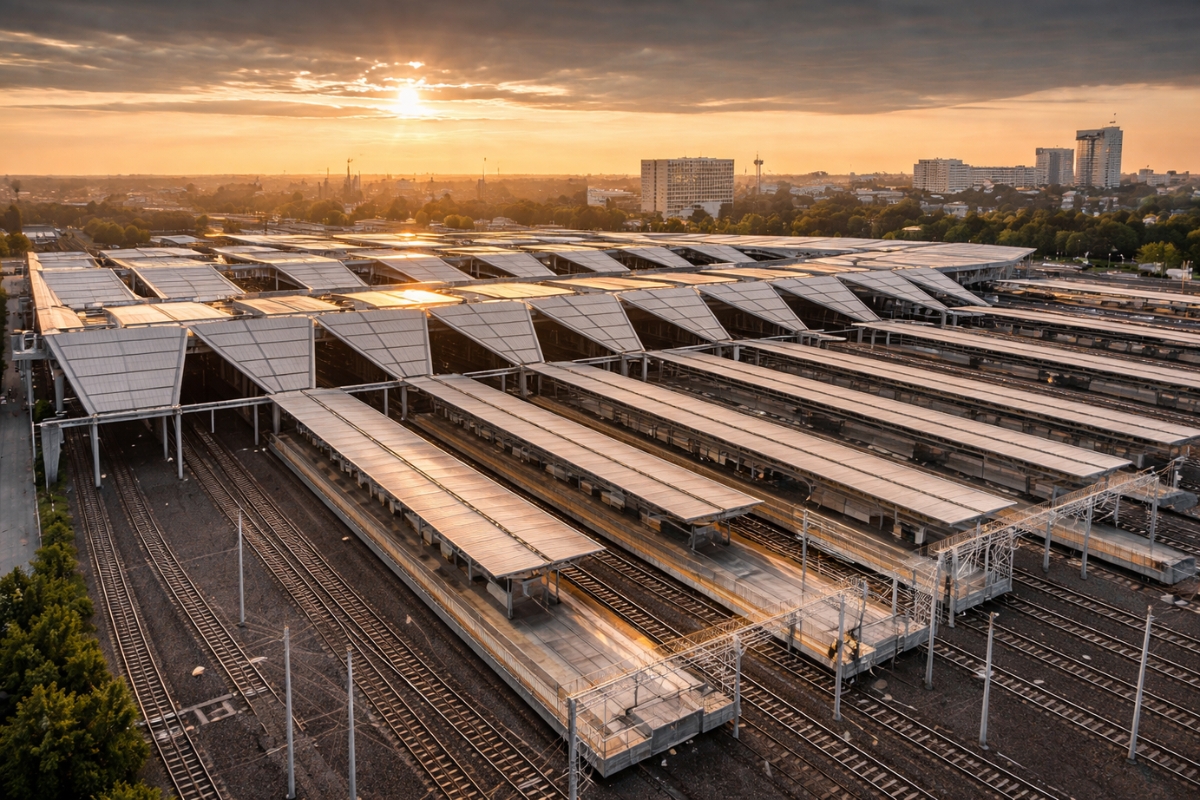
In A European City, The Country’s Largest Railway Junction Was Modernized Without Closing Its Doors, Kept Trains Running During Years Of Construction, Now Serves Up To 60,000 Passengers Per Day, And Installed Solar Panels That Generate About 30% Of Its Energy
-
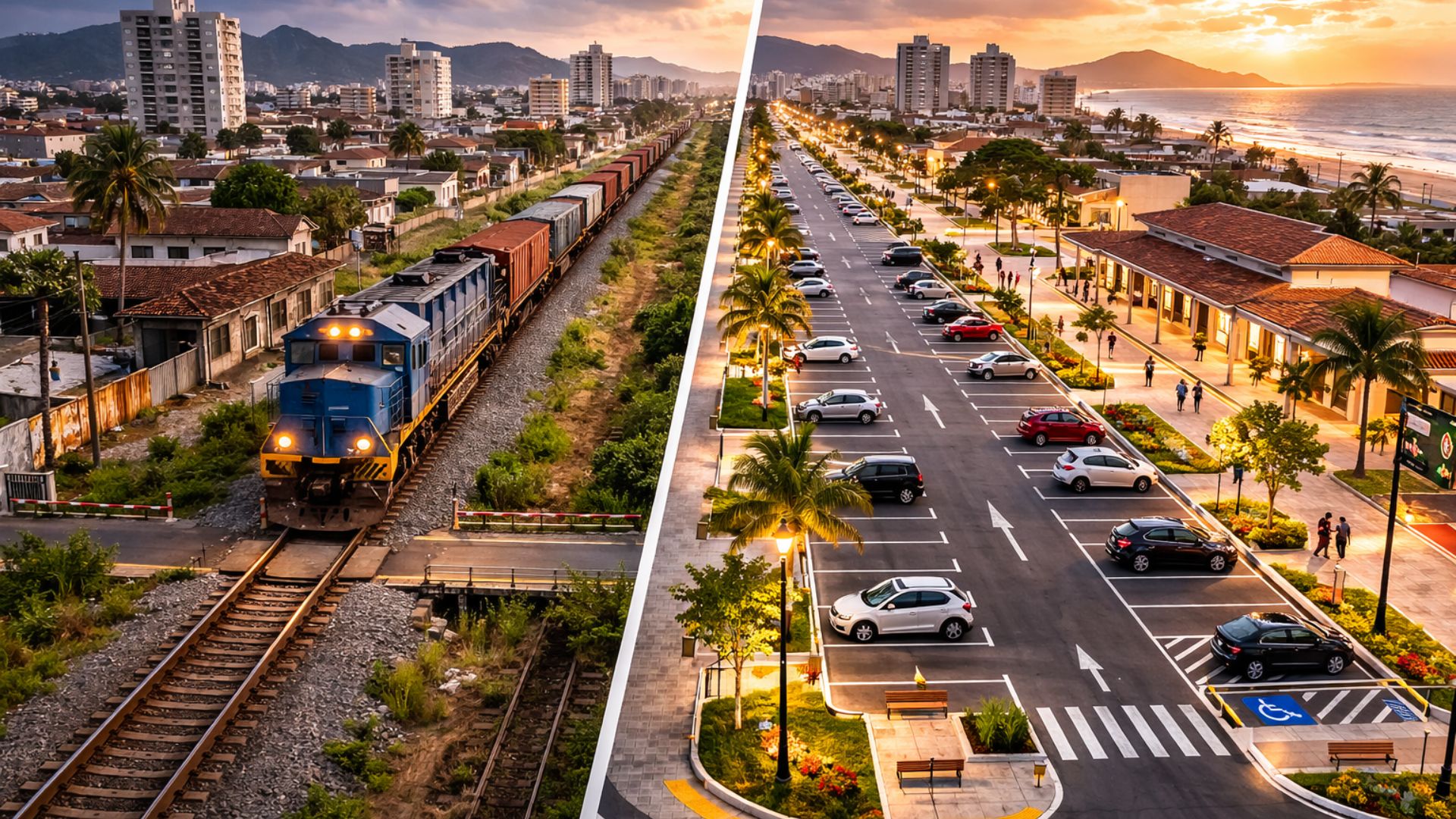
Famous Brazilian Railway May Become a Parking Lot
-
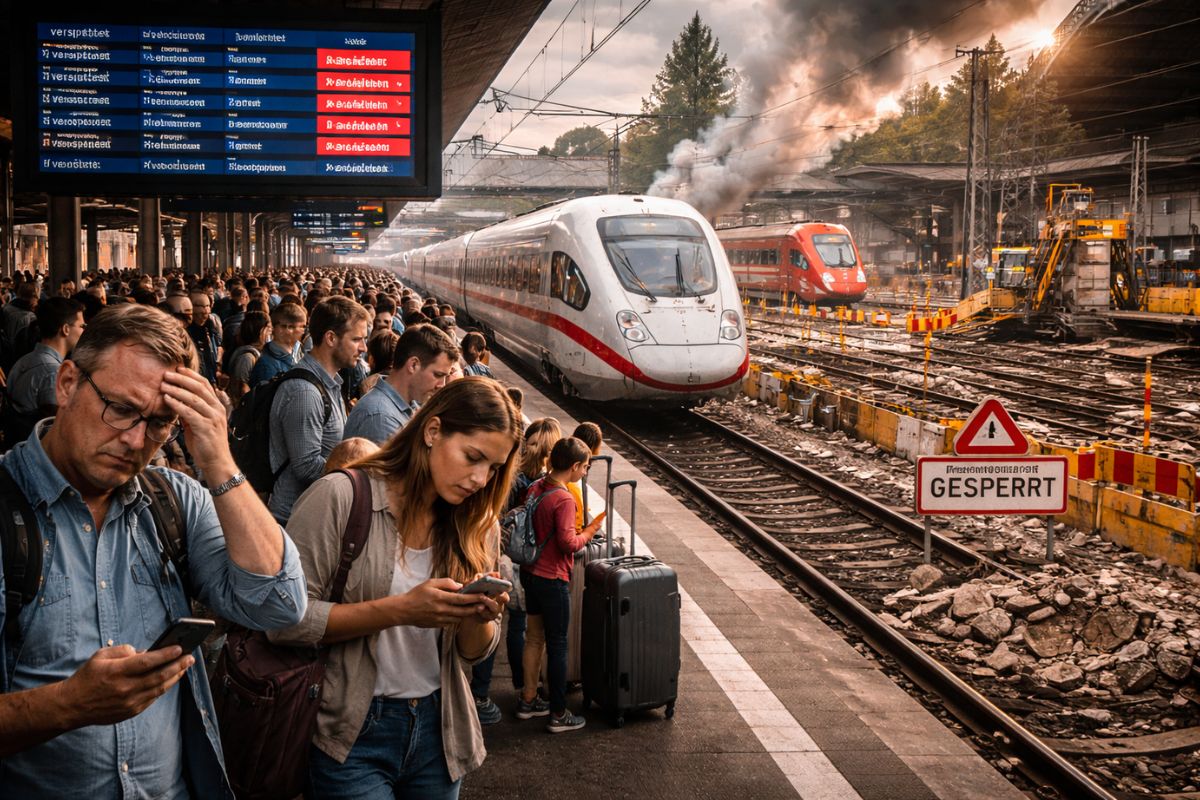
The Country of “Punctual As a Train” Admits It Has Lost Control: High-Speed Trains Delay, Stop, Disappear from the Map and Turn 6-Hour Trips into 10, While Deutsche Bahn Promises Restructuring in 2026 But Faces 19th Century Infrastructure, Staff Shortages and Sections Closed for Months
-
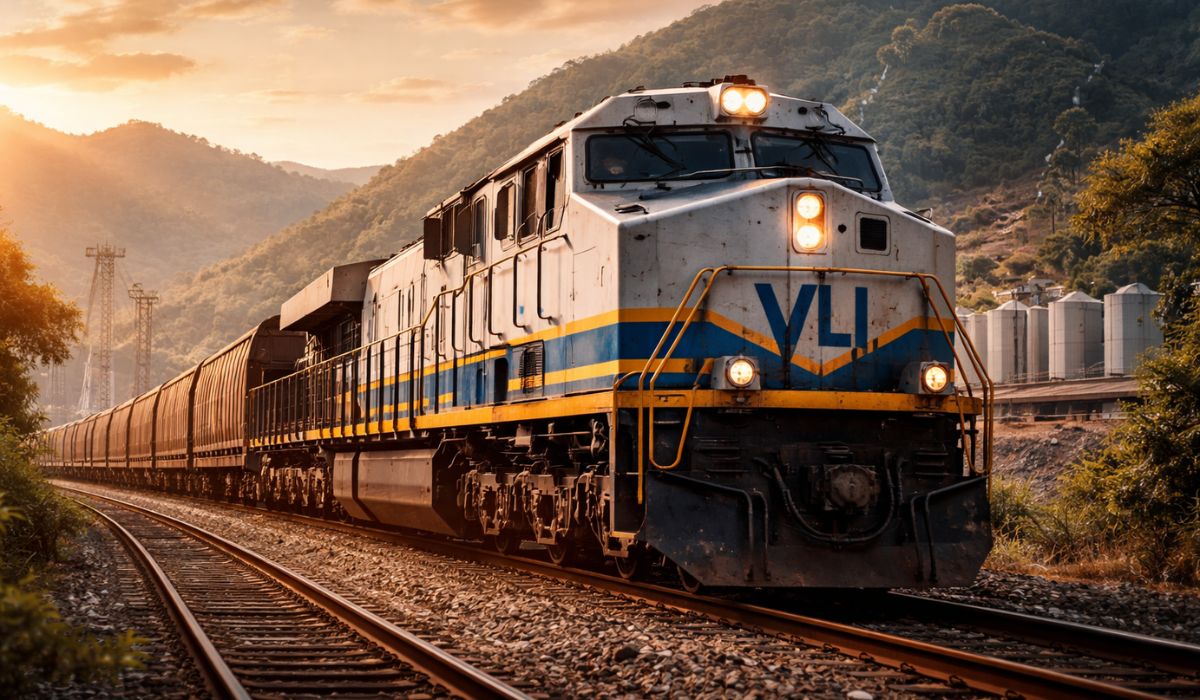
With an Investment of R$ 700 Million in One of the Country’s Main Rail Networks, VLI Reinforces Infrastructure, Receives 8 New Locomotives, and Expands the Corridor Connecting 7 States, Boosting Jobs and the Transportation of Grains, Ore, and Oil Products to the Port of Santos

What Is the Intercity Train South Axis
This is a regional rail service that will connect the city of São Paulo to the largest port in Latin America.
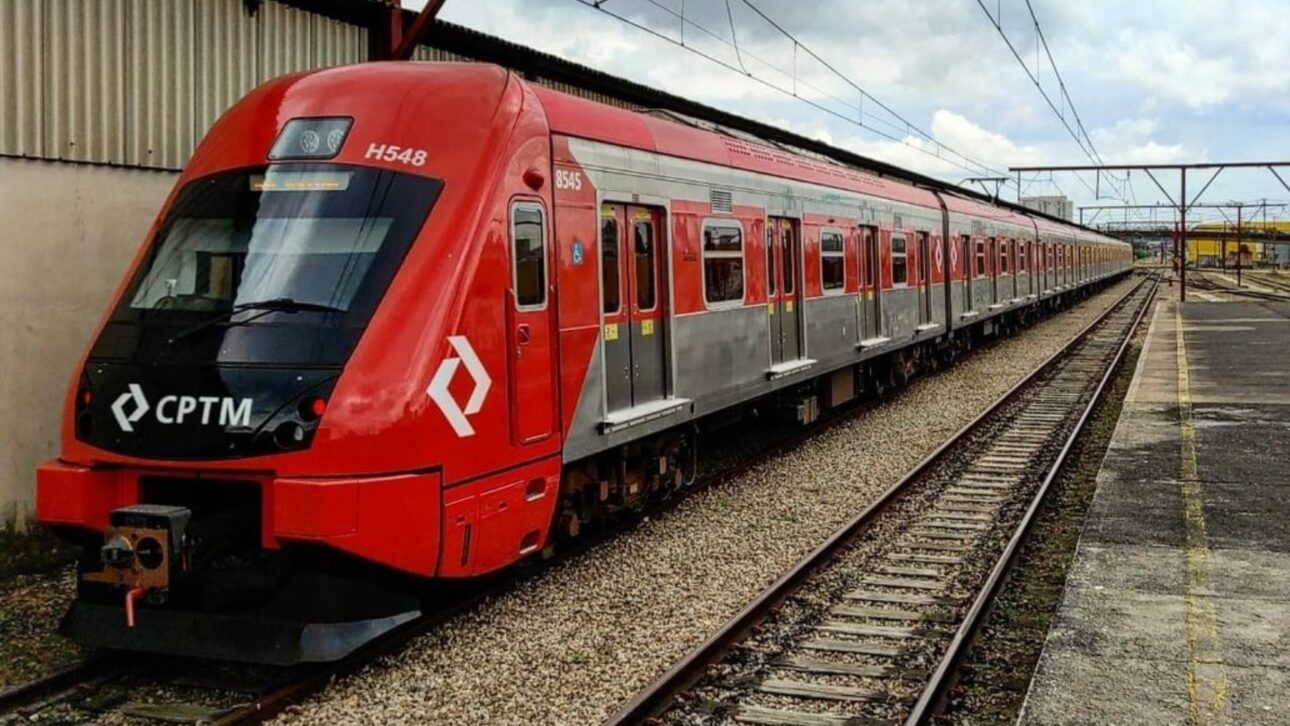
The studied route has a variable length between 80 and 130 kilometers, depending on the final design.
Strategically, the proposal aims to diversify the transportation matrix, reduce dependence on the Anchieta-Imigrantes highway system, and provide a more reliable and sustainable alternative for commuting, tourism, and connection with the Port of Santos.
The choice of a regional train is based on objective factors.
The highway connecting the plateau and the coast has been operating near capacity for years, with frequent congestion, accidents, and high logistical costs.
With a passenger railway axis, the State aims to relieve pressure on the road network, enhance the competitiveness of the port, and increase the population’s access to services and jobs in both regions.
Two Routes Under Review
The government is working with two routes under review.
The option through the rack railway, utilizing part of the existing infrastructure in the Serra do Mar, shortens the total distance (around 80 kilometers) but requires demanding operational solutions to reconcile passenger and freight transport, which are currently under separate concessions.
The descent with a rack system, typical of steep mountains, imposes specific standards for rolling stock and signaling.
The other option proposes a detour via Mongaguá, with gentler slopes and a route of about 115 kilometers, potentially allowing it to follow right-of-way areas near the Imigrantes Highway.
In this design, arrival in Santos would happen via the future Santos-Imigrantes station. However, the longer distance requires higher average speeds to maintain a travel time of 1 hour and 30 minutes, in addition to new access and urban integration works in the southern coast.
Integration in São Paulo
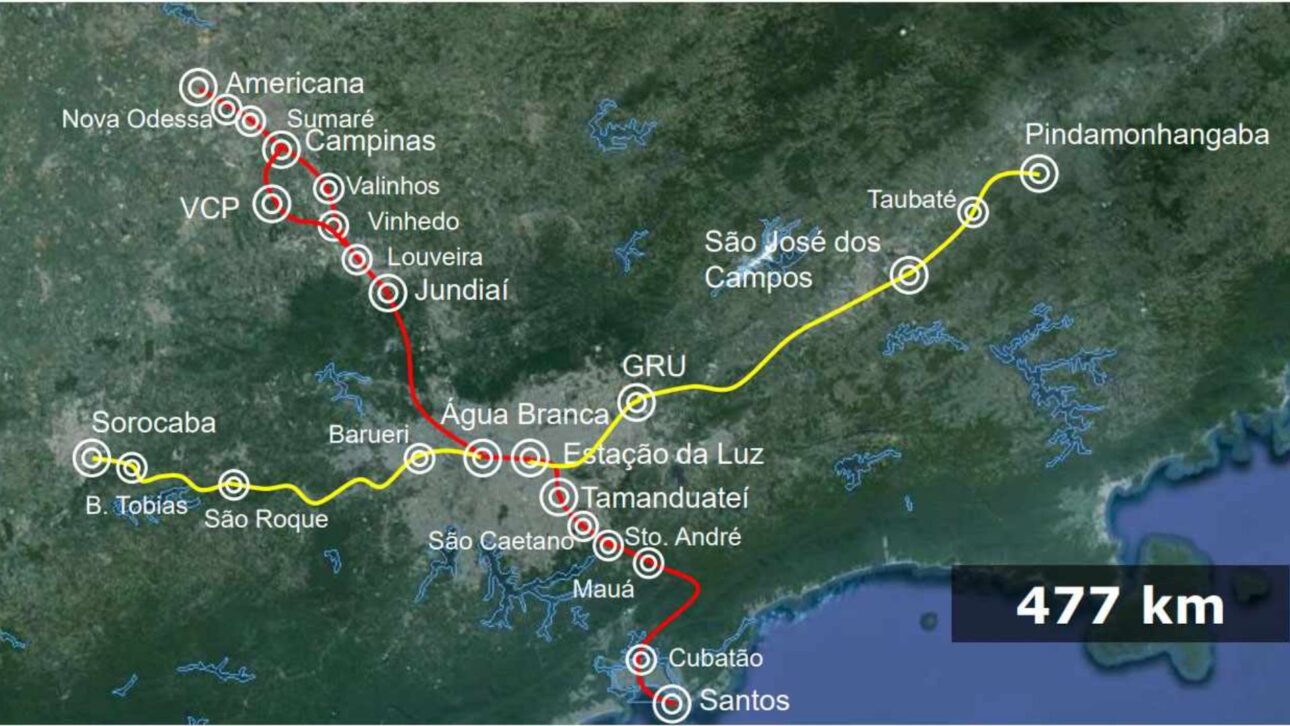
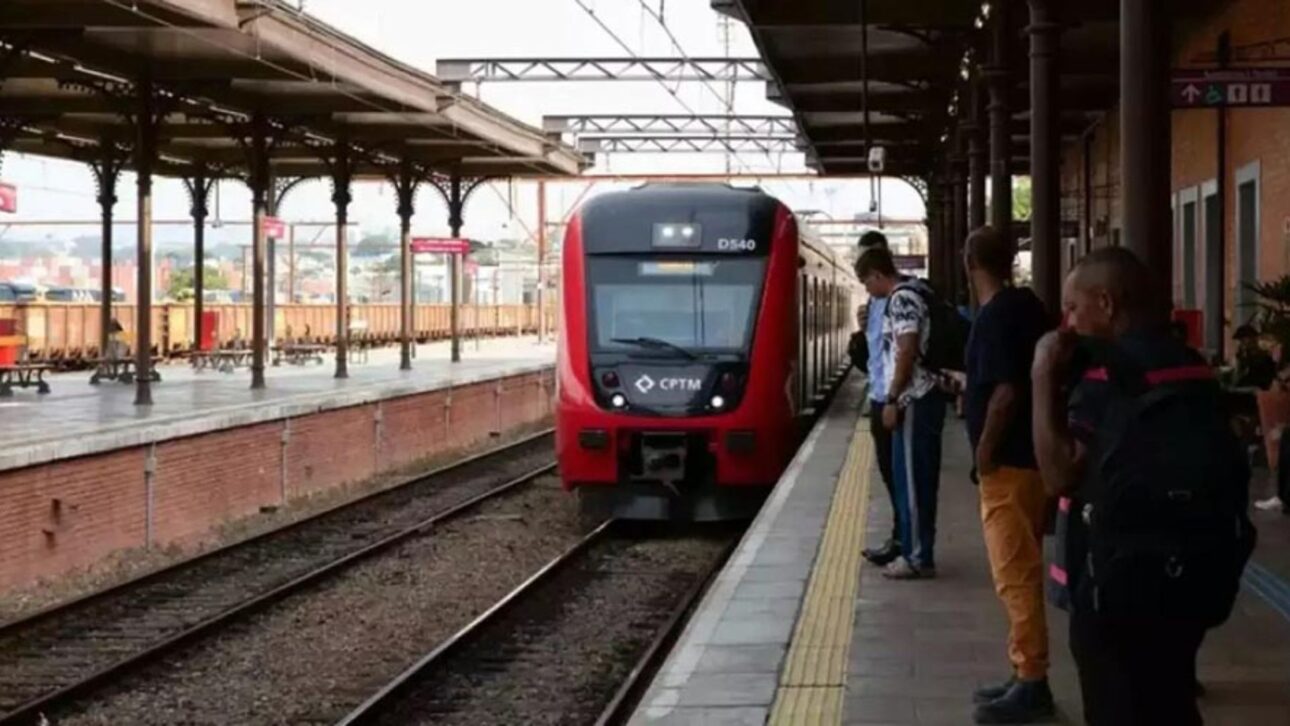
Regardless of the route, the TIC should connect to strategic stations in the capital, such as Pinheiros, Brás, or Santos-Imigrantes, facilitating integration with metro lines and suburban trains.
The integration at high-demand hubs reduces barriers to access the service, increases reach, and improves the door-to-door time perception.
However, the definition of the São Paulo terminal will depend on the chosen alternative and the capacity studies of the surrounding area.
Impacts on Mobility, Economy, and Tourism
Official projections indicate direct benefits for 1.8 million residents of nine municipalities in the Baixada Santista.
The multiplier effect tends to extend beyond mobility.
By offering fast and reliable transportation, the TIC may attract more people from São Paulo to the coast on weekends and holidays, reducing the burden on the Anchieta-Imigrantes highway and stimulating chains connected to hospitality, food, and entertainment.
From a logistical perspective, the migration of part of the passengers to the train frees capacity on the highways for freight vehicles, which is of interest to the Port of Santos and transport operators.
In parallel, areas near future stations tend to appreciate, with potential for urban requalification along corridors such as Mongaguá and access to Santos.
The environmental dimension is also relevant: by reducing motorized individual trips, the project contributes to lowering emissions and improving air quality.
Main Obstacles
The environmental licensing is one of the sensitive points, especially in the Serra do Mar section, a high-protection area.
Detailed studies and mitigation measures will be necessary to reconcile construction and conservation.
There is also the coordination with railway concessionaires that operate freight in the region, such as MRS and Rumo, whose sharing of tracks or implementation of new lines requires robust technical and legal solutions.
The financing model is another challenge. The intended structure is a Public-Private Partnership, combining private capital and public funding.
To attract investors, the economic-financial modeling needs to present demand parameters, risks, and guarantees that support the internal rate of return of the project throughout the contract.
Expected Timeline
The TIC South Axis was qualified in the PPI-SP in June 2024 through Resolution SPI No. 026/2024.
Since then, the government has set medium-term milestones.
The current agenda anticipates completion of studies by 2027, public hearings in the second quarter of 2027, publication of the announcement in the third quarter of 2027, bidding in the fourth quarter of 2027, and signing of the contract in the first quarter of 2028.
The start of operations is estimated for the next decade, depending on the selected route, the progress of licenses, and the execution of the works.
Integration into the Railway Plan
The South Axis is part of a larger railway mobility package with over R$ 60 billion in planned investments.
This includes the TIC East Axis, between São Paulo and São José dos Campos, as well as VLT projects in Campinas and Sorocaba.
The idea is to link regional and urban services into a coherent system, where intercity trains function as land use structuring elements and the VLTs organize local travel, reducing travel times and improving connectivity between economic centers.
Even though it is still in the study phase, the project signals a reorientation of public policy towards rail.
According to experts, if well executed, the TIC South Axis can rebalance transportation between the plateau and the coast, provide predictability for daily commutes, and strengthen the role of the port and tourism in São Paulo’s economy.







-

-

-

3 pessoas reagiram a isso.