





 Portuguese
  English
  Spanish
  5 min of reading
  1 comment


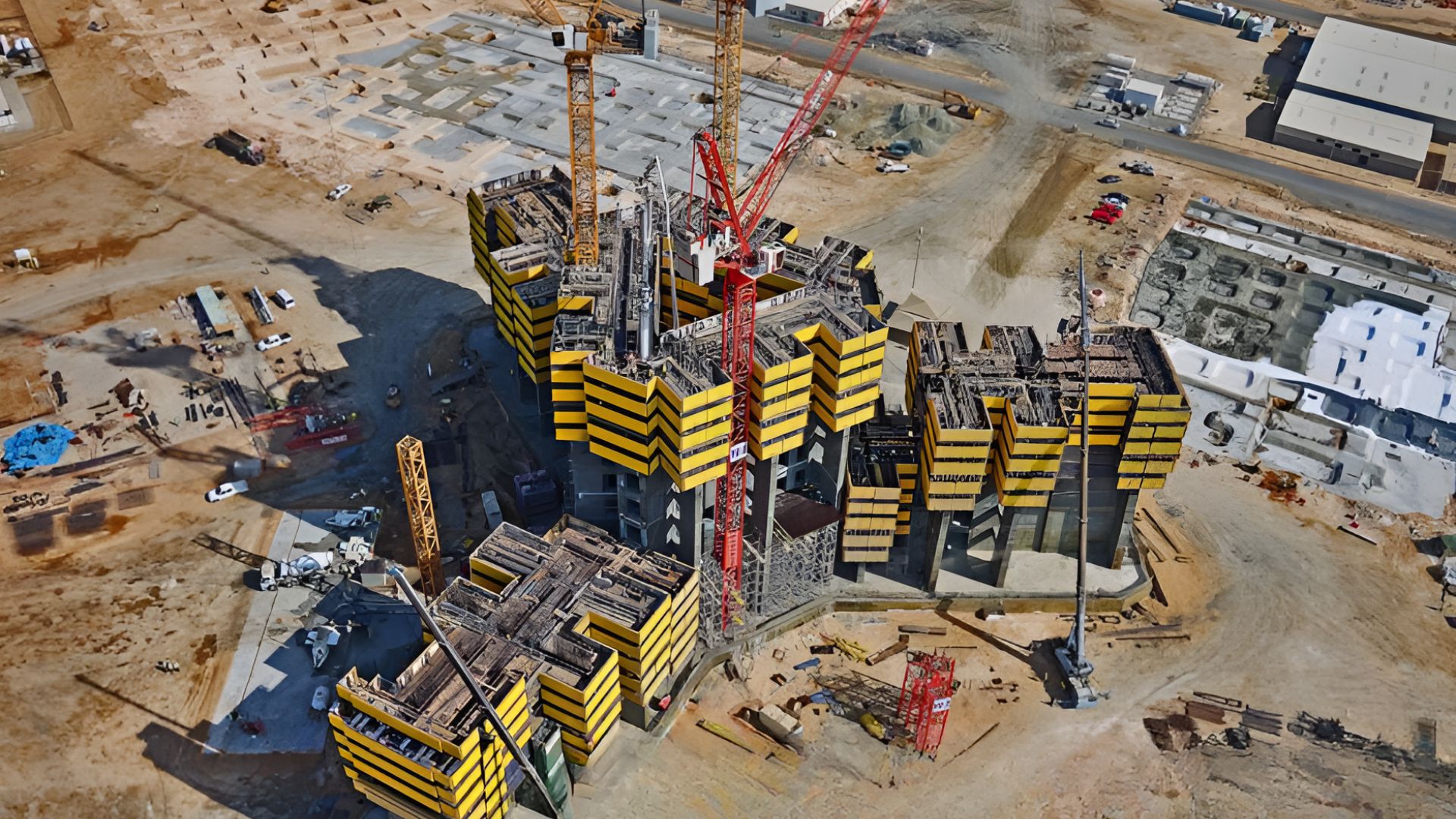


Resumption of Billion-Dollar Projects in Saudi Arabia Brings 1,000-Meter Mega-Tower to the Center of the Global Battle for Record-Breaking Buildings, with Urban Impact, Technical Challenges, and Investments Combining Extreme Vertical Construction and Planning for a New Integrated City.
Saudi Arabia has resumed the construction of the Jeddah Tower, a project intended to exceed 1,000 meters in height and, when completed, surpass the Burj Khalifa in Dubai as the tallest building in the world.
The construction is part of a broader urban development plan valued at around US$ 20 billion, aimed at creating a new residential, commercial, and tourist hub in the city of Jeddah, along the Red Sea.
The initiative fits into a historical context in which record-breaking buildings have ceased to be merely technical challenges and have started to function as instruments of economic and symbolic projection.
-
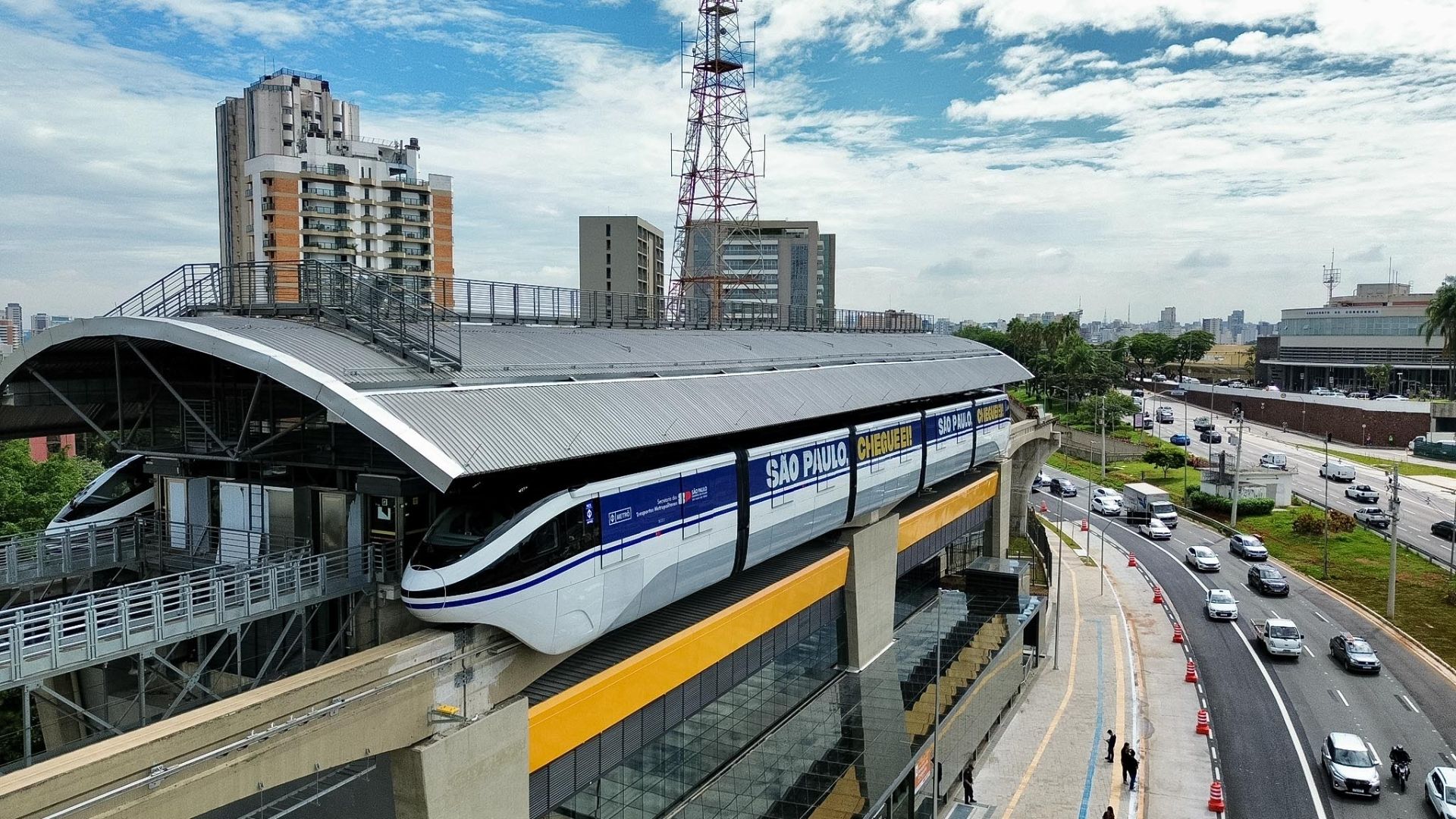
Congonhas receives the monorail promised for the 2014 World Cup after more than a decade of delays and becomes the first airport in Brazil with integrated subway.
-
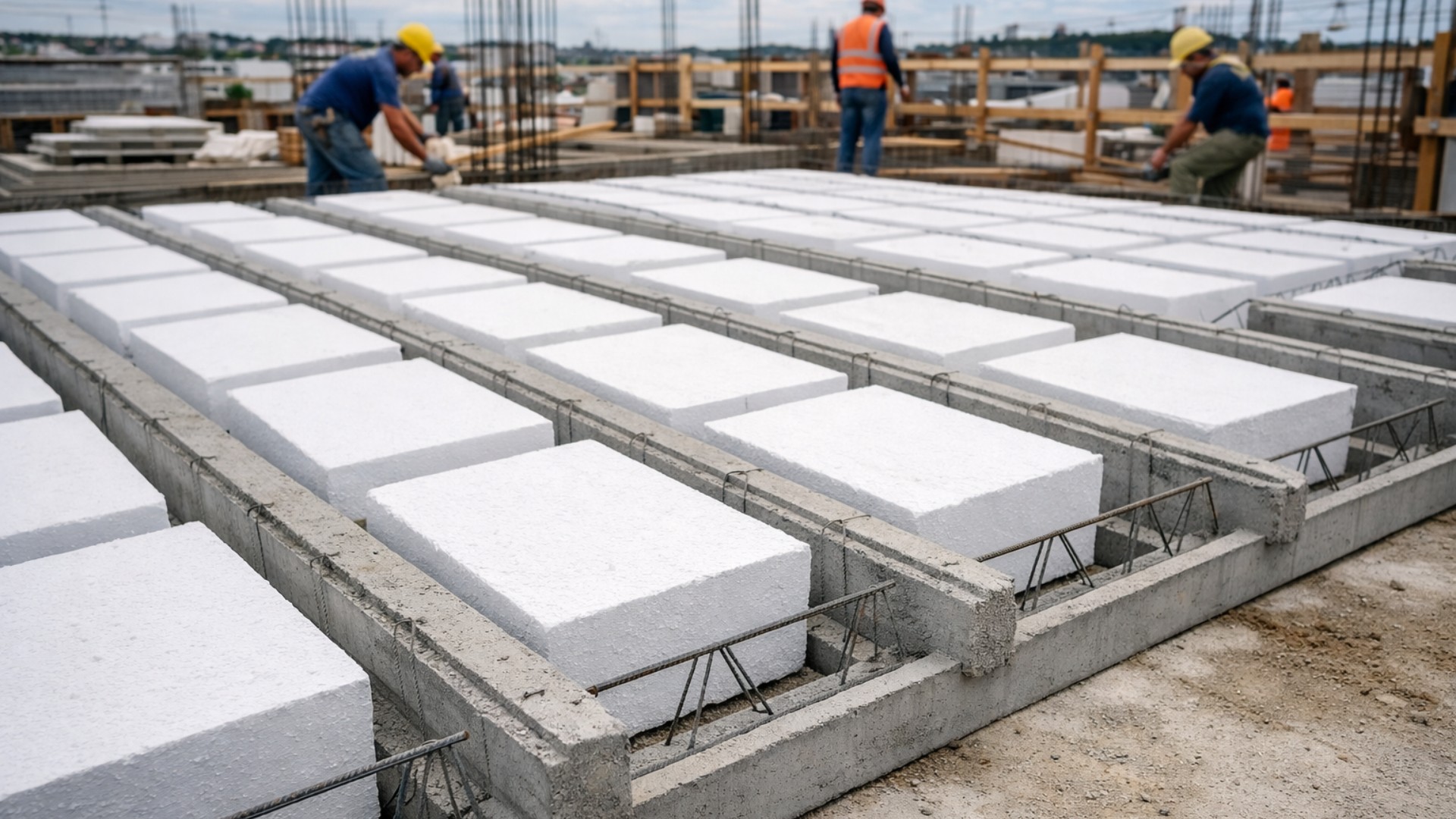
Goodbye, concrete: a new trend in civil construction reduces the weight of the structure by up to 30%, accelerates projects by up to 40%, cuts costs on steel and labor, and improves thermal insulation with EPS.
-
Russian engineers create an innovative propeller blade for aircraft that could completely change the way airplanes and helicopters operate.

-
Couple finishes building PVC chalet on the beach on the last day, with air conditioning and curtains, but discovers the bathroom drain is inverted: water escapes from the drain, risking breaking the floor, and the rush continues before the trip.

Over the past decades, skyscrapers such as the Petronas Towers in Malaysia, the Shanghai Tower in China, and the Burj Khalifa itself have contributed to repositioning cities on the international stage.
These constructions have increased the global visibility of these urban centers and helped attract private investment and visitors.
In this environment of international competition for architectural landmarks, the Jeddah Tower emerges as Saudi Arabia’s main bet to be at the top of this contest.
The building is the central element of the so-called Jeddah Economic City, a project planned to combine residential, corporate, hotel, and commercial uses within the same urban district.

Jeddah Tower Project and Engineering Solutions
The tower’s design is signed by the Adrian Smith + Gordon Gill Architecture firm, which is also responsible for the Burj Khalifa project.
The proposal envisions a mixed-use building with apartments, a hotel, offices, and a high-altitude observation deck.
The stated goal is to exceed 1 kilometer in height, a milestone that remains unprecedented among habitable constructions.
Besides the height, the project involves operational challenges related to internal circulation.
Technical documents and specialized reports indicate that the tower will feature a vertical transportation system consisting of dozens of elevators, organized into zones throughout the building.
Some of these cabins are expected to operate at speeds exceeding 10 meters per second, a standard observed in other super-tall buildings already in operation.
The slender shape of the structure was designed to handle wind loads at high altitudes.
According to the designers, the geometry of the building and the structural core aim to reduce oscillations and increase stability, factors deemed essential for constructions of this scale.
Height, Number of Floors, and Adjustments in Planning

Although the idea of a tower of 1,000 meters is the most publicized aspect, the number of floors varies according to sources.
Recent materials related to the project indicate that the design anticipates 157 floors.
This variation reflects technical adjustments made during development and the complexity of defining final parameters for projects of this magnitude.
Shutdowns, Resumption, and New Construction Schedule
Construction of the Jeddah Tower began in the last decade but went through a long period of interruption.
Since 2018, the site has been operating at a reduced pace and, at times, was practically halted.
International reports associate this slowdown with changes in the economic environment and internal restructuring related to those responsible for the project.
Subsequent impacts on the construction sector, including effects from the pandemic, have also been cited.
In recent years, the scenario has started to change.
The resumption gained momentum with the reorganization of the project and the rehiring of companies involved in the execution.
Information released by the developers indicates that the financing for completing the construction will combine own funds and banking instruments.

Specialized publications have started to report the return of activities at the construction site and the updating of goals.
The most recent schedule, cited in international coverage, points to a possible completion by the end of the decade.
However, deadlines for mega-projects of this scale remain subject to revisions, given the complex stages of structure, façade, systems, and operational testing.
Costs of the Tower and the Urban Mega-Project
The values associated with the Jeddah Tower often appear aggregated but relate to two distinct levels of investment.
Recurring estimates indicate that the cost of the tower itself is around US$ 1.2 billion.
The amount close to US$ 20 billion pertains to the broader urban development that encompasses it.
This plan anticipates the implementation of a mixed-use district, with housing, commercial areas, services, hotels, and urban facilities.
Within this design, the tower functions as the central element and symbol of the project, while economic viability depends on the occupancy and performance of the entire planned neighborhood.

Technical Challenges of Building Up to 1,000 Meters
Bringing a building to this height involves obstacles that go beyond mere elevation.
Structural engineering and super-tall building experts point out that elevator systems, power supply, water supply, fire protection, and evacuation routes become progressively more complex as construction scales up.
In the case of the Jeddah Tower, the vertical transportation system is identified as one of the critical elements.
It needs to ensure efficient flow between distinct zones of the building and reduce waiting times.
Moreover, the everyday operation of such a large structure requires detailed planning for maintenance and safety over decades.
Parallel to the technical aspects, the project has been referenced in analyses regarding the Saudi economic diversification strategy.
In this context, major works of architectural impact are presented as instruments for enhancing the country’s international visibility and attracting capital and tourism.
If the tower is completed as planned, it should establish a new height record and serve as a case study for the current limits of civil engineering and the operation of super-tall buildings.
This scenario keeps the discussion open among urban planners and engineers about how far the pursuit of ever-taller constructions will remain technically and economically viable.








Acho que esse povo ainda estao com ideias babelisticas, do tempo da torre de Babel.