





 Português
  Inglês
  Espanhol
  4 min de leitura
  0 comentários


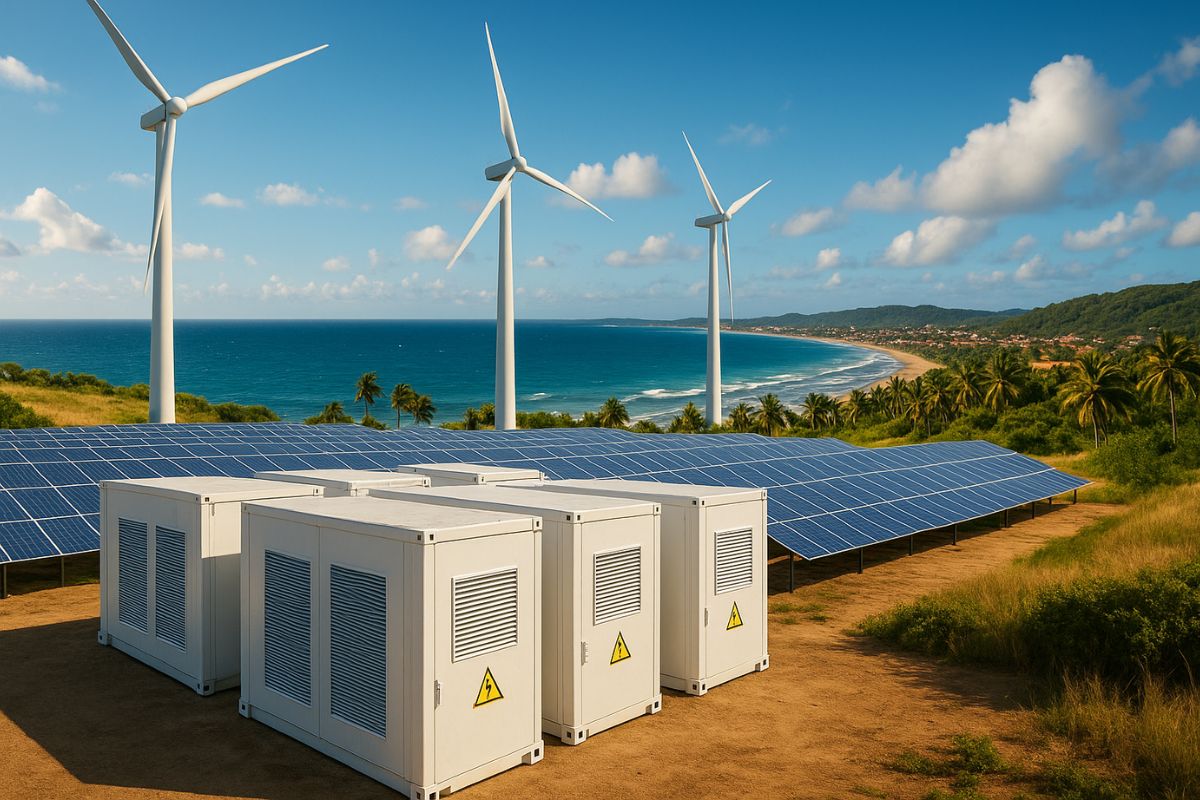
Megabatteries That ‘Store Wind’ Could Transform Brazil’s Electric System. Technology Already Used Abroad Is Starting to Gain Ground in Brazil and Promises to Balance the Electric Grid with Solar and Wind Energy.
The megabatteries that ‘store wind’ are moving from being just a curious idea to becoming a strategic piece in the future of Brazil’s electric system. Once viewed with skepticism, the proposal to store energy from intermittent sources like wind and solar is already a reality in countries like China, the United States, and Australia, and is beginning to gain ground in Brazil.
The technology works like a large energy “lung”: it absorbs excess generation during high production moments and returns that energy during periods of high consumption or when renewable plants are not operating.
In doing so, it reduces waste, increases supply security, and can prevent blackouts in overload situations.
-
Billion-dollar partnership in clean energy: The advancement of decarbonization in Japan opens doors for Brazil to become the world’s largest supplier of green hydrogen and ammonia.

-
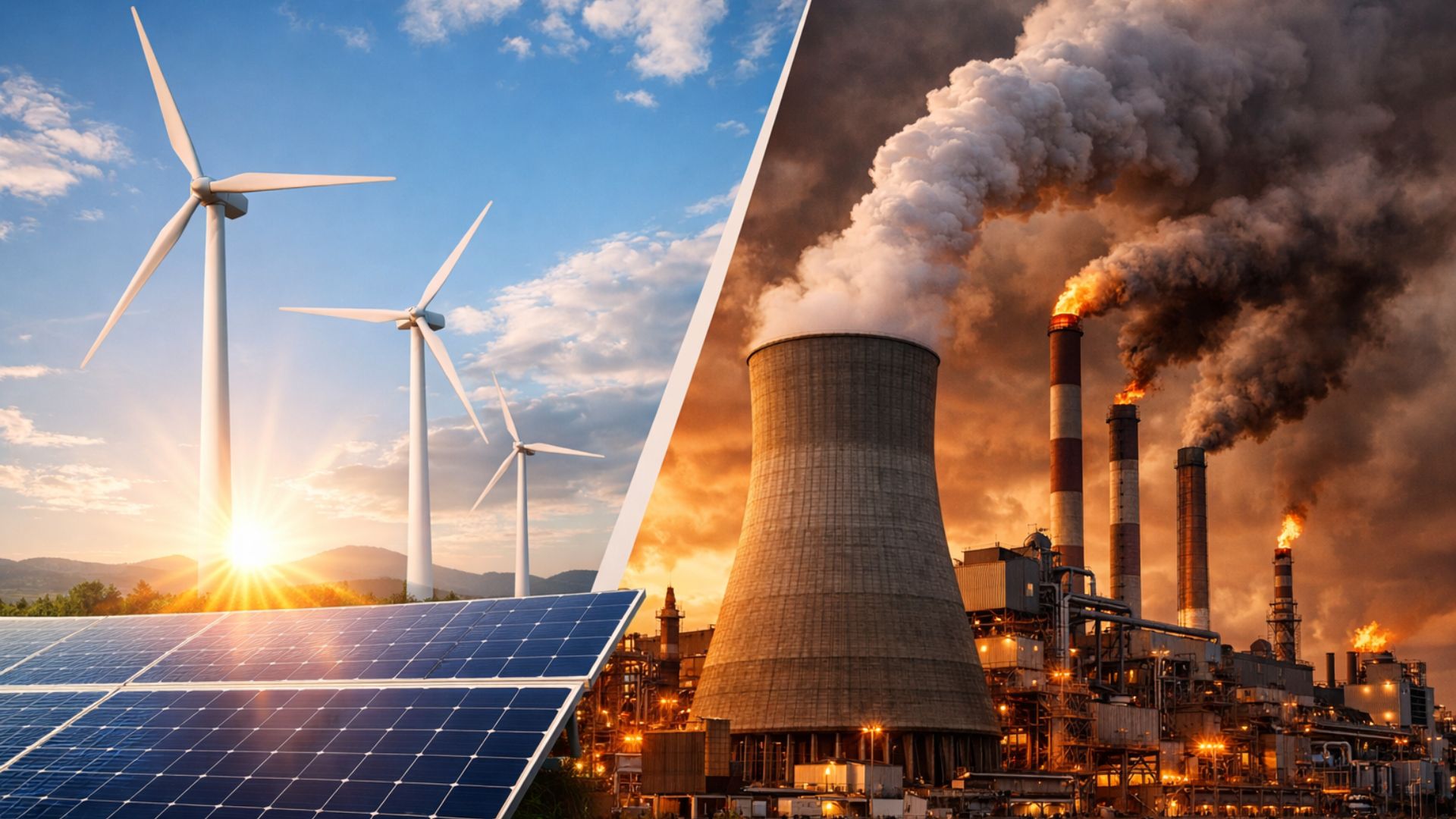
Understand how thermal security has become a key element in the energy transition by ensuring a balance between intermittent renewable energies and thermal sources capable of sustaining the electrical system during critical moments.
-
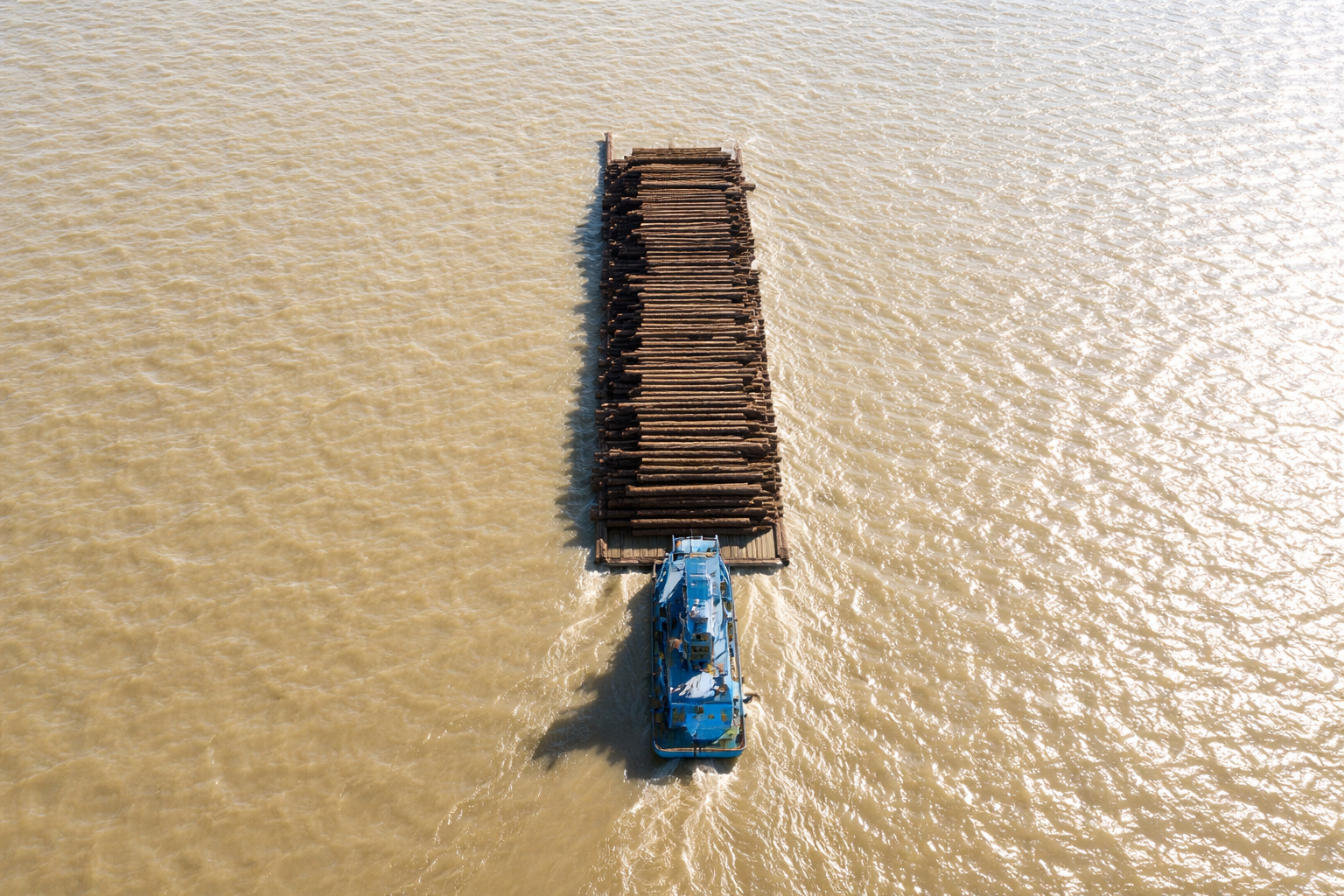
Billion-dollar investment for the forest: World Bank releases funds to expand renewable energy and create thousands of new green jobs in the Amazon region.
-
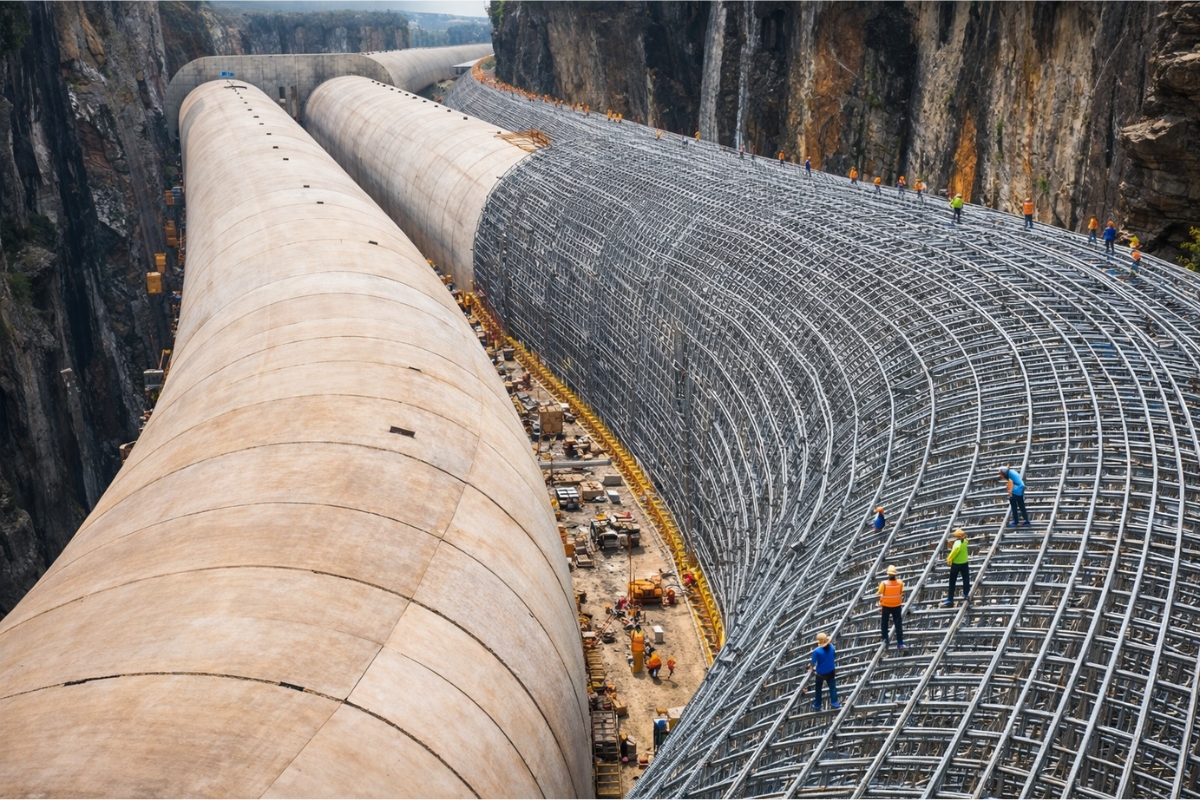
Switzerland invested over $2.3 billion and bet on water, altitude, and solid rock to create a battery in the Alps capable of powering more than 1 million homes.
What Are Megabatteries and How Do They Work
Megabatteries, technically known as Battery Energy Storage Systems (BESS), store electricity on a large scale for later use. The idea is simple, but with enormous impact: shifting energy in time. If the wind blows more at night and consumption is higher during the day, the excess generated can be stored for use when the grid needs it.
This flexibility helps to smooth demand peaks in a process known as peak shaving, and to respond quickly to voltage and frequency fluctuations. Unlike hydropower or thermal plants, which need minutes to adjust, a megabattery responds in milliseconds, stabilizing the grid and preventing power outages.
Growth of Renewables Requires New Solutions
The role of megabatteries that ‘store wind’ is even more relevant given the rapid expansion of solar and wind energy in Brazil. In 2015, together, these sources represented only 3.66% of the electric matrix. By 2025, they will account for 33%, according to the National Energy Balance. ONS predicts that, by 2029, they will reach 46.3%.
Without efficient ways to store excess, the growth of these sources could be limited. The batteries act as a buffer, allowing the system to better utilize each megawatt generated and reduce dependence on polluting sources during peak hours.
Experiences in Brazil and Around the World
In Brazil, the first major project was installed in Registro (SP) by ISA CTEEP, with 30 MW of power and 60 MWh of storage, enough to supply a city of 90 thousand inhabitants for two hours. The system is used to relieve the grid during peak demand times on the São Paulo coast, especially on holidays.
Abroad, China leads with over 215 GW of installed capacity and another 500 GWh under construction. The U.S. has 82 GWh operational, Australia has made headlines with the Hornsdale battery, which saves millions annually, and Chile is already planning to surge from 3.8 GW to 41 GW by 2027.
Technical and Economic Challenges
Despite the potential, megabatteries are not a magic solution. They have short cycles of 1 to 4 hours, a lifespan of 10 to 15 years, and risks such as thermal runaway, which requires strict safety protocols. The cost is still high: the Registro project cost R$ 146 million, although lithium-ion battery prices have dropped nearly 90% since 2010 and are expected to fall another 40% by 2030.
Another hurdle is regulatory. In Brazil, batteries do not have a clear classification; they are neither considered generation, consumption, nor transmission, and therefore do not receive compensation for the services they provide. Aneel is working to change this and allow broader entry of this technology into the market.
Supply Chain and Geopolitics
Dependence on China is a sensitive point: 85% of battery cells produced worldwide come from the country. In a scenario of geopolitical tension, this can affect prices and delivery times.
On the other hand, this concentration also stimulates research into alternatives, such as sodium batteries and hybrid storage solutions.
The Future of Megabatteries in Brazil
The Brazilian government is already studying the inclusion of batteries in the first power reserve auction, which could unlock private investments. Companies such as Copel, Petrobras, and Moura are also testing applications in specific sectors, such as agribusiness, offshore platforms, and high-consumption industries.
If the expansion occurs as expected, the megabatteries that ‘store wind’ could become as common as hydropower plants were in the last century—not to replace other sources, but to ensure that every watt generated is used as efficiently as possible.
What do you think, is Brazil ready to adopt megabatteries on a large scale, or are there still too many barriers? Share your opinion and join the debate.






Seja o primeiro a reagir!