





 Portuguese
  English
  Spanish
  3 min of reading
  0 comments


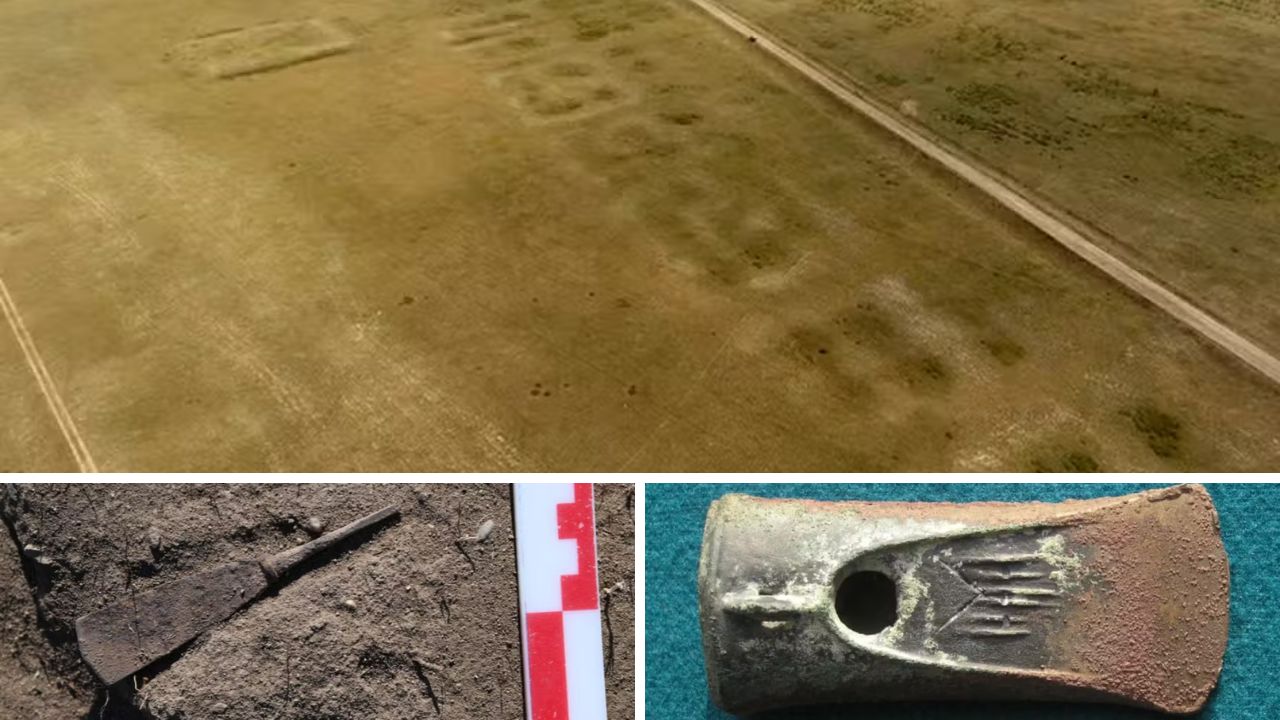
A Lost Megacity From the Bronze Age, Covering 140 Hectares, Was Discovered in Kazakhstan. The Find Reveals Urban Planning, Large-Scale Metallurgy, and a Strategic Trade Center.
Archaeologists announced the discovery of a lost megacity from the Bronze Age located in northeastern Kazakhstan, at a site nicknamed the “City of the Seven Ravines.”
The ancient city of Semiyarka, occupied around 1600 B.C., covers approximately 140 hectares and reveals an urban complexity previously unseen in the Eurasian steppes.
The excavation, conducted by institutions such as University College London (UCL), Durham University, and Toraighyrov University of Kazakhstan, shows that the site was not merely a village, but rather an industrial and political center.
-
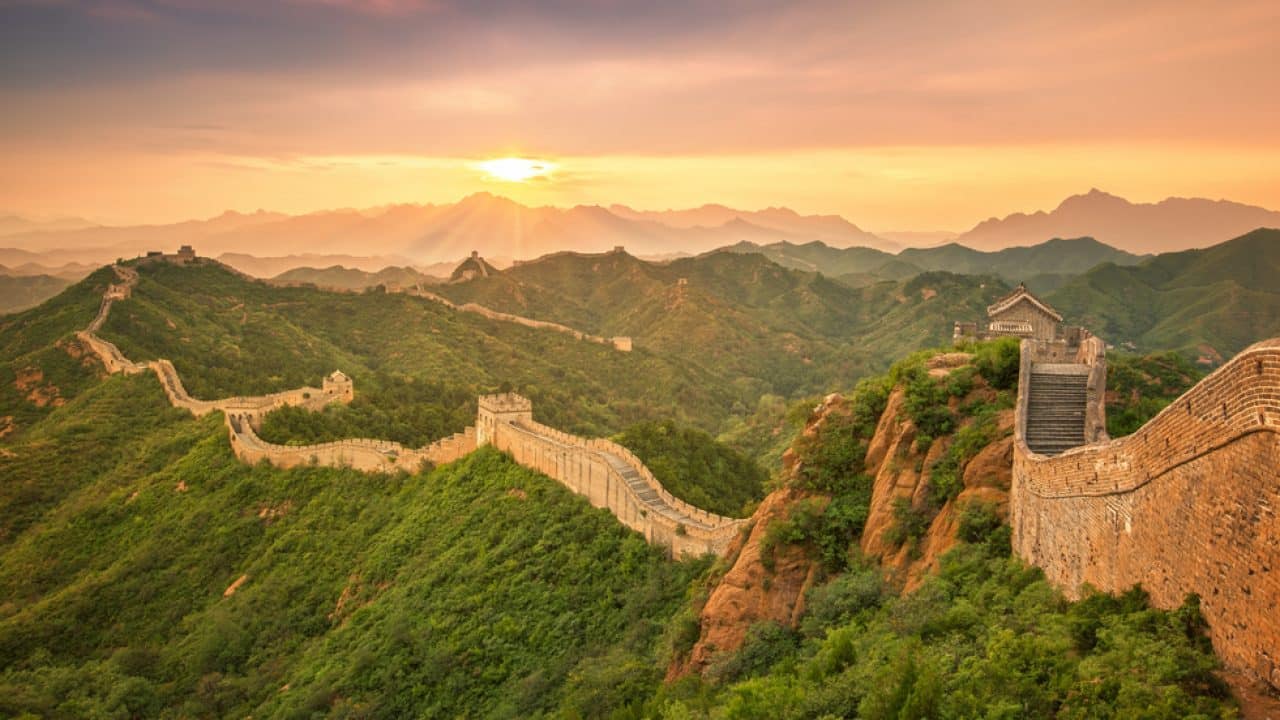
Why was the Great Wall of China built? The truth that many are unaware of!
-
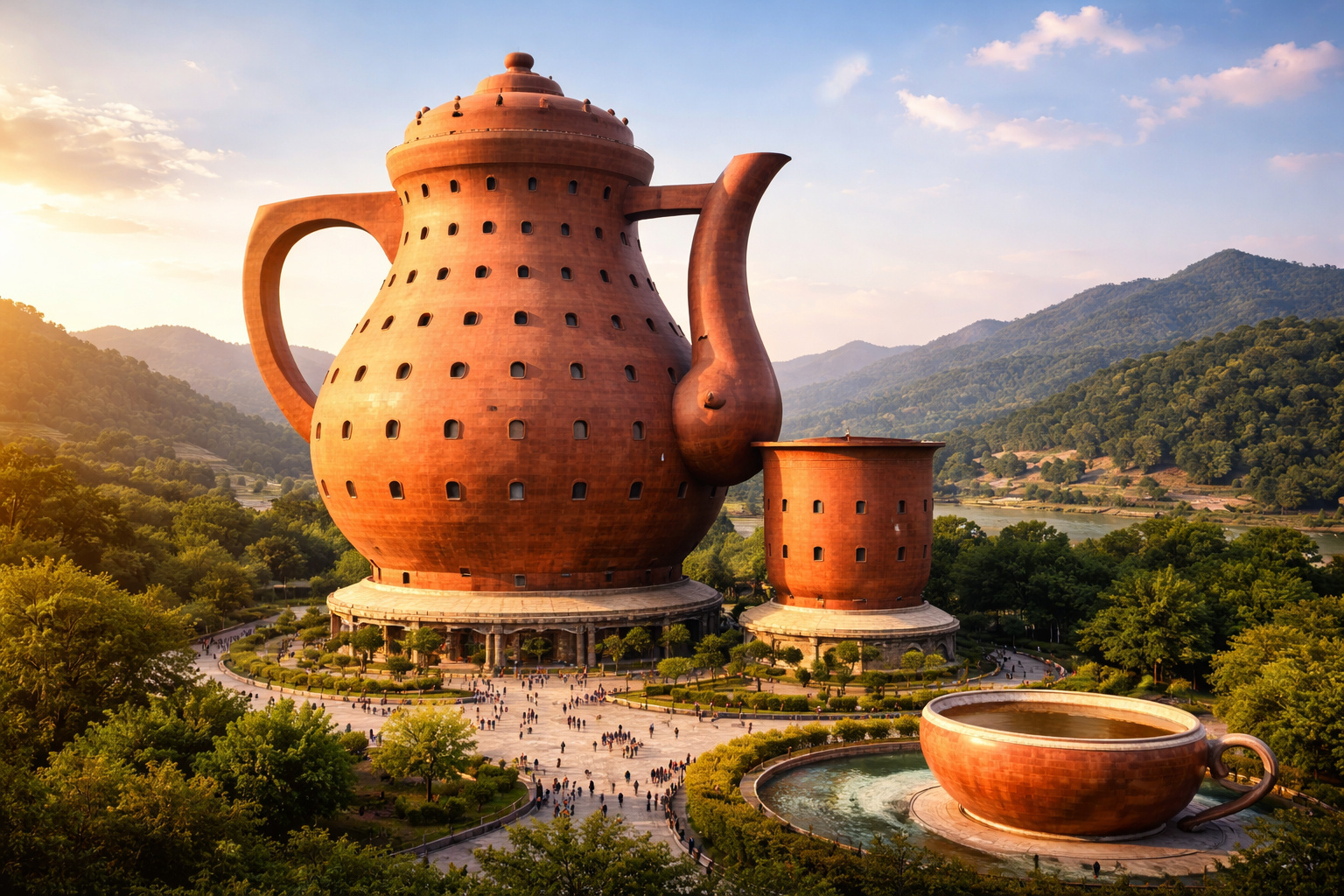
At 73.8 meters tall, the world’s tallest teapot-shaped building has 15 floors, ensures stability, and impresses with an internal space of 28,000 cubic meters.
-
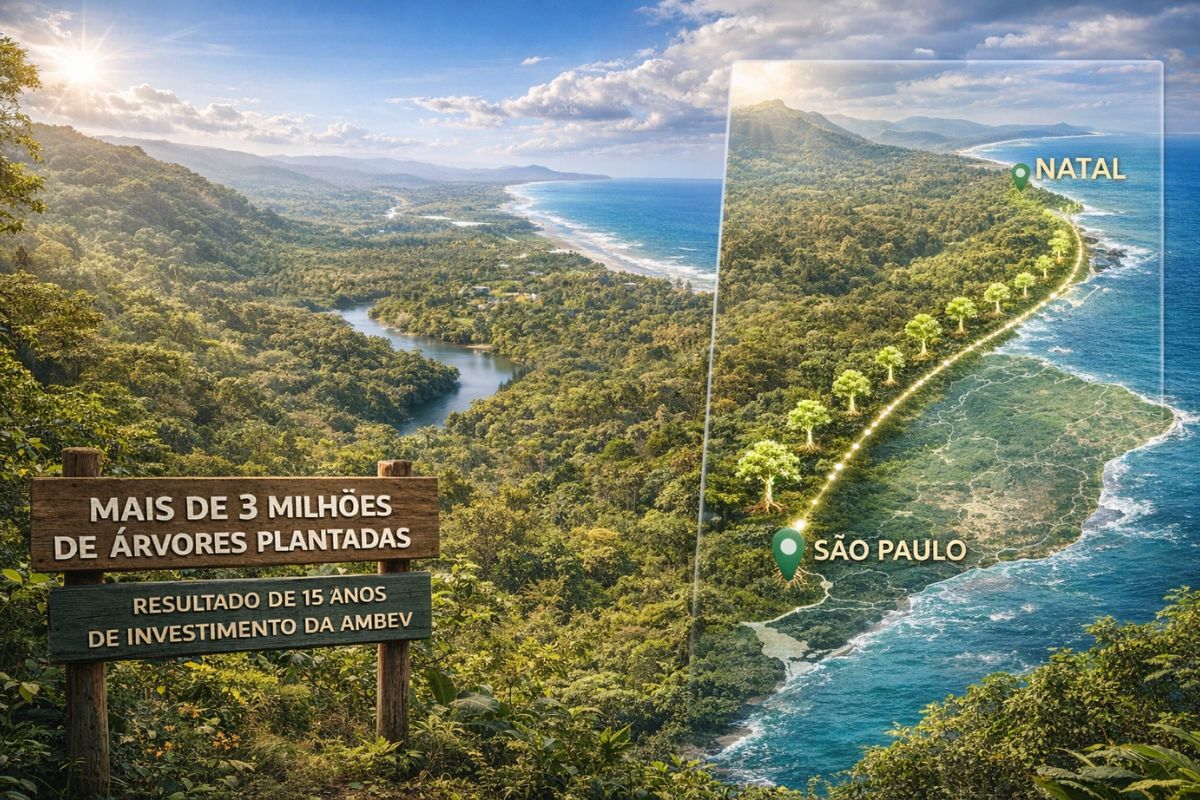
Ambev has planted over 3 million trees and restored an area equivalent to the coastline from São Paulo to Natal, and the result after 15 years of silent investment has finally appeared for all of Brazil to see.
-
A new AI collar technology for cattle eliminates physical fences, creates virtual barriers, monitors animals 24/7, and detects changes in behavior and health.


The discovery, now published in the journal Antiquity, profoundly changes our understanding of how steppe societies were organized and thrived.
A Lost Megacity in the Heart of the Steppes
The so-called lost megacity of Semiyarka emerged on a natural rise along the Irtysh River, offering extensive visual dominance over seven valleys—hence the nickname “City of the Seven Ravines.”
Its strategic location suggests it held significance for territorial control and trade in the Middle Bronze Age.
Covering about 140 hectares, Semiyarka is considerably larger than other contemporary settlements in the region, which led researchers to classify it as one of the earliest urban “proto-cities” in the steppes.
Archaeologists utilized drone imagery to map the site.
This imagery revealed rows of angular rectangular mounds—later identified as residential structures with mud brick walls and internal compartments.
At the meeting point of these rows, a larger building was identified, possibly monumental, twice the size of common houses.
Researchers believe that rituals, political decisions, or community meetings occurred there.
Large-Scale Metallurgy: The Economic Engine of the City
One of the most impressive pieces of evidence of the lost megacity is the existence of an industrial zone dedicated to bronze production.
Slag, crucibles, and tools related to metalworking were found—indicating a sophisticated system of copper and tin smelting.
This large-scale production is unprecedented for the region: many settlements at the time had modest workshops, but Semiyarka demonstrates a true manufacturing structure.
The proximity of the Altai Mountains may have facilitated access to copper and tin ores, essential raw materials for bronze production, reinforcing the idea that the city was an important hub in Bronze Age trade networks.
Who Were the Inhabitants of the Megacity?
Before this discovery, it was believed that populations in the Eurasian steppe were predominantly nomadic, living in temporary camps.
The lost megacity of Semiyarka alters this view: researchers claim that it was a sedentary, organized, and stable community capable of sustaining a complex economy.
Archaeologist Miljana Radivojević from UCL and Professor Dan Lawrence from Durham University emphasize that the scale and form of the structures are very different from anything seen in the steppes so far.
Historical Importance and Next Steps
The discovery of this lost megacity has profound implications for the study of the Bronze Age in Eurasia.
It reveals that urban and industrial development may have occurred in regions considered remote, and that life in the steppes was more sophisticated than previously assumed.
Moreover, Semiyarka may have played a central role in metal trade routes, connecting Altai mountain mines to other distant regions.
Researchers plan to continue excavations to uncover more about the political, social, and ritual life of the city.
New areas of the site are expected to be explored to better understand the relationship between the inhabitants, their economy, and their power in the region.
Source: Revista Galileu







-

-

-

-

4 pessoas reagiram a isso.