Portuguese
  Spanish




Sustainable Aviation Fuel Is A Major Bet Of The Industry To Reduce Environmental Impact
Studies show that approximately 2% of carbon emissions worldwide come from the aviation industry. With such relevant numbers and real impact on the environment, scientists are seeking alternatives to reduce the sector’s shock on the environment. Two projects make it clear that the future of the industry will be filled with fuels, with reduced impact on the planet.
One example of researchers’ work comes from the University of Georgia, where scientists are using a type of mustard plant for the development of sustainable fuel. The new aviation fuel is said to be capable of reducing carbon emissions in the environment by up to 68%, the University revealed in a press release.
Scientists are seeking a fuel derived from Brassica Carinata, also known as Ethiopian mustard, which is a non-edible oilseed with high potential: “The sustainable aviation fuel based on Carinata can help reduce the carbon footprint of the aviation sector, creating economic opportunities and improving the flow of ecosystem services,” said Puneet Dwivedi, professor at the University.
-
Brazilian scientists are simultaneously advancing two research projects on clean hydrogen and driving solutions that could transform the energy matrix, enhance industrial competitiveness, and accelerate large-scale emission reduction targets.

-
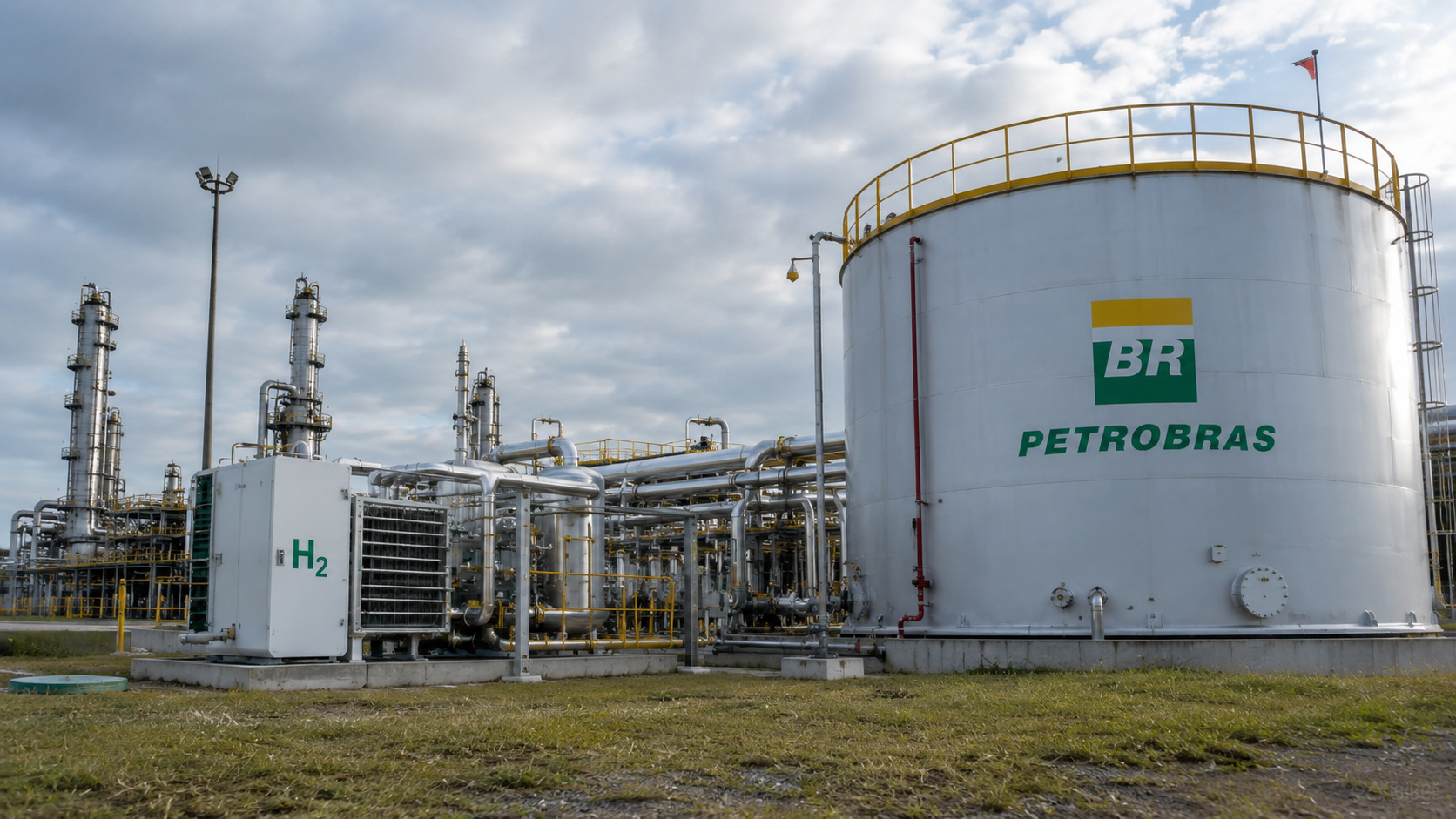
Advancement in renewable energy: A R$ 150 million project launched by Petrobras and Finep aims to create state-of-the-art electrolyzers for green hydrogen, strengthening national research and preparing Brazil to compete in a billion-dollar energy market.
-
Illiterate or semi-literate grandmothers were trained to repair solar systems, open rural workshops, and light up homes that still depended on kerosene.
-
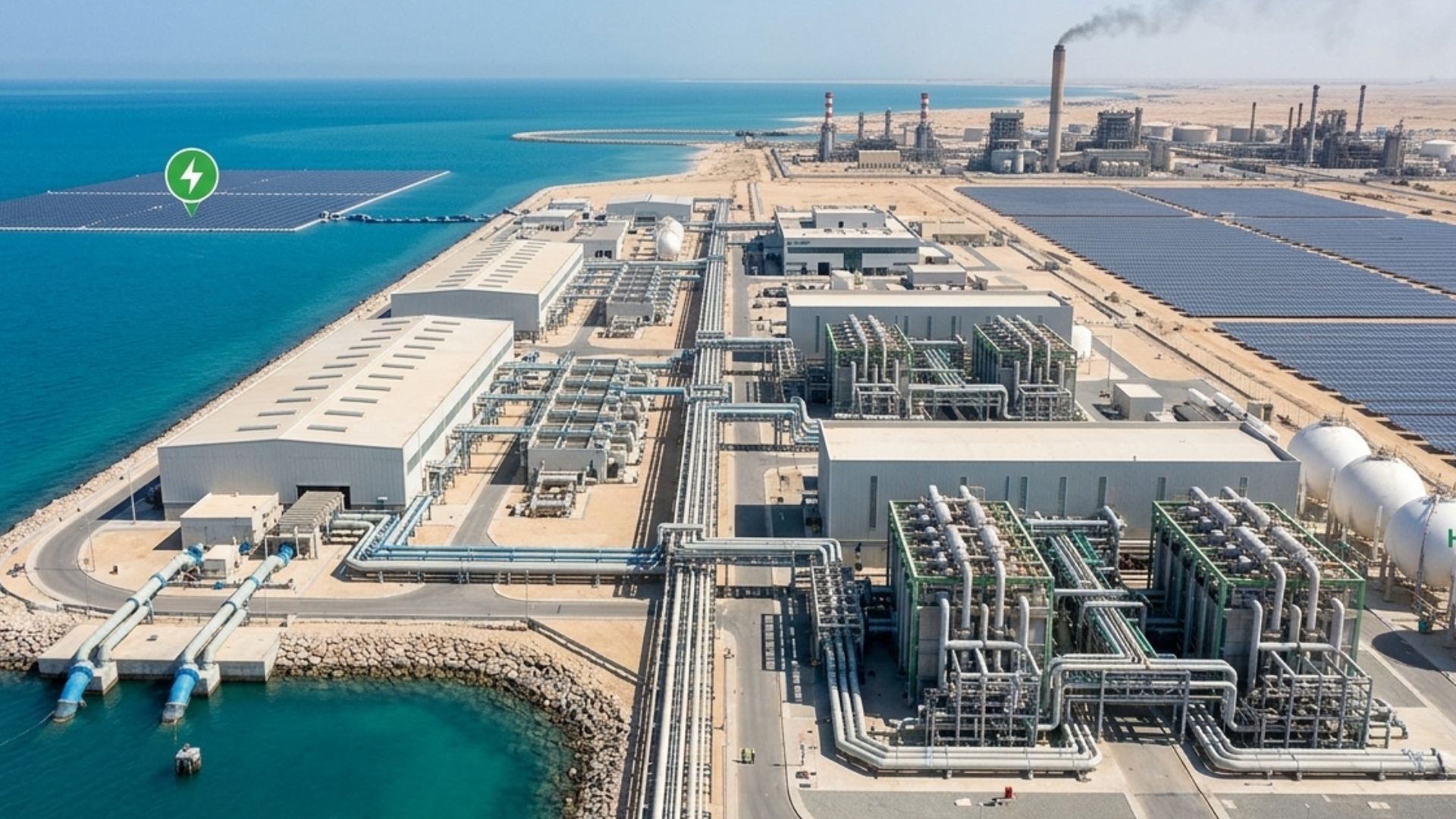
The world has bet on green hydrogen as the fuel of the future, but now faces the side effect: producing 1 kilogram requires about 9 liters of ultrapure water, and the largest projects on the planet are precisely in the driest regions of the Earth, where water is already scarce for people.




This was just one of many studies being developed by entities looking to provide a fuel with reduced environmental impact to the market.
One of the cleanest fuels is close to entering world markets, being developed by Twelve, a carbon transformation company. The company created the first fossil-free aviation fuel from CO2.
The fuel is called E-Jet, being developed by the company in partnership with the United States Air Force. The product has great potential to become a scalable and highly efficient clean fuel, significantly reducing environmental impact.