





 English
  Francês
  Alemão
  Italiano
  Japonês
  Norueguês
  Portuguese
  Spanish
  2 min of reading


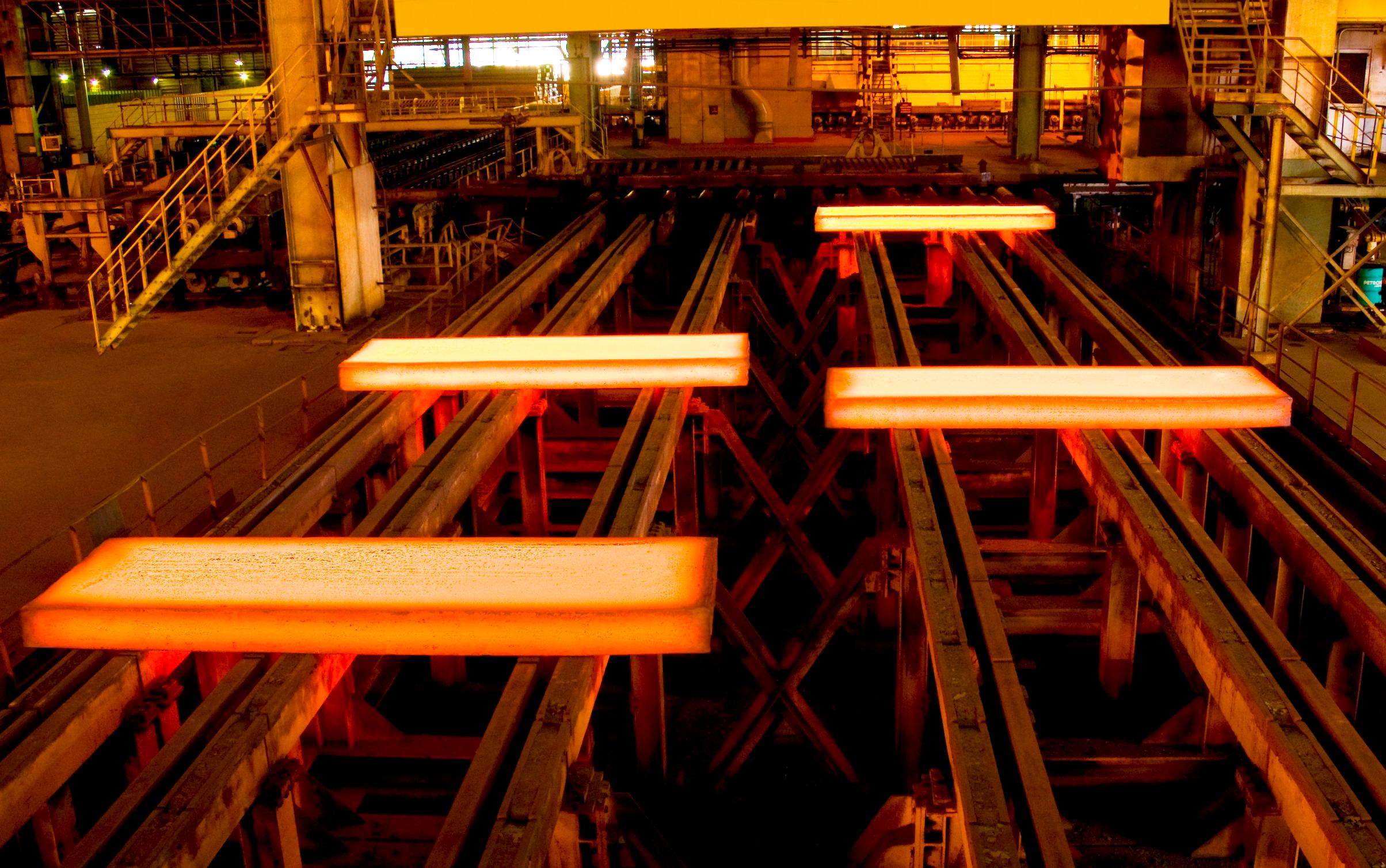
The Company Decided to Cut This Year’s Investments in Special Steel Mills, Considering the Covid-19 Crisis
For 2020, another company adopted investment cuts due to the coronavirus. This time, the company Gerdau reported the reduction, resulting from the drop in demand in some sectors, especially the automotive sector.
See Other News:
- Job Vacancies on This Day 07 for Maintenance, Automation, Supply, and Safety Areas at Suzano
- 160 Thousand Tons – Ferroeste Records Historic Performance in Cargo Handling
- Macaé Has Job Vacancies for Technicians at Service Providers in the Oil and Gas Sector
According to Gustavo Werneck, the company president, “given these market uncertainties, we have become more conservative in project approvals and have halted ongoing projects.”
The amount cut for the year was R$ 1 billion, down from R$ 2.6 billion to R$ 1.6 billion. This adjustment implies the halt of the main investments that the company was making in the two largest special steel mills, one in Pindamonhangaba (SP) and another in the United States.
“These are investments to keep up with the technological evolution of the automotive industry and since there will certainly be a significant drop in vehicle sales this year, it gave us a little more time,” he said. “We reduced, but we believe that, in the medium term, there will be no impact on our ability to serve the market.”
-
Unemployment rises again to 5.8% at the beginning of 2026, raising alarms about the end of temporary positions and its impact on the Brazilian job market.

-
Document organization can cut invisible costs in small businesses, a simple step that prevents waste, rework, and losses in daily operations.

-
Chinese giant worth nearly R$ 4 billion that manufactures cables for electric cars, solar energy, and robotics wants to open a factory in SC.

-
Many employers do not know, but the law guarantees domestic workers a 25% increase in salary during trips, 50% for overtime, 20% for night shifts, and 17 additional benefits that can lead to labor lawsuits if not paid.


The company adopted a 25% reduction in working hours to avoid employee layoffs. Salaries were reduced, some employment contracts were suspended, collective vacations were adopted, and maintenance stoppages were increased. All of this, according to Werneck, are measures available so that the company does not lay off workers. “There were no layoffs,” he maintained.








Seja o primeiro a reagir!