






 Portuguese
  Spanish


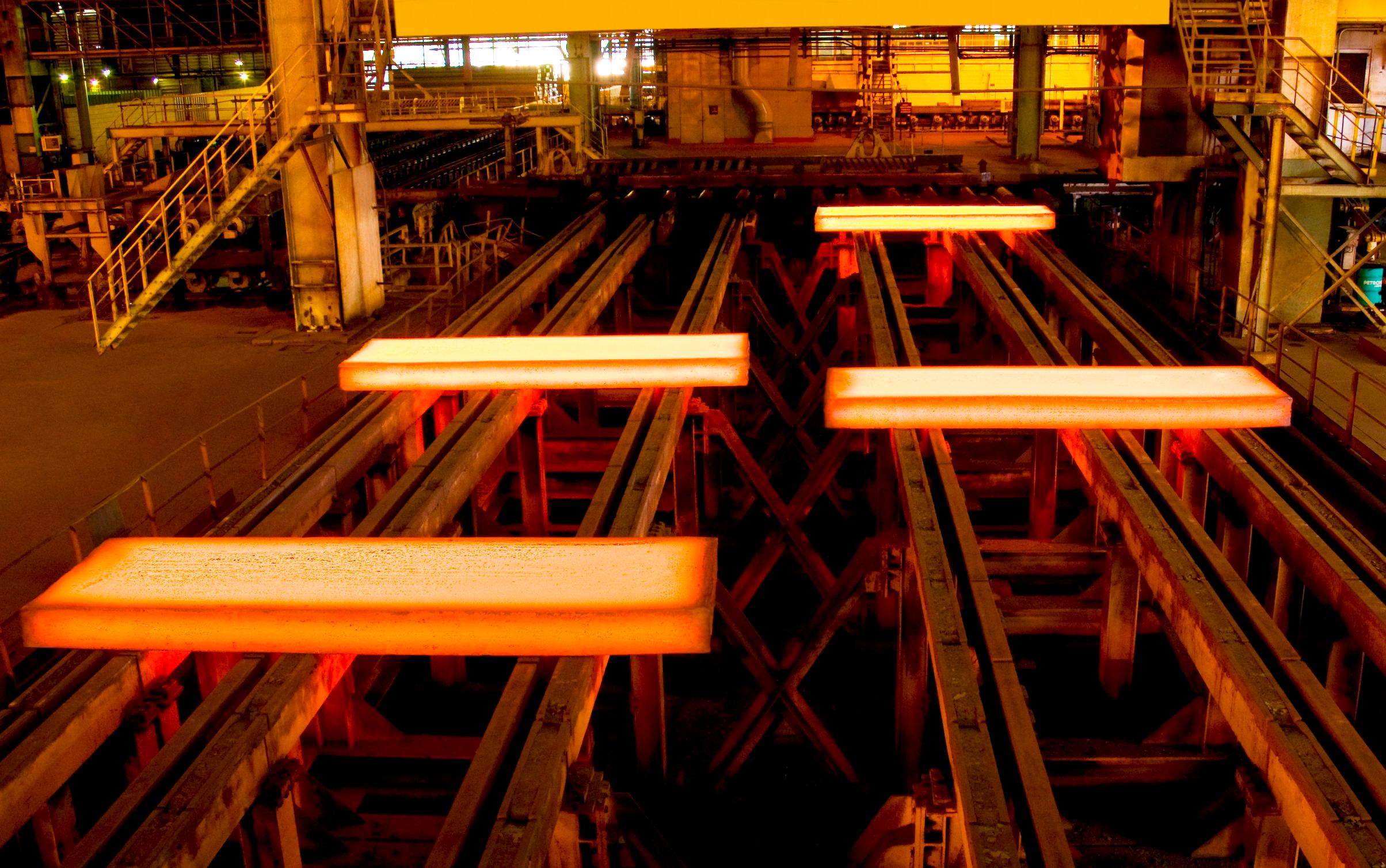

The Company Decided to Cut This Year’s Investments in Special Steel Mills, Considering the Covid-19 Crisis
For 2020, another company adopted investment cuts due to the coronavirus. This time, the company Gerdau reported the reduction, resulting from the drop in demand in some sectors, especially the automotive sector.
See Other News:
- Job Vacancies on This Day 07 for Maintenance, Automation, Supply, and Safety Areas at Suzano
- 160 Thousand Tons – Ferroeste Records Historic Performance in Cargo Handling
- Macaé Has Job Vacancies for Technicians at Service Providers in the Oil and Gas Sector
According to Gustavo Werneck, the company president, “given these market uncertainties, we have become more conservative in project approvals and have halted ongoing projects.”
The amount cut for the year was R$ 1 billion, down from R$ 2.6 billion to R$ 1.6 billion. This adjustment implies the halt of the main investments that the company was making in the two largest special steel mills, one in Pindamonhangaba (SP) and another in the United States.
“These are investments to keep up with the technological evolution of the automotive industry and since there will certainly be a significant drop in vehicle sales this year, it gave us a little more time,” he said. “We reduced, but we believe that, in the medium term, there will be no impact on our ability to serve the market.”
-
Brazil to Issue “Panda Bonds” in China, Aiming to Raise Up to 5 Billion Yuan at Lower Interest Rates Than Dollar Debt
-
NATO Faces Internal Tensions as U.S. Pushes for Increased Defense Spending, Targeting 5% of GDP by 2035, with Warnings for Countries Near 2% Level

-
Brazil to Introduce B16 Diesel with Increased Soybean Oil Content for Trucks by 2026
-
Brazil’s July Bolsa Família Payments May Include Extra $150 and $50 for Families with Children, Pregnant Women, and Updated CadÚnico Registration


The company adopted a 25% reduction in working hours to avoid employee layoffs. Salaries were reduced, some employment contracts were suspended, collective vacations were adopted, and maintenance stoppages were increased. All of this, according to Werneck, are measures available so that the company does not lay off workers. “There were no layoffs,” he maintained.







