





 Portuguese
  English
  Spanish
  3 min of reading


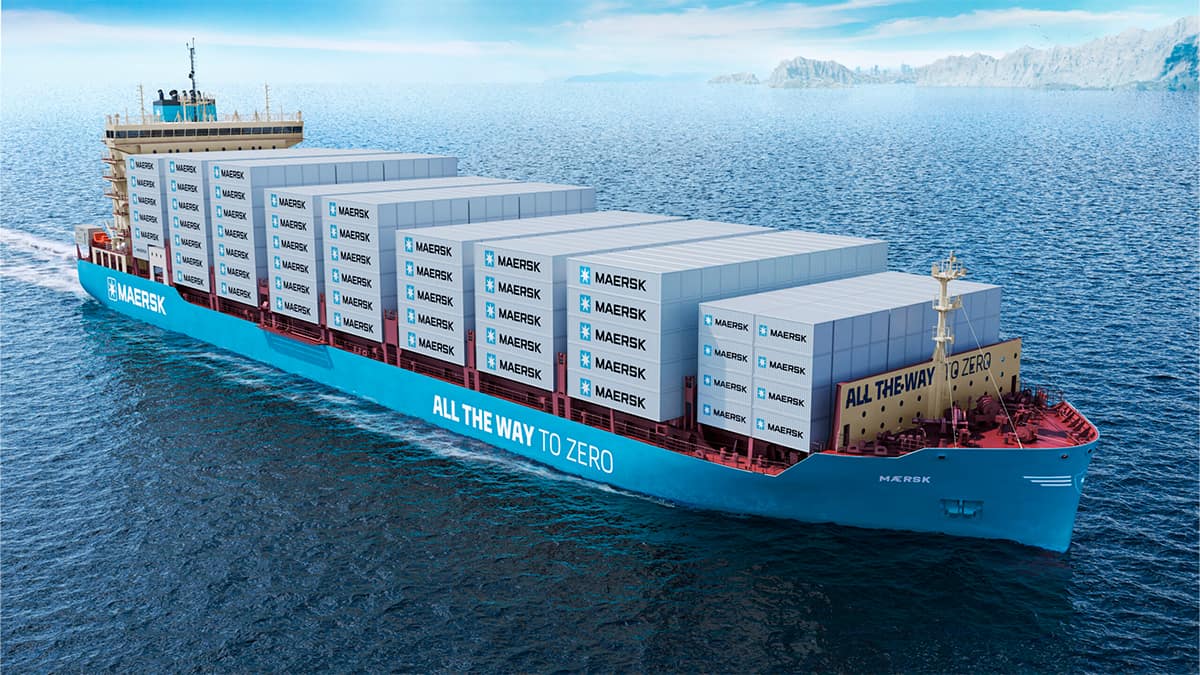
More Than 200 Ships Have Been Powered By The Use Of Methanol As The Main Fuel. This Product Has Gained Increasing Attention In The International Maritime Transport Market.
Even with the stability in the use of natural gas on ships worldwide, methanol positions itself this Tuesday, (08/08), as a strong competitor in the race for alternative fuels. According to the Alternative Fuel Insights (AFI) database from DNV, 48 ships powered by the fuel were added in July in the maritime transport market. Thus, more than 200 ships have already benefited from the use of the product in their operations.
DNV Points To New Directions For The Maritime Transport Market With Methanol
The month of July stood out in the maritime transport market with a remarkable milestone, as 48 ships, including retrofits, adopted methanol as fuel, according to AFI data.
This increased the total count of methanol-powered ships to beyond the mark of 200 vessels.
-
American Airlines starts selling trips as if they were flights, with check-in and baggage check at the airport, but on short routes, passengers board luxury buses connecting cities to major hubs in the U.S.

-
São Paulo surprises the world with a colossal railway network project that promises over 1,000 km of tracks, R$ 194 billion in investments, and 40 projects connecting the capital to the interior with fast and sustainable trains.
-
The world’s largest escalator, measuring 905 meters in China, reduces urban travel time from 1 hour to about 20 minutes and transforms mobility in mountainous regions with an engineering solution adapted to the terrain.

-
A R$ 300 million logistics giant is taking shape in Serra with over 100,000 m² and raises a question: how can this transform e-commerce and distribution in the state?

This remarkable progress not only solidifies methanol’s role in the sector but also demonstrates a growing shift towards cleaner and more sustainable fuel alternatives.
Currently, methanol has emerged as the star of the show in the field of alternative fuels, especially in container shipping.
Evergreen, for example, leads with 24 new builds powered by methanol, while Hapag-Lloyd AG follows the trend with notable retrofits.
The maritime transport sector is demonstrating remarkable agility in adopting this more environmentally friendly fuel solution.
Additionally, in early July, MAN Energy Solutions established a partnership with Seaspan Corporation and Hapag-Lloyd to convert oil-fueled vessels into ME-LGIM dual-fuel engine systems capable of operating with green methanol.
This innovative agreement highlights the potential for significant CO2 emissions reduction, with each conversion projected to contribute to a reduction of up to 70,000 tons per year.
Thus, the advantages of using methanol as an alternative fuel in maritime transport operations become increasingly evident in the global market.
See: Methanol-Powered Ship Starts Its Route Through Brazil

Methanol Use In Maritime Transport Reaches New Market Sectors
In the current scenario, the rise of methanol as a maritime fuel is becoming increasingly relevant across various segments of transportation.
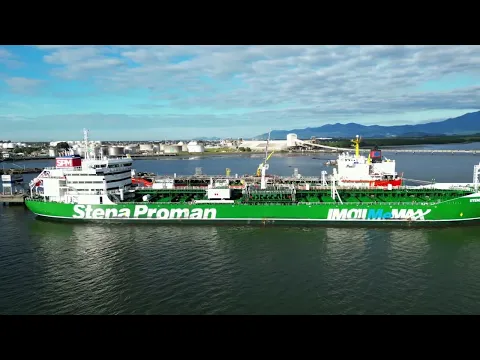
While the tanker ship sector already has rich experience in utilizing methanol as fuel, the container transport industry is taking its first steps in this area.
Recently, Maersk conducted the first delivery and refueling of a methanol-powered feeder ship, marking a crucial moment in learning about the handling and refueling procedures for methanol-powered container vessels.
The accumulated experience in the tanker industry is also providing valuable insights in the market.
Over the years, 23 dual-fuel tanker ships with methanol are in operation, providing a solid knowledge base that can be applied to the evolution of container transport.
In 2015, a pioneering milestone emerged in the maritime world with the transformation of the Stena Germanica ferry. Located at the Remontowa Shipyard in Poland, this vessel became the first to operate using methanol as fuel.
Now, this is an increasingly accepted alternative for shipping companies throughout the market.
The steady growth in the use of methanol as maritime fuel represents a landmark in the quest for cleaner and more sustainable alternatives in transport.
Thus, the increasing count of methanol-powered ships, strategic retrofits, and knowledge transfer from adjacent sectors indicate a promising direction for the future of maritime transport.










Seja o primeiro a reagir!