





 Portuguese
  English
  Spanish
  3 min of reading


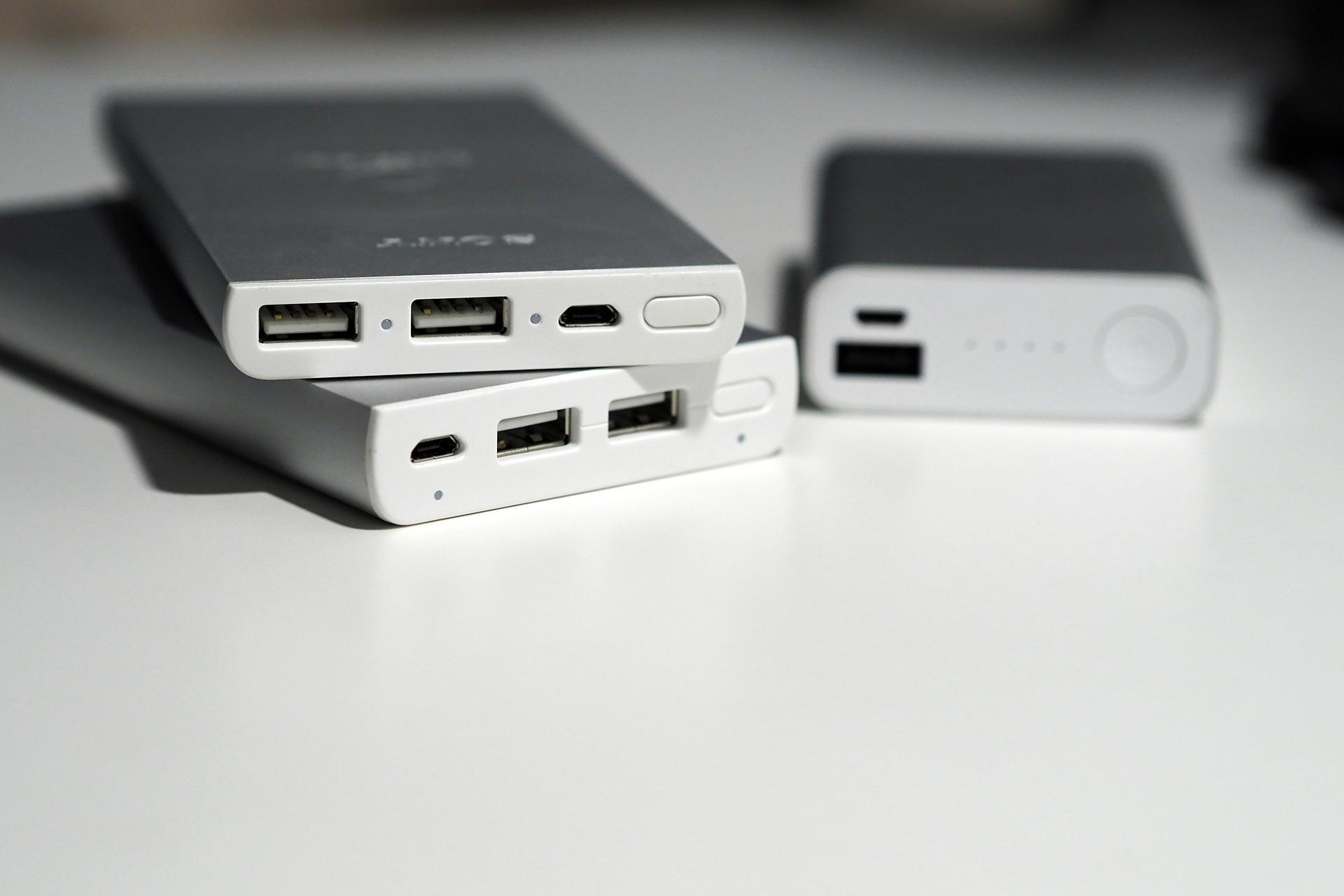
An Approved Project By The Government Of Jair Bolsonaro Will Allow Brazil To Export Lithium Abroad, Unlocking A Large Investment Chain In Lithium Batteries That Are Expected To Be Worth Over US$ 120 Billion By The End Of The Year 2030.
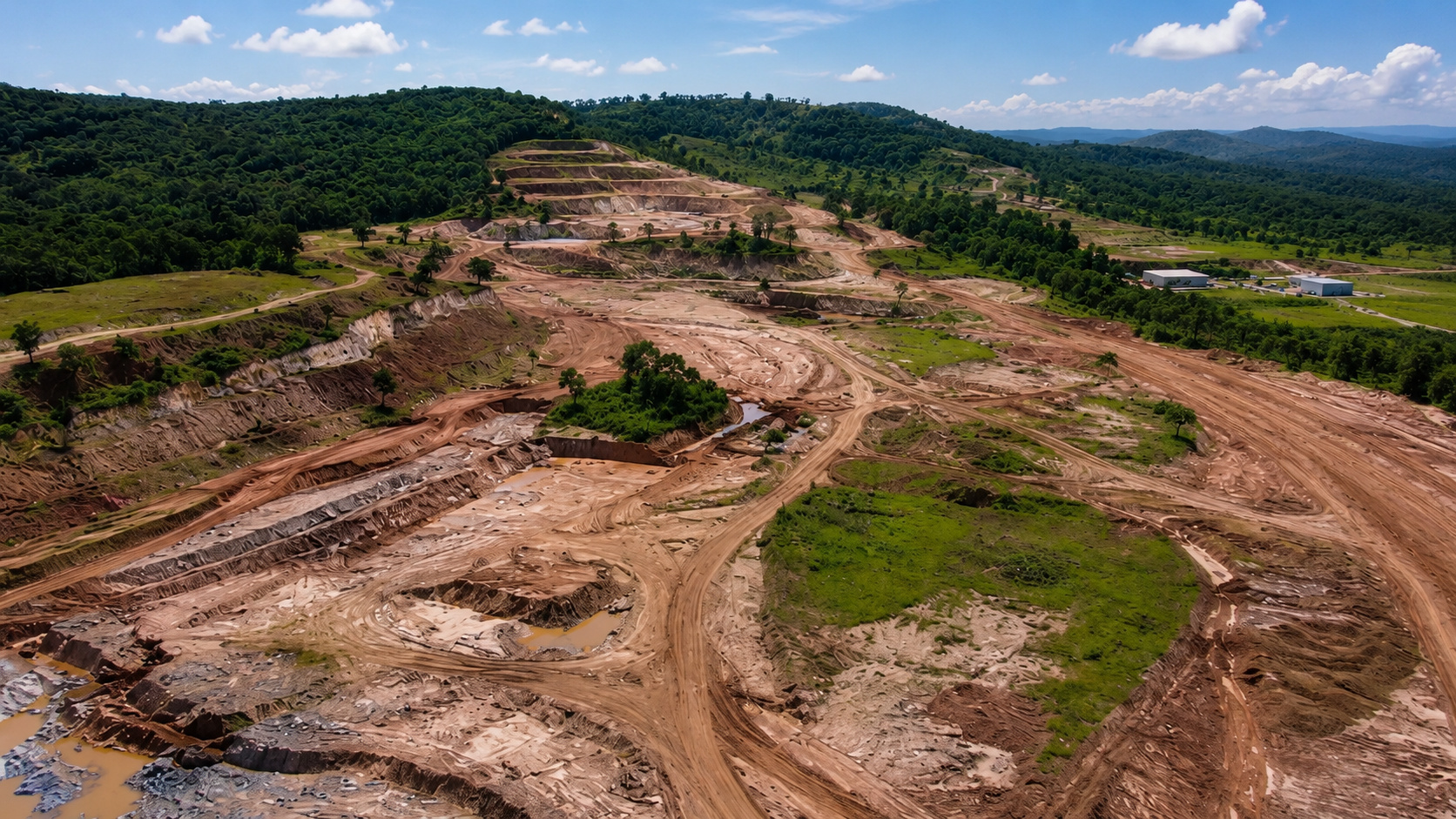
The approval of the project occurred at the beginning of July and provided that Sigma Lithium would have the potential to generate over seven thousand job opportunities alongside attracting R$ 15 billion in mining investments to the state of Minas Gerais (MG). For now, it is estimated that Brazil has received R$ 2 billion in investments, but this is expected to increase following Elon Musk’s expressions of interest in mining. Elon Musk has already had to lay off more than 10% of his staff because Tesla was facing an internal crisis due to the low supply of materials for the production of electric cars and lithium batteries.
Currently, the lithium metal has increased by more than 375%. With this in mind, the calculations of variations have already surpassed both brent oil and coal and natural gas. One of the aspects, besides the stagnation caused by the pandemic, that led to spiked prices, was in relation to the war between Russia and Ukraine, which caused commodity prices to become inflated and skyrocketed.
Vision Research Reports Shows That Planning Should Remain Dependent On Lithium
Lithium is a metal that allows batteries to have a charging efficiency of over 98%. Furthermore, batteries that contain it in their composition can achieve over seven thousand charging cycles, meaning they last significantly longer than competing materials. With this in mind, a report shared by Vision Research Reports indicates that the battery market is set to increase by more than 15% by the year 2030 and will be worth at least US$ 120 billion.
-
Bangladesh tested a house that seems to have hidden buoys, stays firm on the ground on dry days, and floats during floods without turning into a houseboat.

-
While regular houses face the hurricane head-on, a company in the United States sells round houses that deflect wind pressure, withstand 130 mph, and reach 190 mph with reinforcements.
-
The material that still causes surprise in Brazil has become walls in the USA, accelerated houses in Minnesota, and reduced heating costs by 70%.
-
Rare earths, million-dollar compensation, and a farm in Goiás: understand the case in which a rural producer accuses Serra Verde of occupying his property while the legal dispute drags on for years



Nowadays, there are sustainable alternatives being researched by scientists to try to reduce dependence on the metal. However, they are not as efficient and, at a large scale, may be more expensive than ideal for the industry. For instance, there is even research on the possibility of creating sand batteries, according to Finnish researchers. With them, it would be possible to store energy for a significantly longer period.
Another interesting study being conducted discusses the possibility of creating wood-based batteries. In summary, the process would involve extracting an organic chemical compound found in tree bark to create a battery capable of storing energy for a certain period.
Currently, the lithium battery market is suffering from a shortage of professionals in mining, leading to decreased productivity and thus rising prices due to high demand from industries, especially relating to the electric vehicle sector. It is estimated that during the pandemic year, productivity was 11% below what was necessary.
The Covid-19 crisis in China reduced production in the mining sector, as numerous cities that accounted for at least 20% of GDP, Gross Domestic Product, implemented social isolation this year as a way to control the virus.




Be the first to react!