





 Portuguese
  English
  Spanish
 3 min of reading
  0 comments


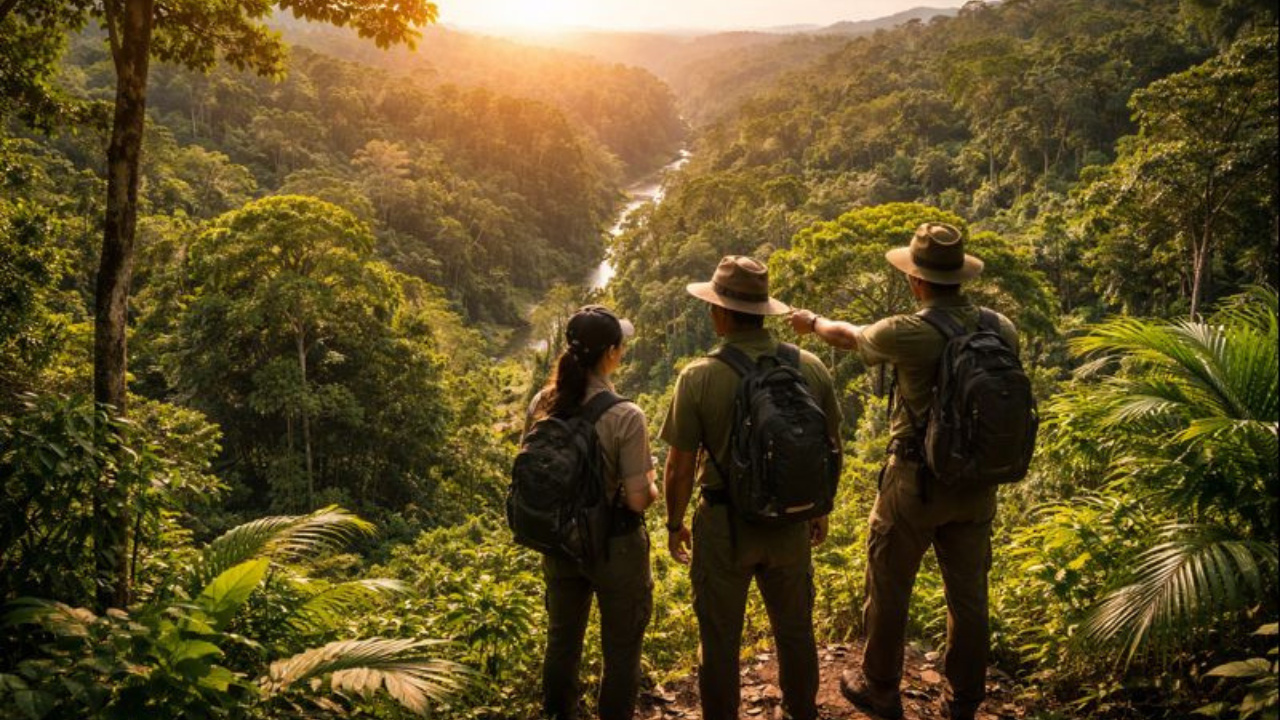
Initiative Shows How Carbon Credits Strengthen Environmental Preservation and Sustainable Economy in Brazil.
The Amazon rainforest has become the center of an innovative project that combines environmental preservation, technology, and a sustainable economy.
Brazilian entrepreneurs recently acquired 3,000 hectares of native forest in the Amazon with the aim of generating carbon credits, turning conservation into an economic asset, and earning about R$ 7.5 million per year.
The initiative comes amidst advancing deforestation and bets on the carbon market as a viable alternative to keep the forest standing while also creating financial value.
-
With a water crisis on the radar, Sabesp invests in reclaimed water for data centers and transforms sewage treatment into a solution that saves millions of liters and protects public supply.

-
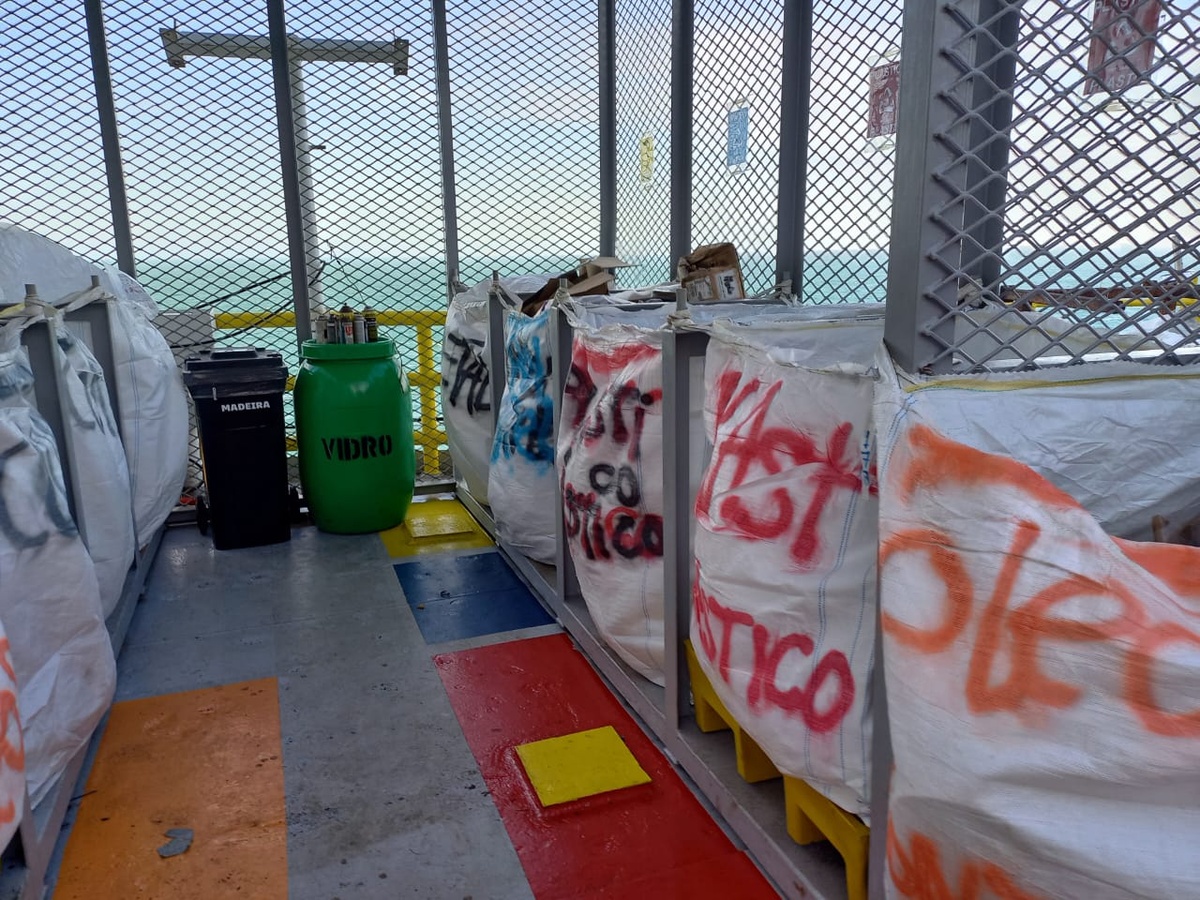
Foresea achieves 100% offshore waste reuse in 2025, eliminates landfill disposal, and consolidates sustainable strategy with 1,500 tons recycled.
-
With earth, bamboo, straw, and lime mortar, a specialist builds a house for just over $460 and draws attention for its cost being much lower than traditional construction.
-
Rodrigo de Freitas Lagoon advances in environmental recovery with sanitation, elimination of irregular sewage, and the resumption of water sports in Rio de Janeiro.

The company Amazon Tree, founded by entrepreneurs Fabio Ongaro, Rosário Zaccaria, and Jhonathan Santos, structured the venture.
The project is located in the Amazon region and uses environmental measurement technology combined with financial governance mechanisms.
The goal is clear: to prove that the preserved Amazon rainforest can generate more economic return than predatory exploitation.
How the Project Works in the Carbon Market
The monetization of the preserved area occurs through the voluntary carbon credit market.
In this model, the conserved forest is monitored to verify the reduction or capture of greenhouse gas emissions.
This data is converted into credits that can be purchased by companies interested in offsetting their emissions.
The initial investment of the project is estimated at around R$ 5 million.
In contrast, the projected annual revenue reaches US$ 1.5 million, equivalent to approximately R$ 7.5 million.
In this way, the carbon market emerges as an economic instrument capable of aligning environmental and financial interests.
Furthermore, the use of technology ensures greater transparency and reliability in the process, a factor considered essential to attract investors and buyers of environmental credits.
Environmental Preservation as an Economic Strategy
Differently from philanthropic initiatives, the project adopted a business logic from its conception.
According to the idealizers, the proposal is not to speculate on environmental assets but to test a sustainable and scalable business model.
“We are not building a philanthropic project, nor a speculative fund.
We are testing whether it is possible to make the forest worth more standing than cut down, and all indications are that it is,” stated Ongaro in a statement to Forbes magazine.
This approach reinforces the concept of sustainable economy, where environmental preservation ceases to represent an obstacle to development and integrates the strategy of wealth generation.
Expansion and New Investors on the Radar
The group is already evaluating an expansion of the preserved area.
The project aims to double the size of the protected forest in the coming years and increase the volume of carbon credits.
At the same time, there is the possibility of opening the technological platform to other investors interested in monetizing environmental services from their own areas.
If this expansion materializes, the project could serve as a reference for new initiatives linked to the carbon market in Brazil, a country that holds most of the Amazon rainforest.
Amazon Faces Advancing Deforestation
While environmental preservation projects gain ground, deforestation numbers remain concerning.
According to data from MapBiomas, Brazil lost around 52 million hectares of native vegetation between 1985 and 2024.
The Amazon, considered the largest tropical rainforest in the world, has approximately 700 million hectares distributed across nine countries in South America.
Of that total, 60% is in Brazilian territory, which corresponds to about 421 million hectares, nearly half of the national territory.
In light of this scenario, initiatives based on sustainable economy become strategic to contain environmental degradation while simultaneously creating viable economic alternatives.
Carbon Market Gains Prominence in Brazil
The advancement of projects like that of Amazon Tree signals a change in mindset regarding the use of the Amazon rainforest.
The carbon market is no longer just an environmental mechanism and consolidates itself as a concrete tool for economic development.
By integrating technology, governance, and environmental preservation, the model reinforces Brazil’s potential as a global leader in generating carbon credits.
Thus, keeping the forest standing ceases to be merely an environmental banner and becomes a real opportunity for long-term sustainable business.









-

Uma pessoa reagiu a isso.