





 Portuguese
  English
  Spanish
  3 min of reading
  0 comments


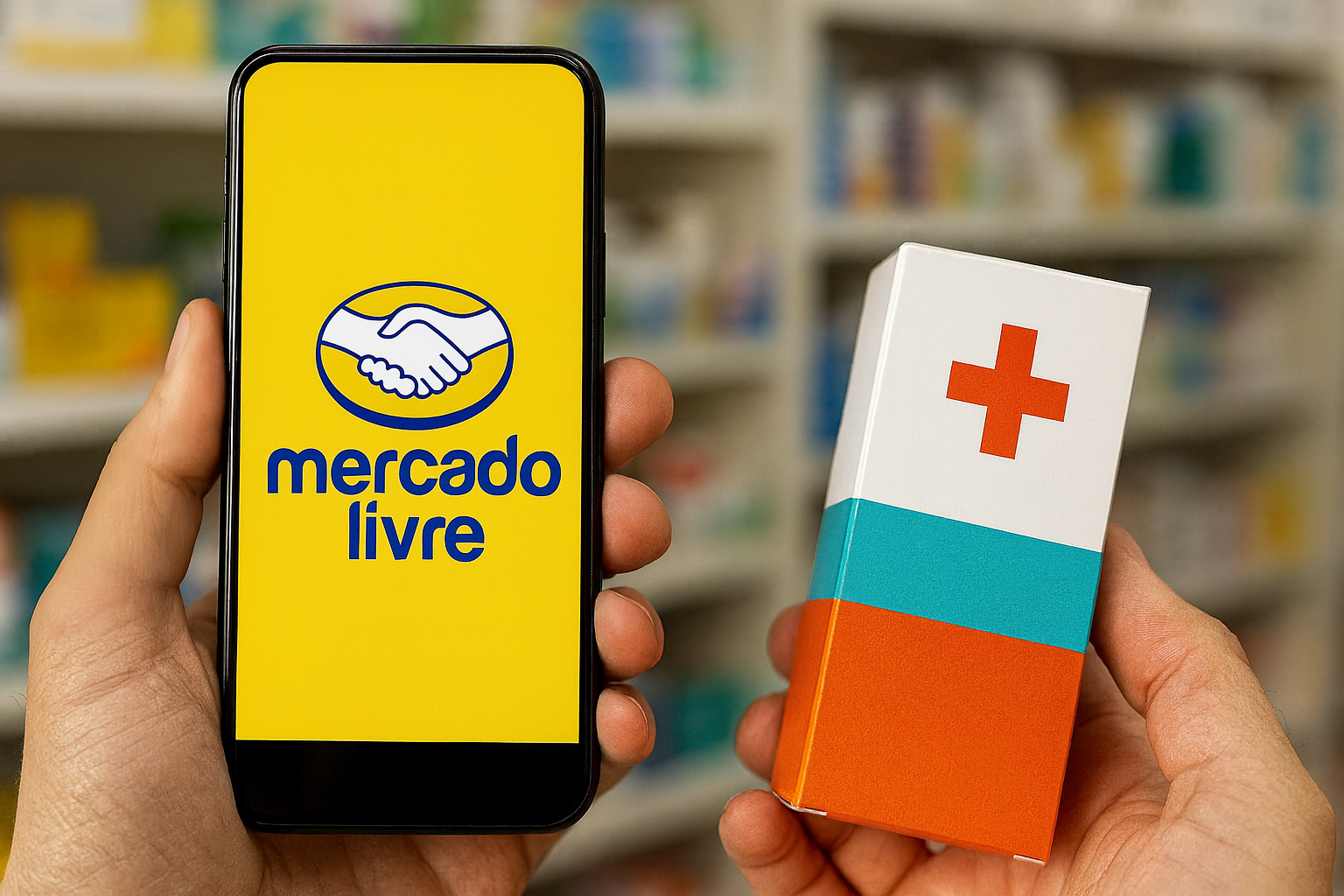
The Movement Of The E-Commerce Giant Signals That The Sale Of Medications May Become As Easy As Buying Clothes Or Electronics Online
Mercado Livre, known for dominating e-commerce in Latin America, is moving into a new sector: pharmacies. The news was revealed by the column Capital in the newspaper O Globo, and confirmed by InvestNews.
In a statement, the company made its move clear:
“Mercado Livre confirms the possible acquisition of a company that sells medications. At the appropriate time, Mercado Livre will share more information about it.”
This initiative opens up space for Brazilian consumers to access medications as easily as they already do with clothes, electronics, or food. The strategy sparks curiosity and also resistance.
-
The village where two rivers run side by side without mixing in Santarém and Alter do Chão reveals some of the most beautiful freshwater beaches on the planet.

-
Brazil’s nuclear submarine with a speed 5 times greater than normal advances after nearly 50 years and R$ 40 billion spent.

-
A Brazilian island charges R$ 0.50 to receive visitors and prohibits any new residents.

-
Why was the Great Wall of China built? The truth that many are unaware of!


Who Is Behind The Operation
According to information, the negotiation is being conducted by K2I Intermediação, a subsidiary of Mercado Livre linked to Kangu, a Brazilian logistics company acquired in 2021. The target is Target, the trade name of Cuidamos Farma Ltda., located in the Jabaquara neighborhood, South Zone of São Paulo.
On the other side of the table is Memed, a health tech startup that confirmed the sale. In a statement, the company said:
“It maintains its activities focused on the digitalization of health in the country, being used monthly by more than 130,000 doctors for prescriptions.”
Memed is controlled by DNA Capital, a manager that has among its main investors the Godoy Bueno family, founders of Amil and controllers of the Dasa laboratory network.
The deal has already been submitted to Cade (Administrative Council for Economic Defense). This means that the purchase is now undergoing a competition analysis, assessing whether the entry of an e-commerce giant into a pharmacy could disrupt the balance of the sector.
Market For Over-The-Counter Medications On The Rise
Mercado Livre’s interest has a clear target: over-the-counter medications, known by the acronym OTC. This category includes pain relievers, cold medications, and muscle relaxants, products that are part of the daily routine of millions of Brazilians.
According to data from consulting firm IQVIA, OTC medication sales grew by 12% in 2024 in Brazil. The sector has become even more competitive as supermarkets also try to occupy this space, generating direct competition with traditional pharmacies.
Today, those searching for medications on the Mercado Livre website or app only find options for veterinary use. If the pharmacy purchase goes through, the scenario could change, opening up space for a new branch of e-commerce that promises convenience, speed, and more competitive prices.
Challenges: Regulation And Resistance
Despite the potential, the path is not free of barriers. Anvisa (National Health Surveillance Agency) has strict rules for the online sale of medications, even for those without prescriptions. Furthermore, the major pharmacy chains in the country are unlikely to stand idly by while the platform moves in.
The sector’s concerns are not only with competition but also with consumer safety. Issues such as storage, expiration dates, and logistics must align with technical standards, so that medications arrive with the same reliability as in a physical pharmacy.
On the other hand, for millions of consumers, Mercado Livre’s entry into this segment could mean more convenience and quick access to essential health products, in a model similar to what already happens in countries where large digital platforms sell OTC medications.
What Changes For The Brazilian Consumer
If the operation is approved, Mercado Livre could profoundly change the shopping routine of Brazilians. Three points deserve highlighting:
- Convenience: the possibility of adding medications to the same shopping cart that already includes electronics, clothing, and food.
- Agility: fast deliveries through the robust logistics system that Mercado Livre has consolidated in the country.
- Price: increased competition could generate greater competitiveness and reduce prices in some categories.
This is a step that could change the consumption dynamics, but it also raises questions: Is Brazil ready for the digitalization of medication purchases?






Seja o primeiro a reagir!