





 Portuguese
  English
  Spanish
  5 min of reading
  0 comments


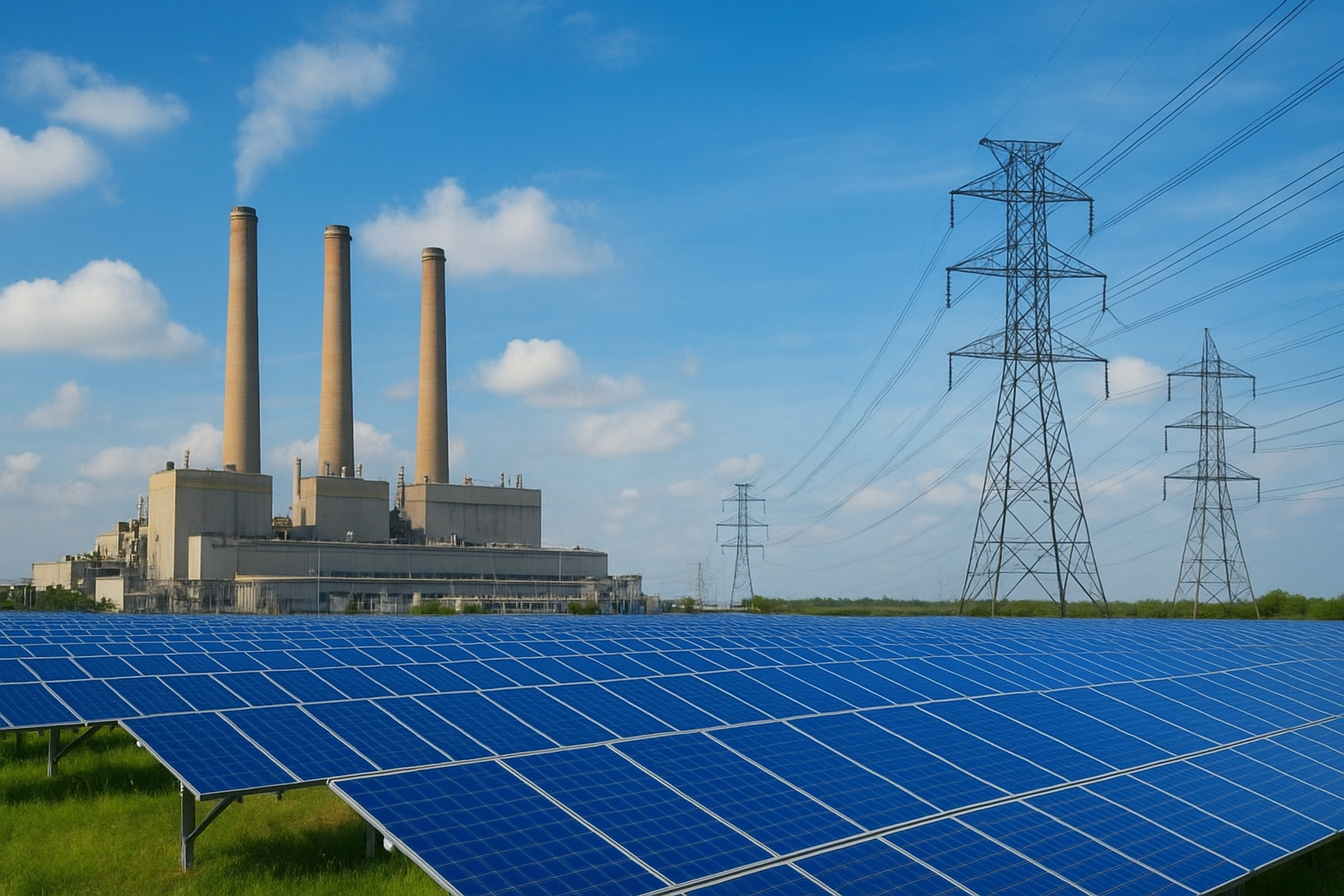
Meta, Owner of Facebook and Instagram, Is Negotiating the Purchase of Energy to Sustain the Huge Consumption of Its Data Centers Focused on Artificial Intelligence (AI).
According to Folha de S.Paulo, the company wants to ensure flexibility and reliability, pressuring the utility to build at least three new natural gas power plants in Louisiana to supply its data center.
This move highlights a growing tension in the energy sector: despite the climate urgency to transition to clean sources, Meta is betting on fossil fuel plants to ensure stable supply. The decision raises questions about how much of the energy transition can truly be balanced with the aggressive demand for high-performance computing.
The History of Energy Demand and the Evolution of Data Centers
Historically, energy consumption has grown alongside industrial and technological evolution. However, the explosion of data centers—especially for AI—has introduced a new era of intensive and continuous consumption. The International Energy Agency (IEA) report highlights that global electricity demand could triple by 2030, partly due to the expansion of AI processing centers. UOL Economy
-
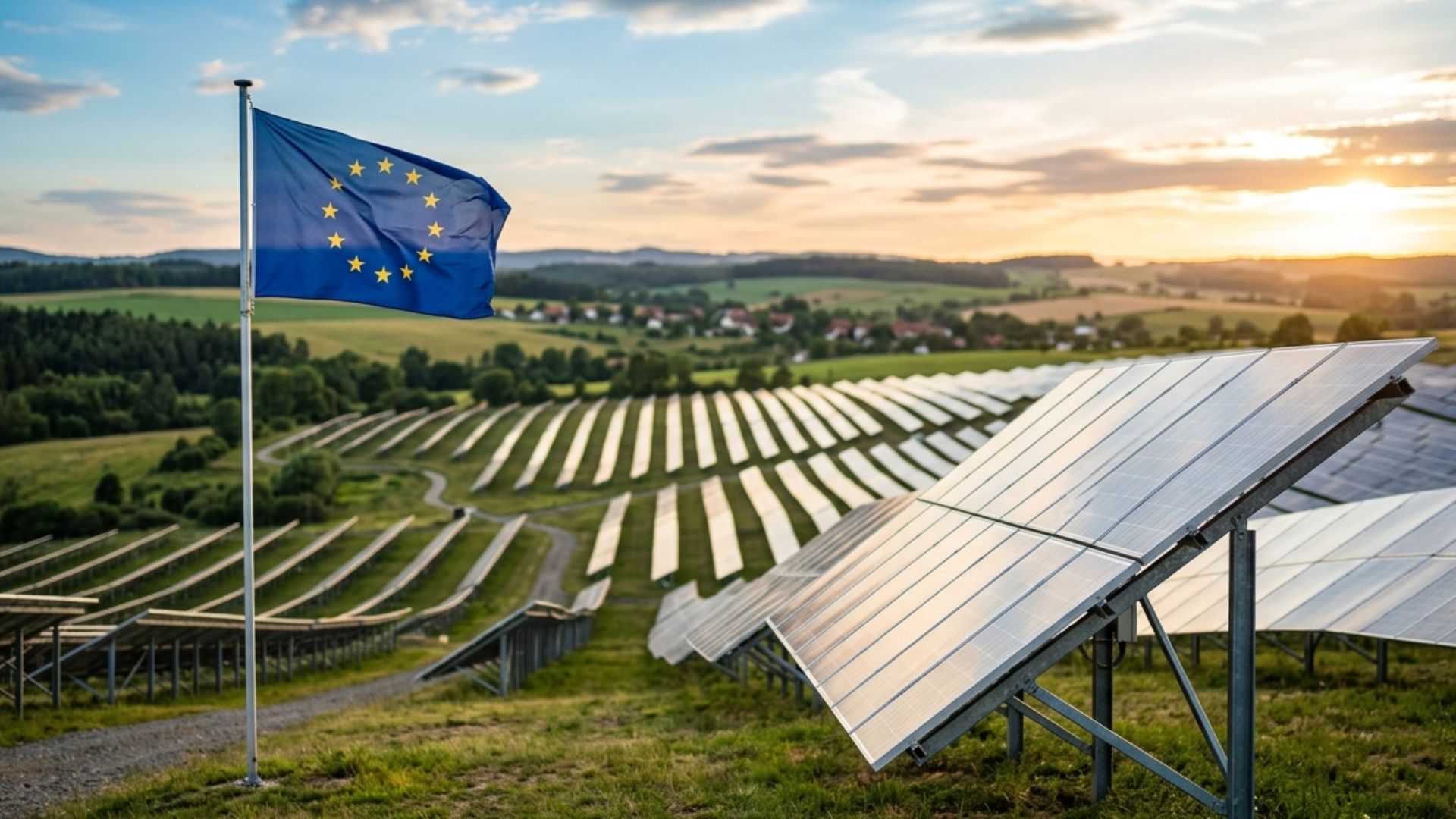
Europe records strong euro economy with solar energy in March and sparks curiosity about which country leads growth that redefines the energy market and reduces costs.
-
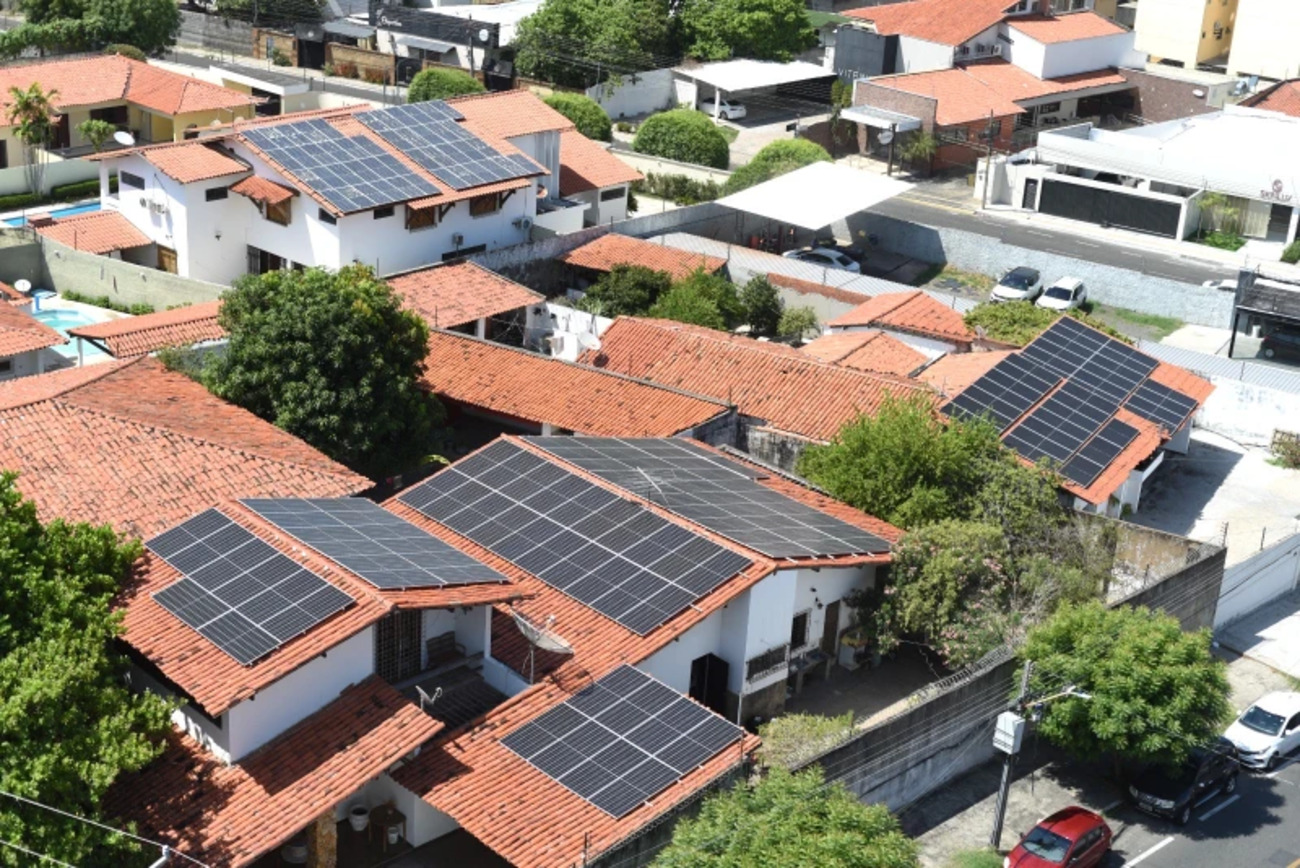
Piauí reaches a historic milestone in energy transition: State records nearly 160,000 households powered by solar energy and leads growth in the Northeast.
-
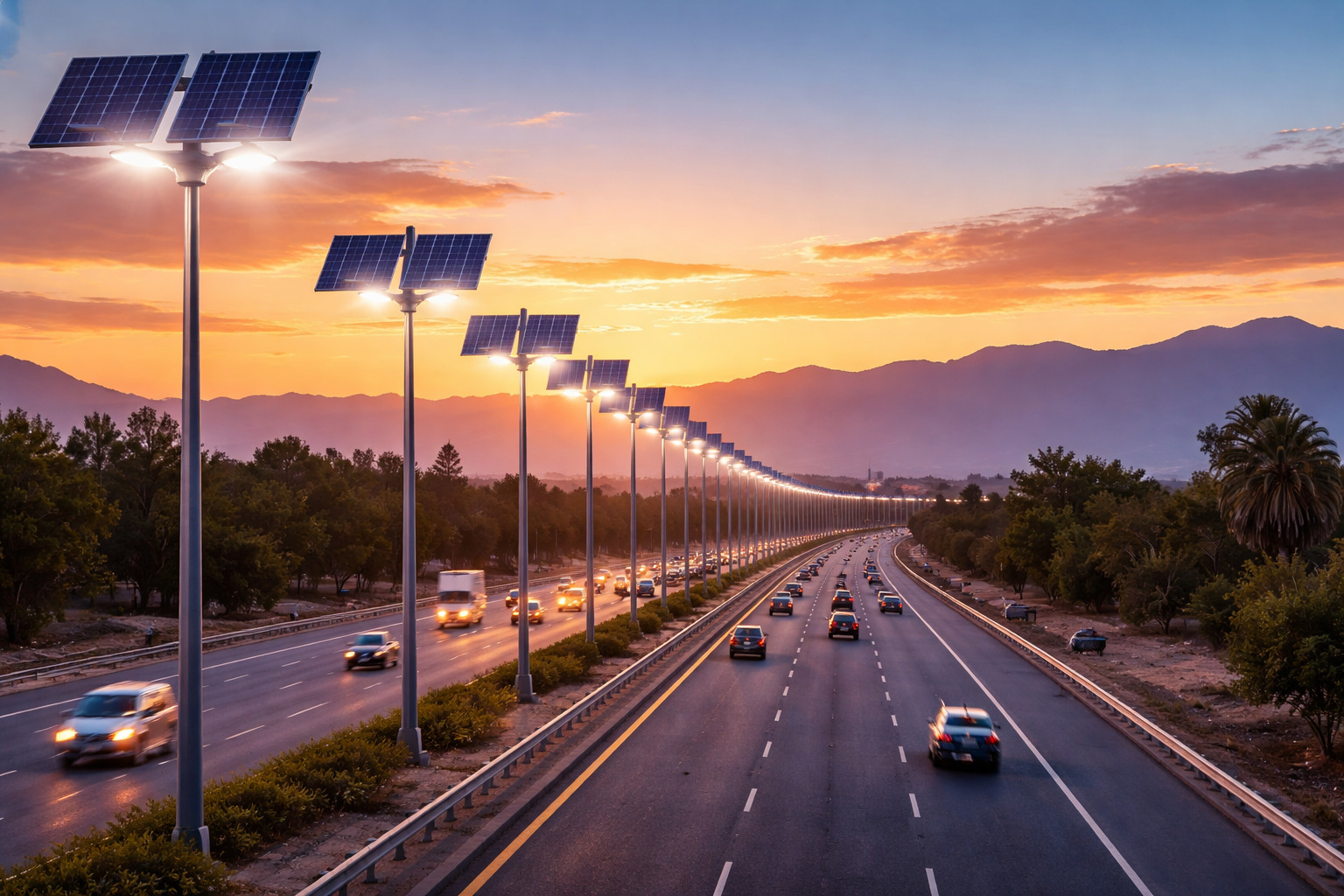
Argentina debuts its first 100% solar-powered highway and transforms an entire road into a showcase of clean energy.
-
Minas Gerais reaches a historic record and surpasses the power of Itaipu, but network costs generate debate: Understand why solar energy in MG impacts the electricity bill of those without panels.

Meanwhile, heatwaves and the increasing use of electric vehicles have also driven energy demand, according to an IEA report cited by UOL. These combined factors elevate pressure on existing infrastructure and demand new sources of generation.
Meta, for its part, had already planned for this escalation: in 2024, the company stated that its investments in AI could reach US$ 65 billion, some of which would go towards building new data centers. Now, to enable this infrastructure, energy has become a strategic issue.
Why Meta Is Turning Back to Gas
According to the report from Folha, Meta requires that Entergy, the local utility in Louisiana, builds at least three gas plants to ensure energy supply for its AI data center. This request is not only to cover consumption peaks but also to have a stable foundation, as more volatile sources cannot always keep up with the load.
Additionally, as reported by Bloomberg Línea, Meta has also reached an agreement with Constellation Energy to purchase nuclear energy long-term, showing that it seeks a diversified mix to meet its demand. This dual strategy—short-term gas and future nuclear—reflects the complexity of maintaining 24/7 operations for AI.
On the other hand, much of the market sees this gas bet as a setback, especially for a company with climate commitments. However, Meta argues it needs immediate energy security to sustain its operations.
Environmental and Political Impacts
By relying on fossil fuel plants, Meta reinforces a dilemma: how to reconcile technological growth and environmental sustainability. Building gas plants implies CO₂ emissions, which can conflict with climate goals and public pressure for carbon neutrality.
There is also a regulatory impact. Entergy received approval to build these plants specifically to meet Meta’s demand, according to earlier reports. This type of energy expansion involves permits, regulatory debates, and legal risks, particularly related to environmental and pollution issues.
Furthermore, environmental organizations have already expressed concern: using natural gas to supply AI may seem pragmatic, but it could undermine long-term decarbonization ambitions. This debate places Meta at the center of discussions about corporate responsibility and green infrastructure.
The Importance of Energy for AI and the Future of Data Centers
AI consumes a huge amount of energy. As more complex models require more processing, data centers need not only energy but reliable energy. Without a stable source, an interruption can compromise critical operations.
It is also worth noting that data centers are expected to grow significantly in the coming decades. According to ESG analysts, energy demand associated with AI has already become one of the major investment trends in 2025. UOL Economy This means that large technology companies need to plan their consumption not only for now but for a sustainable future.
That’s why Meta bets on gas in the short term but opens the door for other sources in the medium and long term. If its nuclear bet materializes, it could significantly reduce the carbon intensity of its energy portfolio.
Challenges for the Energy Transition
However, this hybrid model is not without challenges. For Meta to truly make progress in decarbonization, a firm commitment to clean sources will be necessary as its nuclear plant comes online.
Additionally, there are regulatory hurdles: building gas plants requires local approval, and concurrently investing in nuclear demands permits, time, and huge capital. Meta will need to address these issues if it wants to keep its green promise.
Another challenge lies in the power grid itself: increasing generation via gas without reinforcing transmission or modernizing the grid can create bottlenecks. Therefore, the company and the utility will need to plan infrastructure upgrades to ensure electricity is delivered reliably.
There is also reputational risk. If the community views these plants as an ecological setback, Meta may face public pressure. Hence, transparency will be crucial: explaining how AI consumption aligns with its climate commitments is essential to legitimize its strategy.
Historical Lessons and the Need for Structural Planning
Historically, energy has always been a driver of technological evolution. From the Industrial Revolution to the computer era, each technological leap required new ways to generate energy. However, this time, the scale is unprecedented: AI represents a constant, massive, and growing demand.
This requires not only technology but also aligned policies and regulations. In the past, the use of fossil fuels was practically automatic for any major industrial leap. Today, the challenge is to balance sustainability, cost, and energy scalability—and companies like Meta are at the center of this dilemma.
If we learn from history, we will see that piecemeal solutions are often not enough. The energy transition for AI demands structural planning, long-term investments, and a commitment to technological and environmental innovation.
Possible Paths to a More Sustainable Future
For Meta and other tech giants to promote a legitimate energy transition, some paths become clear:
First, strongly invest in clean sources in the medium and long term. The nuclear energy negotiated with Constellation is an example of this; if built, it could provide clean, stable, and continuous gigawatts.
Second, invest in energy storage. Batteries, green hydrogen, and other technologies can allow renewables to take on a larger share of the load, especially during peaks.


Third, engage with regulators and local communities. The construction of power plants should be accompanied by impact studies, environmental compensations, and public dialogue to ensure social legitimization.
Finally, Meta can use its purchasing power to drive renewable projects. Large clean energy contracts stimulate new investments, increase the share of renewables in the mix, and reinforce its climate commitment.







Seja o primeiro a reagir!