





 Portuguese
  English
  Spanish
  3 min of reading
  0 comments


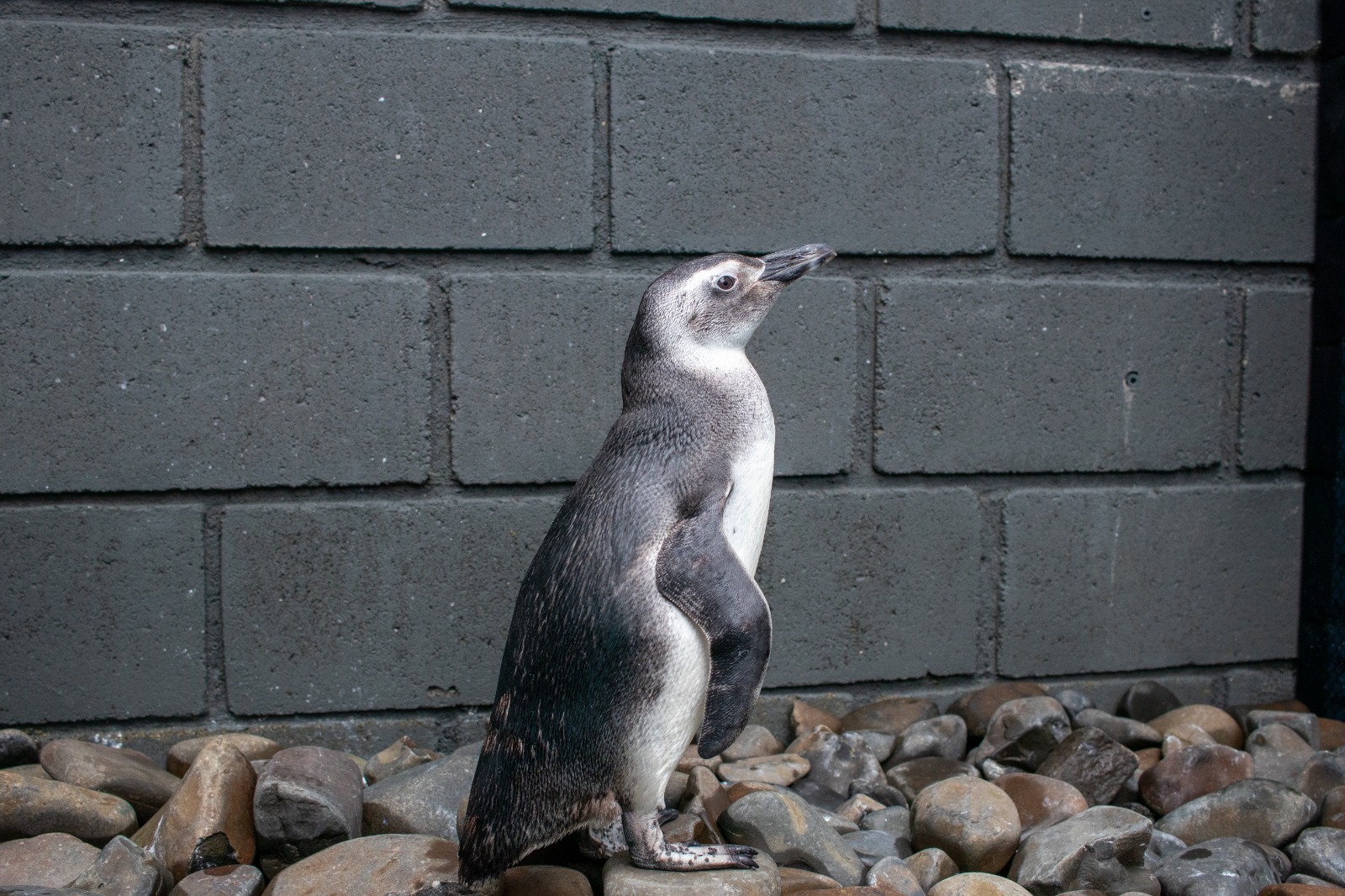
Exhausted Penguins Arrive en Masse on the Brazilian Coast, Facing Severe Difficulties in Finding Food, A Reflection of Climate Change.
A concerning scenario is unfolding on Brazilian shores with the arrival of penguins, revealing the difficulties that these seabirds face in their natural habitats.
Thousands of individuals are traveling long distances in a desperate search for food and milder temperatures, a phenomenon that reflects the impacts of climate change and ocean imbalance.
The presence of these visitors on our Brazilian coast raises an alarm about the environmental crisis affecting marine life.
-
6 sources of free fertilizer that you are throwing away every day and can transform your garden without spending anything.

-
With a water crisis on the radar, Sabesp invests in reclaimed water for data centers and transforms sewage treatment into a solution that saves millions of liters and protects public supply.

-
Foresea achieves 100% offshore waste reuse in 2025, eliminates landfill disposal, and consolidates sustainable strategy with 1,500 tons recycled.

-
With earth, bamboo, straw, and lime mortar, a specialist builds a house for just over $460 and draws attention for its cost being much lower than traditional construction.


Why Are Penguins Facing Difficulties? The Underwater Crisis
The massive presence of penguins on our Brazilian coast is not just a curiosity; it is an alarming symptom of deeper problems in the oceans.
The difficulties faced by these birds are directly related to changes in their natural ecosystem, primarily in Patagonia and the sub-Antarctic islands, their breeding and feeding areas.
One of the main factors is the search for food. Ocean currents and climate changes have impacted the distribution and abundance of krill and small fish, which are the base of the penguins’ diet.
With the scarcity of food in their usual regions, they are forced to extend their migratory journeys, expending more energy and becoming more vulnerable to exhaustion and starvation.
In addition to food, the search for milder temperatures also drives this forced migration. Climate variations, including unusual heatwaves or changes in cold current patterns, can make their original habitats less hospitable, leading them to seek more favorable waters.
The result is a growing number of weakened penguins who, exhausted and malnourished, end up landing on our Brazilian coast, particularly in the southern region.
What Happens When Penguins Reach the Brazilian Coast?
When penguins arrive on the Brazilian coast, they are usually found in a state of extreme weakness.
Many are dehydrated, malnourished, and hypothermic after days and weeks of incessant swimming in their search for food and milder temperatures. Unfortunately, a significant portion does not survive the journey.
Rescue teams, NGOs, and marine rehabilitation centers on the Brazilian coast work tirelessly to care for these animals.
They receive intensive veterinary care, adequate feeding, and hydration. The goal is to rehabilitate them so they can be returned to their natural environment when conditions are favorable. However, the logistics and resources to deal with thousands of penguins are an enormous challenge.
The recurrence and magnitude of this phenomenon serve as a thermometer for the health of the oceans and the impacts of climate change. Each penguin that arrives on our shores is a messenger of a stressed marine ecosystem.
A Warning from Nature: The Human Role in the Difficulties of Penguins
The difficulties faced by penguins are an echo of our own actions.
Climate change, overfishing (which competes for the same food resources), marine pollution (especially plastics and oil), and the degradation of coastal habitats contribute to the scenario that forces these animals into such desperate travels.
The protection of penguins and other marine animals depends on global and local actions. Reducing carbon footprints, supporting sustainable fishing, combating pollution, and protecting marine areas are crucial steps to ensure that these iconic polar inhabitants have a future.
The arrival of penguins on the Brazilian coast is a vivid reminder that the health of the planet is interconnected, and what affects one species far away can have repercussions on our own beaches.










Seja o primeiro a reagir!