





 Portuguese
  English
  Spanish
  5 min of reading
  0 comments


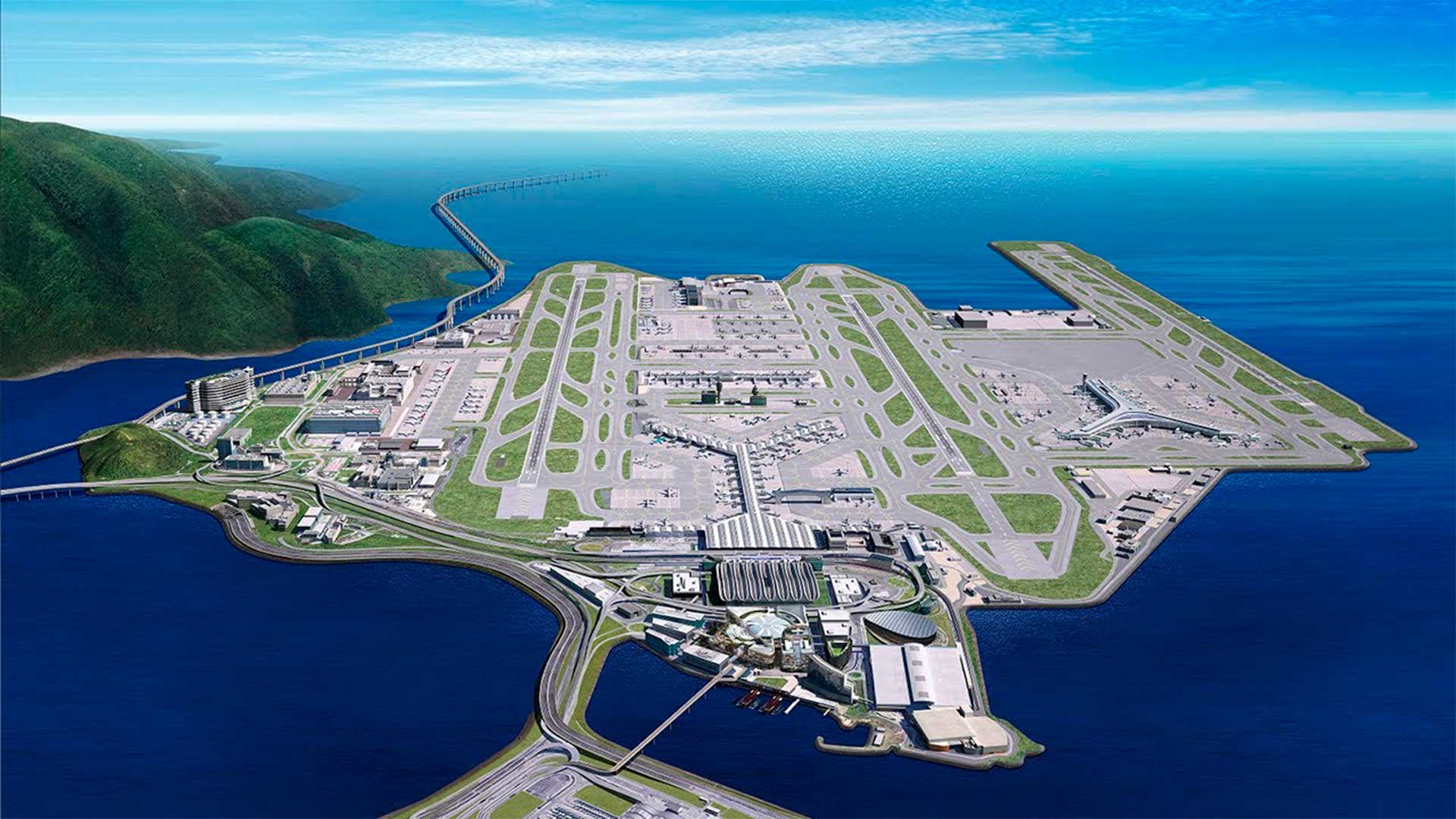
Among Subterranean Works And Giant Landfills, The City Transformed Rock And Soil From Excavations Into Urban Territory, Expanding Coastal Areas Like Airport And Neighborhoods, And Changing The Map
Hong Kong is a place where the lack of space is not a figure of speech. The combination of mountains, density, and contested coastline has pushed infrastructure underground and, at the same time, into the sea.
In this equation, the excavated material became an asset. Instead of treating rock, concrete, and soil as “waste,” the government organizes part of this volume as public fill, a type of inert reusable material for landfills and land formation works.
This is where the subway comes into play. Lines, stations, and tunnels generate large volumes of excavation, and when this material is suitable, it can supply landfill projects that create new urban areas.
-
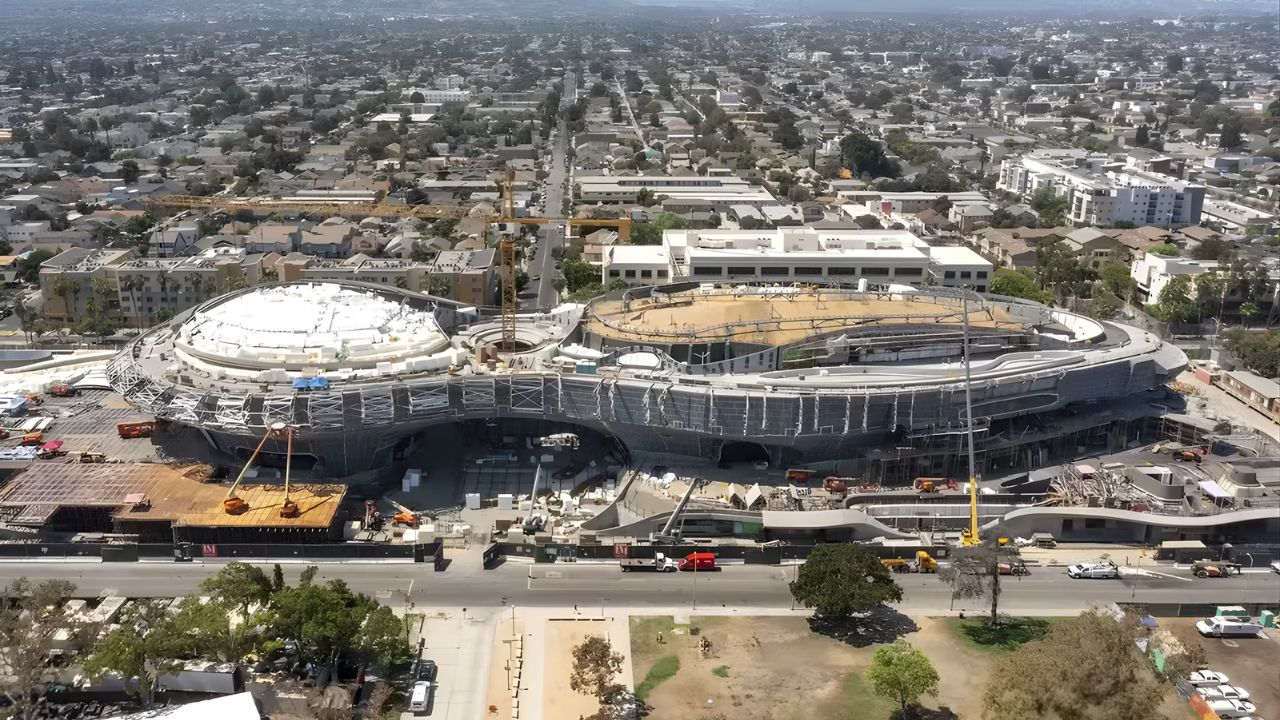
Created by George Lucas with over $1 billion, a futuristic museum in the shape of a spaceship with 1,500 curved panels is about to open in Los Angeles and will house one of the largest private collections of narrative art in the world.
-
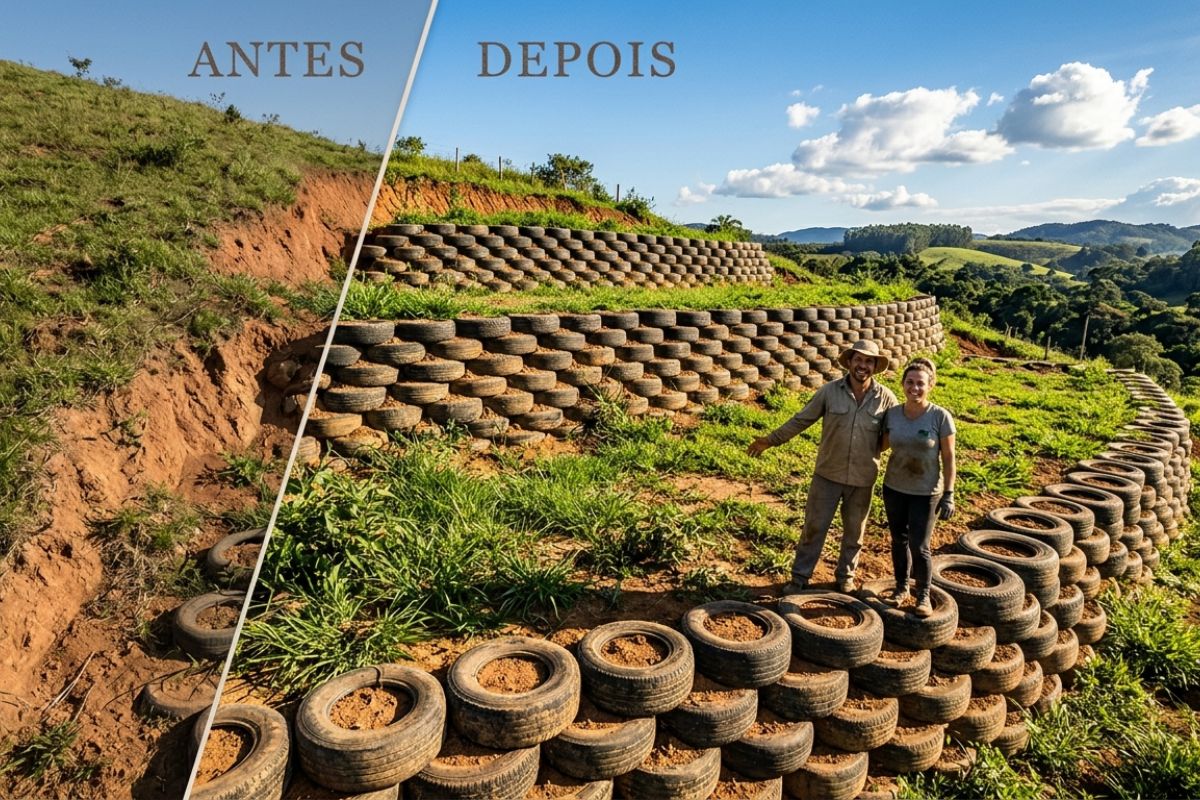
Couple shows how they built a retaining wall on their property using 400 old tires: sloped land turned into plateaus, tires are aligned, filled, and compacted with layers of soil, with grass helping in support and at almost zero cost.
-
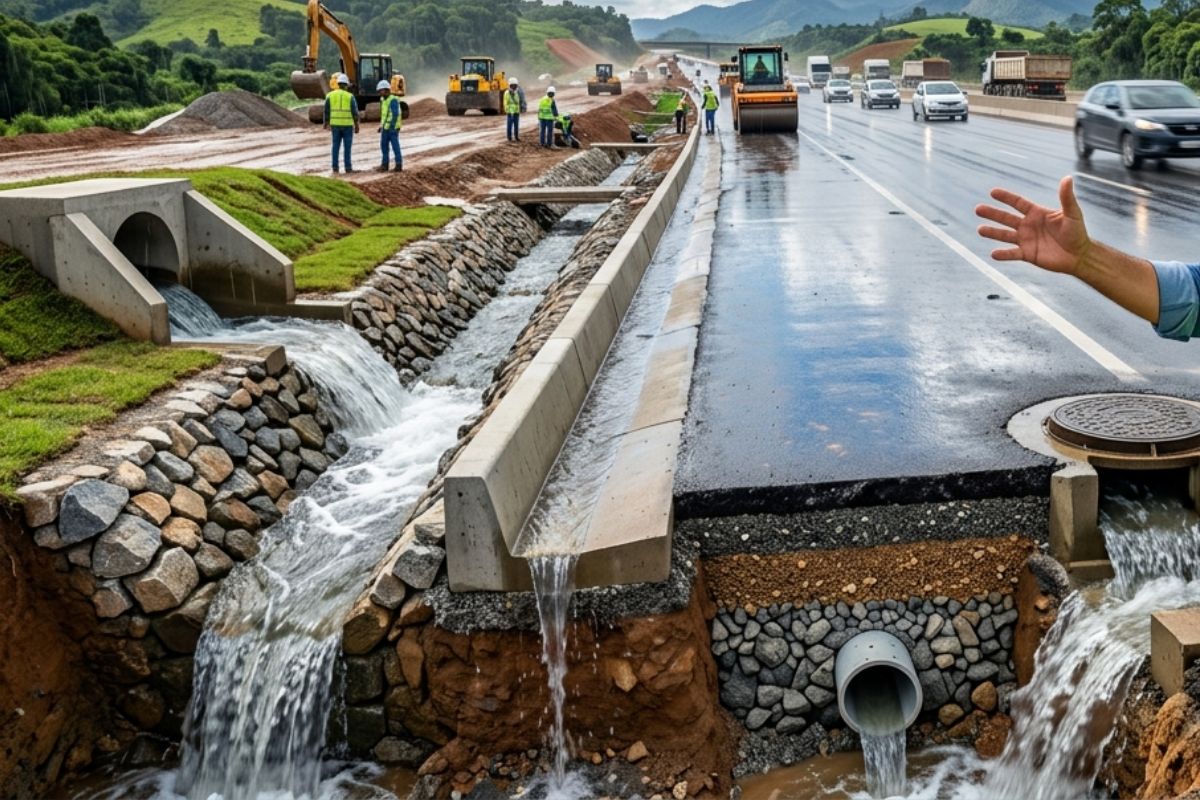
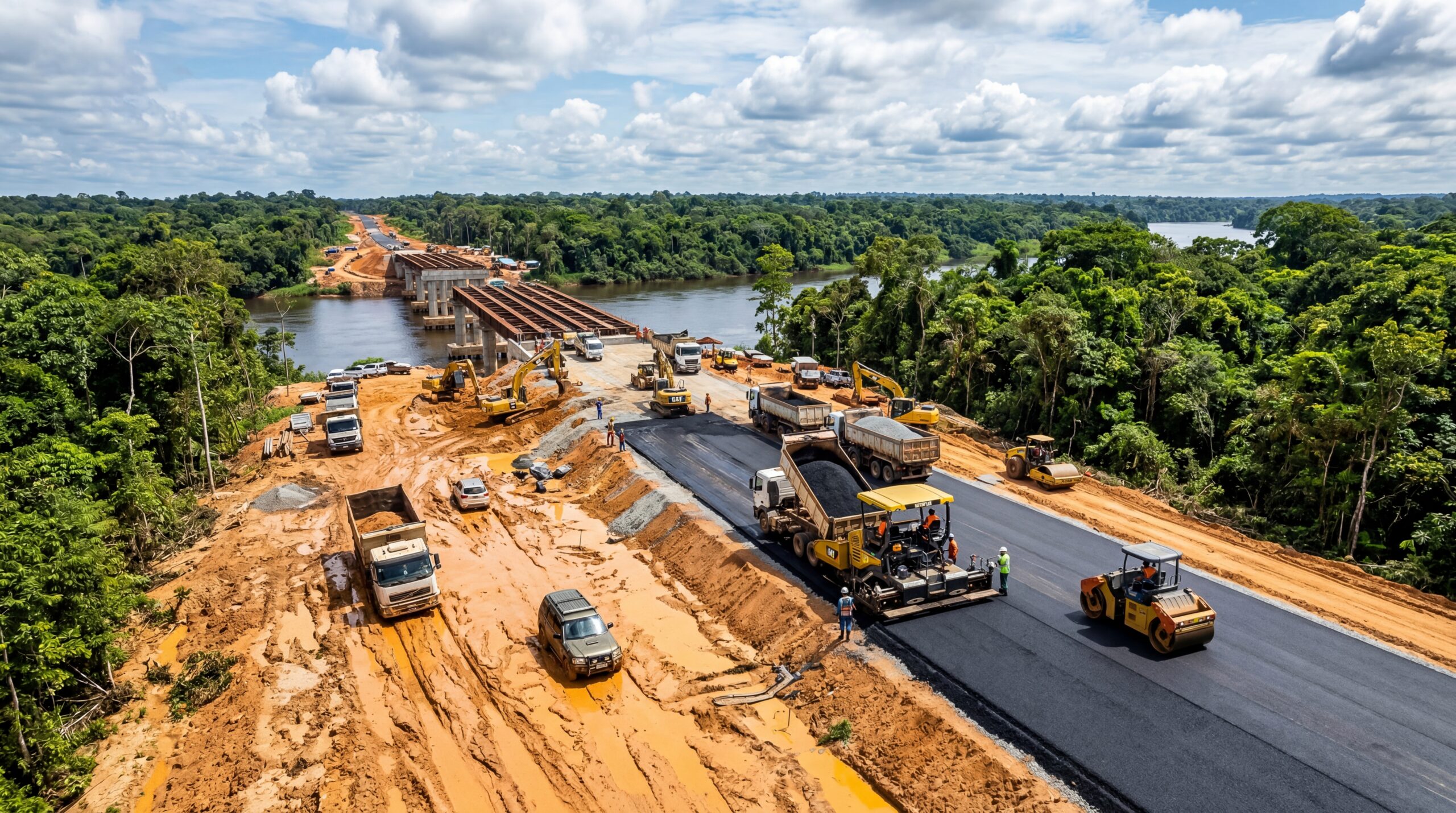
Engineer explains drainage during the rainy season: the difference between surface water and deep water, ditches, gutters, and water outlets on the road, as well as drains and drainage mattresses, to prevent erosion, aquaplaning, and flooding at the construction site today.
-
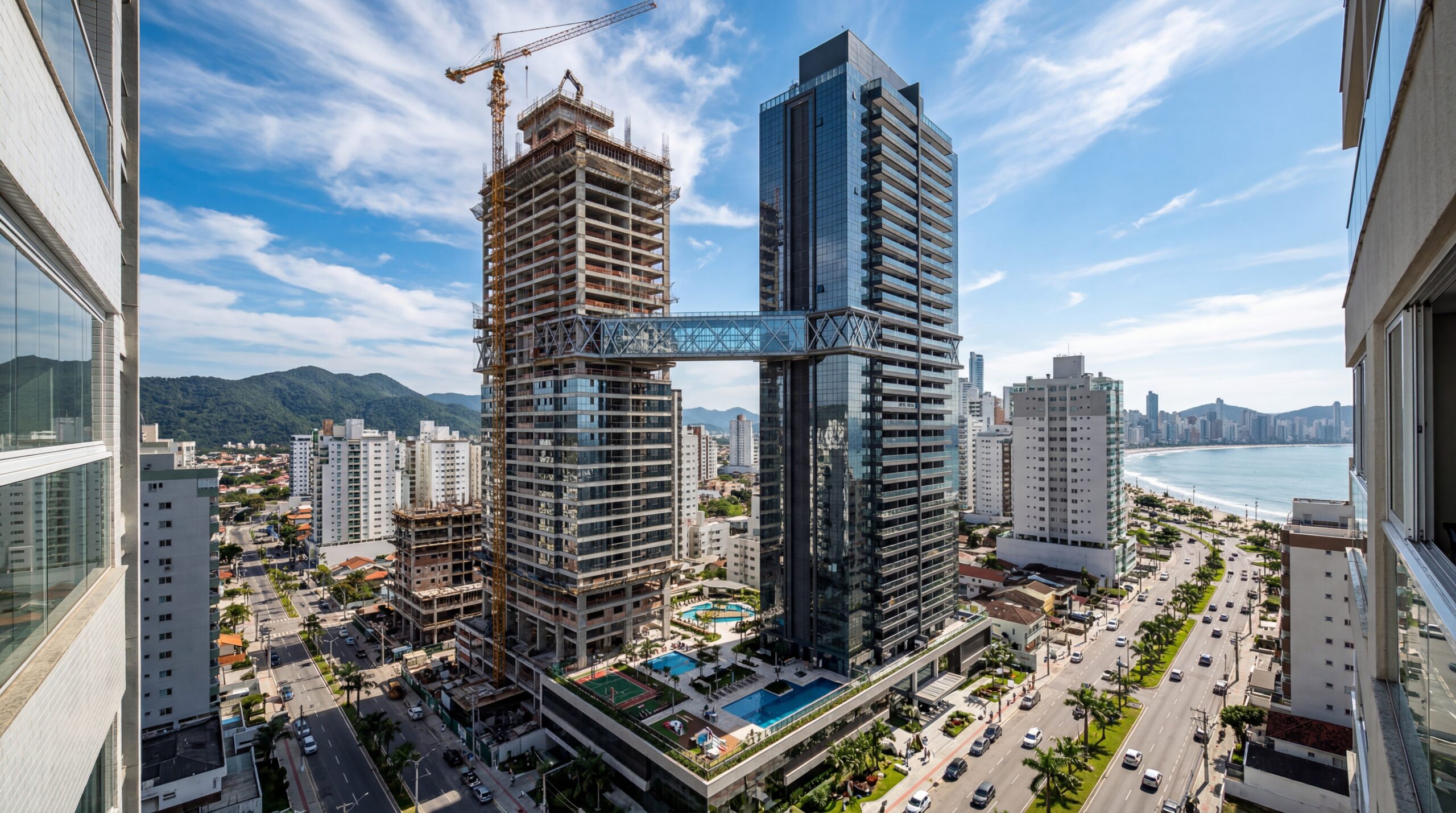
With 55 floors, 177 meters in height, a 15-meter walkway between the twin towers, ventilated facade, and 6,300 m² of leisure space, Ápice Towers already has one tower completed and another nearly at the top.
On social media, the story sometimes appears simplified as “the subway that created artificial islands.” What technical sources show is an even more concrete reality, large landfilled strips that expanded peninsulas, coastlines, and platforms, connecting transport, housing, and new districts on created land.
How The Rock From Tunnels Becomes Landfill And Neighborhood
The starting point is the separation of what can or cannot be reused. The Civil Engineering and Development Department explains that a very high portion of construction and demolition materials is inert and can be reused as landfill material, for land formation, and in other filling works.
When material is left over, it can go to reception areas and fill banks, which serve as temporary storage until a project arises that can absorb that volume. The logic is to reduce pressure on landfills and maintain a “reservoir” of material for future works.
This helps explain why, in Hong Kong, large infrastructure cycles tend to go hand in hand. Subterranean works generate material, and coastal works consume material, forming a chain that transforms excavation into urban expansion.
Hong Kong Airport In Chek Lap Kok And The Scale That Measures The Ambition Of Landfills
The most emblematic example is the international airport opened in 1998 in the Chek Lap Kok area, a platform built with a combination of land excavation and marine landfill.
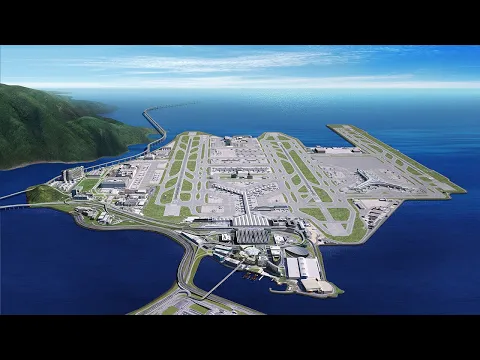

A technical report from the international dredging association describes the preparation of the new airport site with numbers of another order, citing 120 million m³ from land operations on the original Chek Lap Kok island and 76 million m³ from marine sources, in addition to dredging and relocation that totaled more than 238 million m³.
Similarly, a dredging project record states that up to 250 million m³ were dredged to create an island of about 1,248 hectares.
Corporate technical sources also cite total volumes moved in the range of hundreds of millions of m³, reinforcing how Chek Lap Kok became a global reference in landfill and land formation.
The important detail for the subway story is the domino effect. An airport of this size pulls railway and road connections, stimulates new neighborhoods, and increases demand for “land” in a territory where land needs to be created.
West Kowloon Reclamation And The Corridor Where The Airport Railway Came To Exist
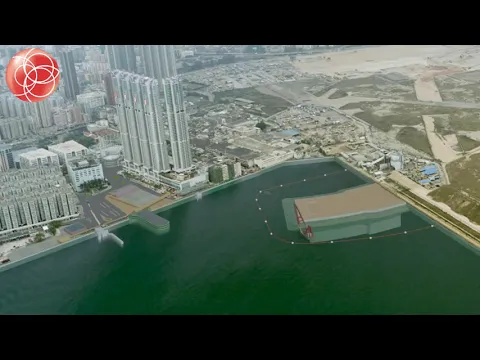
Another landmark is the West Kowloon Reclamation, a landfill project of 340 hectares along the Kowloon waterfront. According to CEDD, both the Airport Railway and the West Kowloon Expressway, essential links to the Chek Lap Kok airport, were built over this reclaimed area.
This strip of “new ground” did not remain merely as passing infrastructure. CEDD itself describes that the recovered land would be developed in stages with housing, commerce, roads, open areas, and community uses, in addition to reserving space for a large cultural district.
Tung Chung And The Planned Urbanization On Non-Existent Land
The airport, railway, and landfill axis helped consolidate new urban fronts in Lantau and surrounding areas, and Tung Chung is part of this process. A technical text related to Hong Kong Engineer summarizes the size of this strategy by stating that about 27 percent of the population now lives in areas formed by landfill over the last few decades.
In the most recent phase, CEDD describes the expansion of Tung Chung as a project that includes about 130 hectares of landfill and that had the main reclamation phase substantially completed in January 2023.
A contract report details that this reclaimed area was made using non-dredging methods and highlights the use of construction and demolition materials as filling material, along with environmental mitigation measures like eco shorelines.
The result is that the question is no longer simply “where does the subway rock go.” In Hong Kong, it can become part of a larger system, with transport guiding the expansion and landfill creating the physical space for the city to keep functioning.
Do You See Smart Solution Or High Environmental Cost
Transforming excavation into urban territory has an efficient side, reducing waste, creating material stock, and decreasing dependency on marine sand in some cases. It also shortens logistical distances when the material is reused locally, something valued by the public policy of public fill management.
But there is a point of permanent friction. Landfills change currents, habitats, and landscapes, and the debate over how much “new ground” is worth the environmental impact is old and remains current in Hong Kong.
Even when there are solutions like eco shorelines and mitigation, the discussion reappears in every major project, especially since the city has a history of using landfill as a structural response to demand for housing and infrastructure.
In the end, the story of the excavated material from the subway becomes a portrait of Hong Kong itself, a city that grows both downwards and outwards at the same time, and that literally exchanges rock for map.
If you had to decide, is Hong Kong showing a smart reuse model or just pushing the problem out to sea? Does the “new territory” compensate for the environmental risk and public cost? Leave your comment with your opinion, because this is the kind of project that divides any city.








-

-

-

-

-

-

38 pessoas reagiram a isso.