





 Portuguese
  English
  Spanish
  4 min of reading
  0 comments


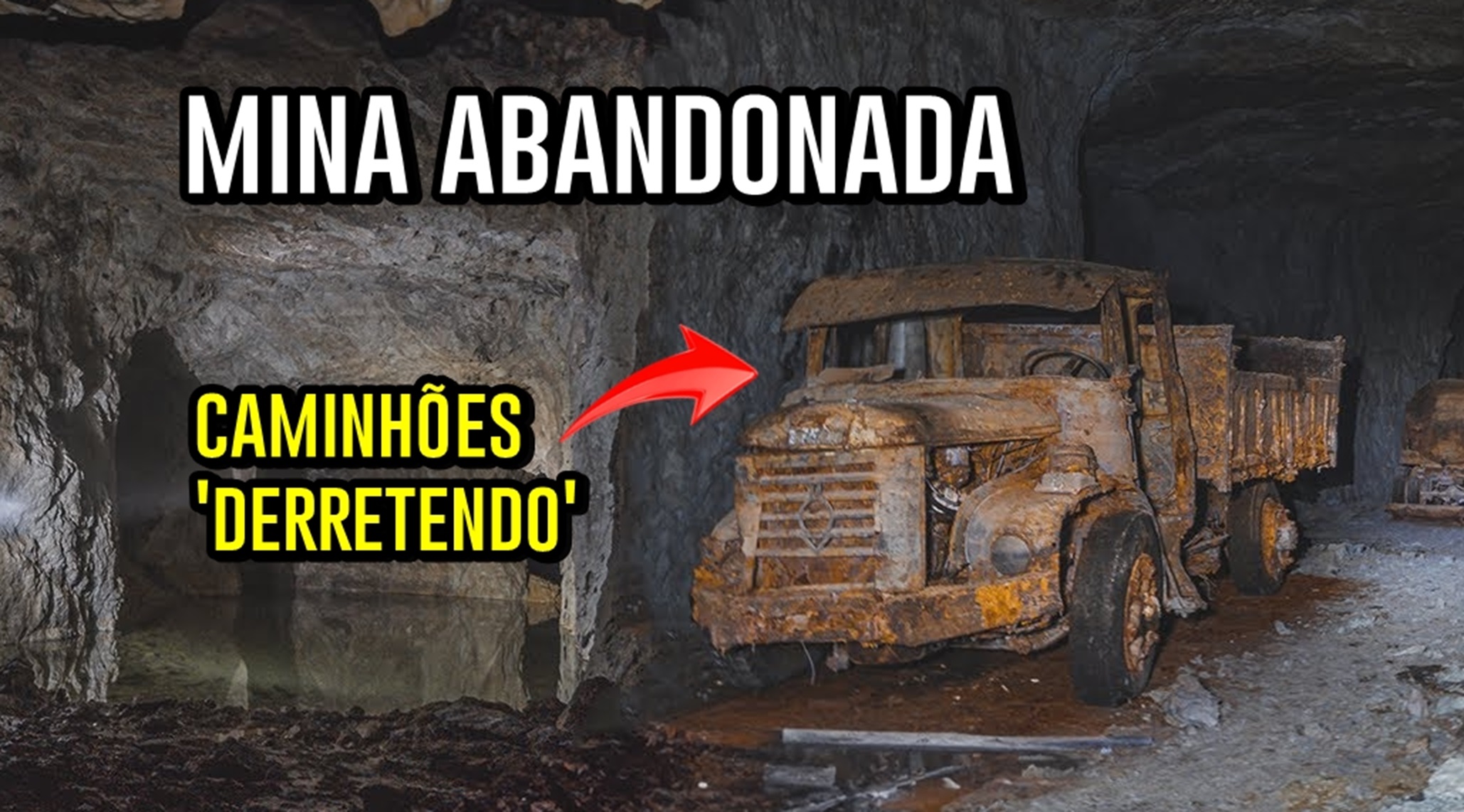
Man Discovers Abandoned Mine Where Mining Trucks Are Deteriorating Due to Heat and Humidity
Abandoned Mines attract urban explorers from different parts of the world due to the mystery and challenge these places offer. However, exploring this type of mine requires caution, as the conditions are extremely hostile and can be very dangerous without the presence of a professional specialized in these mining environments.
The dust, humidity, and heat make mines one of the most difficult places for any vehicle or person to operate. About a year ago, the French urban explorer known for the channel GuiXplore on YouTube, published a fascinating video about a mine abandoned for approximately twenty years.
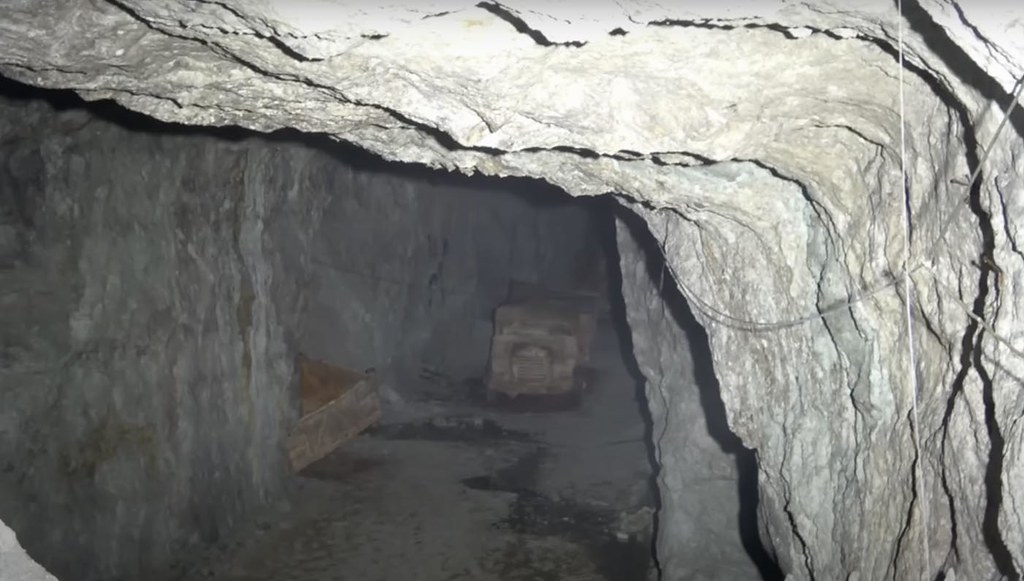
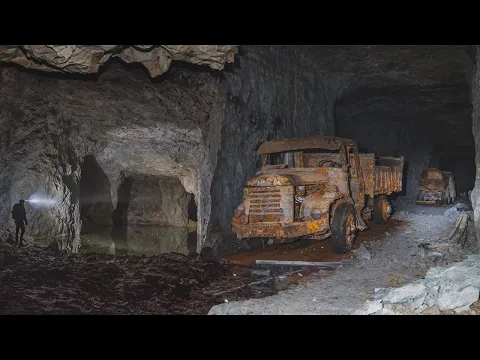
During the video, he shows the details of this mine, which has rusted trucks and accumulated water, a real challenge for any explorer. See below for more details about this great discovery in an abandoned mine.
-
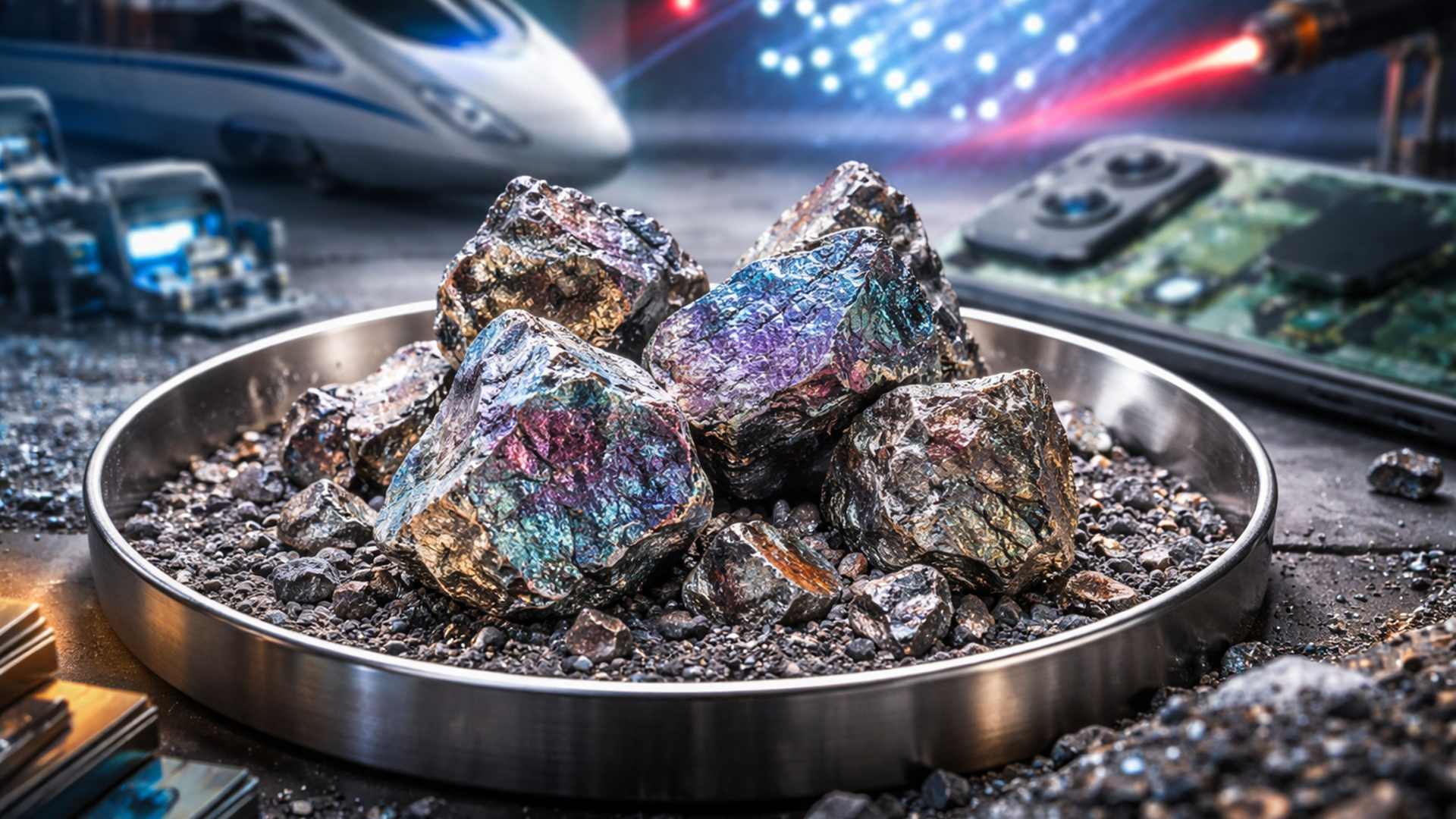
Rare earths are in everything, from cell phones to bullet trains, and what almost no one realizes is why they have become the target of such a delicate global war.
-
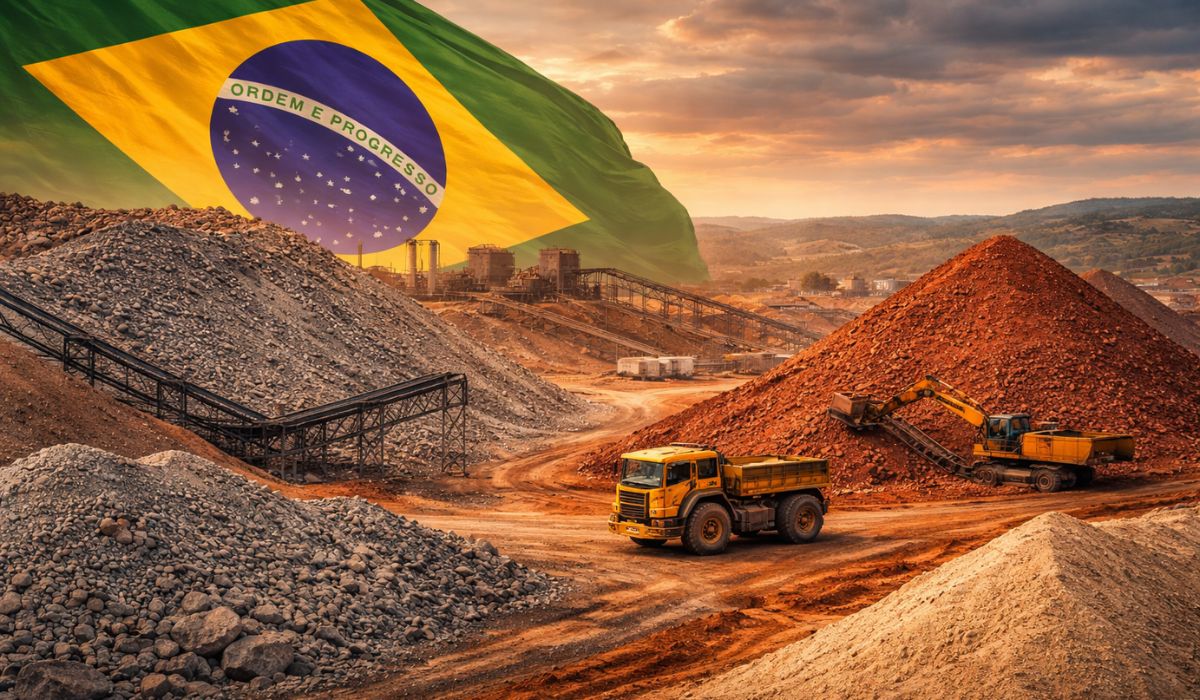
Brazil extracts 26.3 million tons of ore from what was previously treated as waste, transforming residues into wealth, producing over 3 million tons of sand, and demonstrating how national mining is relearning to generate value.
-
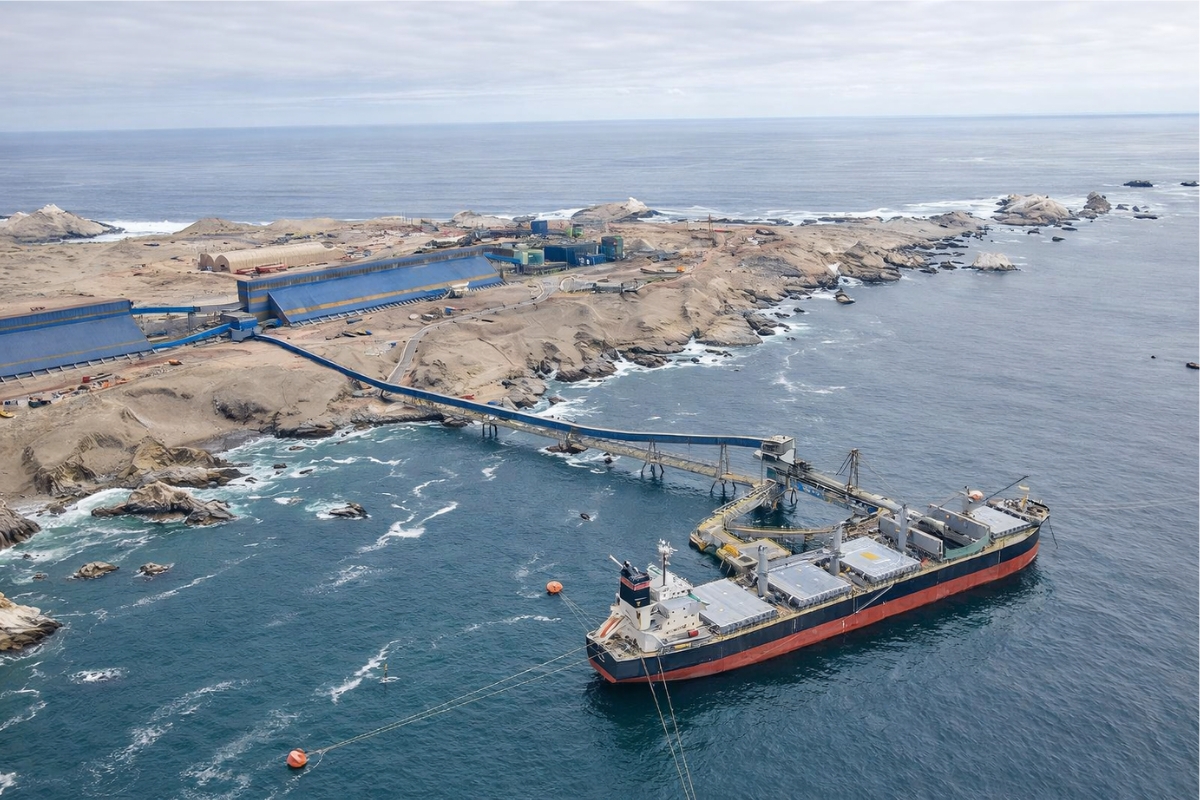
A $3.5 billion megaproject in Latin America pumps desalinated seawater at 1,050 liters per second over 194 km to keep a copper supermine in the Andes operational for another 20 years.
-
A hidden mine in the Andes valued at nearly R$ 1 trillion is starting to attract global attention, containing copper, gold, and silver, and raises an intriguing question: why do Argentina and Chile need to act together to exploit this gigantic wealth?
Humidity Issues and Abandoned Vehicles ‘Melting’
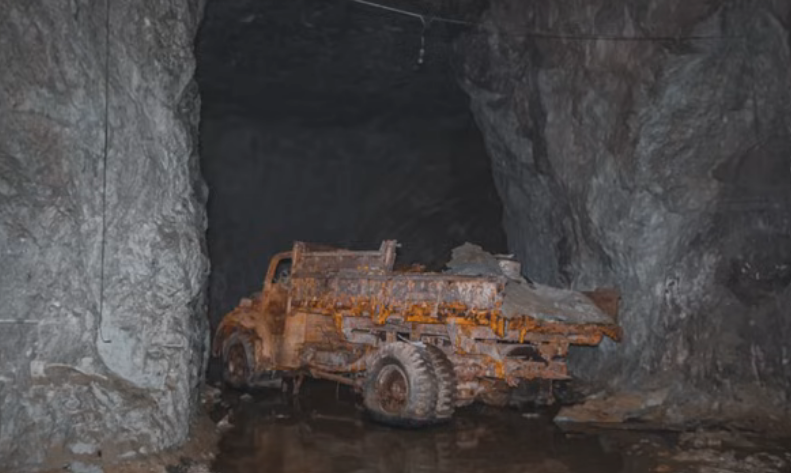
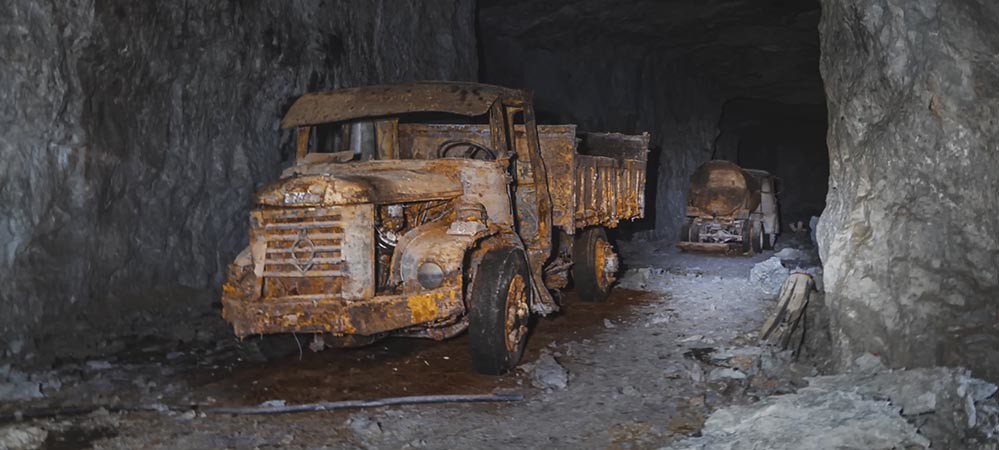
Inside the abandoned mine, the explorer found trucks from the French brand Berliet, a well-known manufacturer of industrial vehicles from the last century. The condition of these vehicles, rusted and covered in fungus and dirt, shows how humidity affected by metal and other materials accelerates the corrosion process.
Among the vehicles found, the explorer highlighted the Berliet GLR 160, a classic from the 1960s, and the Berliet GAK, launched in 1958. Both trucks were left at the mercy of time and humidity, creating a scene that looks straight out of a post-apocalyptic film.
Risks Involved in Mining Exploration
Entering the mine already presents a high risk, starting with a fence with warning signs about the possibility of flooding, which could result in a fatal drowning for unsuspecting explorers.
Upon entering the mine, it is evident that the humidity is extreme, forming a mist that limits visibility and may hide additional dangers, such as holes, unstable areas, and deep puddles.
Exploring an abandoned mine also involves the risk of collapse. The walls and ceilings of these places, without maintenance for decades, become fragile, and the weight of the structure itself can cause collapses at any moment.
Additionally, the dark and humid galleries are environments conducive to the prevention of fungi and bacteria that can be harmful to human health.
A Curious Look at the Past
For many explorers, visiting abandoned sites is a way to revisit the past. The mine explored in the GuiXplore video is a time capsule that brings back the memory of the French mining industry, where trucks like the Berliet GLR 160 were essential for transporting heavy materials.
These vehicles were designed to withstand severe conditions, but even the robustness of these models could not resist the corrosive effects of constant humidity.
Urban exploration of abandoned mines reveals intriguing and frightening aspects of these places, but it is essential that urban explorers are aware of the risks involved.
Safety equipment, such as flashlights, protective masks, and helmets, is essential to ensure a minimally safe exploration.

Reasons for Abandoning Mining Mines
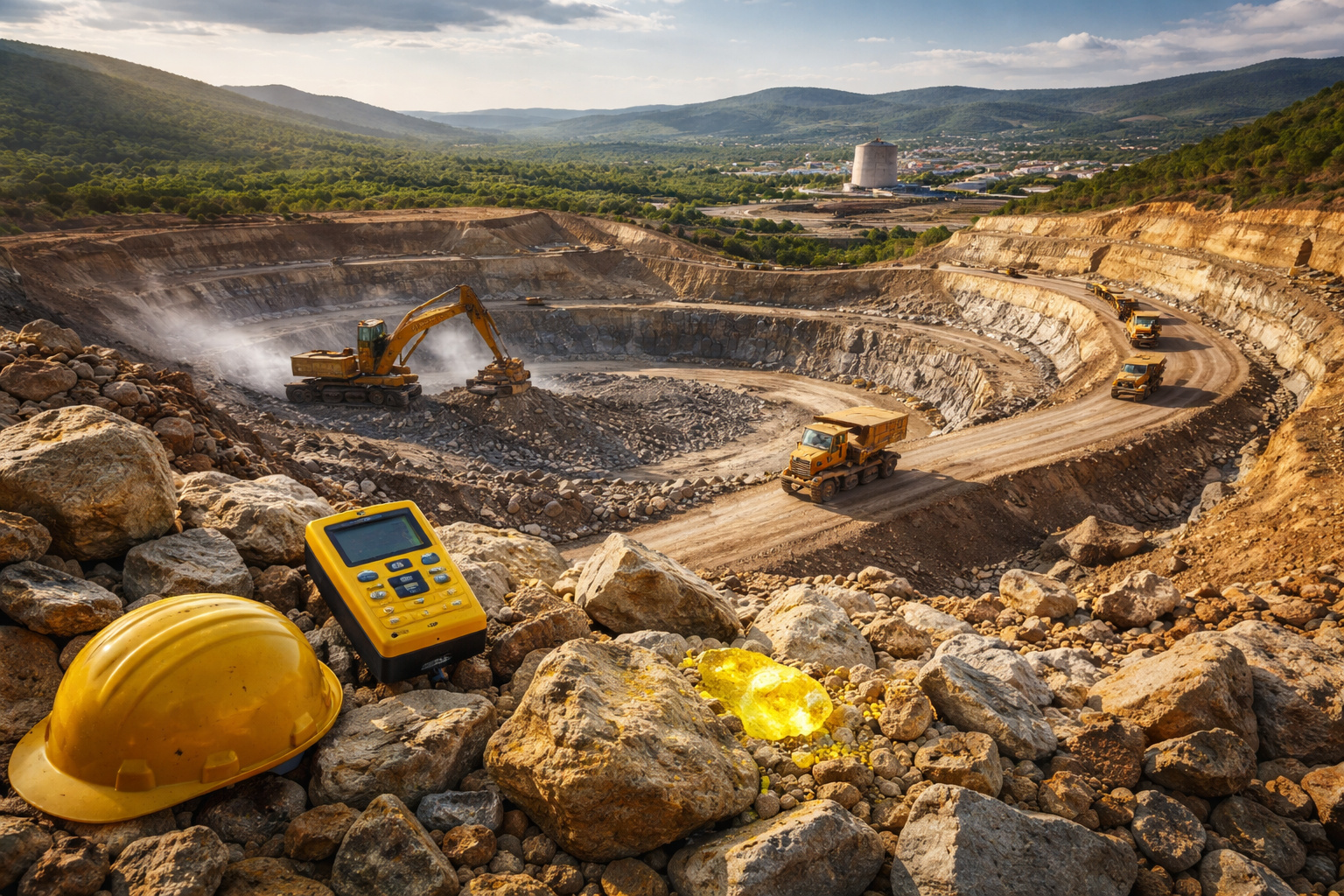
The abandonment of mining mines is a problem that has profound environmental, social, and economic consequences. There are several reasons that lead to the closure and eventual abandonment of these operations.
Depletion of Mineral Resources: Many mines are abandoned when economically exploitable mineral resources are exhausted. The mining process depends on mineral deposits that can be extracted profitably. When these deposits are depleted or become economically unviable for extraction, operations are halted.
Economic Difficulties: Mining is a capital-intensive activity, requiring significant investments in equipment, infrastructure, and labor. Fluctuations in the prices of metals and minerals in the global market can make exploration economically unviable. When prices fall below production costs, mining companies may choose to close or abandon mines to avoid further losses.
Environmental and Regulatory Issues: Environmental legislation is becoming increasingly stringent, and many companies face difficulties in meeting the requirements for continuing operations. When the costs of environmental compliance become too high, some companies may choose to abandon mines, especially if the operation is no longer profitable. The same applies when there are legal problems, such as the loss of licenses.
Health and Safety Risks: Abandoned mines can become dangerous for both workers and the environment. When maintenance of the mine becomes unfeasible or the risks of collapse and contamination increase, it is safer to halt operations than to continue putting lives and ecosystems at risk.
Abandoned mines represent serious problems for the environment and local communities. These areas can release pollutants, such as heavy metals, into the soil and water, affecting entire ecosystems.
Furthermore, open mines and abandoned mining structures become physical hazards, potentially causing fatal accidents for people who inadvertently enter these areas. Finally, the abandonment of mines economically impacts the communities that relied on the activity for jobs and income.





Seja o primeiro a reagir!