





 Portuguese
  English
  Spanish
  2 min of reading


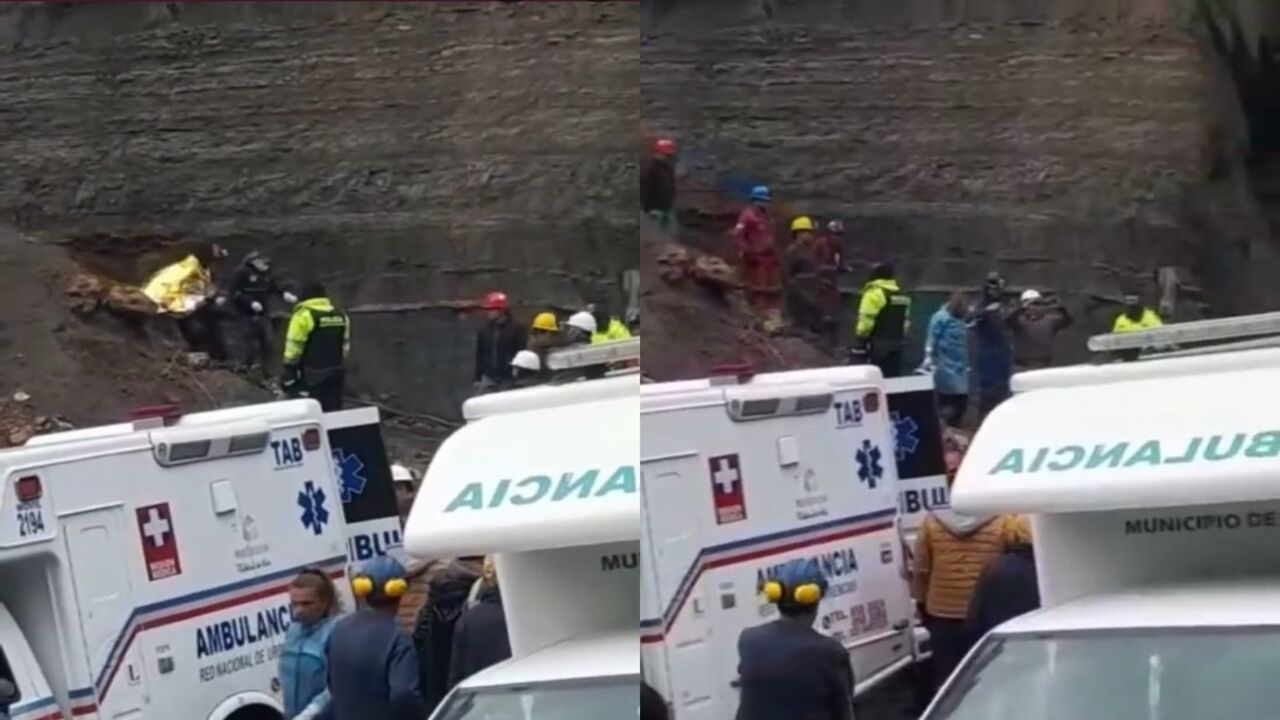
In The Early Morning Of Thursday (20), Seven People Were Buried In A Coal Mine In The Municipality Of Cucunubá, Which Is Located In Central Colombia.
The explosion occurred in two interconnected tunnels, around 1 a.m., approximately 90 kilometers north of Bogotá. According to authorities, so far, four miners have been rescued alive, and the search continues for the remaining seven workers.
Explosion Affects El Roble And El Manto Mines
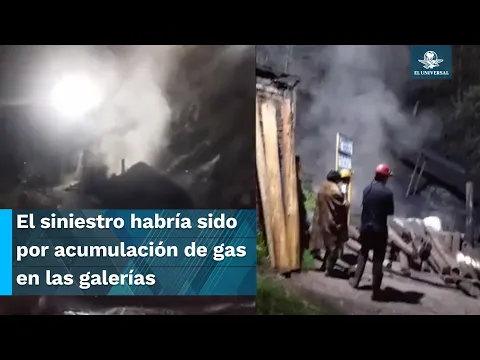

The El Roble and El Manto mines have been severely affected by the explosion, the causes of which are still under investigation. It is unknown whether the operators had the necessary permits to legally extract coal. The region, which is a major mining hub, has been plagued by frequent accidents.
The Minister of Mines and Energy, Irene Velez, stated on Twitter that rescue agencies are on the scene and “continue efforts to locate” the buried individuals. Unfortunately, mining tragedies are common in Colombia, especially in illegal operations in Cundinamarca and other departments in the central and northeastern parts of the country.
-
Lack of workers and an aging population: Japan bets on AI robots in factories, logistics, and infrastructure to keep the economy and essential services active.

-
Natville puts R$ 700 million on the table for new factories in the Northeast, generating jobs and boosting the local economy.
-
USA and China compete for Brazil over resources that could be worth trillions — rare earths put the country at the center of a global dispute

-
With 74% of companies facing difficulties in hiring, technicians and engineers in renewable energy are becoming scarce in Brazil and are essential to support the expansion of solar, wind, and green hydrogen projects.

Deaths In Mines: A Constant Problem In The Country
According to the Ministry Of Mines And Energy, there were 1,262 accidents in coal mines between 2011 and May 2022, averaging 103 deaths per year. Gas accumulation is the most common cause of these accidents in a country that is the largest producer of coal in Latin America.
In March, an explosion in Sutatausa – also in Cundinamarca – killed 21 people, in one of the worst recent tragedies in Colombia. Social organizations often report the precarious working conditions faced by mine workers – both from national companies and multinationals.
Coal Mine In Colombia: Cruelty In A Traditional Activity
Cucunubá and the neighboring municipalities have an important mining tradition that helps sustain their economies. Unfortunately, mining is often a precarious activity that poses risks to the lives of workers. Nevertheless, its inhabitants choose it, as the wages paid in the sector are better than the Colombian minimum wage of just over 200 dollars (1,009 reais at the current exchange rate).
As much as mining is a tradition in the region, it is necessary to invest in good working conditions and in accident prevention. At least 130,000 people work in legal mining in Colombia, according to data from the Ministry Of Mines And Energy. Oil and minerals are the main products of national export, demonstrating the sector’s importance to the country’s economy.
Journalism has the responsibility to portray events, especially when they relate to human life. In the case of the coal mine in Colombia, it is crucial for society to be aware that mining, so important for the country’s economy, poses real risks to the lives of workers.









Seja o primeiro a reagir!