





 English
  Francês
  Alemão
  Italiano
  Japonês
  Norueguês
  Portuguese
  Spanish
 3 min of reading


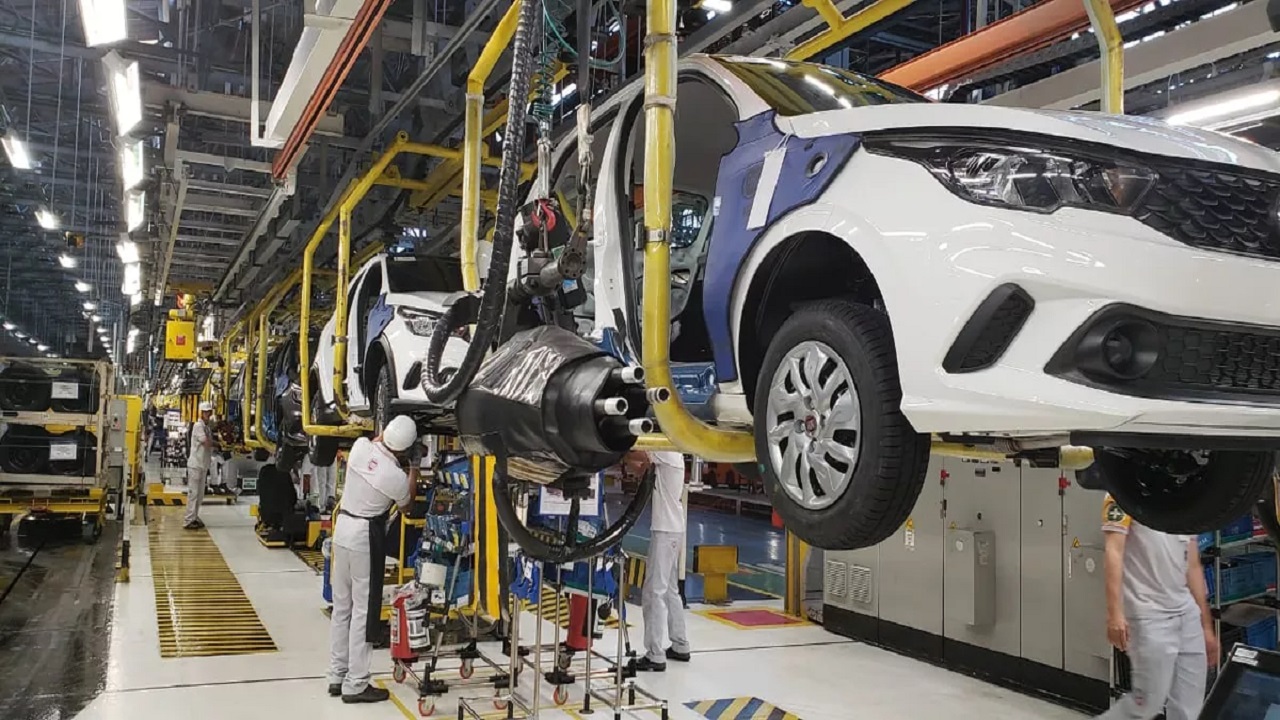
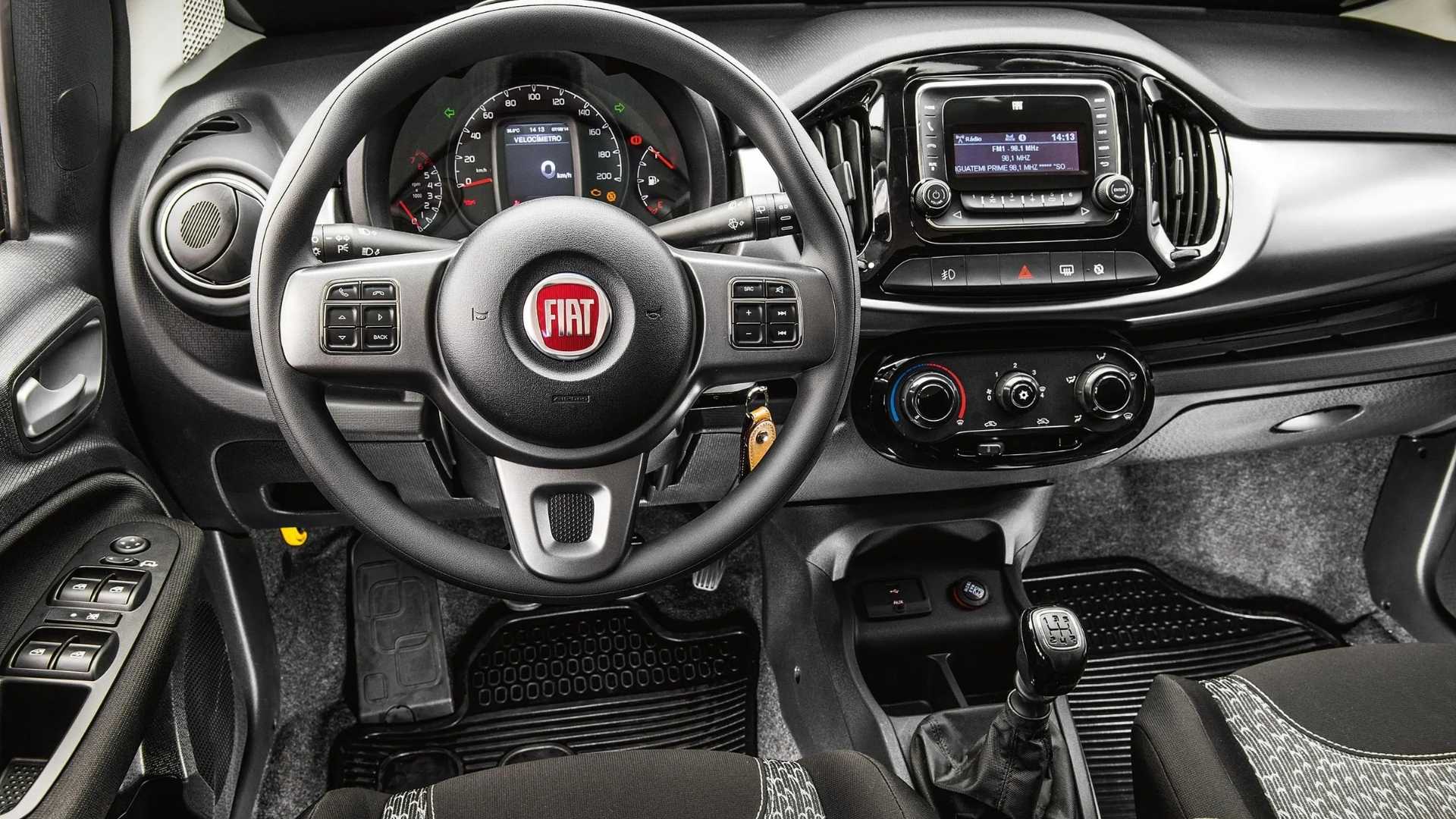
FIAT Is Planning to Produce Hybrid Cars at Its Vehicle Factory in Betim, Minas Gerais. The Multinational Is Betting on Hybrid Vehicles and Already Has a Construction Platform.
The Stellantis is racing to not lose its Fiat brand position in the Brazilian market, but not exactly in relation to competition, as its biggest rival is the lack of parts and semiconductors. In Betim, a municipality in Minas Gerais and the nerve center of the automaker in the region, the most recent 10-day production halt came with yet another warning for Stellantis to hurry up in locating suppliers.
Stellantis Comments on Parts Shortage
In this case, not only for suppliers of semiconductors but also for technologies that the group has to import and dependent on delivery time failures, impacting production and vehicle sales for Fiat in the country.
According to the Stellantis CEO in the region, Antônio Filosa, the way to Fiat’s success is the localization and nationalization of various components, especially those dealing with electrification, a path of no return for the automaker’s brand and others present in the country. According to Filosa: A large part of automakers import, while Stellantis localizes. This is its commitment to people and businesses in Minas Gerais.
-
Engineers propose a fourth traffic light for intersections – the change promises to affect crossings, queues, and waiting times.

-
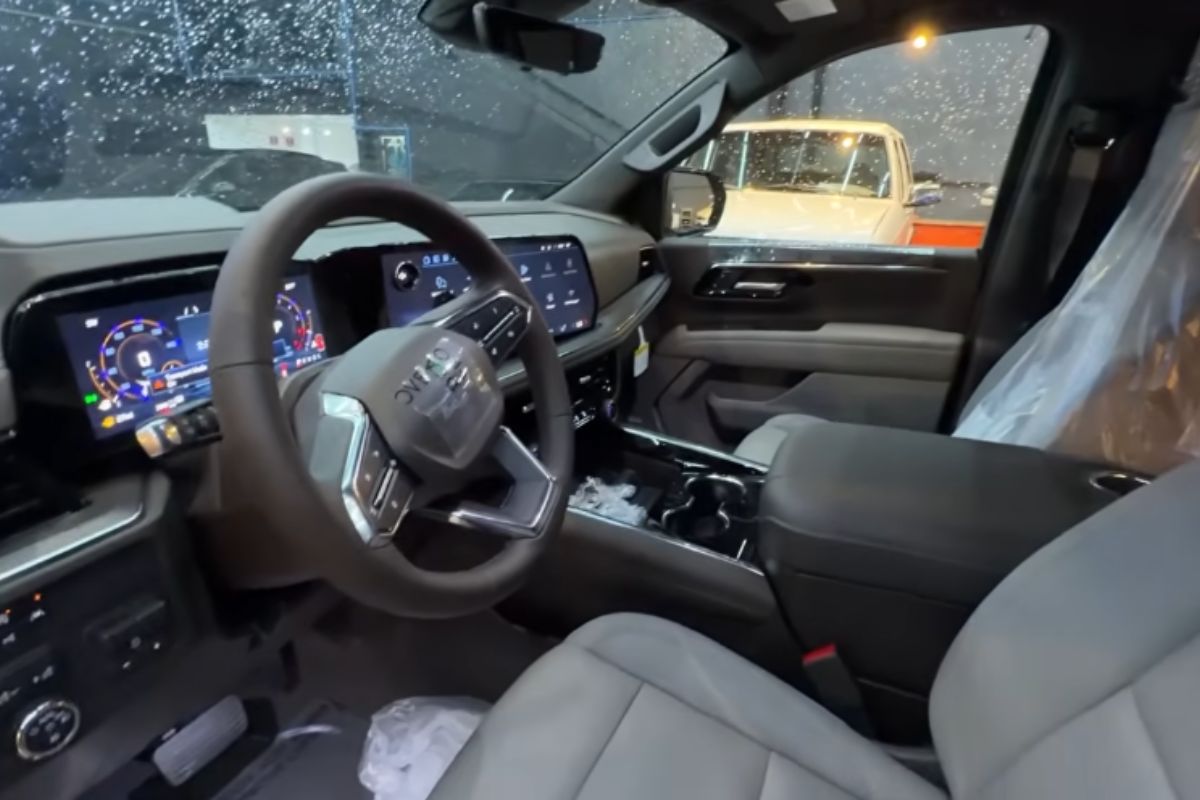
Chevrolet Suburban Z71 lands in Brazil with a V8 engine, off-road design, air suspension, seven seats, and colossal size, a rare version imported for around R$ 1.3 million with luxury and exclusivity.
-
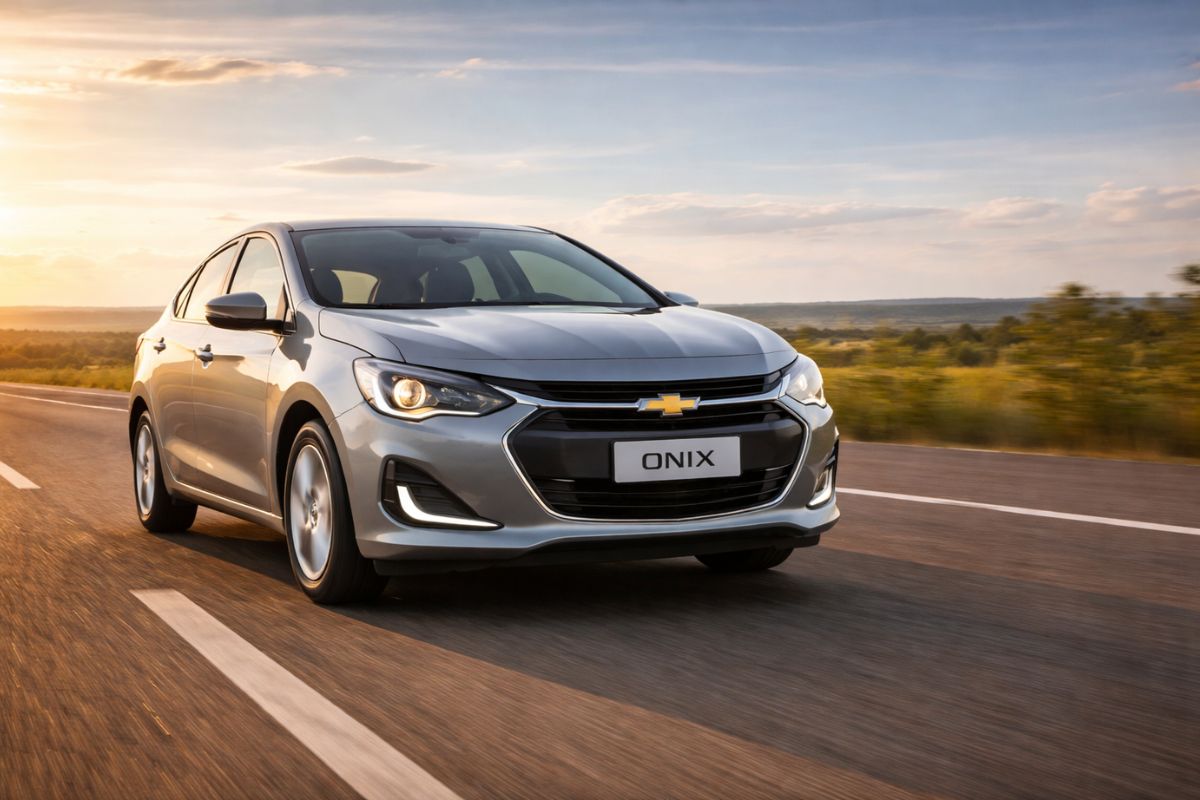
The Chevrolet Onix 1.0 turbo achieves 17.7 km per liter on the highway and ranks among the three most economical cars in Brazil in 2026, alongside two more expensive Toyota hybrids available at dealerships.
-
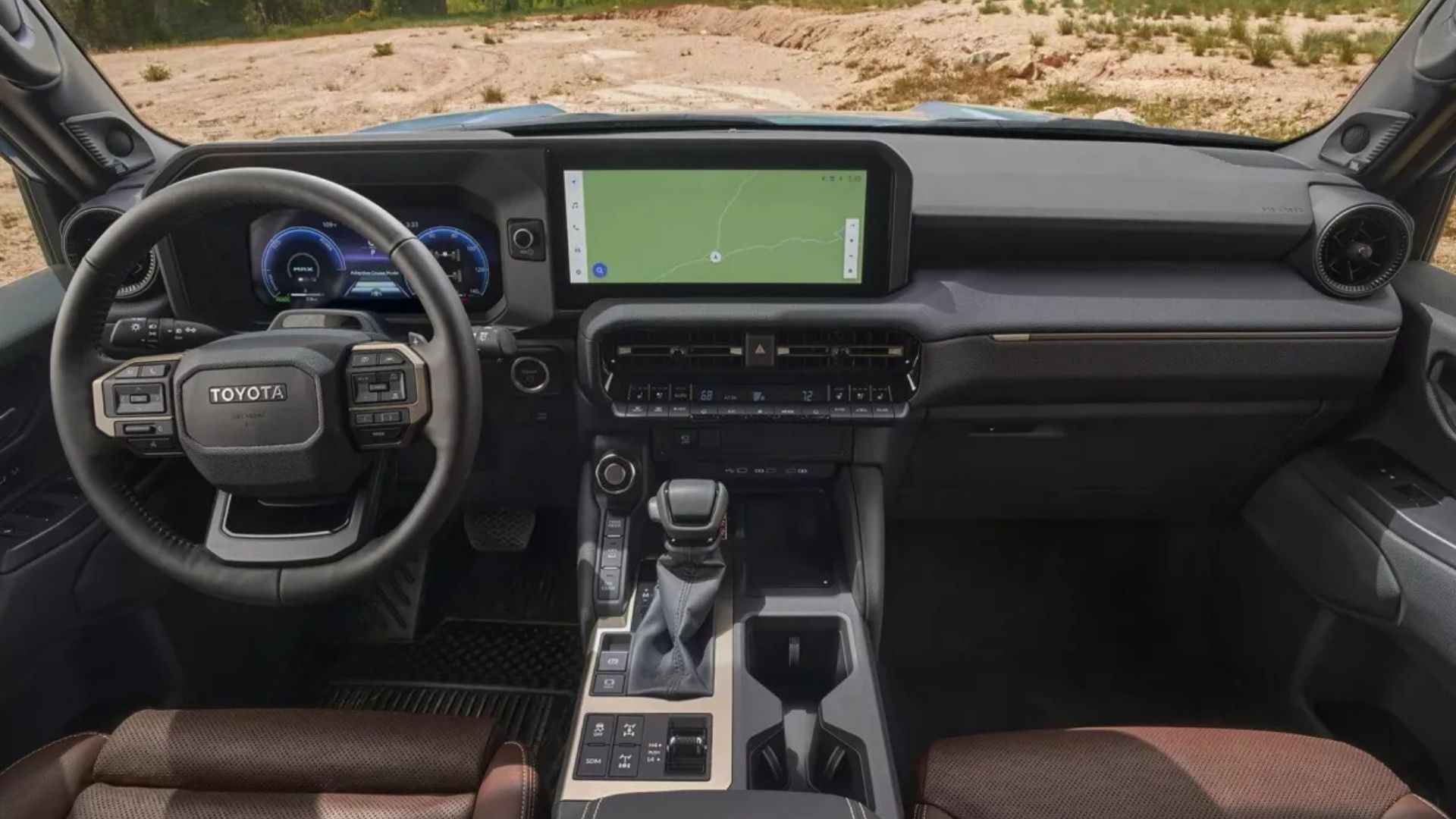
Little sister of the Hilux: Toyota launches Land Cruiser FJ with 4 radical versions, 2.7 engine with 166 hp and 4×4 traction with locking.

With a level of technology parts and components even higher, hybrid cars depend increasingly on the global supply chain at this moment, and this is where the automaker seeks to change things. In addition to betting on hybrid cars, the company also focuses on ethanol, a fuel extensively used in Brazil for over 40 years.
Fiat May Become a Major Producer of Hybrid Cars in Minas Gerais
According to the CEO of the company, hybrid cars emit almost the same level of CO₂ as an electric car and are still very cheap. Naturally, when it comes to hybrid cars, as in the proposal to assemble them in Betim, Minas Gerais, the image of something like the Corolla appears, but the expected step is the same, the micro-hybrid or MHEV.
Stellantis has two different systems, one of them being Fiat’s 12V and the other Peugeot’s 48V. In one example, the Fiat Tipo Cross features the second device. Compared to a complex PHEV system, such as that of the Jeep Compass, the MHEV is much easier to install and requires fewer components, utilizing a much smaller lithium battery.
Thus, if we expect hybrid cars with flex engines, which is the logical option in relation to just ethanol from Stellantis, these should start with this technology. In Brazil, manufacturers of this type of technology have been present for several years, albeit with other systems, making the nationalization or regionalization of these components easier.
About Fiat
Fiat is one of the brands of Stellantis, one of the largest automotive producers in the world, with its global headquarters in Turin, northern Italy. Fiat is an acronym for Fabbrica Italiana Automobili Torino, founded by Giovanni Agnelli, in 1899.
After World War I, the company began to invest in various sectors, with government support, such as the jet, train, tractor, and construction markets.
The company was managed by Gianni Agnelli, grandson of Giovanni from 1966 until his death in January 2003, when he was succeeded by his brother, Umberto Agnelli. The Group’s activities were initially focused on the production of vehicles and agricultural automobiles.







Seja o primeiro a reagir!