Portuguese
  Spanish


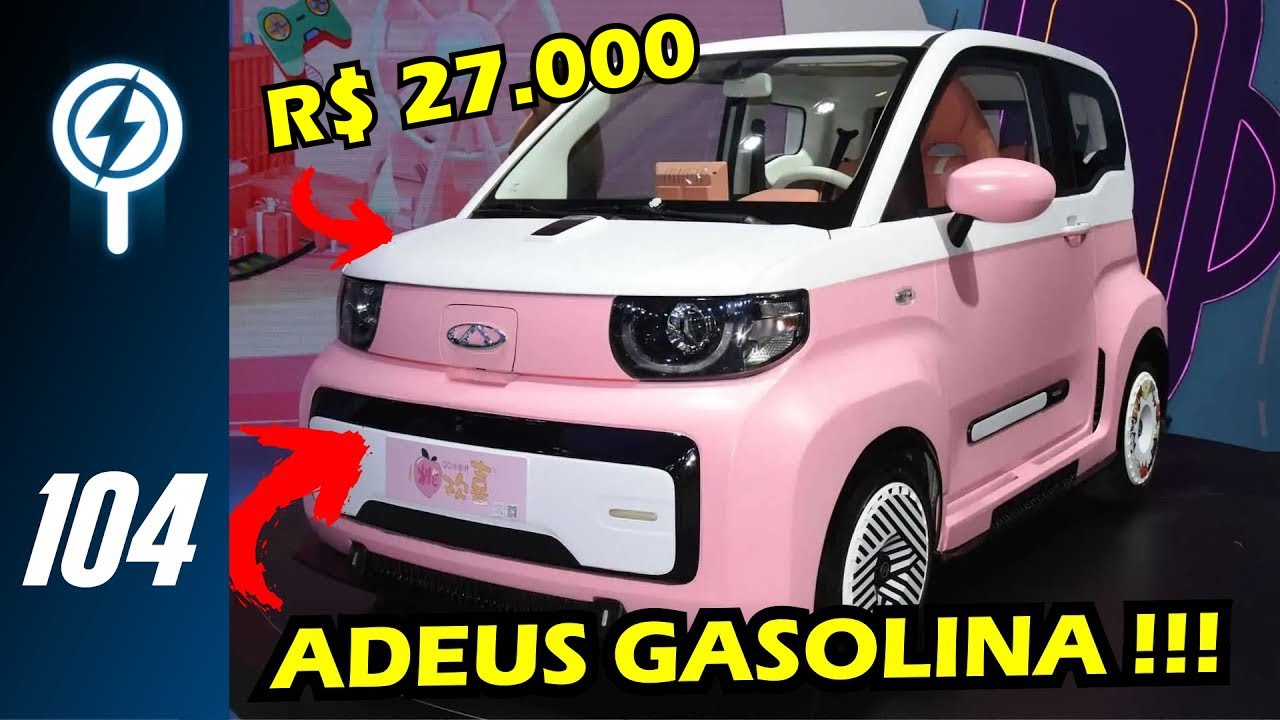

China Just Received Another Electric Car in Its Market. The Vehicle Has an Affordable Price and Can Travel Up to 170 km on a Single Charge.
Since last Tuesday (28), residents of China who have 33,900 yuan, the equivalent of R$ 27,000 saved, can buy a brand-new electric car. It’s not one of the most beautiful or powerful, but for its low price, it could even be an alternative to public transportation here. It is the Yunbao or S3, from Beijing Automobile Works (BAW), a mini electric car fully capable of traveling up to 170 kilometers on a single charge. In the coming days, the vehicle will be available at 500 sales points spread across China.
BAW Electric Car Has 27 Horsepower

Made for the heavy traffic of Chinese metropolises, the vehicle has already received over 9,000 orders during pre-sale, according to the manufacturer. To give you an idea, it has commercial performance almost equal to that of the Peugeot 208 in Brazil throughout the first half of 2022.
-
End of an era in Brazil: beloved sedan by Brazilians is discontinued despite having a 2.0 engine with 151 hp, CVT transmission, 466-liter trunk, and up to 650 km of range.

-
New Law Proposal in Brazil Could Heavily Penalize Drivers: Dangerous Overtaking May Become a Serious Offense with Fines Increased Tenfold and a 12-Month License Suspension; Update on 2026 Progress

-
Electric Revolution: Watts W125 Motorcycle Offers 160 km Range, 90 km/h Speed, and Affordable Price Starting at $3,000
-
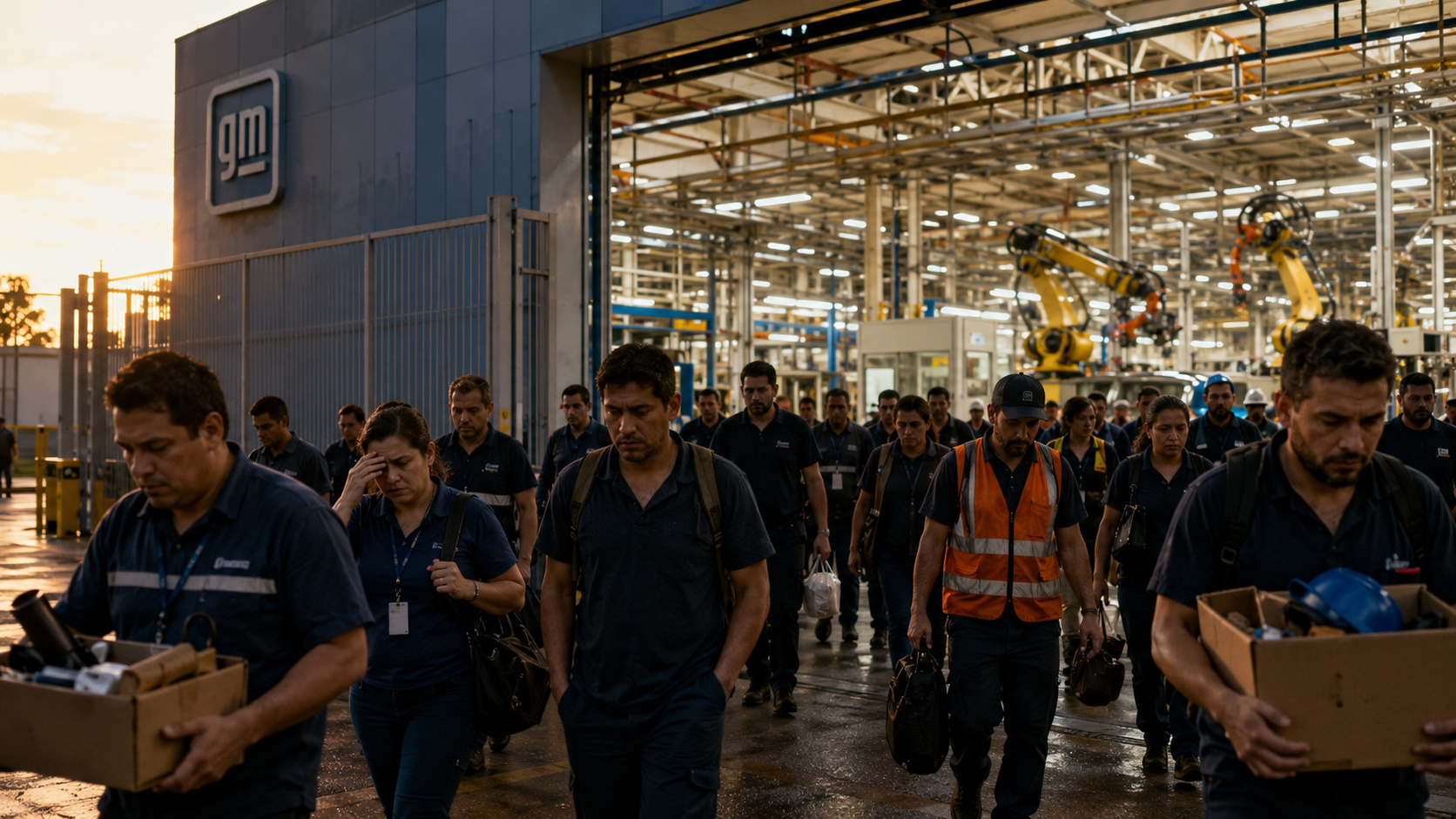
General Motors Replaces Over a Thousand Workers with 50 Cobots at Electric Vehicle Plant, UAW Union Criticizes Move Amid Industry’s Automation Push


The performance is not, by any means, the vehicle’s standout feature, which has an electric motor of 20 kilowatts (kW), equivalent to about 27 horsepower, but a torque output of 8.6 kgfm, which is quite convincing for its size.
The model measures 3.16 meters in length and 1.58 m in height, 1.49 m in width, with only 2.05 m of wheelbase. Its top speed is 100 km/h. To give you an idea, the electric car is 4 cm shorter, 1 cm lower, and 9 cm narrower than a Caoa Chery iCar, recently launched in the national market.
Chinese Electric Car Hits the Automotive Market Equipped with Cutting-Edge Technology
The difference in power, torque, and sizes of the vehicles is also substantial, but the fact is that the Yuanbao costs 80% less in direct currency conversion. And the model’s content list attempts to compensate, in some way, for the simplicity of its style.
Square on the outside and inside, the electric car features LED strips, parking sensors with 360-degree cameras, ABS brakes, a 10.2-inch (25.91 cm) multimedia center, and the dashboard displays are also mirrored on a screen of the same size. The model also includes an assistant for hill starts. It is important to note that, according to Chinese law, only the top variants are equipped with airbags.
The more expensive version of the electric model costs about R$ 39,700, still less than a third of the price of the iCar on the national market. And these versions come with lithium-ion batteries of 13.5 kilowatt-hours (kWh), which ensure a range of 170 km in the NEDC cycle. The entry-level models, on the other hand, are equipped with a 9.6 kWh battery, providing a range of 120 km.
Chinese Electric Car May Compete with the HongGuang
Without a trunk and with very tight rear seats, the Yuanbao is a sort of sibling to the Smart ForTwo. A future four-door version will provide less cramped accommodations, as well as space for luggage.
In any case, this is an electric car that is focusing on China’s best-selling champion, the HongGuang Mini, a model that, just last year, surpassed the mark of 400,000 units sold. Having it as a rival already seems good for BAW, especially since, to dethrone the belt holder, one must first challenge those who precede in the ranking.

Graduated in Journalism and Marketing, he is the author of over 20,000 articles that have reached millions of readers in Brazil and abroad. He has written for brands and media outlets such as 99, Natura, O Boticário, CPG – Click Petróleo e Gás, Agência Raccon, among others. A specialist in the Automotive Industry, Technology, Careers (employability and courses), Economy, and other topics. For contact and editorial suggestions: valdemarmedeiros4@gmail.com. We do not accept resumes!