





 Portuguese
  English
  Spanish
  3 min of reading


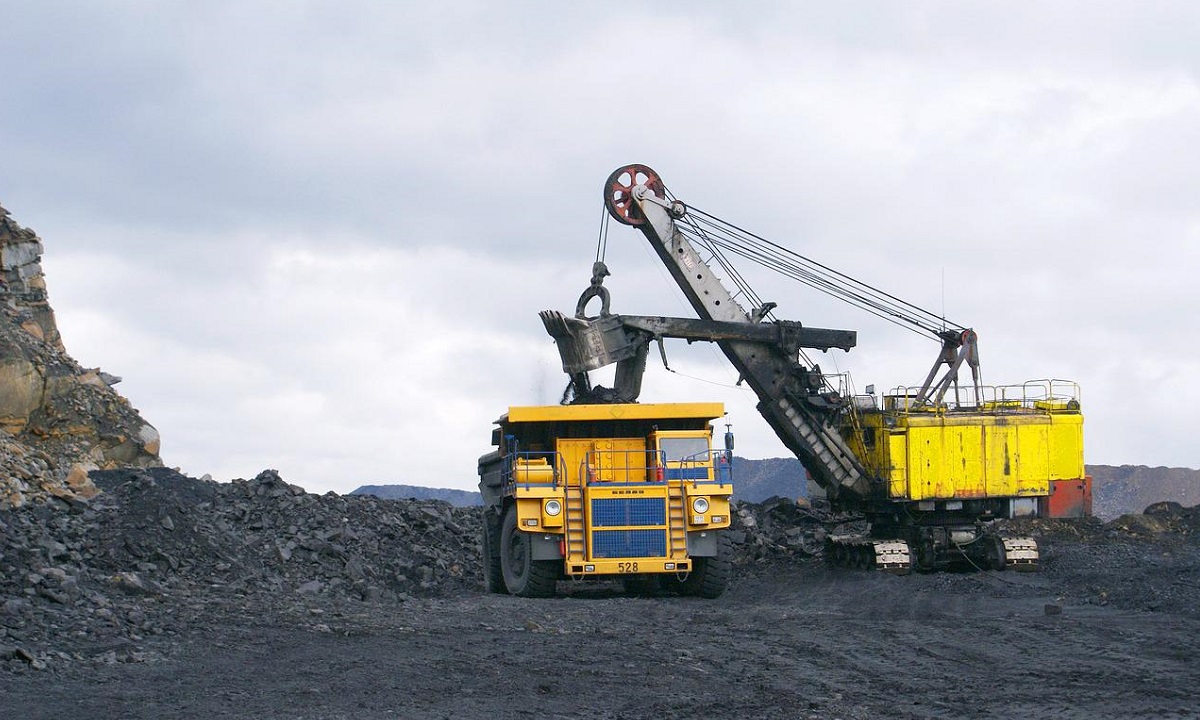
High Demand For Gold Led To Increased Illegal Mining Of The Metal In Brazil, Especially Due To The Appreciation Of The Metal In The International Market
The exponential appreciation of gold in the international market has driven the growth of illegal mining in Brazil, especially in the Amazon, according to data from a study released on Tuesday, 06.
Gold mining in Brazil, which was the 14th largest gold producer in the world last year, has increased since the coronavirus pandemic drove foreign market prices to record levels.
Of the 112 tons of gold produced in Brazil in 2021, at least 7% came from illegal gold mining and 25% from potentially illegal mining, according to a study by the Federal University of Minas Gerais (UFMG).
-
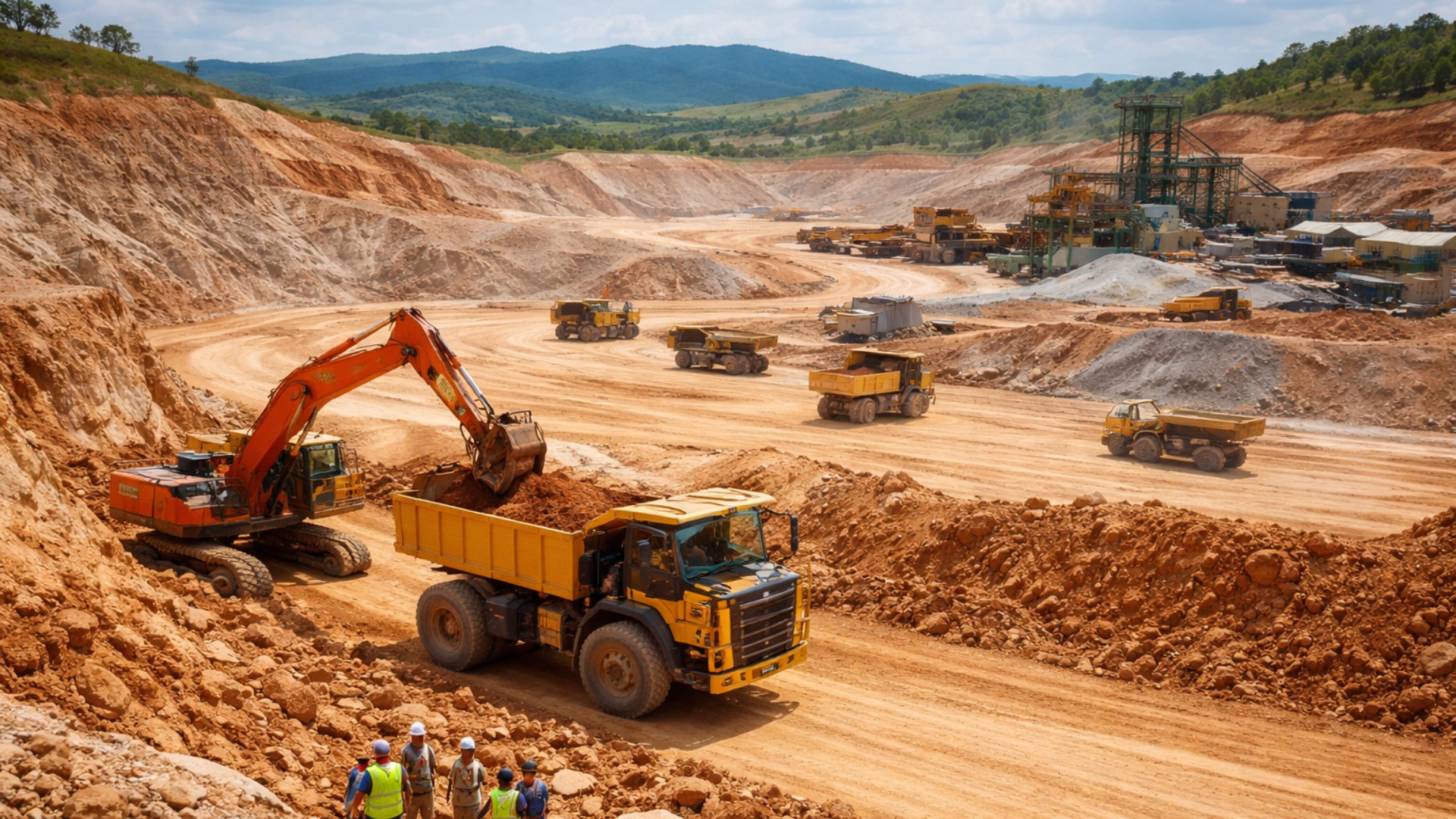
After China, it’s now the turn of the USA to ‘secure’ a share of Brazil’s natural resources: the country buys critical rare earths for R$ 3 billion and enters the center of the global technology dispute.
-
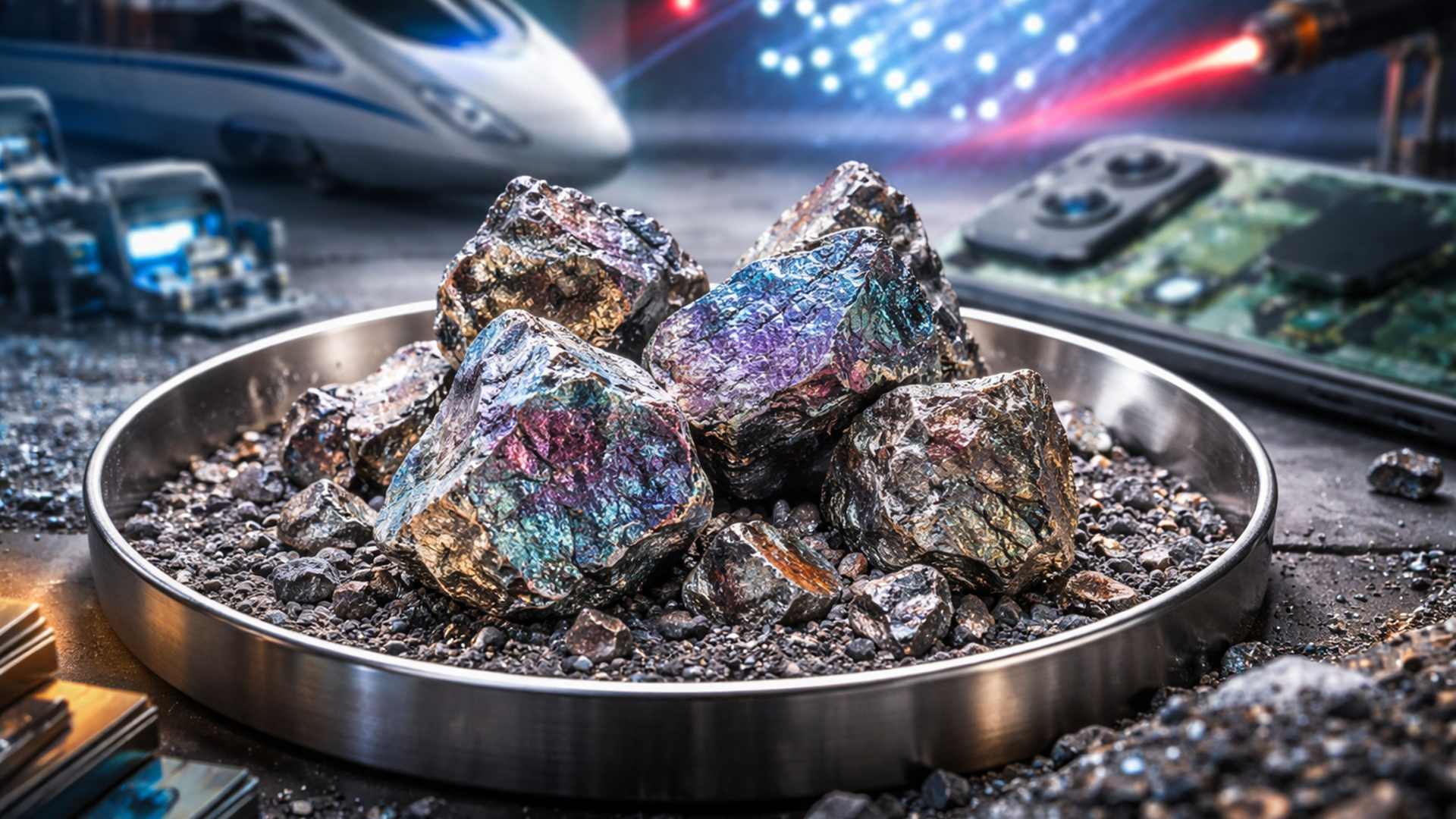
Rare earths are in everything, from cell phones to bullet trains, and what almost no one realizes is why they have become the target of such a delicate global war.
-
Historic bankruptcy of Centauro shocks the market, and the century-old company puts more than 500,000 products, machines, and complete infrastructure up for online auction.

-
Brazil extracts 26.3 million tons of ore from what was previously treated as waste, transforming residues into wealth, producing over 3 million tons of sand, and demonstrating how national mining is relearning to generate value.


“From 2020 to 2021, there was a 44% increase in the amount of illegal gold mining” taking place in Brazil, adds the study, which confirms a similar trend in the first six months of 2022.
High Gold Prices Driving Mining Contribute To Deforestation In The Amazon
High gold prices are fueling the rush for gold in the Brazilian Amazon, where deforestation for gold mining reached a record of 121 km² in 2021, according to the satellite monitoring system of the National Institute for Space Research (INPE).
The study released by UFMG shows that at least 23% of deforestation for mining in the Amazon, a biome considered essential for mitigating climate change, occurs within indigenous reserves, conservation areas, and other legally protected lands.
Miners linked to organized crime are accused of numerous abuses in indigenous communities, including poisoning rivers with mercury used to separate gold from sediments and, at times, deadly attacks on residents of these regions.
The study shows that 98% of illegal gold mining in Brazil is concentrated in three municipalities in northern Pará, primarily affecting indigenous lands of the Kayapó and Munduruku peoples.
Control Over Illegal Gold Mining In Brazil
Together with the increasing international pressure faced by Jair Bolsonaro’s government due to the accelerated destruction of the Amazon, federal prosecutors have filed legal actions to require the government to adopt stricter measures to combat illegal gold mining in Brazil.
Prosecutors estimate that illegal gold mining in Brazil caused socio-environmental losses of 39 billion reais between January 2021 and June 2022, according to the study.
This amount nearly matches the total profit from gold sales during the same period, at 44.6 billion reais. The taxes collected by the government from gold mining represent less than 2% of the value of the losses.
“In the Amazon, we have a loss that is collectivized, socialized while the profits from these operations are concentrated in a few actors,” concludes engineer Bruno Manzolli, the lead author of the UFMG study, to AFP.
Stone Discovered That Can Extract Gold From Discarded Electronics
Discarded electronics can be a gold mine – literally. A study conducted by Chinese researchers from Tsinghua University, the Shenzhen Advanced Technology Institute under the Chinese Academy of Sciences (CAS), and British researchers from the Metal Research Institute under the CAS and the University of Manchester, recently discovered that reduced graphene oxide can extract gold from electronic waste with high efficiency and without the need for other chemicals or energy.
In addition to its superficial uses in jewelry, gold is valued for use in electronic components due to its high electrical conductivity and ease of fabrication. However, electronic devices have a high turnover, and recovering gold and other precious metals is often a complicated, inefficient process that requires chemicals or high heat.
But now, researchers have developed a much simpler method to recover gold from electronic waste. All it takes is a little graphene.
Just 1 gram of graphene is enough to extract more than 95% of the gold in a given sample.








Seja o primeiro a reagir!