





 Portuguese
  English
  Spanish
  3 min of reading
  0 comments


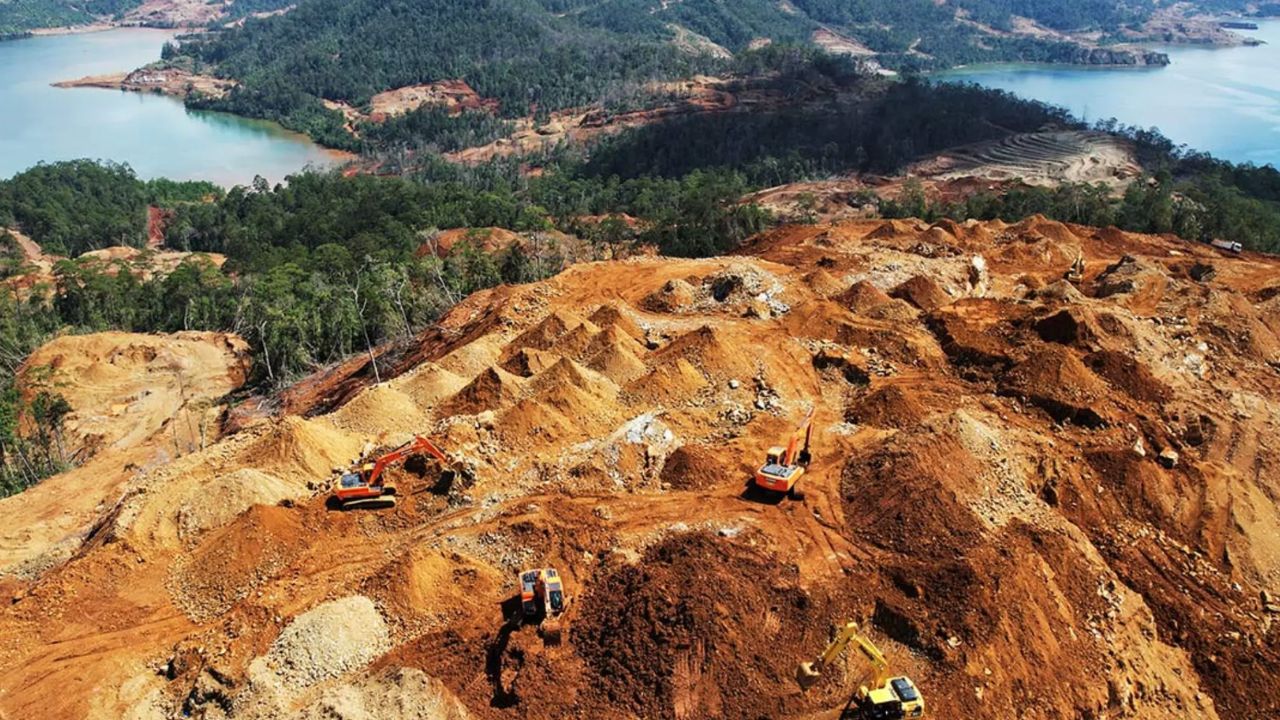
Nickel Mining Is Devastating Forests, Contaminating Oceans, and Putting Communities at Risk as Global Demand Grows by Up to 500%
When we think of Indonesia, the first thing that comes to mind is its paradise beaches and lush forests. But the truth is that behind this postcard image lies a much less glamorous reality. The country is the world’s largest producer of nickel, a rare mineral essential for the battery and electric car industry. With estimated reserves of 21 million tons, Indonesia holds about 22% of the global nickel supply, an impressive figure.
The demand for this mineral has skyrocketed in recent years, driven by the race for more sustainable energy solutions. Electric cars, like those from Tesla, rely heavily on nickel to extend the range of lithium-ion batteries. Just in 2023, nickel exports generated US$ 6.8 billion for the Indonesian economy. But while the world celebrates progress in the energy transition, local communities are paying a very high price.
The Environmental Impact of Nickel Mining
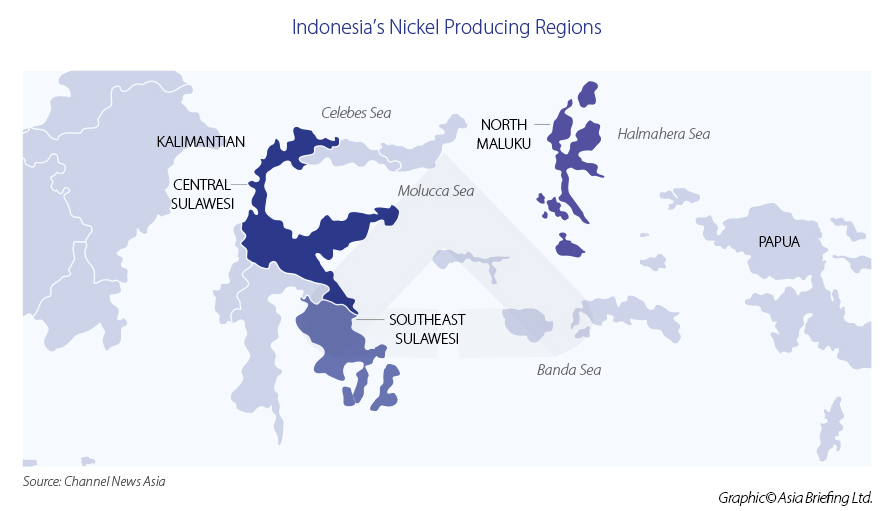
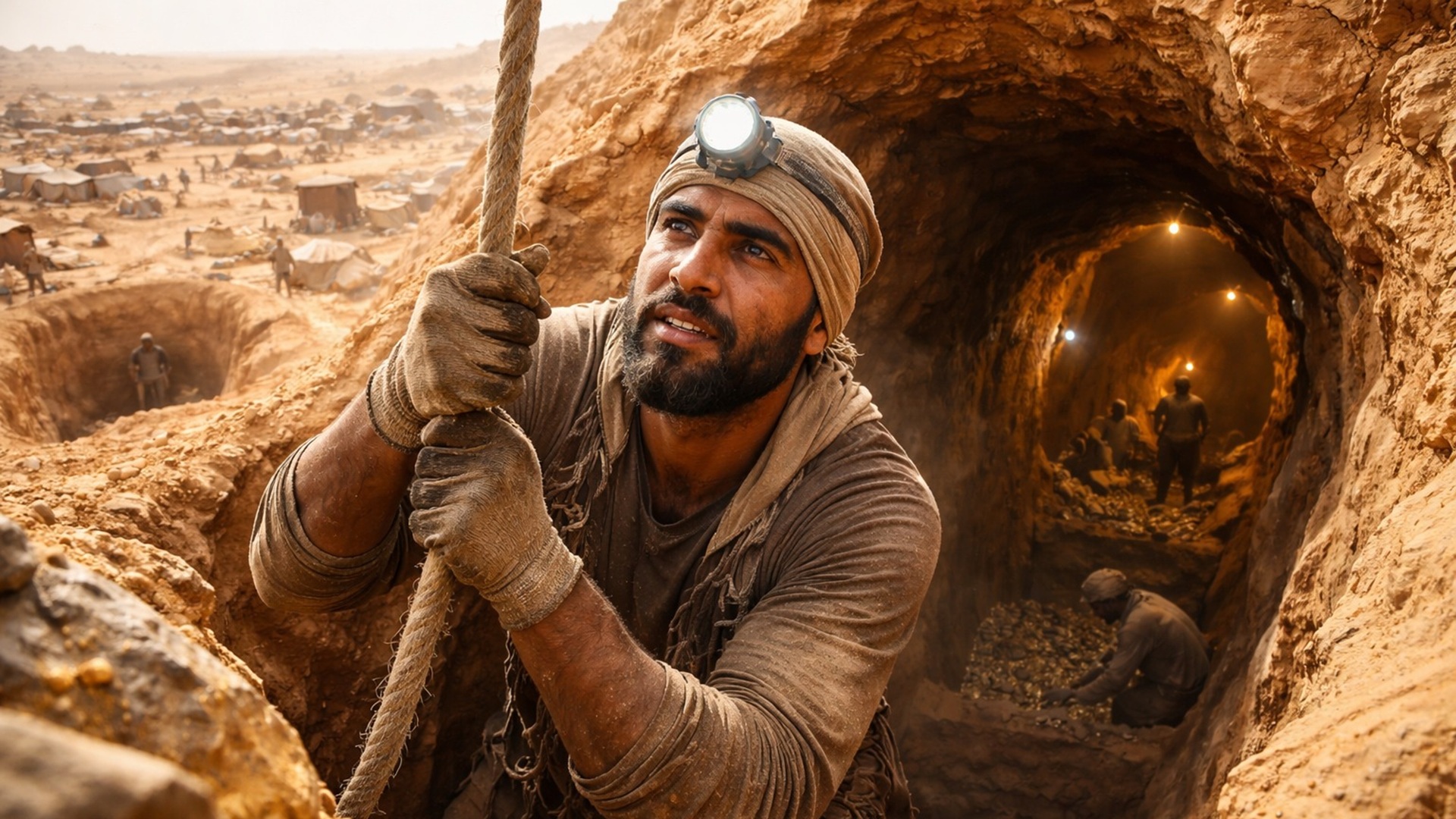
Nickel extraction is leaving deep marks in Indonesia, and they are not just economic. On islands like Sulawesi and Halmahera, where the largest reserves of the rare mineral are concentrated, mining is transforming natural landscapes into true industrial deserts.
-
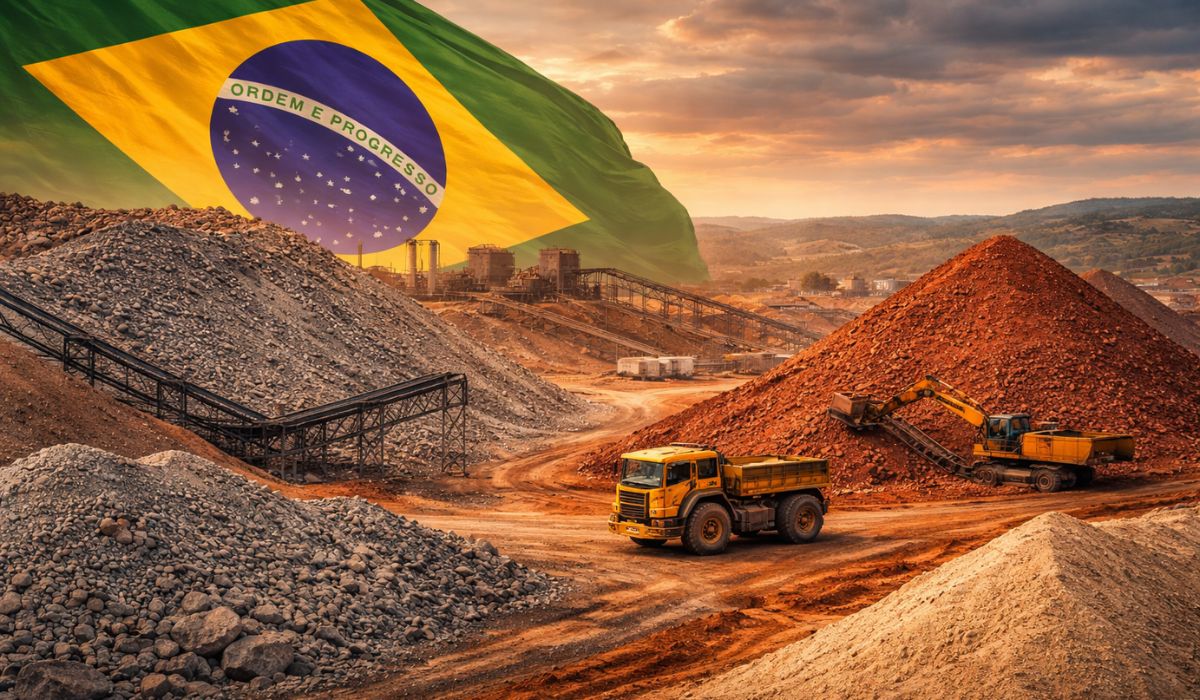
Brazil extracts 26.3 million tons of ore from what was previously treated as waste, transforming residues into wealth, producing over 3 million tons of sand, and demonstrating how national mining is relearning to generate value.
-
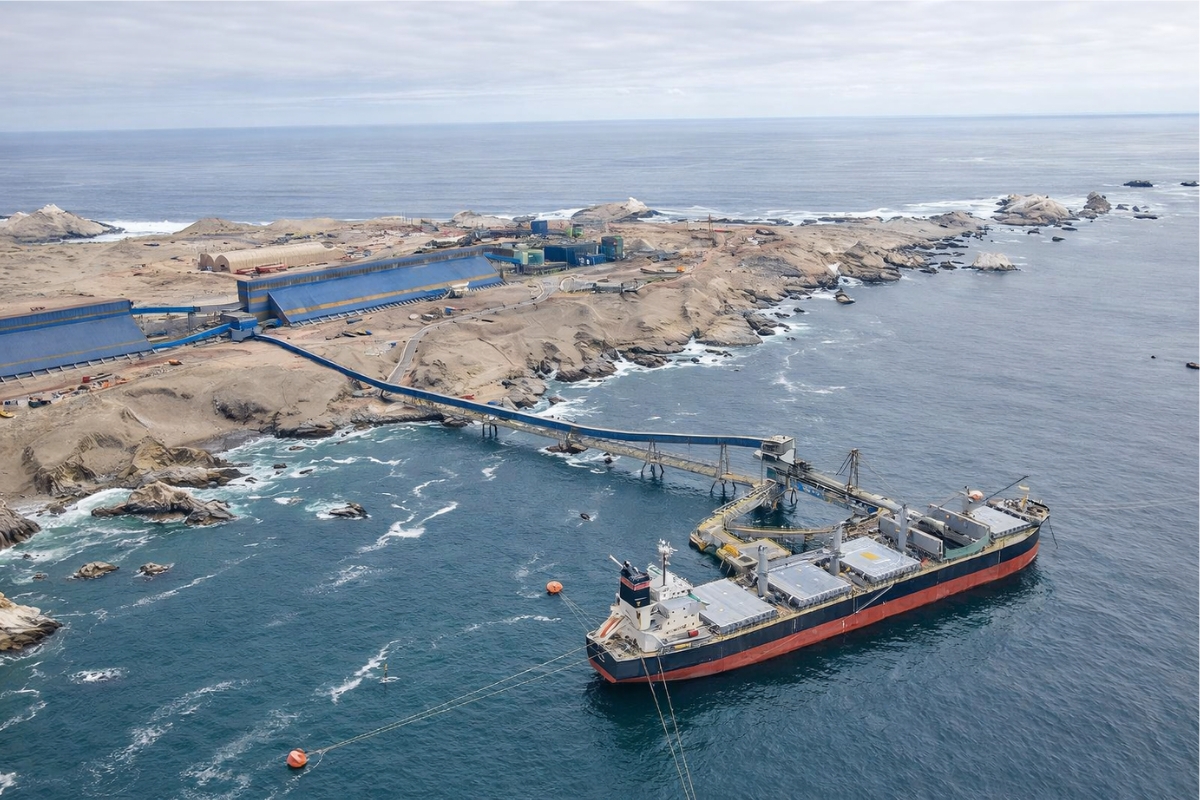
A $3.5 billion megaproject in Latin America pumps desalinated seawater at 1,050 liters per second over 194 km to keep a copper supermine in the Andes operational for another 20 years.
-
A hidden mine in the Andes valued at nearly R$ 1 trillion is starting to attract global attention, containing copper, gold, and silver, and raises an intriguing question: why do Argentina and Chile need to act together to exploit this gigantic wealth?
-
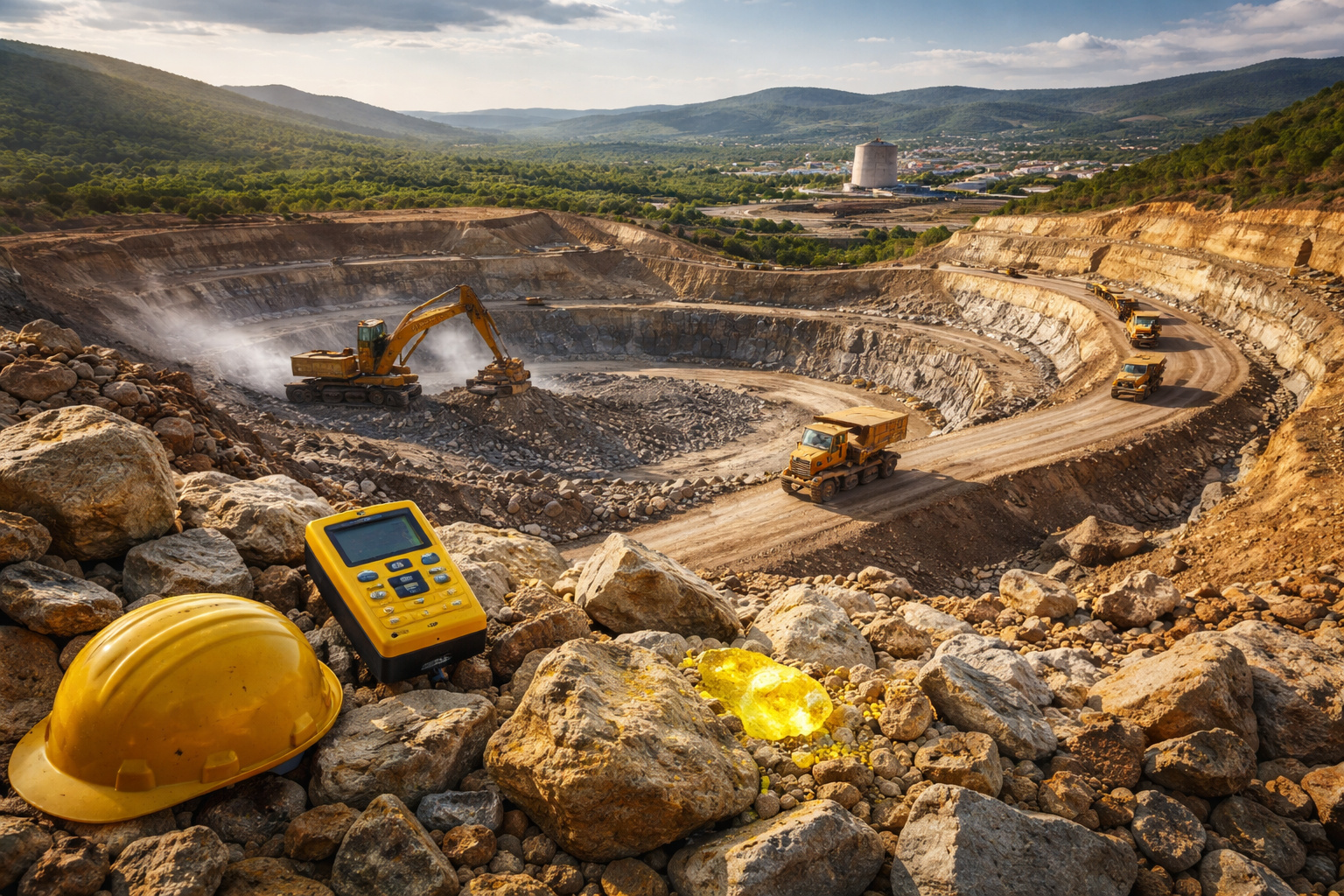
A silent discovery in the interior of Bahia could change the future of energy in Brazil: a uranium reserve in Lagoa Real has an estimated capacity to produce 400 tons per year and is already attracting the attention of energy sector specialists.

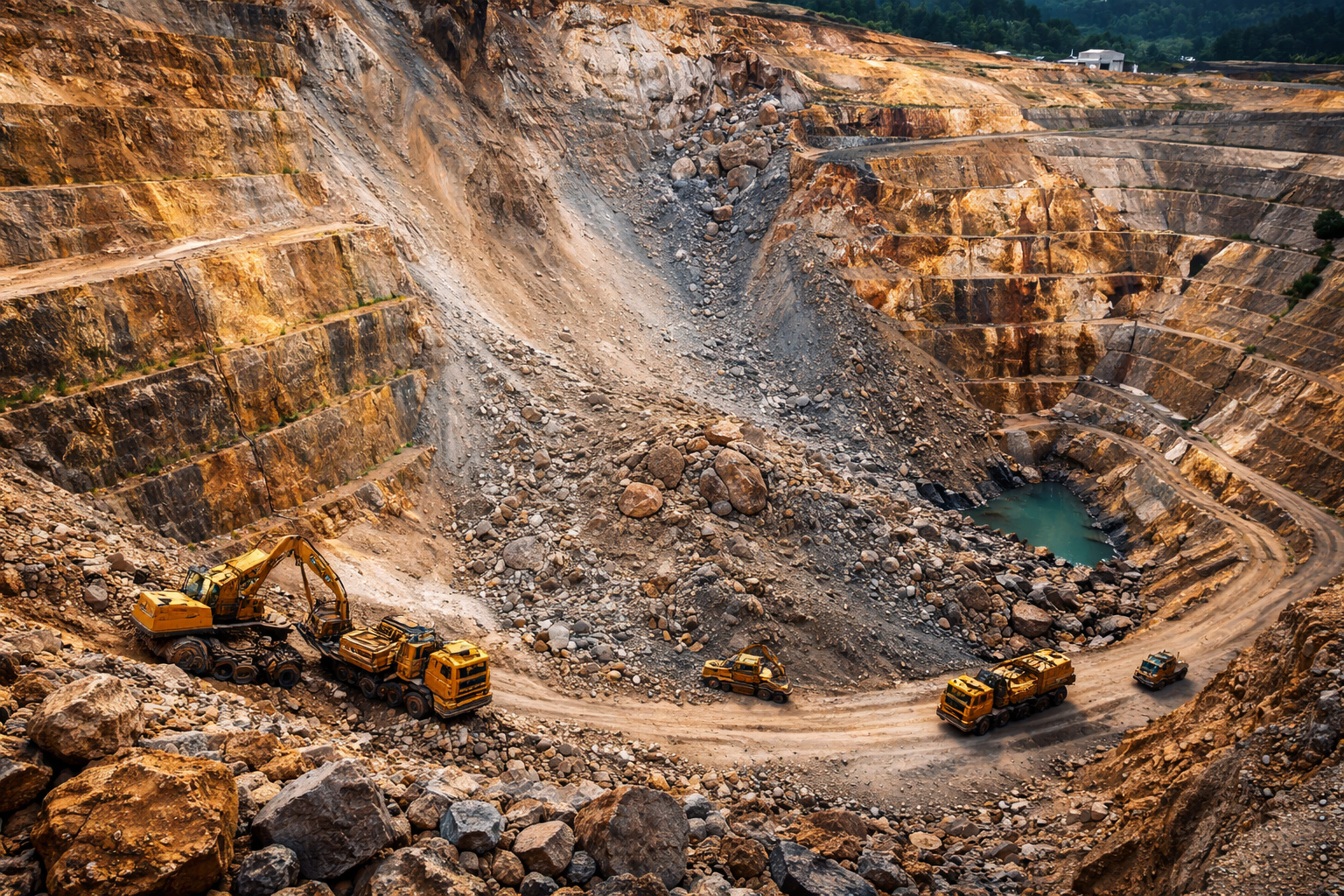
In Kabaena, Sulawesi, 75% of the land has already been cleared for exploration. The result? Water pollution, disappearance of fish, and skin infections among residents. And the worst part: deforestation is advancing at an alarming rate. Two-thirds of the 920,000 hectares designated for mining were covered by forests that housed a rich biodiversity. The removal of these green areas accelerates soil erosion, impacts wildlife, and disrupts the region’s climate balance.
And the problems do not stop there. Mining is also jeopardizing one of the world’s most valuable natural treasures: the marine ecosystems of Raja Ampat. The archipelago is home to one of the highest biodiversities on the planet, but toxic sediments from mines are suffocating coral reefs. Environmental consultant Victor Nikijuluw warns that this contamination not only displaces marine species but also jeopardizes the livelihood of communities that depend on fishing for survival.
The Economic and Environmental Dilemma
Indonesia is at a crossroads. On one side, the country reaps the economic benefits of its strategic position in the global rare minerals market, boosting the economy and generating jobs. On the other side, it sees its nature being destroyed at an alarming pace.
To try to alleviate the situation, the government has announced measures to strengthen mine oversight. In November 2023, it promised reviews of operation licenses to ensure that companies follow more stringent environmental standards. But will this solve the problem? Environmentalists warn that illegal mining and lack of transparency in concessions continue to be giant obstacles.
And the pressure is only increasing on the rare mineral. It is estimated that the global demand for nickel could grow by 500% by 2050. This means more mining, more environmental degradation, and inevitably, more challenges for Indonesia.






-

-

-

5 pessoas reagiram a isso.