


 Portuguese
 Spanish


Report from 10 companies shows funding for infrastructure, health and education in 2025, but the indicators were provided by the mining companies themselves.
Mining companies participating in a survey in Pará, a state in northern Brazil, allocated more than R$1.7 billion to voluntary social investments in 2025, about eight times the R$213 million spent on socio-environmental obligations. The figures, which total about R$2 billion, were presented by the Pará State Mineral Industries Union (Simineral) and show a contrast with the pattern identified among major Brazilian companies.
According to a report published by Brasil Mineral on November 18, 2026, the figures are part of the Santarém Charter, ESG Report 2026: A Portrait of Mining in the Amazon. The document compiles information from 10 companies affiliated with Simineral, using 2025 data, and identifies investments in public infrastructure, health, income generation and education.
Mining companies in Pará spend eight times the required amount on social programs
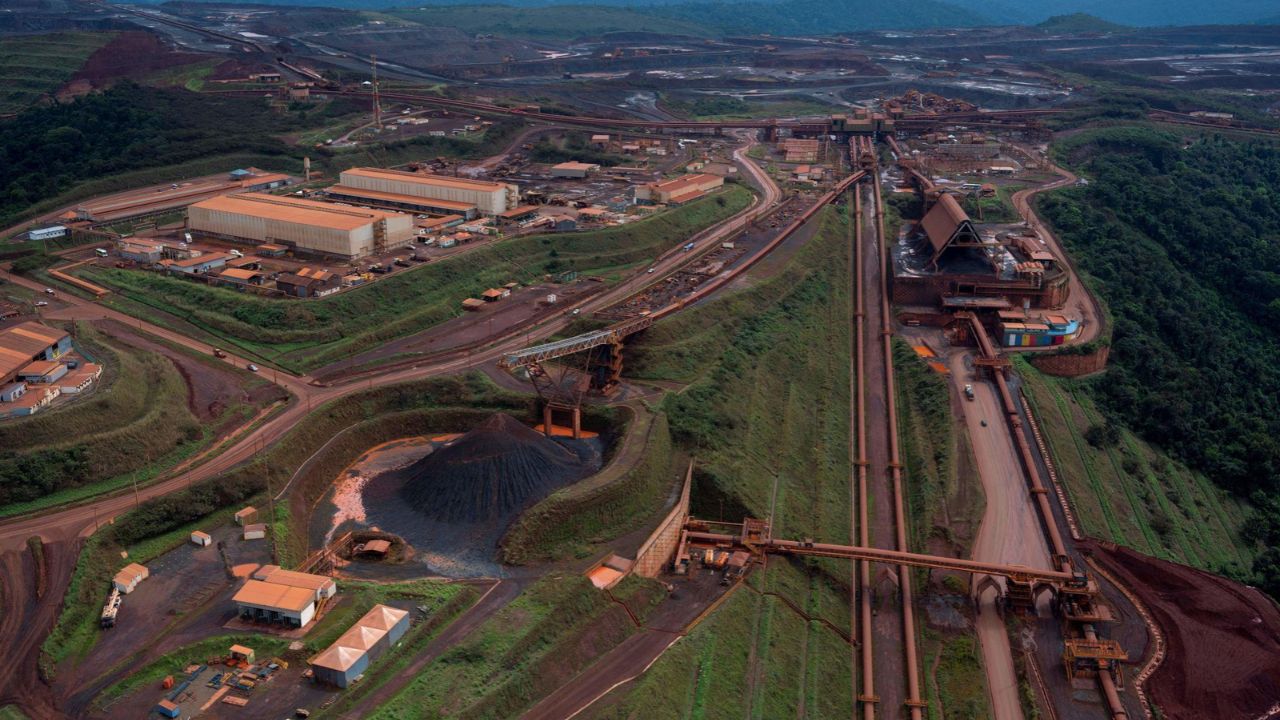
The gap between the two types of investment is the survey’s main finding. While about R$213 million went toward meeting obligations arising from environmental permits and agreements with public authorities, voluntary initiatives totaled more than R$1.7 billion.
-
Aperam Launches Minas Gerais Project to Explore New Uses for Stainless Steel and Cut Industrial Costs

-
Belém Startup Tests Bauxite Tracking at MRN Stockpiles to Preserve Ore’s Origin
-
Irecê Phosphate Project Clears Public Hearing and Awaits R$160 Million Calciner Due in December
-
Resouro moves equipment to Luizão pit and prepares for gold test mining in Mato Grosso, Brazil

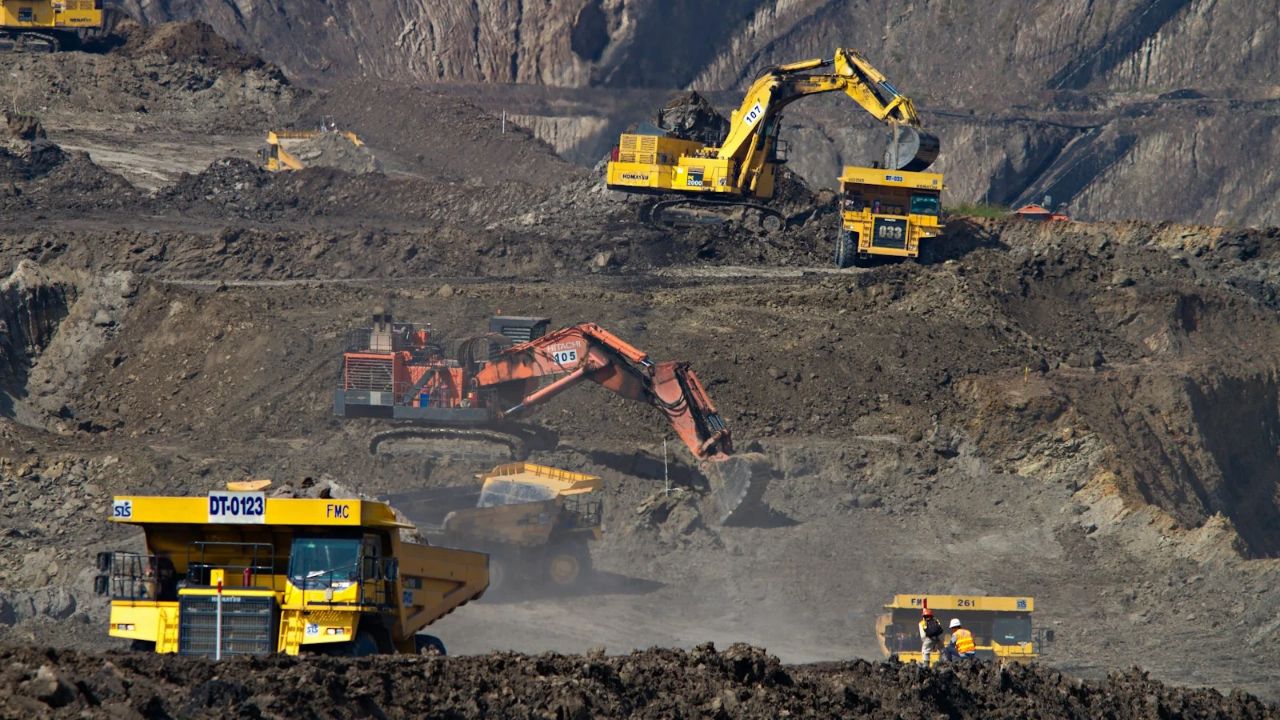

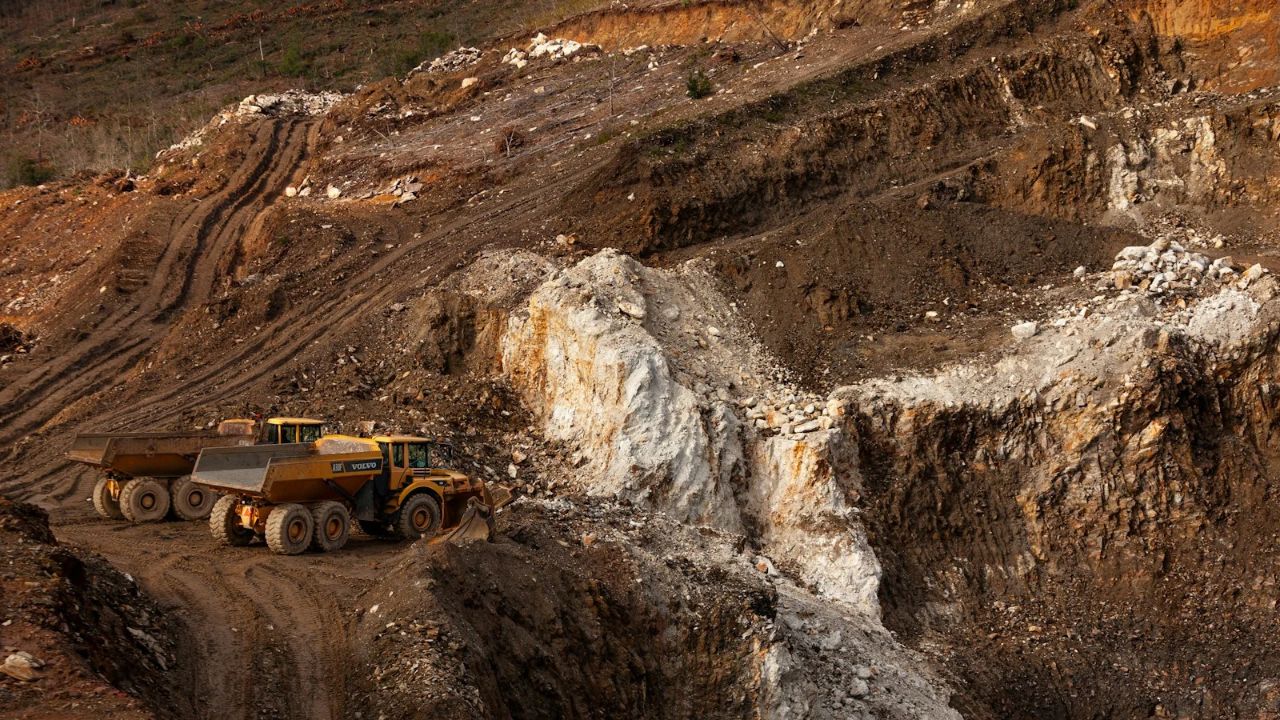
This means that most of the social spending reported by the participating companies was not classified as a legal or regulatory obligation. Voluntary investments cover projects undertaken at companies’ discretion as part of their strategies for engaging with communities and supporting regional development.
The finding contrasts with the pattern identified by the Corporate Social Investment Benchmarking (BISC 2025), a survey produced by Comunitas. Among major Brazilian companies subject to socio-environmental requirements, compulsory investments average nearly twice the amount of voluntary spending.
The comparison, however, requires caution. The Pará figures cover 10 participating mining companies, while the national survey draws on a different corporate sample spanning multiple industries. The eight-to-one ratio therefore does not necessarily represent all mining companies in Brazil.
The state report was officially presented on October 19, 2026. Brasil Mineral’s report in November examined the gap between the two types of investment in greater depth.
Public infrastructure received R$952 million, the largest share of funding
The largest share identified in the survey went to public infrastructure and community services, with R$ 952 million invested in 2025. This category accounted for nearly half of the total social investment reported by participating mining companies.
The funding covered initiatives related to the infrastructure and operation of services for communities. The total, however, does not show how much was invested in each municipality or what share went to a specific project.
Health investments reached R$ 158.8 million, while income-generation projects received R$ 63.9 million. Education accounted for another R$ 43.8 million in Simineral’s published indicators.
These figures show how some of the funding was distributed across different areas. The report’s summary, however, does not provide an independent assessment of how many people saw tangible improvements in health care, learning or income.
The distinction matters because the amount invested in a project does not automatically reflect the benefits it produces. Assessing the results would require specific indicators, such as the number of services provided, the duration of initiatives and follow-up with the communities that benefited.
Pará produced R$ 103 billion in minerals and collected R$ 3.09 billion in royalties
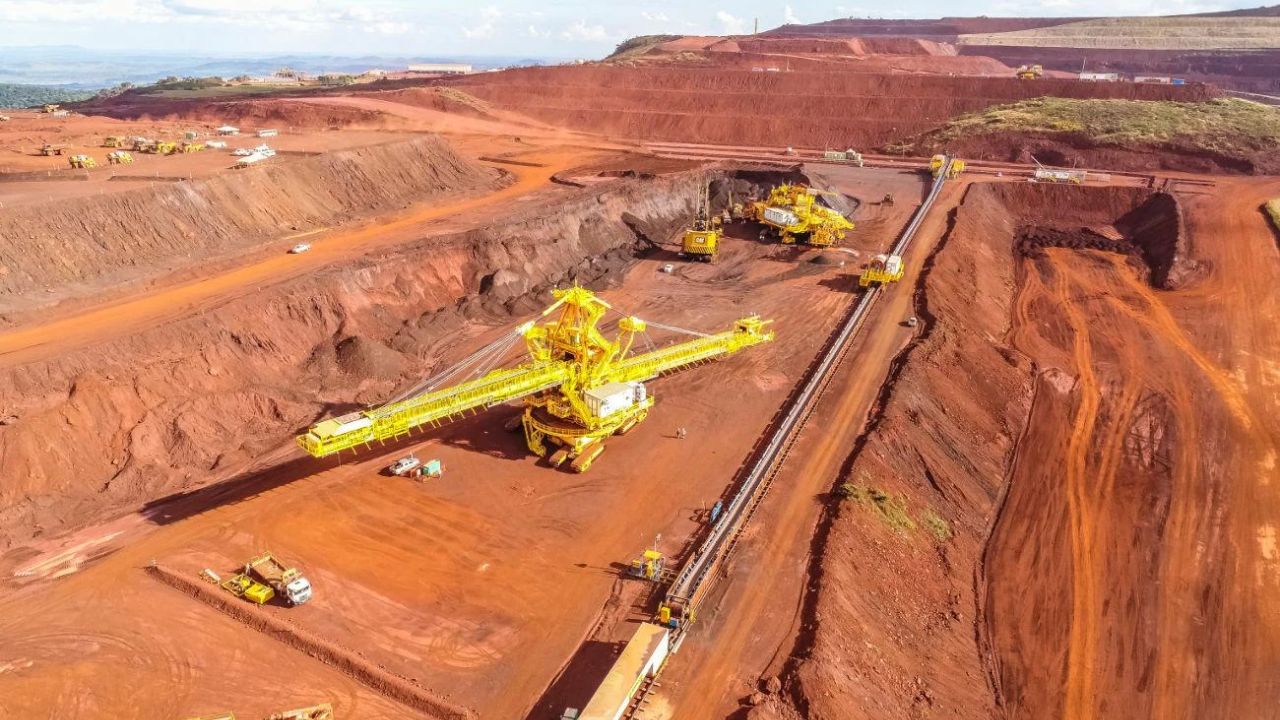
The scale of mining’s economic activity in Pará helps put the social investments in context. The state’s mineral production was estimated at R$ 103 billion in 2025, about 34.5% of Brazil’s mineral revenue, in the Simineral official report.
Production exceeded 300 million metric tons over the same period, equivalent to about 27% of the national total. Mining in the state includes a range of products, with iron ore and copper operations accounting for a significant share.
The state also collected R$ 3.09 billion in Financial Compensation for the Exploitation of Mineral Resources (CFEM), based on National Mining Agency data used in the survey. That amount represented about 39% of Brazil’s total collections from the compensation.
CFEM is public revenue generated by the commercial extraction of mineral resources. The funds are distributed under legal rules and should not be confused with social investments made directly by companies.
The approximately R$ 2 billion in social initiatives amounted to more than 60% of the CFEM collected in Pará. This is a comparison of amounts, not a transfer between the two sources of funding.
The state’s role in the mineral supply chain also features in discussions about copper production in Carajás, where large-scale operations serve industrial markets in Brazil and abroad.
Survey finds about 72% of workers were hired in Pará
Social investments were not the only indicators presented by mining companies. The Santarém Charter also compiled data on hiring and the purchase of goods and services in the state.
According to Simineral, approximately 72% of the participating companies’ employees and contractors were hired in Pará. The survey also found that about half of spending on suppliers went to companies based in the state.
These indicators help measure the region’s participation in mining activities. However, by themselves, they do not show how wages are distributed, the quality of jobs, or how purchases are concentrated among municipalities and suppliers.
Mining also requires infrastructure and logistics to transport large volumes of products. CPG has previously covered infrastructure investments in Marabá, a municipality in southeastern Pará that is part of a region with a strong mining presence.
The ESG report presented employment and purchasing data as part of the economic relationship between mining operations and the areas where they are based.
Report says 75% of water is reused, but indicators were not independently audited

In addition to social investments, the Santarém Charter compiled environmental information from participating companies. The findings include an average water reuse rate of 75% and renewable sources accounting for about 85% of the electricity consumed by the operations covered.
The document also says the companies maintain about 786,000 hectares of protected, conserved, or monitored areas. The union says that amounts to approximately 10 hectares in these categories for every hectare directly affected by mining.
The indicators, however, need to be assessed in light of the methodology’s limitations. The report was compiled using information provided by the companies themselves, supplemented by public databases and corporate documents.
Simineral compiled and analyzed the data but did not independently audit the information presented. This was noted in a report by Revista Amazônia, published on October 21.
The lack of this verification does not, in itself, mean the data are inaccurate. It means the survey should be presented as a set of indicators reported by the companies, not as independent verification of environmental and social results.
Assessing the effects of mining also involves risks and responsibilities that continue after extraction ends. In another report, CPG showed how Jaguar Mining is reusing a mined-out pit in Minas Gerais as part of a project to manage materials and close a mined area.
Upcoming reports are expected to make it possible to compare social investments from one year to the next
The Santarém Charter was created to establish an information baseline that can be tracked in future editions. The initiative grew out of discussions at the 3rd Simineral Technical Congress, held in Santarém in 2025, and brought together companies, public-sector representatives and experts.
In an official statement, the organization’s CEO, Emerson Rocha, said the release of the indicators is intended to increase transparency and make it possible to track practices in the mining sector. The publication is available in Portuguese and English on the Simineral website.
The next edition is included in the association’s plans and is expected to use information from 2026. With a new data series, it will be possible to determine whether voluntary investments remain above mandatory investments and how social and environmental indicators change.