





 Portuguese
  English
  Spanish
  3 min of reading


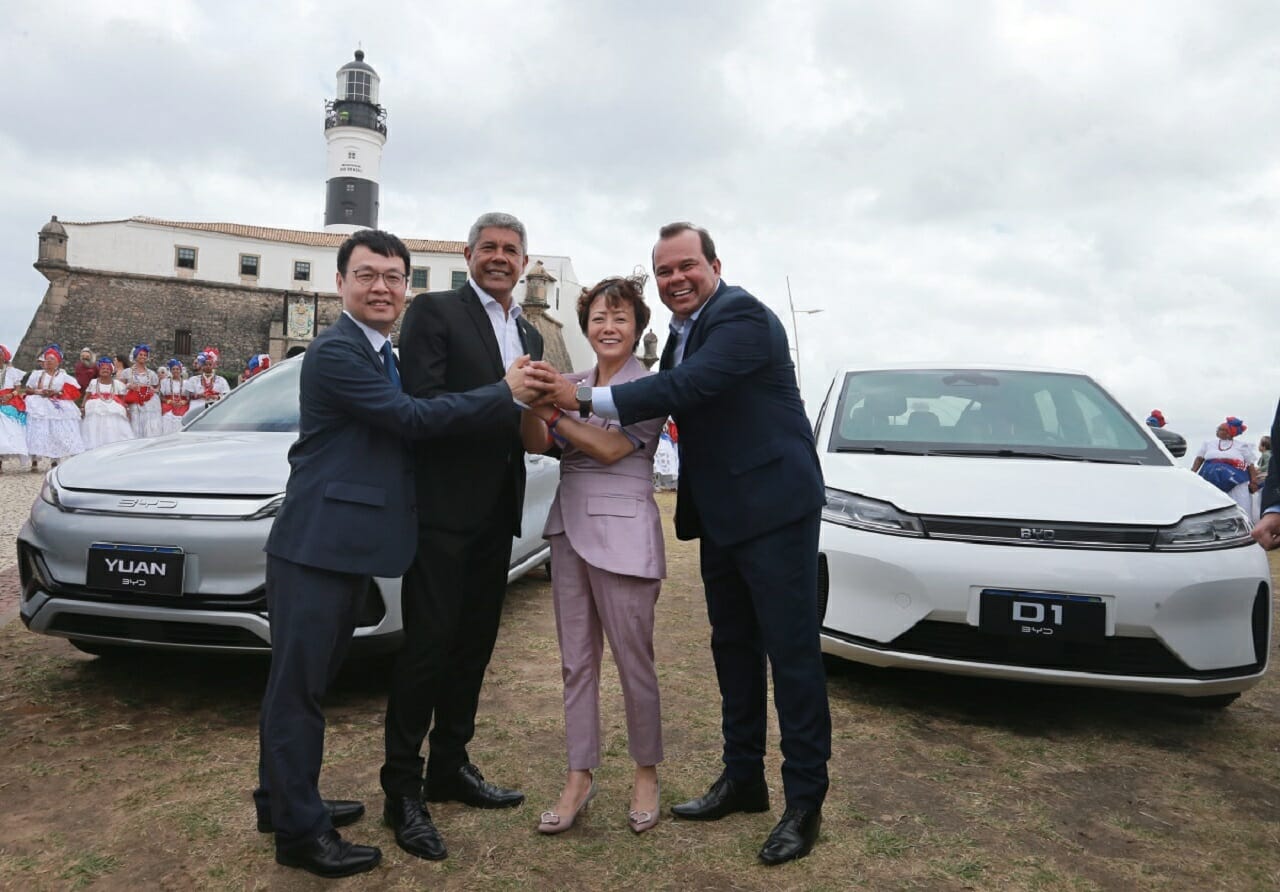
BYD Is Close To Becoming The First Manufacturer To Produce Electric Cars In Brazil. The Manufacturer Already Owns The Cheapest Electric Car In The Country And Wants To Go Further.
The Chinese manufacturer, BYD, will be the first automaker to produce electric cars in Brazil. After months of rumors and unconfirmed data, the company confirmed today (06) that it will install a production line for cars in Bahia. The multinational also announced two other units in the state, one for electric bus and train chassis and another for processing lithium and phosphate, two essential components of batteries.
BYD Will Invest R$ 3 Billion In Electric Cars In Brazil
According to the CEO of BYD Americas, Stella Li, the automaker is bringing its green ecosystem to Bahia and aims to make the state a center for innovation and high technology. The company’s investment will be R$ 3 billion.
The company’s plan is for the facilities in Camaçari to be the manufacturing hub for Latin America, according to Li. The expectation is to start production in the second half of next year. Everything indicates that the multinational will take over a factory in Camaçari that belonged to Ford and has been inactive since 2021; however, no agreement has been reached yet.
-
The car stored for 38 years: when opening the barn door, what appears is breathtaking and looks like a scene from a movie!

-
Fiat works miracles in the Brazilian market, lowers the price of its 0 km hatch to R$ 69,990, reestablishes the model as the cheapest car in the country, and reignites the battle against Kwid and C3.
-
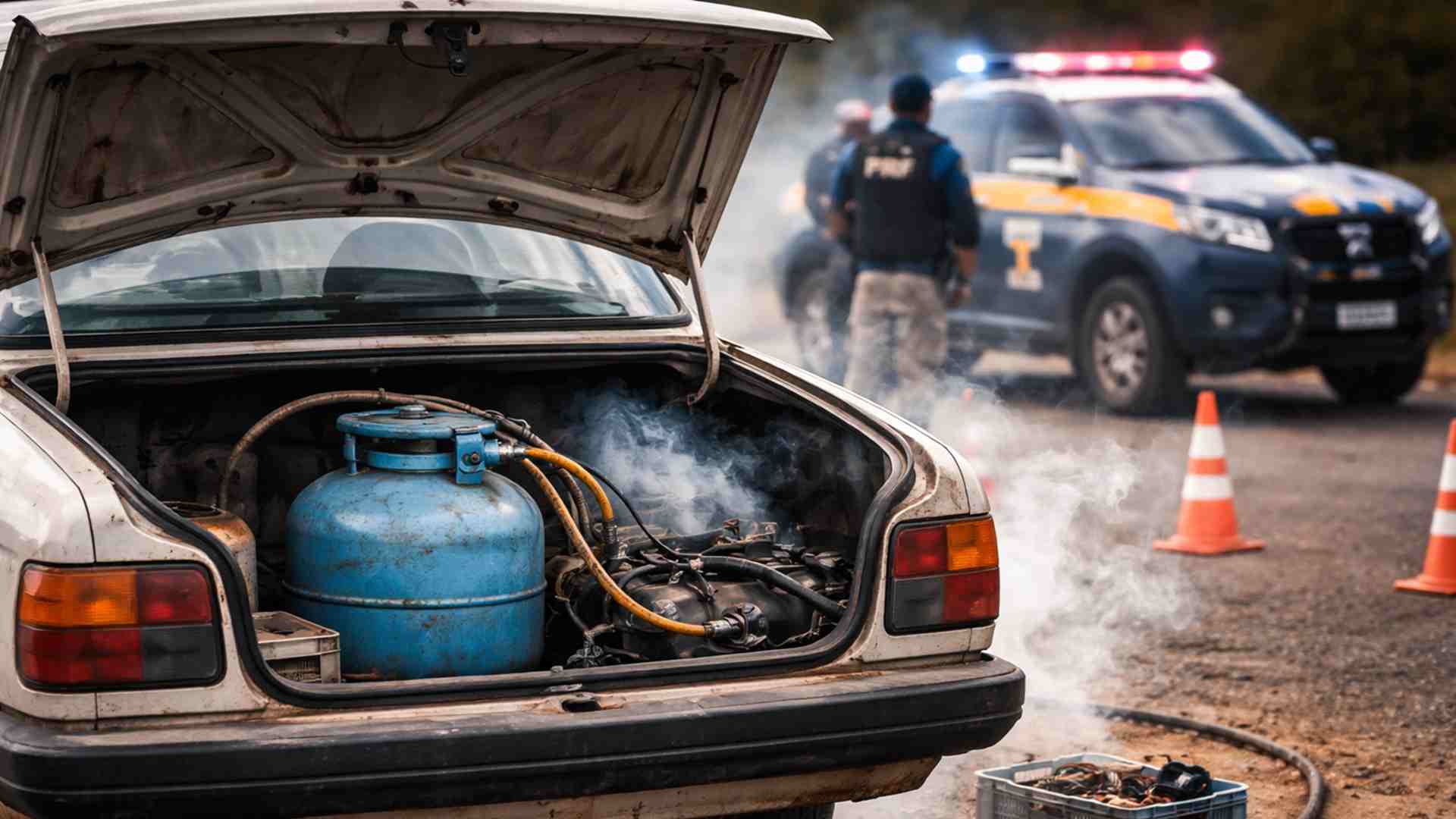
Chevette with cooking gas: How the gas cylinder ends up being used in cars clandestinely and why this makeshift solution can result in leaks, explosions, damaged engines, and seized vehicles.
-
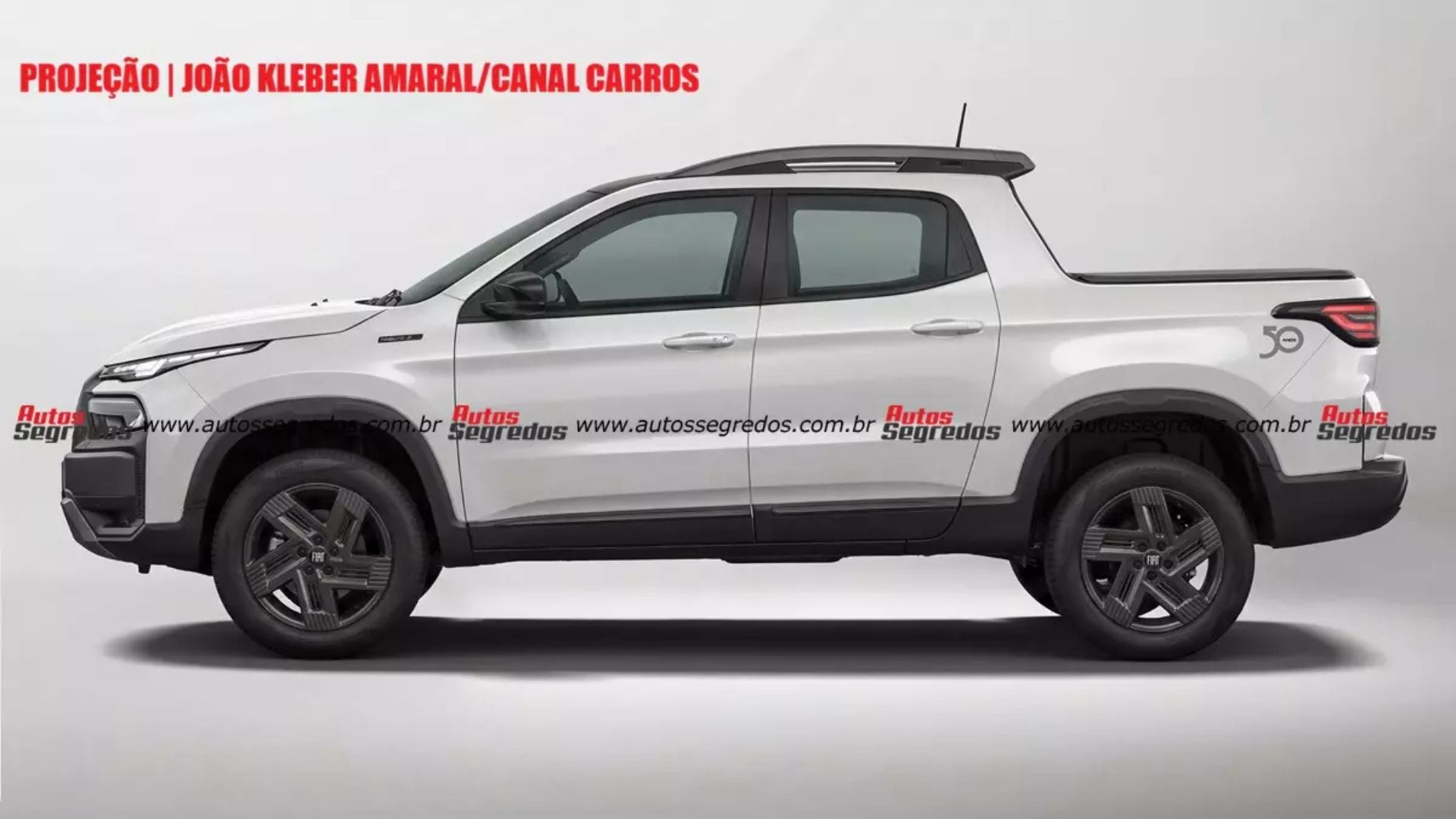
Fiat launches the new 2027 Toro hybrid with 48V, 176 hp, an electric motor of 15.5 hp, a 0.85 kWh battery, up to 7% fuel savings, 8% fewer emissions, and possible exemption from IPVA.

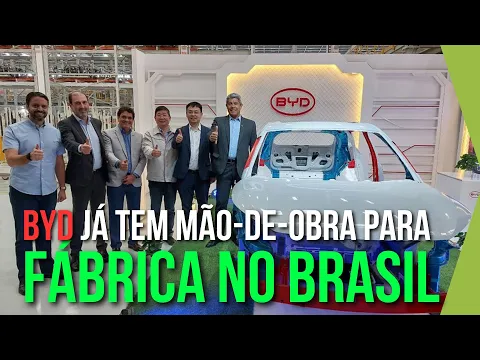

The electric car factory will have the capacity to produce 150,000 units annually in its first phase. This number can double with future expansions. BYD has already stated it will manufacture at least one electric car in Brazil.
The estimate is that it will be a lower-cost model, similar to the Dolphin. According to the announcement made today, hybrid vehicles will also be produced. With the exemptions granted to electric cars in Brazil, the company started selling it for R$ 150,000 in the imported version. In the first four days, more than 1,000 units were sold.
More Than 5,000 Job Openings Available
Applications are being taken at this link. There are openings for professionals from various fields who wish to join the company.
BYD’s R$ 55,000 Electric Car Should Arrive In The Country Soon
BYD already offers three other electric cars in Brazil, along with a plug-in hybrid, all imported. No further details were released regarding the battery materials plant.
The official statement from the multinational only affirms that lithium and phosphate will be processed to meet the demands of the external market. One of the automaker’s plans is to bring to Brazil, as early as 2024, the BYD Seagull, the company’s cheapest model, which currently costs the equivalent of R$ 55,000.
The multinational BYD, a global leader in electric car sales, is about to confirm a new production unit in Salvador. The company’s first electric model, called Dolphin, was launched in the country last week. The electric car is a hatch that costs R$ 149,000 and impresses the market with its built-in technology, featuring internet, video games, voice control, and even karaoke.
The Brazilian Electric Vehicle Market Will Change Completely
The arrival of Chinese companies such as BYD and Great Wall Motors, which will also begin local production, promises to shake up the electric car market in Brazil and the sector’s plans for a transition to low-emission vehicles.
Both established automakers and the government are betting on the technology of traditional flex hybrid cars. They cannot be refueled with electric energy, their batteries are small and are only charged during braking or by the combustion engine itself.
There are two main reasons for this gradual transition. The first is the dominance of ethanol technology and the extensive distribution network of this biofuel in the country. The second is the cost of batteries. They are the most expensive component of an electric car and must be imported to Brazil.








Seja o primeiro a reagir!