





 Portuguese
  English
  Spanish
  6 min of reading
  2 comments





Happiest Country in the World Expands Immigration Incentives, Offers High Net Salaries, Reduced Working Hours and Quality of Life, Driving New Wave of Brazilians to Technology, Gaming and Cybersecurity Areas
Finland has intensified immigration policies to address the lack of workers, offering net salaries of up to R$ 16,000, average working hours of 7.5 hours and a high standard of quality of life, attracting Brazilians to strategic sectors, especially technology and gaming, according to a report presented by Domingo Espetacular.
The new migratory wave involves skilled professionals seeking a balance between personal life and work, economic stability, and integration into a country repeatedly classified as the happiest in the world in international rankings based on social well-being and institutional trust.
With approximately 5.6 million inhabitants, Finland faces rapid population aging and low birth rates, a scenario that reduces the active workforce and threatens the sustainability of the pension system and public services.
-
IPTU exemption for seniors in 2026: see how to secure the benefit.

-
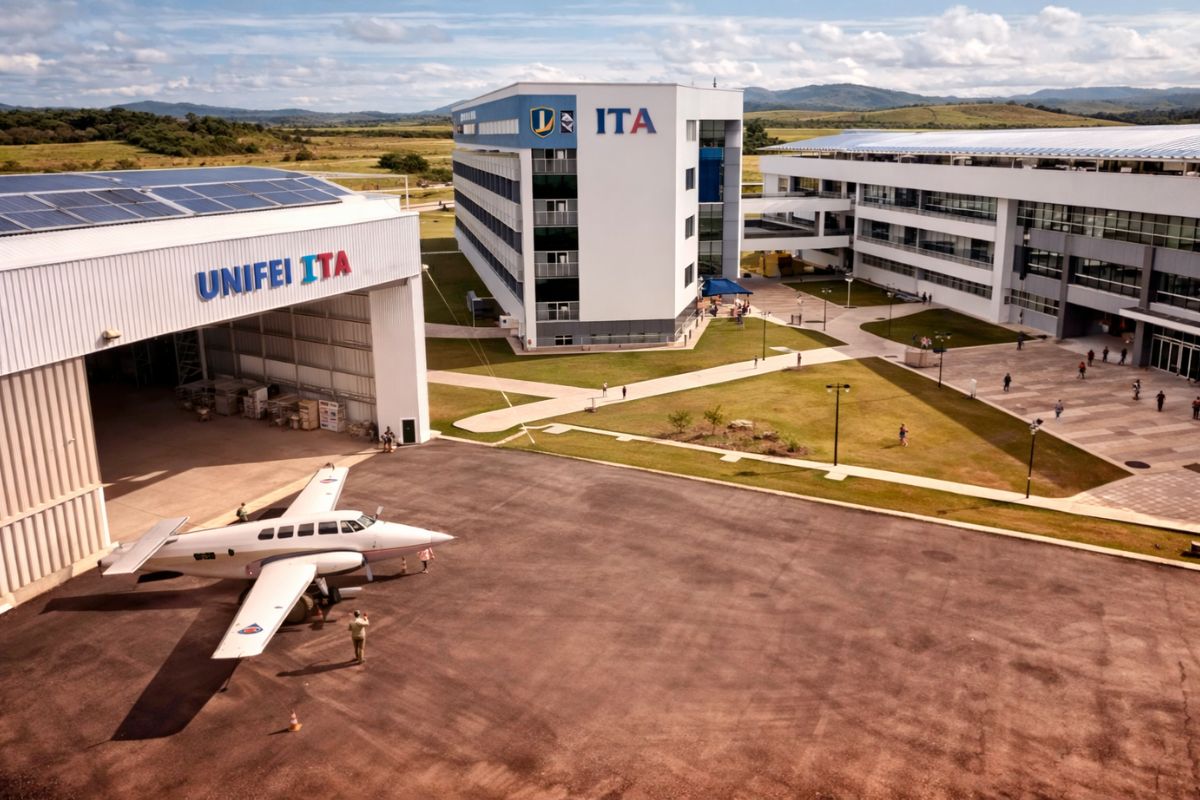
The institute that trained the greatest aerospace engineers in Brazil has just opened its first campus outside São Paulo after 75 years: ITA Ceará will have R$ 445 million, new courses in energy and systems, and classes are expected to start in 2027.
-
Luciano Hang, owner of Havan, goes to Juiz de Fora after the tragedy in February, brings R$ 1 million, hands out R$ 2,000 cards, and donates up to R$ 15,000 to victims in the region.

-
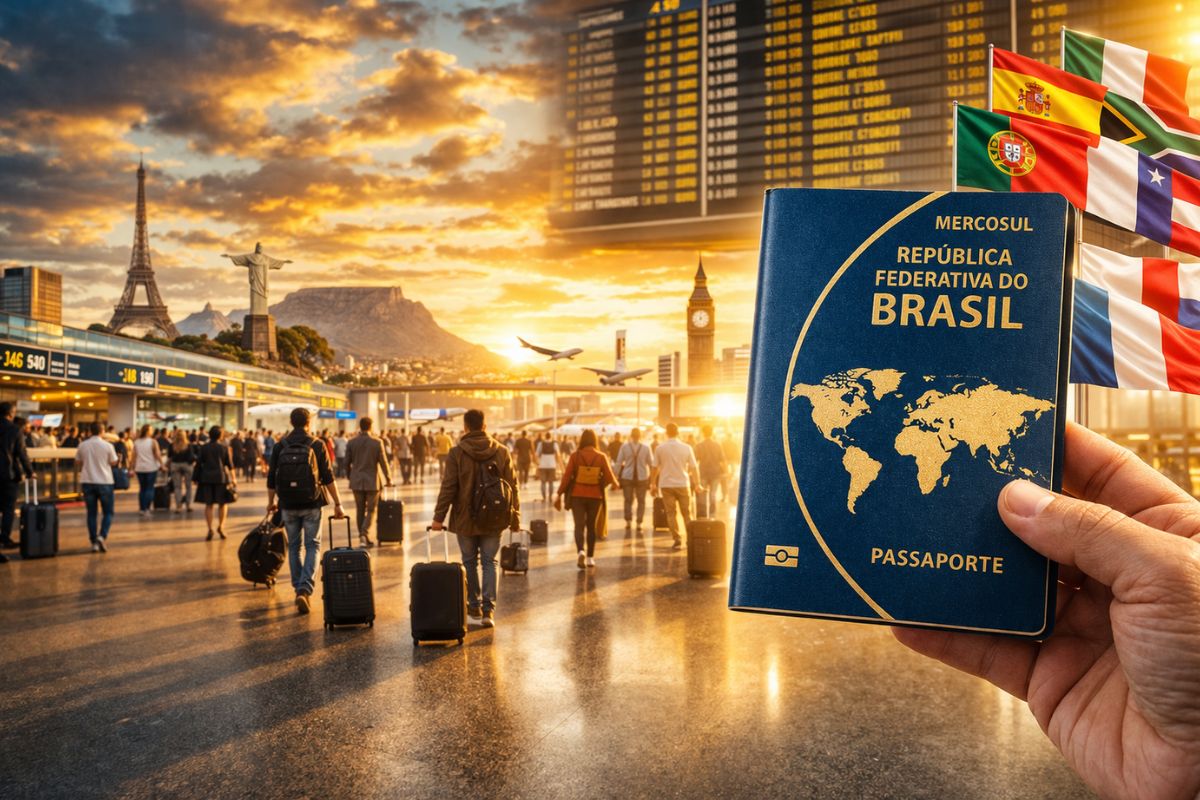
The Brazilian passport allows legal residence in dozens of countries without the need for a prior visa, and most Brazilians are unaware that they can apply for residency directly upon arriving in nations in South America, Africa, and even Europe.

Without immigration, official projections indicate population decline in the coming decades, leading the government to treat the attraction of foreigners as a structural policy, rather than a short-term temporary measure.
Government Adopts Active Strategy to Attract Skilled Professionals
The immigration policy has begun to be conducted in a coordinated manner among ministries, development agencies, and private companies, focusing on expediting visas, reducing bureaucracy, and facilitating the integration of foreign professionals.
According to the government agency Business Finland, Brazilians are valued for their technical skills, communication ability, and creativity, in addition to bringing cultural diversity to highly internationalized teams.
Office in São Paulo Connects Finland with Brazilian Professionals
To expand the reach of the strategy, Finland has opened an office in São Paulo dedicated to guiding candidates who already have job offers, explaining legal processes, visas, and relocation requirements.
The local presence reduces uncertainties, accelerates hiring, and reinforces Brazil as one of the main talent source markets, especially in the areas of information technology, digital economy, and innovation.
Technology, Gaming, and Innovation Drive Higher Demand for Foreigners
The sectors that recruit the most international professionals include software development, artificial intelligence, cybersecurity, gaming, and advanced digital solutions, areas in which Finland seeks to maintain global competitiveness.
Finnish companies compete for talent with other European hubs and offer less hierarchical work environments, a focus on results, and professional autonomy, characteristics frequently cited by Brazilians who have migrated.
Reports Indicate Positive Adaptation Despite Initial Shock
A Brazilian digital game designer reported moving after her husband secured a position at a local studio, highlighting progressive adaptation to the country, despite the initial impact caused by the climate and cultural differences.
The professional stated that job stability and predictability of routine compensated for initial challenges, especially compared to previous experiences in the Brazilian market.
Reduced Working Hours and Higher Salaries Drive Migration Decisions
Reports from Brazilians indicate average daily working hours of 7.5, contrasting with routines of up to 12 or 14 hours in Brazil, along with greater respect for schedules and rest periods.
In the gaming and technology sector, monthly net salaries can reach around R$ 16,000 for senior professionals, compared to values between R$ 5,000 and R$ 6,000 in the Brazilian market, even after deductions.
Purchasing Power and Cost of Living Factor into Relocation Decisions
Despite high salaries, Finland has a high cost of living, especially in Helsinki, where rent and food account for a significant portion of monthly income.
Conversely, high taxes fund extensive public services, such as universal healthcare, free education, efficient transportation, and security, reducing recurring private expenses and increasing real purchasing power.
Social Welfare System Supports High Quality of Life
The Finnish welfare model guarantees universal access to healthcare, education from childhood to higher education, and a wide social safety net, including for legalized immigrants.
Long parental leaves, childhood support, and work-family reconciliation policies are treated as pillars of economic and social development, not as optional benefits.
Language Is Not an Initial Barrier for Technology Professionals
Although Finnish is an official language, English is widely used in international companies, particularly in the technology, gaming, and digital innovation sectors.
Language courses are offered for free or with state subsidies, facilitating gradual integration, while mastery of Finnish becomes a requirement only for certain public jobs or local service roles.
Extreme Climate Requires Physical Adaptation and Changes in Routine
The harsh winter is cited as the main challenge by Brazilians, with prolonged negative temperatures and a significant reduction in sunlight hours during several months of the year.
To mitigate effects, residents adopt vitamin D supplementation, adjustments in sleep patterns, and more structured routines, while homes feature advanced thermal insulation and controlled ventilation.
Houses and apartments have sealed double-glazed windows and efficient heating systems, as directly opening windows can compromise the thermal balance of the environment.
Cities maintain functional public transport even under heavy snow, ensuring regular mobility and predictability in daily commutes, a factor cited as a differentiator by immigrants.
Opportunities Extend Beyond Technology and Gaming
While technology leads in demand, there is a shortage of professionals in engineering, health, nursing, clean energy, advanced industry, and logistics, broadening the range of opportunities for foreigners.
The government is also seeking researchers, technical teachers, and sustainability specialists, areas aligned with the country’s environmental and industrial goals.
The majority of professionals migrate with a work visa linked to a formal contract, with review timelines varying depending on the area and urgency of hiring.
The system allows for family reunification and, after a certain period of legal residence and contribution, access to permanent residency and, eventually, citizenship.
Comparison with Brazil Highlights Structural Contrast
Brazilians cite greater institutional predictability, high public safety, and career stability as decisive factors, in addition to the clear separation between work time and personal life.
The contrast with long working hours, economic instability, and urban insecurity in Brazil repeatedly appears in reports, without the need to adapt to multiple jobs.
Helsinki Concentrates Job Offers, but Other Cities Are Gaining Ground
The capital hosts startups, multinationals, universities, and research centers, concentrating a significant portion of initial job offers for foreigners.
Mid-sized cities are also expanding hiring, offering a lower cost of living and similar quality of life, a trend that has been consolidating outside the major centers.
The Finnish society is described as reserved, with direct and less informal professional relationships, which can create an initial sense of social distance.
Over time, immigrants report building support networks, especially through work, language courses, and outdoor activities, common during the summer.
Short and Intense Summer Balances Climate Experience
During the summer, the sun can remain visible until 11 PM, favoring outdoor activities, leisure, and contact with nature, aspects valued by Brazilians.
Parks, lakes, and urban beaches are widely used, even after work hours, reinforcing the culture of well-being and enjoyment of free time.
Quality of Life Includes Safety and Access to Nature
Low crime rates, clean cities, and proximity to green areas are cited as differentiators, even in dense urban regions.
A 26-year-old Brazilian who works in cybersecurity reported practicing yoga outdoors after work, using nearby urban beaches in Helsinki.
Immigration Policy Is Treated as a Future Strategy
The Finnish government projects a continuous need for immigrants until at least 2035, given the maintenance of current demographic trends.
Immigration has begun to be viewed as a pillar of economic competitiveness, innovation, and social sustainability, consolidating the country as a strategic destination for qualified professionals.
The combination of higher salaries, reduced working hours, robust public services, and institutional stability positions Finland as a concrete alternative for Brazilians seeking better work and life conditions.
The migratory movement is expected to grow, driven by active policies, structural demand for labor, and the perception that personal balance and career can go together in an already consolidated social model.
Source: Domingo Espetacular – RECORD







Pesquisei no Google e não encontrei o nome deste escritório em são Paulo.
Poderiam editar a matéria e colocar ao menos o nome por gentileza
cade o contato do escritório em São Paulo? lero lero é mato. propaganda enganosa.