





 Português
  Inglês
  Espanhol
 5 min de leitura
  0 comentários


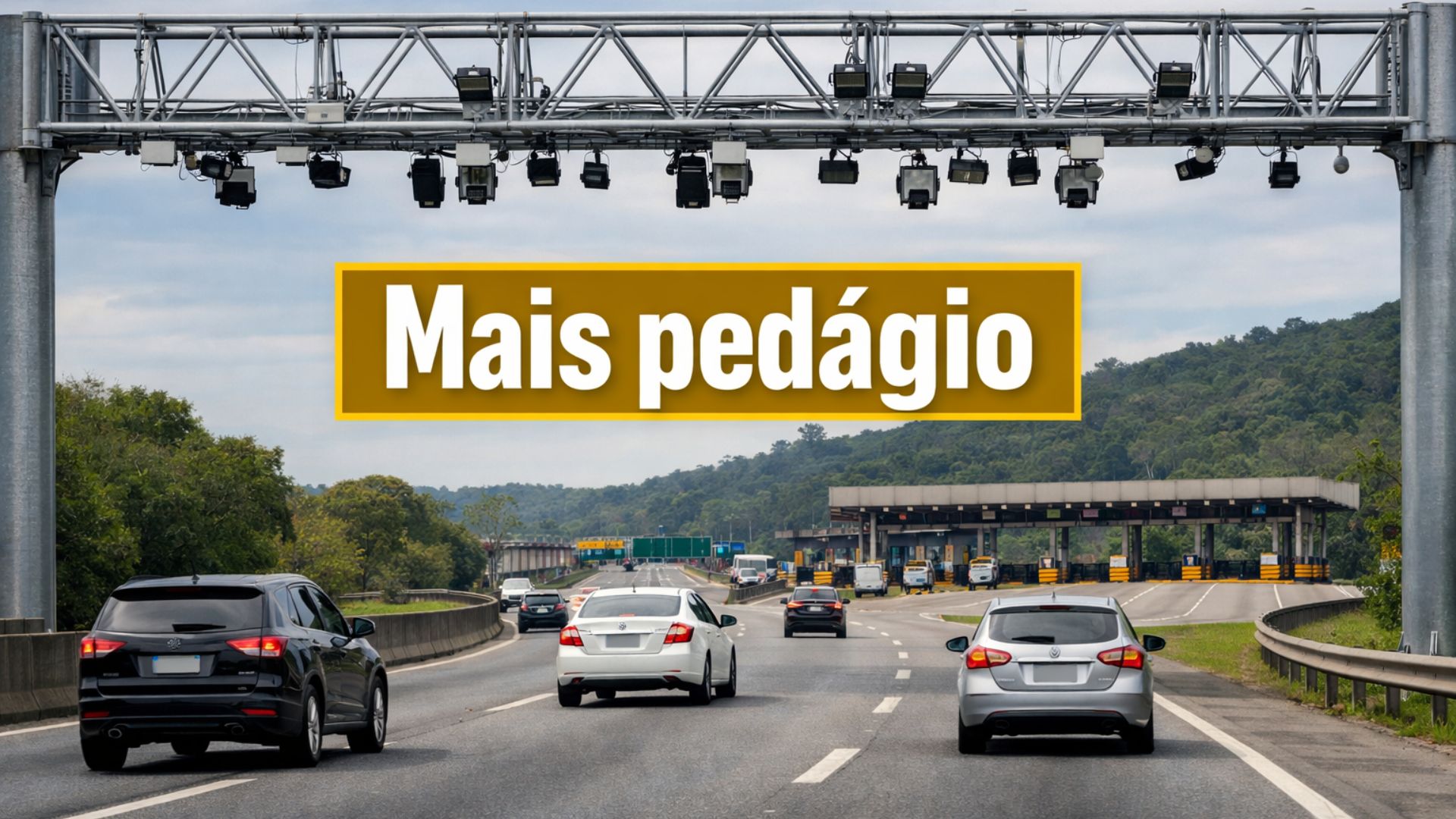
Change in the mountain toll alters charging, eliminates toll booths, and redistributes tariffs between going and returning, while the government bets on technology to reduce lines and improve flow in one of the main highway corridors of the country, linking the capital of São Paulo to the coast.
The Anchieta-Imigrantes System has begun the implementation of electronic tolls without barriers, known as free flow, with the promise of changing the charging in the main corridor between the capital of São Paulo and the Baixada Santista.
According to the model announced by the government of São Paulo and the concessionaire Ecovias, the toll for passenger cars will no longer be concentrated only on the descent and will be divided between both directions, at R$ 19.35 per passage used, provided that the system receives final authorization to start operating.
Currently, the charge for automobiles is concentrated at a single physical point and costs R$ 38.70 on the route towards the coast.
-
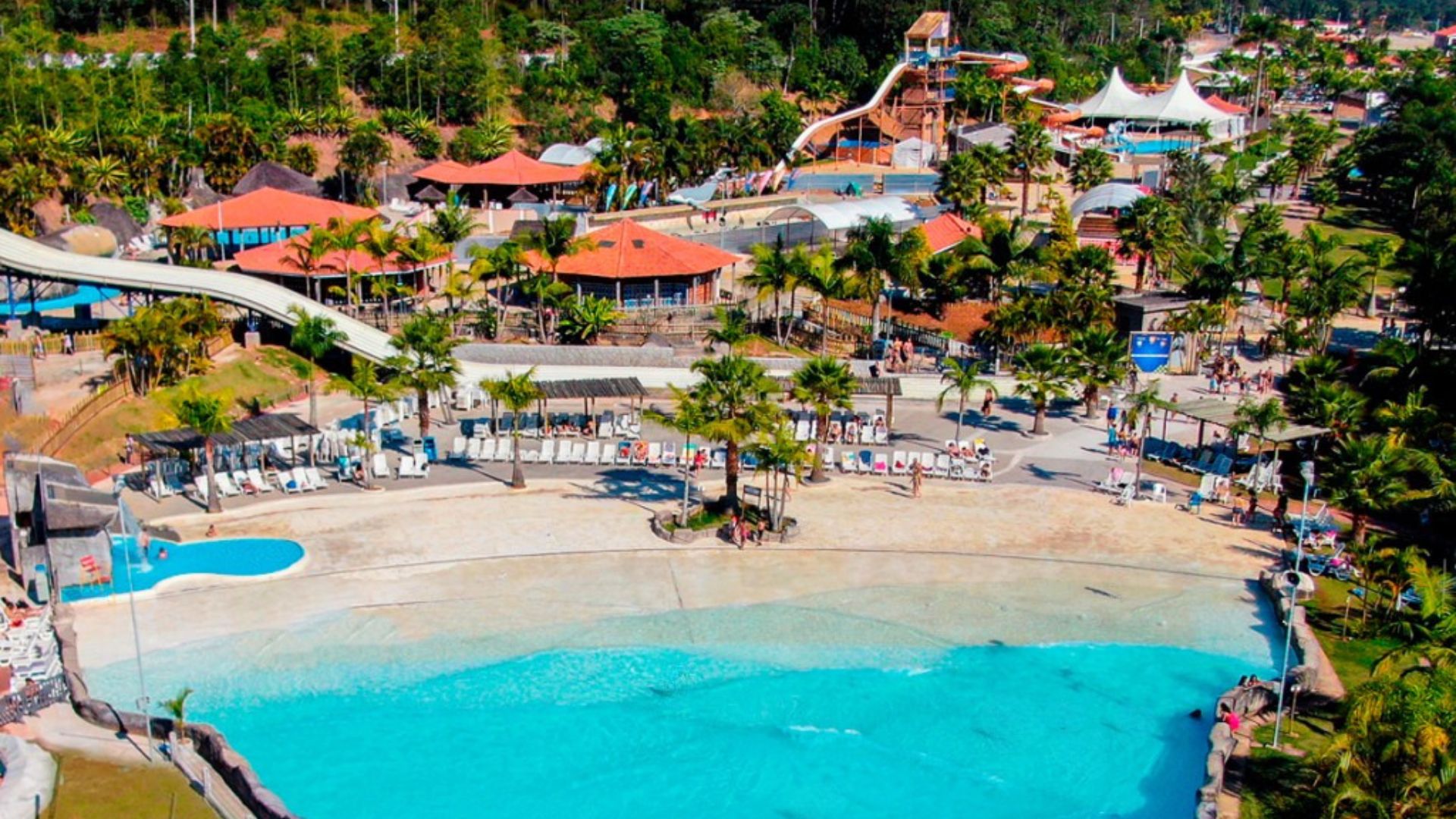
A Brazilian city has a water park in the middle of the forest with tickets priced at R$ 29, over 300,000 m², 40 attractions, heated pools, and a record of 700,000 visitors in one year.
-
With an unusual prize, Japan transforms office chairs into a resistance race on the streets, ISU-1 Grand Prix grows, fills stages, and pays 90 kilograms of rice.

-
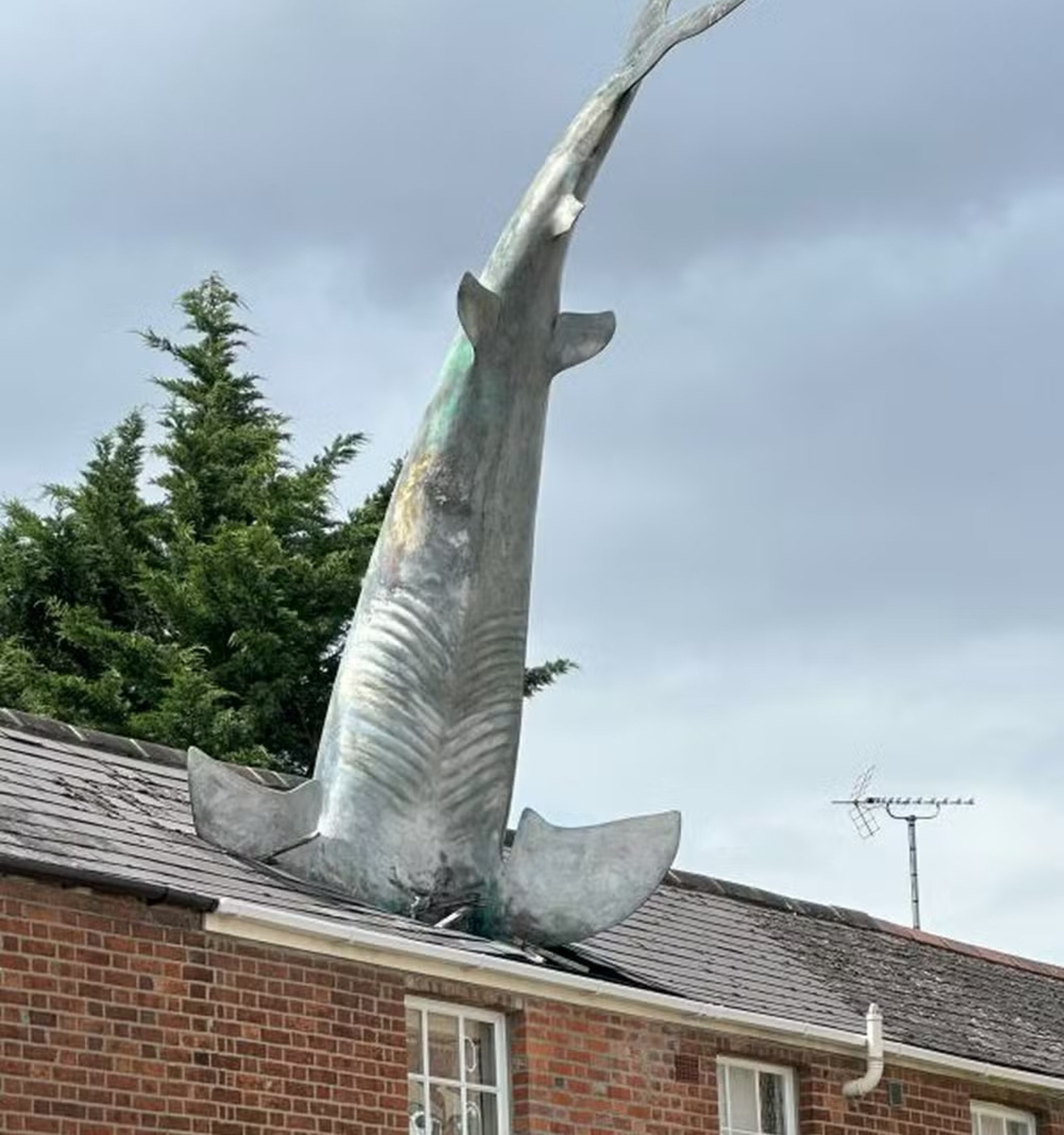
House in England with a 7.6-meter shark embedded in the roof attracts attention worldwide and becomes a curious attraction in Oxford.
-
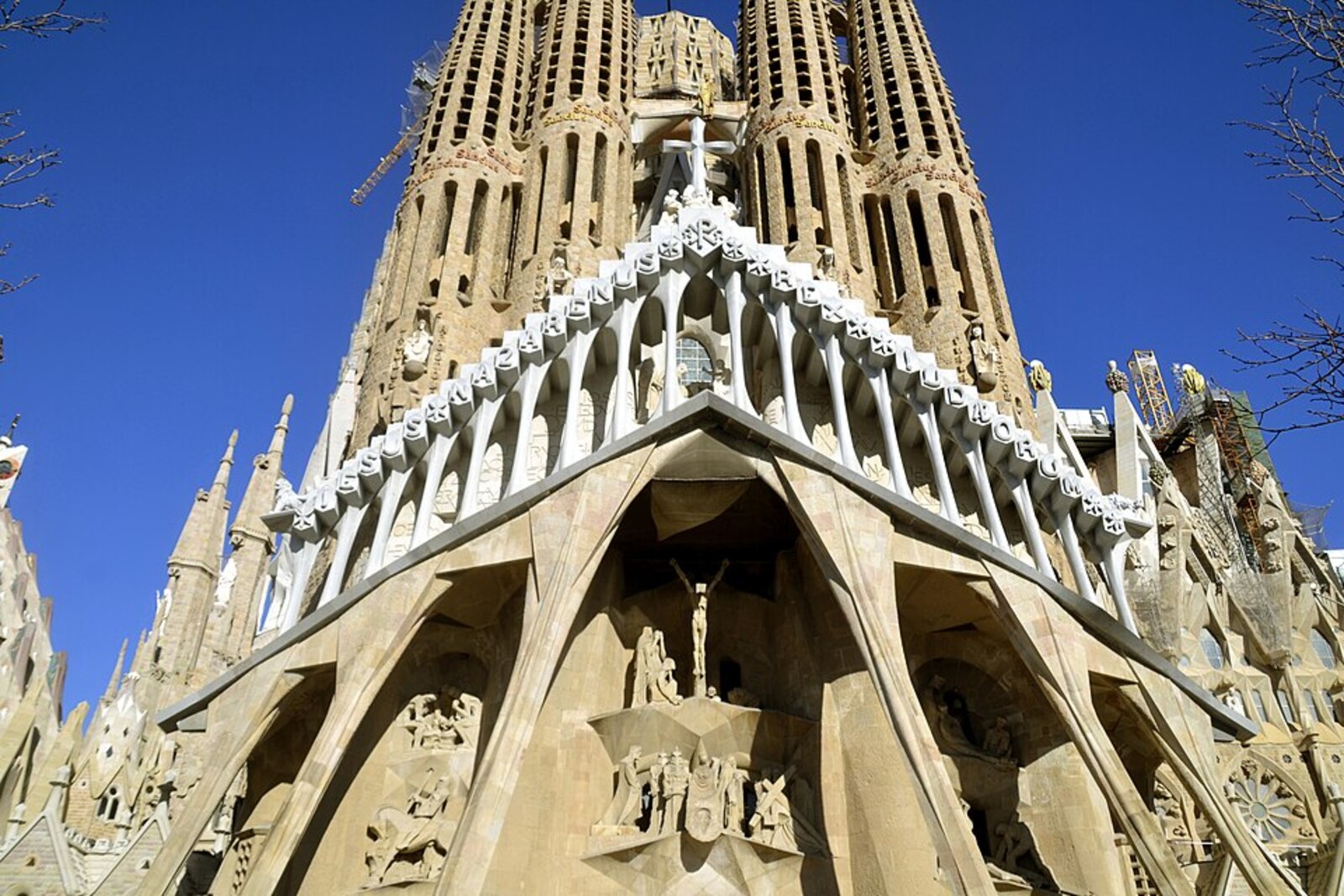
Masterpiece in Spain, under construction since 1882, receives 4.8 million visits in a year and impresses with its gigantism and architecture.
On the return to São Paulo, there is no toll.
With the change, the logic will be altered: the driver will only pay in the direction they travel, but the charge will now exist for both those going down and those going up the mountain, in a fractional amount.
The implementation began with the installation of electronic portals and the testing phase of the equipment.
On the Anchieta Highway, the new structure was positioned at km 33, replacing the toll plaza at km 31.
On the Imigrantes Highway, the portal is planned for km 29, in place of the plaza currently located at km 32.
While this technical transition is underway, payment continues to be made at traditional booths.
How free flow will work on Anchieta-Imigrantes
The new arrangement provides for automatic reading of license plates and tags through cameras, sensors, and antennas installed at the portals.
As a result, the vehicle will not need to stop to make the payment, as already occurs in other granted sections of the state.
The official proposal is to reduce queues, shorten travel time, and decrease the retention effect near the current plazas, especially during extended holidays and peak season periods at the coast.
In practice, the driver traveling from São Paulo to the Baixada will continue to pay the equivalent of the current total toll, but split into two halves if they also return via the Anchieta-Imigrantes system.
Those using only one direction will pay only for that trip.
This may benefit drivers who go down the mountain and return by another route, without needing to cross the portals of the system again.
This design changes, for example, the calculation for those heading to the south coast and choosing to return to the capital via a different route, such as BR-116, without passing again through Anchieta or Imigrantes.
In this case, the toll expense within the granted system decreases, because the payment is no longer made in advance and in full in just one direction.
Still, the actual savings will depend on the itinerary actually chosen and any tolls charged on other highways.
End of toll plazas and operational transition
Although free flow has been announced as a substitute for conventional plazas, the removal of these structures will not be immediate.
The São Paulo government has stated that there will be a transition period to preserve the so-called Convoy Operation, adopted in situations of intense fog in the mountain section.
Therefore, the physical plazas should remain temporarily, even after the electronic system is implemented.
Artesp is analyzing a new operational format for these moments of low visibility, with the support of intelligent panels and real-time monitoring technology.
The idea is to allow for a more dynamic and safe driving experience, without relying on the traditional blockage associated with booths.
Only after the approval and implementation of this new model can the current plazas be demolished.
In addition to the operational change, the adoption of free flow removes from the system the condition of concentrating one of the highest tolls in the country into a single charge.
The total amount paid by the vehicle, however, does not disappear: it is divided between going and returning, with the charge linked to the direction actually used.
The most visible effect for the user will be the redistribution of the toll and the end of the mandatory stop, not an automatic reduction in the total cost of a complete trip.
New lane of Imigrantes and capacity expansion
The modernization of the toll is accompanied by another large-scale project for the Anchieta-Imigrantes corridor.
Ecovias is developing, at the request of the São Paulo government, studies for the so-called third lane of Imigrantes, a new connection between the Metropolitan Region of São Paulo and the Baixada Santista aimed at increasing the system’s capacity and improving regional logistics, especially for cargo transport.
The disclosed layout foresees 21.5 kilometers in length, with a predominance of underground and elevated works.
Of this total, 17 kilometers are expected to be built in tunnels and 4 kilometers in viaducts.
One of the planned tunnels will be about six kilometers long, which would make it the largest road tunnel in the country.
The new road will have two lanes and a shoulder, with the possibility of operational reversal according to demand.
According to information released by the concessionaire and the government, the project was designed to increase the system’s capacity by 25% overall and by 145% for heavy vehicle descent.
The proposal also aims to create a more efficient connection with the port region of Santos, reinforcing the strategic importance of the corridor for the circulation of goods between the plateau and the coast.
What changes for the driver
For those who use the Anchieta-Imigrantes System daily, the main change will be the method of charging.
Instead of encountering booths and forming a line to pay the full amount in one direction, the user will be electronically identified and charged according to the segment traveled in each direction.
Motorcyclists, under the current rules informed by the government, remain exempt.
The operation with charging, however, still depends on the completion of tests, technical stages, and regulatory authorization from Artesp.
Until this validation, the portals remain installed without active charging, while the physical plazas continue to operate.
This point is central for the user, because the exact date of the start of electronic charging needs to be officially confirmed before the definitive change in the pocket and routine of those crossing the mountain.







Seja o primeiro a reagir!